

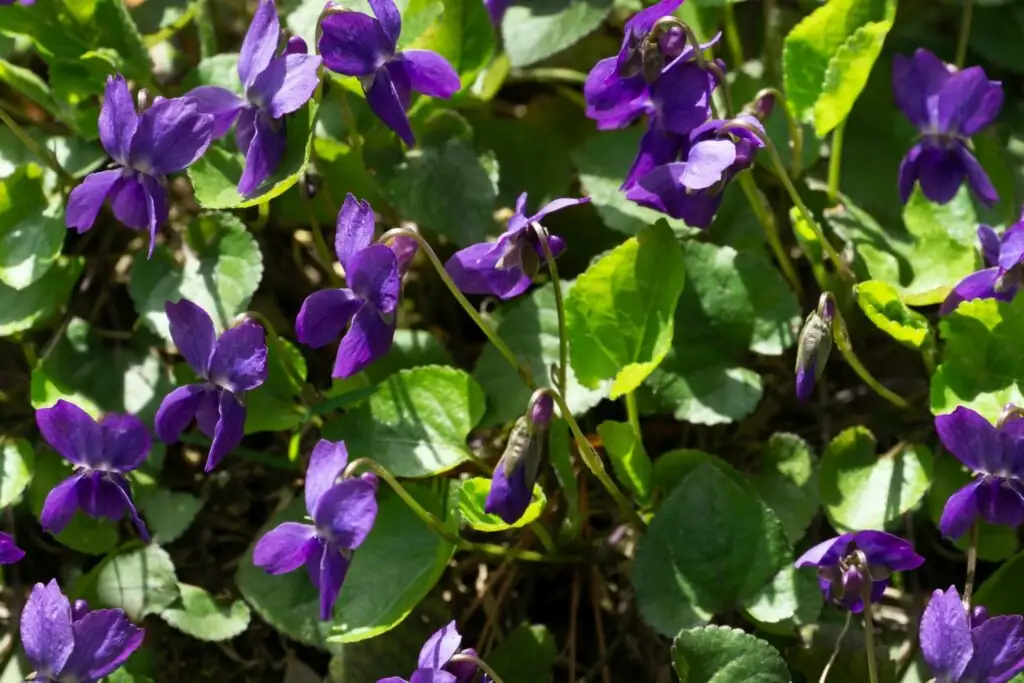
Imagine parting the dappled shade beneath a shrub and finding a living carpet that smells like sugared springtime. That’s Sweet Violet (Viola odorata): a low, heart-leaved perennial that spreads by runners, flowers early, and—best of all—propagates so willingly you can fill a shady border for pennies. This masterclass focuses on the three quickest routes to plenty: division, stolon pegging, and raising plants from the secretive, self-pollinating (cleistogamous) blooms that quietly set seed for you.
Meet the plant you’re multiplying
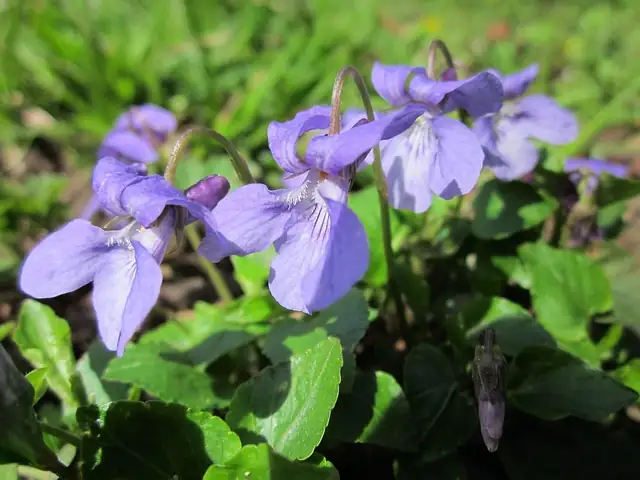
- Botanical essentials: Viola odorata (Sweet Violet, a Viola of the Violaceae family), native to Europe, North Africa, and West Asia.
- Habit: A cool-loving, very hardy perennial (USDA Zones 3–9) forming dense, fragrant mats 5–15 cm tall via creeping stolons and short rhizomes.
- Best conditions: Partial to full shade, humus-rich, well-drained soil, and consistent moisture. Ideal temps: 15–20°C (60–70°F).
- Bloom notes: Dainty, often deep violet to blue-violet, strongly scented flowers in early spring; some plants rebloom in autumn.
- Propagation temperament: Exceptionally cooperative—easy to divide, easy to root from stolons, and surprisingly generous with seed thanks to cleistogamous flowers.
Tip on fragrance: If the scent “vanishes” after your first sniff, it’s beta-ionone temporarily numbing scent receptors. Give it a minute—your nose resets.
Your propagation toolkit
- Clean, sharp hand fork or garden fork
- Hori-hori or sturdy knife; bypass pruners
- Dibber or chopstick (for teasing roots)
- U-shaped wire pins (or hairpins/tiny landscape staples) for pegging stolons
- Pots or trays (7–9 cm for divisions; plug trays for seedlings)
- Potting mix: fine-textured, well-drained, humus-rich blend (e.g., 2 parts compost/leaf mold, 1 part fine bark or coir, 1 part perlite)
- Watering can with fine rose or a mist sprayer
- Labels, shade cloth or a bright-shade spot
- Optional: a light dusting of compost as a top dressing; no rooting hormone needed
Hygiene first: Rinse soil off tools and wipe blades with alcohol to avoid transferring mildew or leaf spot.
Method 1: Divide clumps (fastest, most reliable)
When
- Early spring: as growth stirs but before hard flowering.
- Autumn: once heat eases and soil is still warm, allowing roots to knit before winter.
Success rate (with good moisture): 90–98%
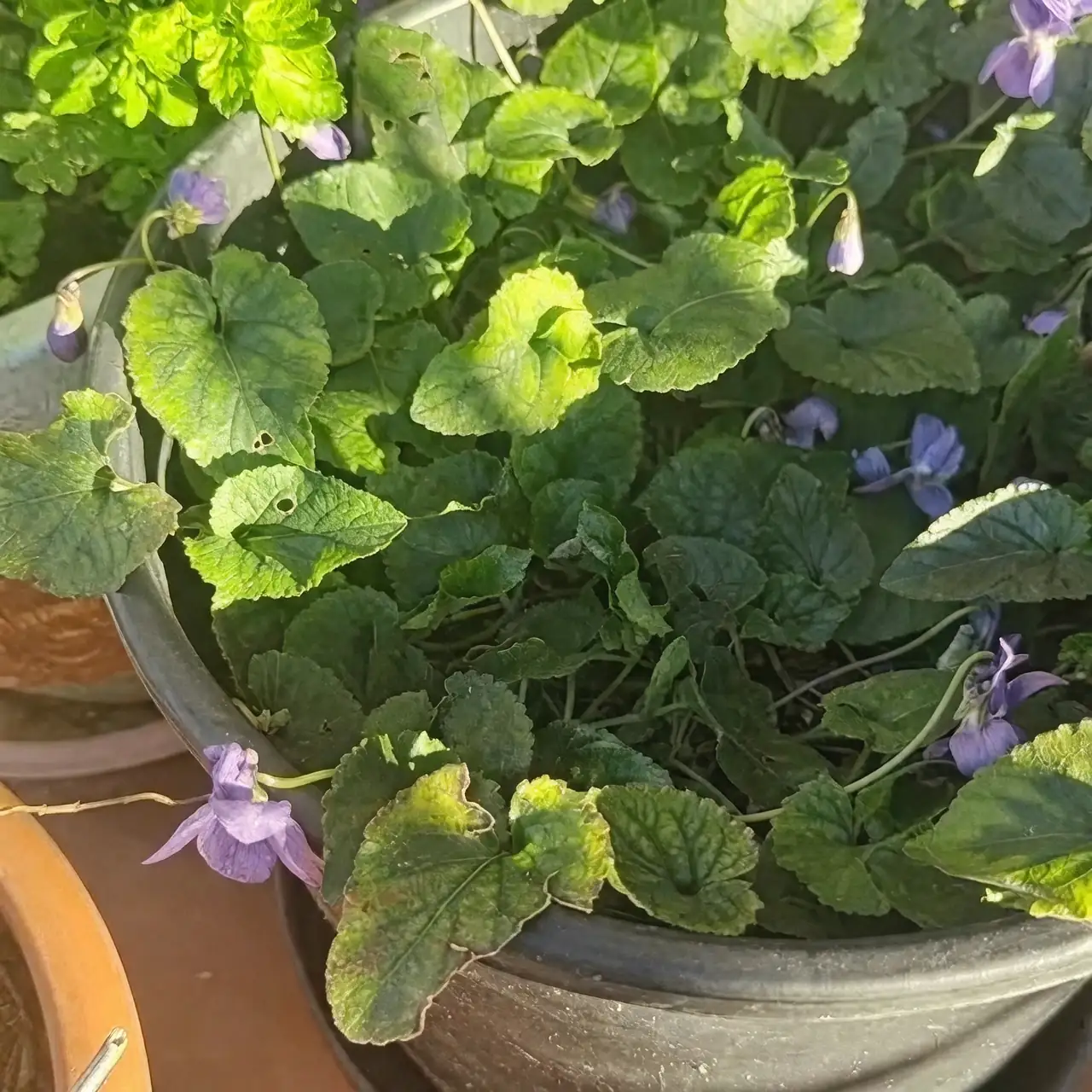
Step-by-step
- Water the mother plant the day before.
- Lift gently with a hand fork, taking a generous root ball.
- Tease apart the clump into small fans with roots attached—each division should have:
- A visible crown
- Several leaves (you can reduce leaf area by a third to limit transpiration)
- A good tuft of fibrous roots
- Replant at the original depth into enriched, well-drained soil, or pot into the mix above. Firm lightly.
- Water to settle. Provide bright shade and steady, even moisture.
- Mulch thinly with leaf mold/compost to keep the root zone cool.
Aftercare
- Keep evenly moist; avoid waterlogging.
- Light feed in spring (compost top-dress or a balanced slow-release).
- Expect flowering the next spring; vigorous divisions may bloom the same season if done very early.
Common mistakes
- Dividing in extreme heat/drought.
- Planting too deep and burying the crown.
- Letting new divisions dry out for even a day.
Method 2: Peg stolons (runner layering for dozens of clones)
When
- Spring to early summer, and again late summer to early autumn while soil is warm and moist.
Success rate: 80–95%

Stolon pegging in situ
- Identify a healthy runner with a small node and leaf rosette.
- Loosen the soil surface; add a sprinkle of compost.
- Press the node onto the soil; peg with a U-shaped wire. The crown should kiss the soil without being buried.
- Water and keep evenly moist. In 3–5 weeks, give a gentle tug—if it resists, it has rooted.
- Snip the “umbilical” stolon to wean the new plant; lift with a small plug of soil and transplant or pot on.
Pot-assisted runner layering (great in cramped beds)
- Set a small pot of mix next to the mother plant at soil level.
- Peg the node into the pot rather than the ground.
- Keep moist; once rooted, simply cut the runner and move the pot—zero transplant shock.
Pro tips
- Peg multiple nodes per runner for a “string of violets.”
- Shade and consistent moisture are everything; droughted nodes stall or crisp.
Method 3: Harvesting and sowing seed from cleistogamous blooms
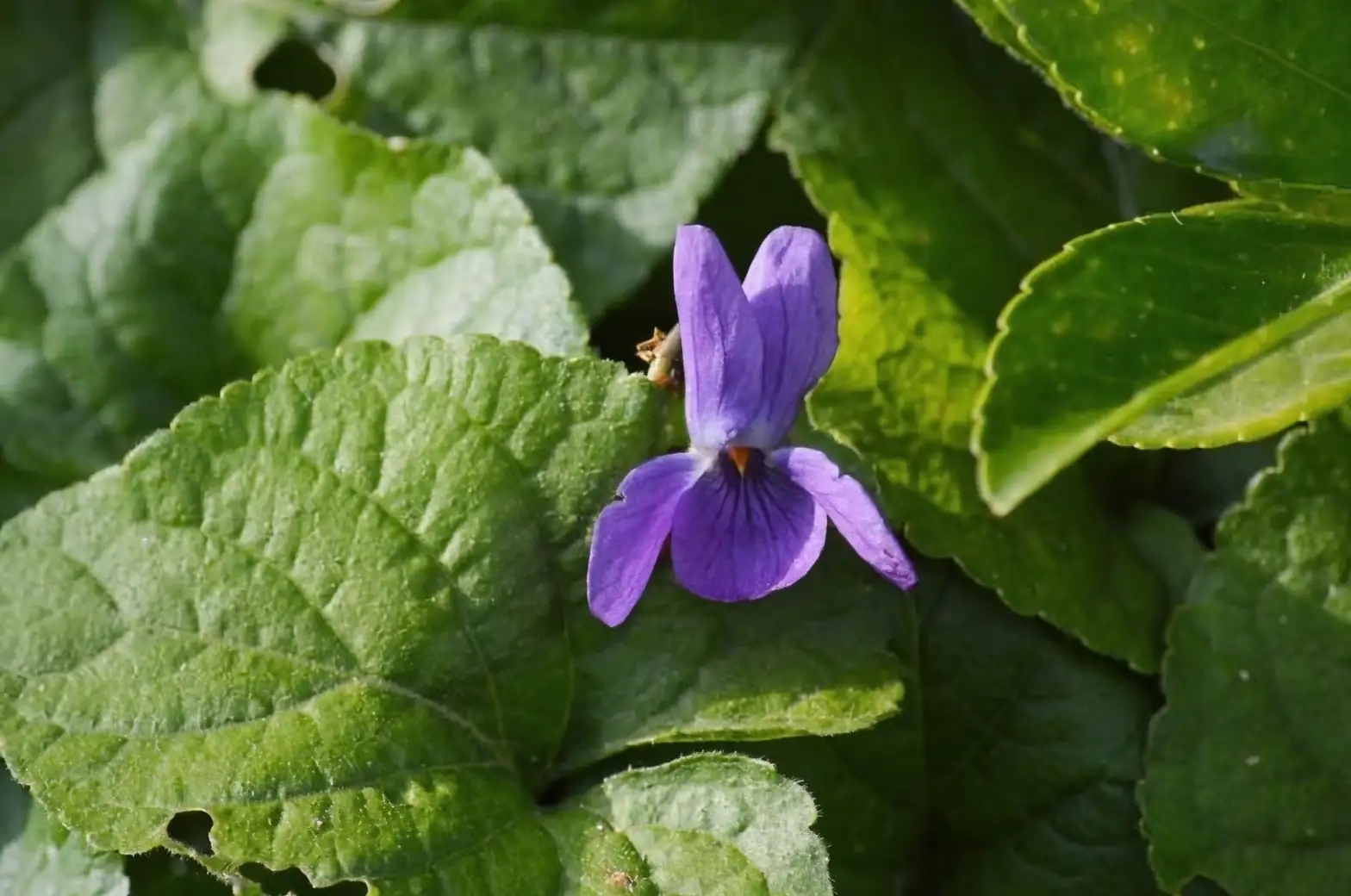
Cleistogamous flowers are the plant’s stealth seed factories: tiny, non-opening blooms, often low in the foliage, that self-pollinate and set seed without fanfare—especially later in the season.
How to spot them
- Inconspicuous, greenish or pale, often hidden among leaves.
- No showy petals; found late spring through autumn depending on climate.
- Followed by small, pale green capsules that split into three when ripe.
Timing and capture
- Inspect plants weekly from late spring onward.
- Seed capsules mature quickly and can spring open; harvest just as they turn pale and show faint seams.
- Either:
- Bag a few developing capsules with fine mesh, or
- Pick near-mature capsules into a paper bag and let them finish drying safely.
Note: Violets often attach fat-rich elaiosomes to seeds—ants love them and will “harvest” for you unless you collect promptly.
Sowing fresh seed (best results)
- Fresh seed is king. Aim to sow within days.
- Fill trays with fine, humus-rich mix. Firm lightly.
- Sow thinly; cover with 1–2 mm of fine mix or vermiculite (a “light covering” helps maintain moisture and darkness without burying too deep).
- Temperature: a steady 15–20°C (60–70°F).
- Keep consistently moist (not soggy). Bottom-watering reduces mildew risk.
- Germination window: typically 2–6 weeks; occasionally a bit longer.
Success rates
- Fresh seed: 60–85%
- Dried/stored seed: 30–50% (fresh is far better)
- A brief pre-chill (refrigerate sown trays for several weeks) can improve uniformity if seed isn’t super fresh, but isn’t essential when seed is very fresh and warmth/moisture are steady.
Pricking out and growing on
- Transplant seedlings at the 2–3 true-leaf stage into plugs or 7–9 cm pots.
- Grow in bright shade; keep evenly moist.
- Harden off and plant out at 15–25 cm spacing. With good care, expect a light first bloom the following spring; early-sown seedlings may flower earlier.
Designing your fragrant carpet
- Spacing: 15–25 cm apart for quick knit; tighter spacing (15 cm) closes in a season; 20–25 cm closes in 2.
- Site: Partial to full shade—dappled light beneath deciduous shrubs or small trees is perfect.
- Soil: Neutral to slightly acidic (pH 6.0–7.0), rich in leaf mold/compost; excellent drainage.
- Moisture: Even, never bone-dry; mulch thinly with leaf mold to regulate.
- Companion canopy: Underplant roses, hydrangeas, and spring bulbs. The violets are low enough to play nice.
A simple propagation calendar
- Late winter to early spring: Start divisions; sow stored or fresh seed indoors at 15–20°C.
- Spring: Peg runners as they appear; plant out sturdy divisions.
- Summer: Provide shade and steady moisture; violets may semi-dormant in heat—don’t overwater stagnant roots, but don’t let them bake.
- Late summer to autumn: Divide again; peg late-season stolons; collect and sow cleistogamous seed; some plants may rebloom.
- Winter: Top growth may die back; mulch in exposed, very cold sites.
Troubleshooting and quick wins
- Wilting new divisions: Deep shade plus a humidity tent (vented) for a week helps; water at the soil line.
- Mildew/leaf spot: Improve airflow, avoid overhead watering, remove affected leaves; consider a gentle bicarbonate spray for mildew where appropriate.
- Slugs/snails on tender divisions/seedlings: Hand-pick, use barriers, or iron phosphate baits as needed.
- Sparse spread: Soil too dry or infertile—add leaf mold, keep moisture steady, and lightly feed in spring.
Safety and good-to-know
- Edibility: Flowers and young leaves are edible (lovely candied or fresh). Avoid eating the roots.
- Pets: Generally non-toxic to cats, dogs, and horses.
Flower language (and what it really means)
Sweet Violet has long symbolized modesty and faithful love—ideas that trace to classical mythology and, later, the Victorian “language of flowers,” where gifting violets whispered devotion without grandstanding. The association fits the plant’s nature: it hides its scented blooms low to the ground and even tucks away cleistogamous flowers that quietly ensure the next generation—devotion in action.
—
Bottom line: To multiply Viola odorata fast, divide clumps in cool, moist weather for nearly guaranteed takes; peg stolons all season for a steady trickle of new plants; and harvest cleistogamous seed to raise trays of seedlings. Keep temperatures around 15–20°C for seed, shade for all young plants, and moisture consistent. In a year or two, you’ll have that perfumed woodland floor you imagined—alive, edible, and swooningly fragrant.


