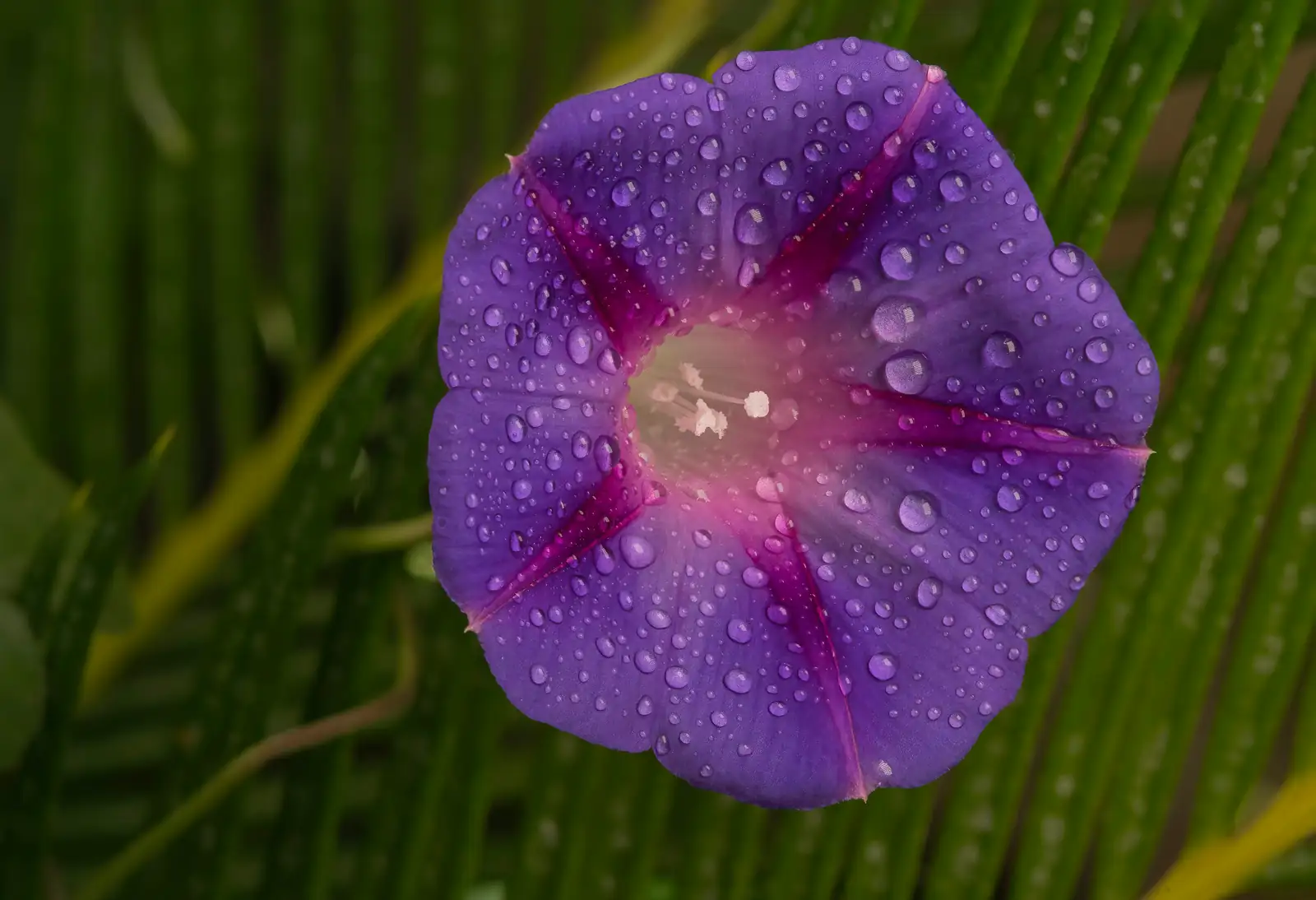
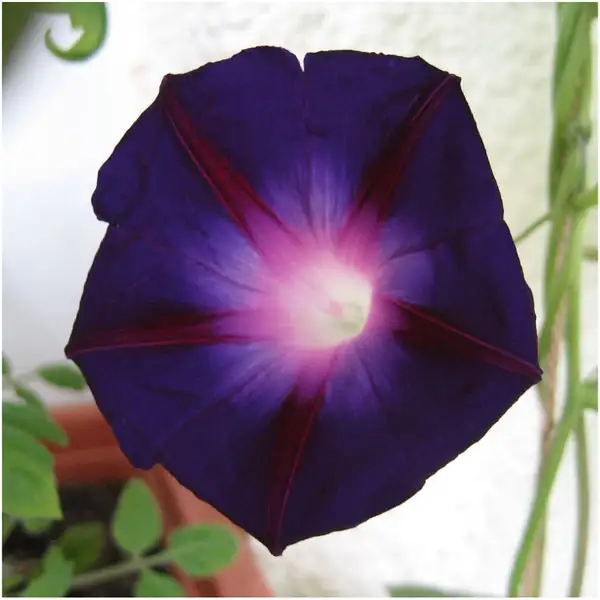
As the morning sun peeks over the horizon, the vibrant blooms of Ipomoea purpurea, widely known as the Morning Glory, begin their daily dance. These enchanting flowers, with their trumpet-shaped petals, unfurl in the coolness of dawn, only to close as the day warms—a poetic reminder of fleeting beauty and the promise of renewal. But how do you ensure that your Morning Glories reach their full, vibrant potential? Let’s dive into the essentials of caring for this delightful climber.
Sunlight and Placement: Seeking the Sun
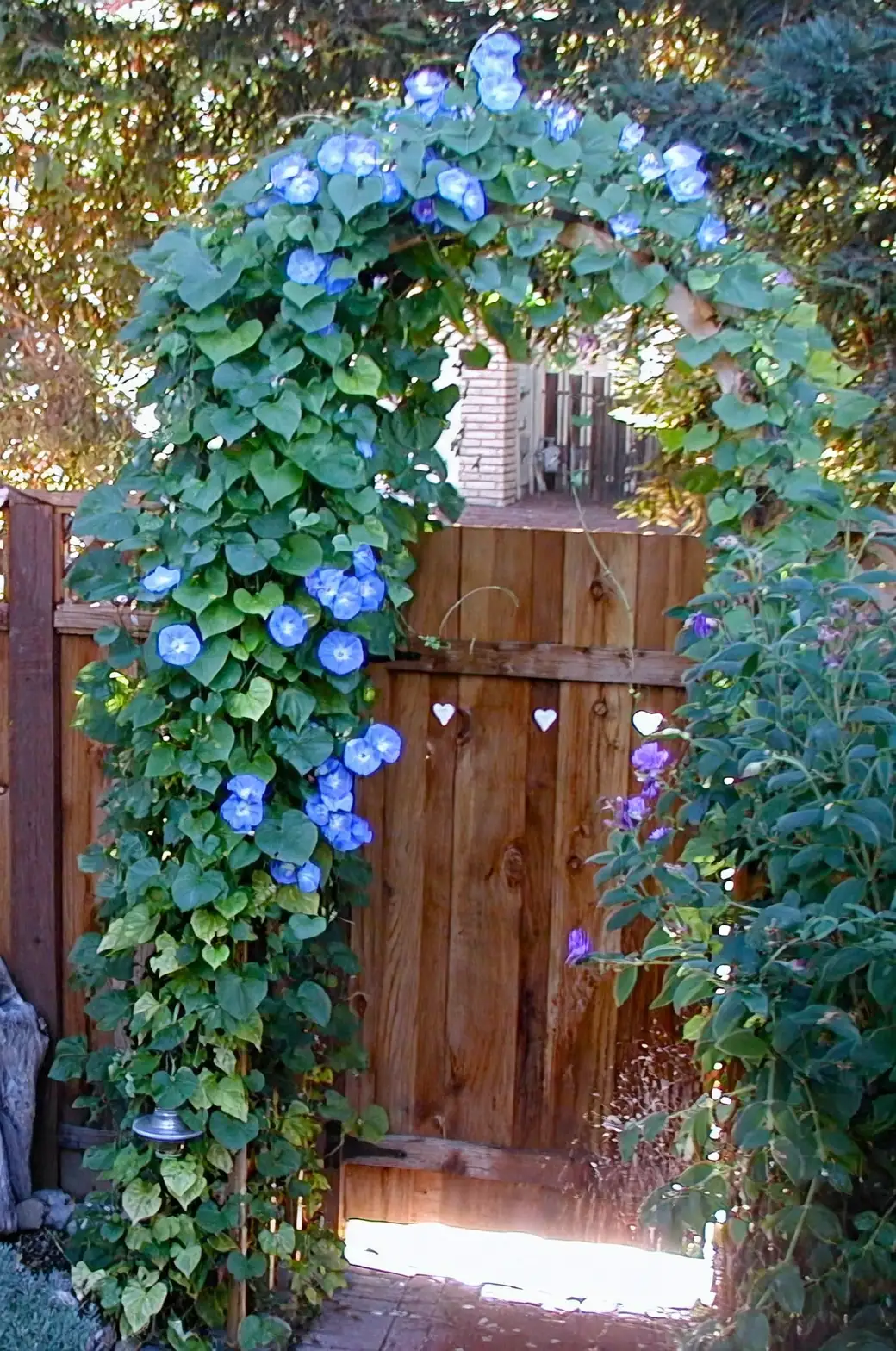
Morning Glories are sun worshippers, thriving best in full sun. Aim to provide them with 6-8 hours of direct sunlight daily to encourage robust growth and abundant flowering. However, if you’re in a particularly hot climate, a touch of afternoon shade can prolong the life of the blooms and protect them from scorching. Think of placing them on fences, trellises, or arches where they can climb high and catch those golden rays.
Watering Wisely: The Goldilocks Rule
When it comes to watering, Morning Glories prefer their soil to be “just right”—consistently moist but never waterlogged. During the initial phase, regular watering is critical as the roots establish themselves. Aim for about 2.5 cm (1 inch) of water per week, considering both rainfall and manual watering. Once established, these resilient plants can handle short dry spells, but mulching around the base can help retain moisture and keep roots cool.
Soil and Fertilization: Feeding the Beauty
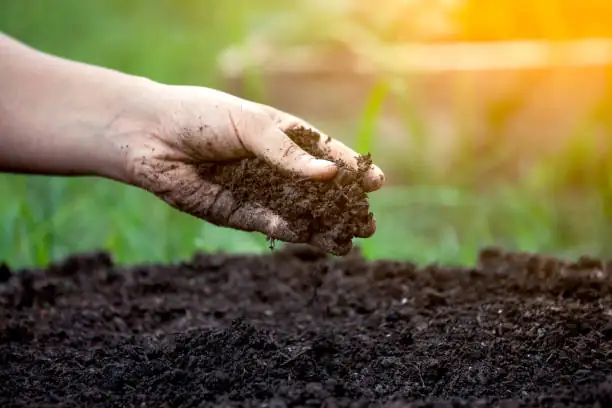
Morning Glories prefer well-draining soil with a neutral to slightly acidic pH (around 6.0–6.8). They aren’t fussy about nutrient-rich soil and, in fact, too much nitrogen can lead to lush foliage at the expense of those cherished blooms. Instead, opt for a balanced or low-nitrogen fertilizer, applied lightly every 4-5 weeks during the growing season. If your plant is all leaves and no flowers, switch to a bloom booster with higher phosphorus content.
Seasonal Care: Keeping It Fresh
Spring
Begin by sowing seeds outdoors after the last frost when the soil reaches about 18°C (64°F). Scarifying and soaking seeds overnight can speed up germination. Provide a sturdy support system immediately, and watch as these fast-growers race skyward.
Summer
During the peak growing season, ensure regular watering and light feeding. Be prepared to enjoy a continuous display of blooms that can make any garden shimmer with color.
Fall
As the season winds down, blooms can persist until the first frost. If you wish to have Morning Glories return, collect mature seeds before the cold sets in. Deadheading is optional but can help maintain a tidy appearance and prevent excessive self-seeding.
Common Challenges: Pests and Precautions
Though generally sturdy, Morning Glories can occasionally attract aphids, spider mites, or leaf miners. Combat these pests with strong water sprays or insecticidal soap. To prevent fungal issues, maintain good airflow around the plants and avoid frequent overhead watering.
Be aware that Morning Glory seeds are toxic if ingested in large quantities, so ensure they are kept away from pets and children.
The Symbolism and Cultural Significance
Morning Glories have been cherished for centuries, especially in Japan, where they’re known as “asagao” and symbolize the fleeting beauty of life. In the language of flowers, they often convey love, affection, and the bittersweet nature of unrequited love. Their ephemeral blooms remind us to cherish each moment.
Final Thoughts: Cultivating Beauty and Grace
With their vibrant colors and lush foliage, Morning Glories can transform any garden into a tapestry of color. Their easy-going nature and rapid growth make them a favorite among gardeners. By providing the right care, you’ll be rewarded with a spectacular display that dances in the morning light, embodying the very essence of beauty and renewal. Whether you’re a seasoned gardener or a beginner, these stunning climbers offer a joyful addition to any outdoor space. So, are you ready to let the Morning Glory weave its magic in your garden?