


Think of miniature Cymbidiums as cool-breeze loving sprinters that finish with a winter flourish. They’re compact, clumping orchids built for windowsills, happiest in bright light with a noticeable nip in the night air to cue those classic, long-lasting flower spikes. Use this seasonal checklist to keep them thriving—and learn how to pivot fast when the weather doesn’t play fair.
Meet the miniature Cymbidium
- Botanical note: Cymbidium hybrids (miniature cultivars), family Orchidaceae.
- Habit: Compact, clumping sympodial orchid with pseudobulbs; evergreen, strap-like leaves; typically 30–60 cm tall.
- Bloom time: Usually winter to spring, varying by cultivar and conditions.
- Indoors vibe: Forgiving day-to-day, but reliable flowering hinges on bright light and distinctly cooler nights in late summer to autumn.
The year at a glance: quick-start checklist
- Light: Bright, indirect; gentle morning sun is fine. Shield from harsh midday sun through glass to prevent leaf scorch.
- Temperature: Best growth around 10–24°C (50–75°F). Spike initiation loves cool nights around 10–13°C (50–55°F) for several weeks in late summer to autumn.
- Water: Thorough soaks with free drain; keep evenly moist in active growth, then ease off in cooler, darker months.
- Humidity: Aim for 40–60% with gentle airflow.
- Medium: Fresh, free-draining orchid mix (bark with perlite/charcoal). Snug pots only—oversized pots stay wet too long.
- Feeding: Balanced orchid fertilizer at half strength every 2–4 weeks in active growth; reduce or pause in winter unless it’s clearly growing.
—
Spring to early summer: growth mode
This is leaf-and-root season—think steady energy and sturdy foundations.
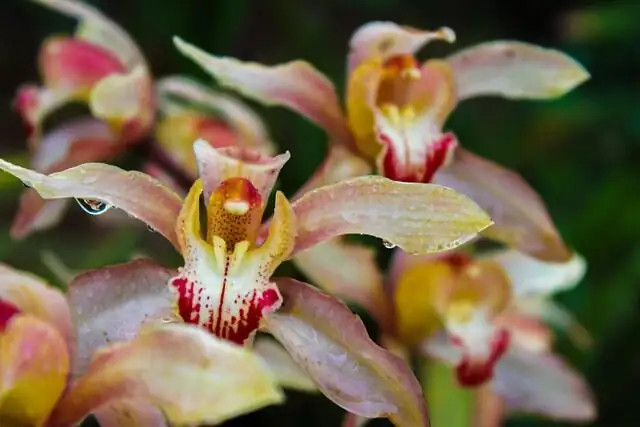
Checklist
- Light
- Move to your brightest cool spot; morning sun is welcome, but diffuse strong midday rays.
- Leaves should be medium to deep green. Very dark leaves often signal not enough light; yellowing or scorched patches mean too much direct sun.
- Water
- Water thoroughly, then let the top of the mix dry slightly before the next soak.
- Never let the pot sit in water; avoid a constantly soggy mix.
- Feed
- Half-strength balanced orchid fertilizer every 2–4 weeks.
- Once a month, leach salts: water deeply, wait an hour, water deeply again.
- Air and humidity
- Keep humidity around 40–60% and air moving gently; a small fan across the room helps.
- Repot and divide (if needed)
- Best timed just after flowering or as new growth begins. Repot every 2–3 years or when the mix breaks down.
- Divide only when the clump is mature; each division should have several pseudobulbs plus healthy roots.
- Outdoor summering? (mild, frost-free climates only)
- Acclimate gradually in bright, shaded conditions. Bring back inside well before nights approach 10°C (50°F).
—
Late summer to autumn: cool nights, spike initiation
Now you play the “day–night contrast” card to whisper “time to bloom.”
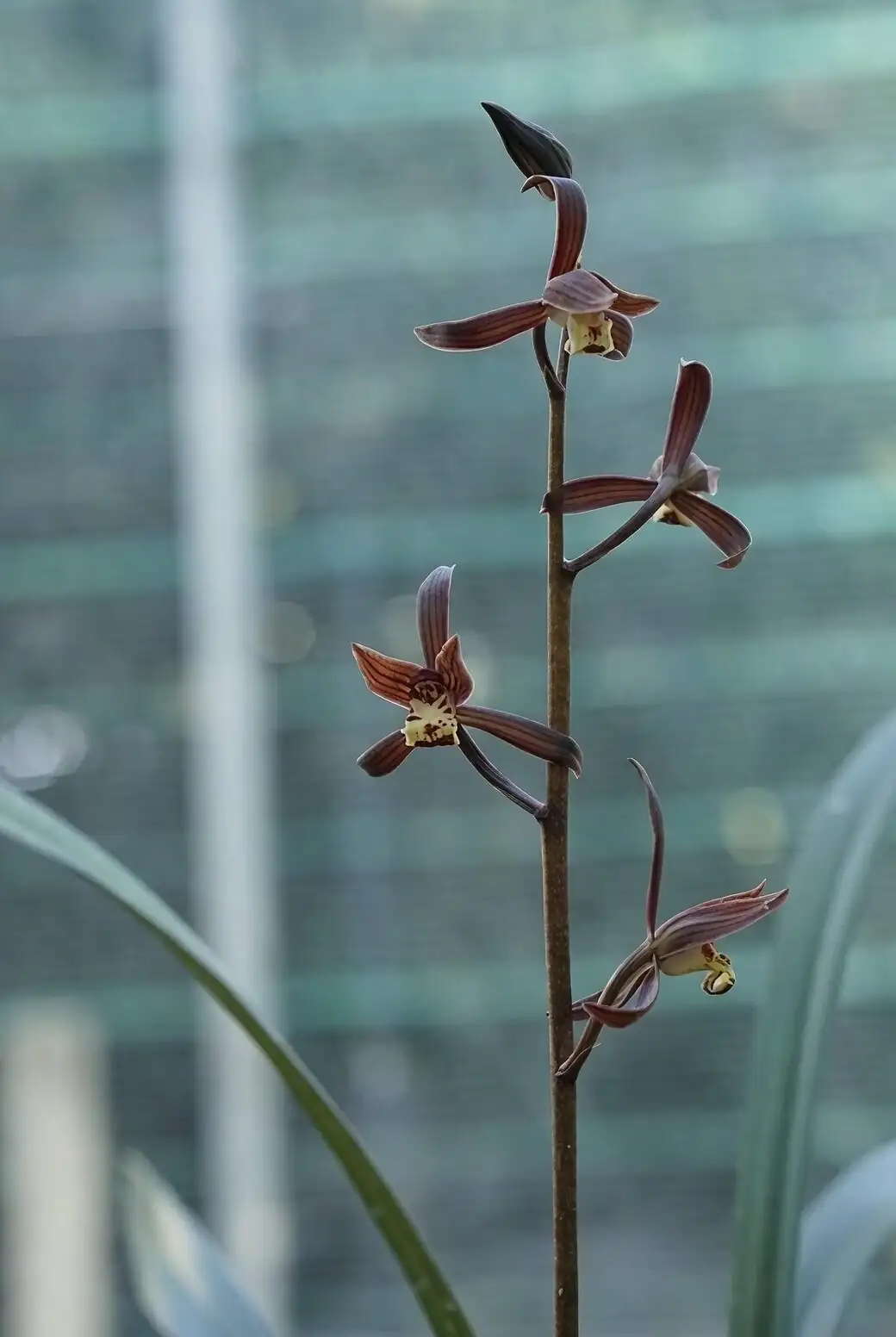
Checklist
- Light
- Keep it bright. Clean dusty leaves so they can drink in every photon.
- Temperature
- Target cool nights of about 10–13°C (50–55°F) for several weeks.
- Keep away from indoor heat sources (radiators, heating vents).
- Water and feed
- Continue even moisture but avoid sogginess as nights cool.
- Maintain half-strength balanced feed every 2–4 weeks until growth slows.
- Bud watch
- As spikes begin, avoid big environmental swings. Gentle, consistent care now pays off in winter flowers.
Pro tip: A covered porch or a frost-free sunroom that cools naturally at night often delivers the perfect autumn chill without exposing plants to frost. Always protect from temperatures below 0°C (32°F).
—
Winter: spike support and bloom care
It’s showtime—keep conditions bright and cool to protect buds and extend bloom life.
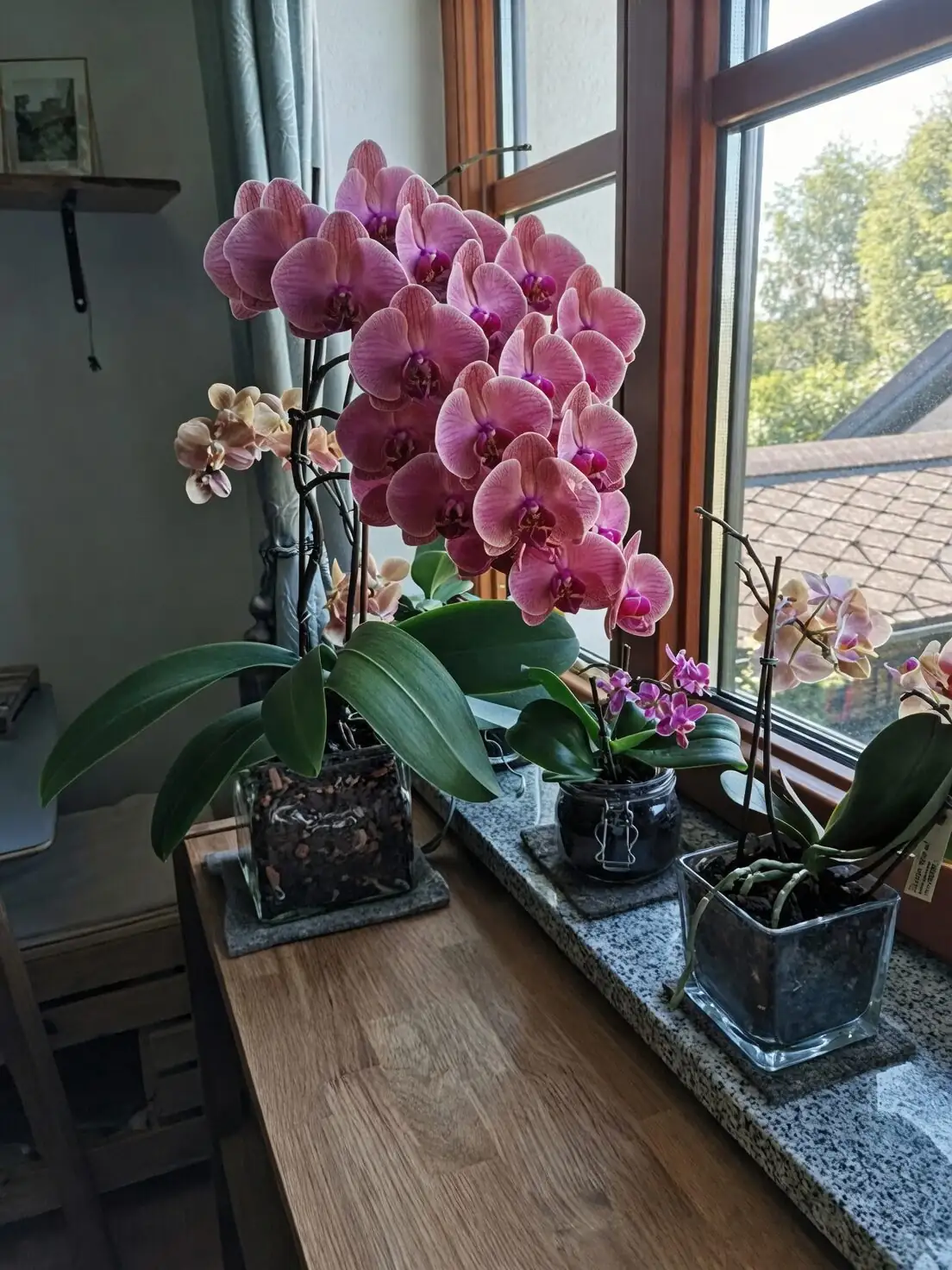
Checklist
- Light and placement
- Bright, cool windowsill or an unheated but frost-free sunroom. Rotate the pot a quarter turn weekly to keep spikes growing straight.
- Temperature
- Cool, steady conditions are your friend. Avoid hot drafts and radiators.
- Water and feeding
- Water less frequently but never let the plant bone-dry. Let the top of the mix dry slightly, then soak and drain well.
- Reduce or pause feeding unless you see obvious new growth.
- Spike support
- Stake early while spikes are flexible. Use soft ties and don’t force the arch—let the plant choose its curve.
- Grooming
- Remove spent blooms and, after flowering concludes, cut the spent spike near the base.
—
Heat waves: your emergency playbook
Mini Cymbidiums prefer cool to temperate conditions. When heat spikes, shift into “protective mode.”
- Move
- Relocate to the coolest bright spot you have; avoid direct midday sun through glass.
- Cool
- Use sheer curtains, increase airflow, and place the pot on a pebble tray with water below the pot base for evaporative cooling.
- Water
- Water early in the day; the mix may dry faster, but still let the top layer dry slightly between waterings.
- Feed
- Reduce fertilizer during extreme heat to avoid salt stress.
- Monitor
- Watch leaves for stress (folding, limpness) and check roots if decline seems sudden.
—
Dark spells and short days: light-boosting tactics
Stormy week? Northern winter? Keep photosynthesis cruising.
- Maximize brightness
- Move to the brightest window you have; add a white backdrop to reflect light.
- Grow lights
- Supplement to extend days to roughly 12–14 hours. Keep lights at an appropriate distance to avoid heat buildup.
- Water and feed
- With lower light and cooler rooms, reduce watering frequency and pause or lighten feeding unless new growth is active.
- Clean and clear
- Dust leaves; tidy nearby foliage that casts shade.
- Airflow and humidity
- Maintain gentle airflow and 40–60% humidity; avoid stale, damp air.
—
Watering and feeding, simplified
- Watering rhythm
- Active growth (spring–summer): evenly moist, never waterlogged.
- Cooler/darker periods (late autumn–winter): let the top of the mix dry a bit more between waterings.
- The “how”
- Drench the entire pot; let excess run off completely. Never leave the pot standing in water.
- Feeding
- Half-strength balanced orchid fertilizer every 2–4 weeks in growth.
- Reduce or pause in winter unless the plant is actively producing new growth.
—
Potting, division, and root health
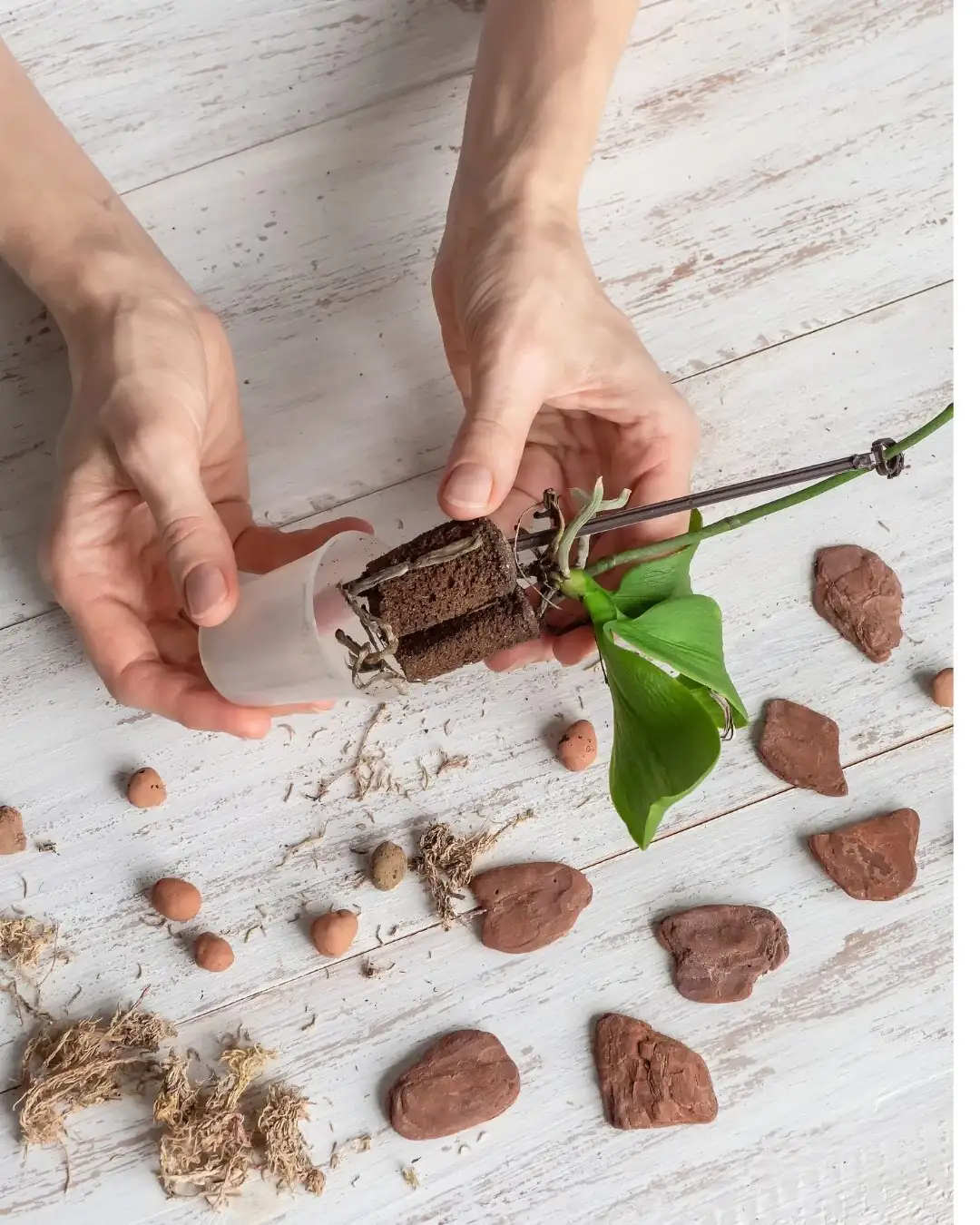
- Medium
- Bark-based orchid mix with perlite/charcoal; airy and fast-draining.
- Pot size
- Snug is best. Large pots stay wet too long and invite root rot.
- Timing
- Repot every 2–3 years, ideally just after bloom or as new growth begins.
- Division
- Only divide mature clumps; aim for several pseudobulbs and healthy roots per division to ensure a strong restart.
—
Pests, problems, and prevention
- Usual suspects
- Scale, mealybugs, spider mites, aphids. Inspect leaf bases and undersides regularly.
- Treatment
- Start with horticultural soap or horticultural oil; repeat as directed and improve airflow.
- Disease
- Root rot thrives in stale, broken-down, or waterlogged media—repot to fresh mix and correct watering.
- General hygiene
- Quarantine newcomers, sterilize tools, and remove spent debris from the pot surface.
—
Safety note
Miniature Cymbidium orchids are generally considered non-toxic to cats and dogs and low risk to people. As with any plant, nibbling can cause mild stomach upset.
—
Mini FAQ
- Why won’t my miniature Cymbidium bloom indoors?
- Most often it’s missing cool nights. In late summer to autumn, aim for night temperatures around 10–13°C (50–55°F) for several weeks while keeping light bright and avoiding indoor heat sources.
- Can I grow it outdoors?
- Only in mild, frost-free climates (roughly USDA Zone 10–11). In many regions it can spend warm months outside in bright, protected light, but bring it in well before nights drop to around 10°C (50°F) and protect it entirely from frost.
—
Symbolism and “flower language” notes
Cymbidiums have been celebrated across Asia for centuries and today remain beloved as gift orchids—emblems of elegance, admiration, and refined beauty. Modern “flower language” often assigns virtues like nobility and grace to their poised blooms. Historically, such meanings grew from cultural appreciation: writers and artists praised Cymbidiums for their dignified form and long-lasting flowers, and that esteem crystallized into the symbolism we recognize now. Take it as a poetic lens rather than a botanical rule—an invitation to give (or grow) something that quietly says, “You are cherished.”
—
With bright, gentle light, cool autumn nights, and a steady hand on watering, miniature Cymbidiums reward you with winter elegance that lasts for weeks. Keep this checklist handy, pivot smartly through heat waves or dark spells, and your compact “boat orchid” will sail smoothly from spring growth to winter bloom.