

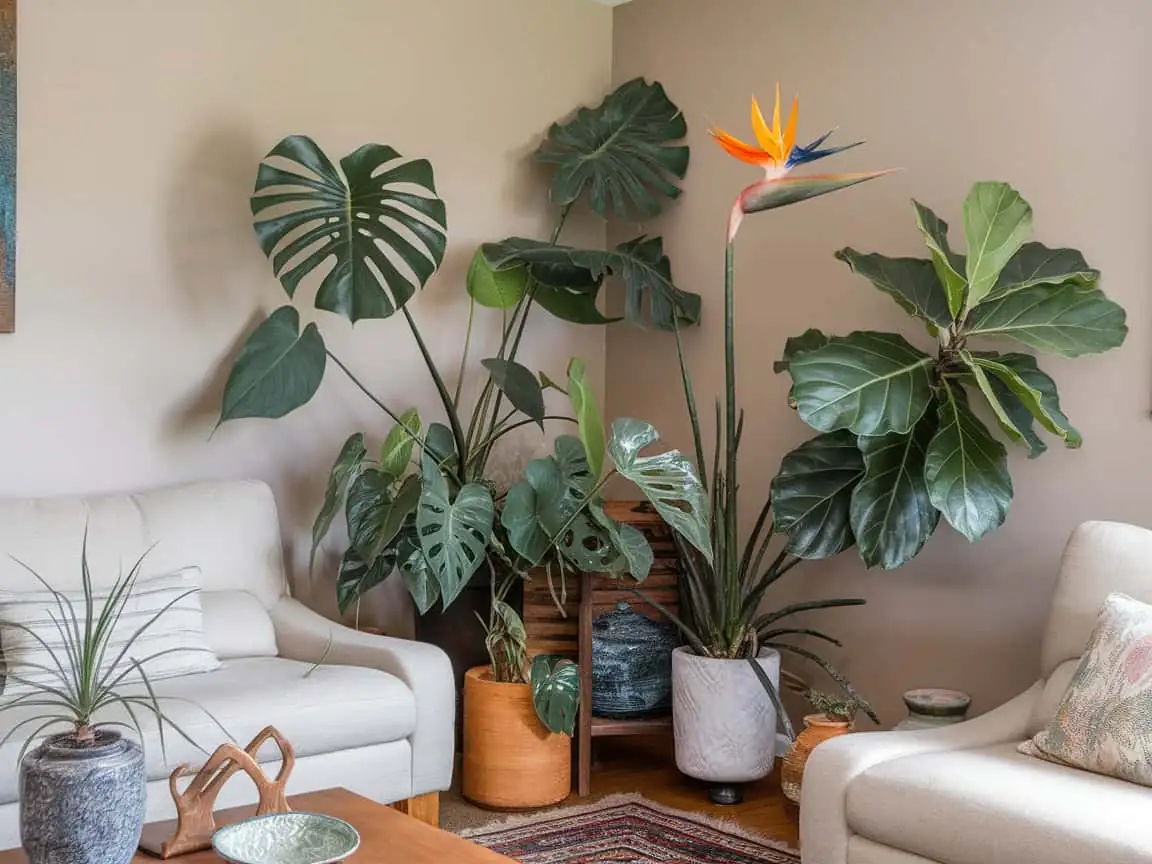
Welcome to the world of Monstera deliciosa, a houseplant that effortlessly transforms your living space into a tropical haven. Often referred to by its common names, the Swiss Cheese Plant or Split-Leaf Philodendron, this lush beauty is adored for its glossy green leaves adorned with dramatic splits and holes, known as fenestrations. If you’ve ever wondered how to keep this jungle gem thriving, you’re in the right place. Here’s your ultimate guide on mastering Monstera care, from watering schedules and light needs to seasonal adjustments.
The Heart of the Jungle in Your Home
Imagine a plant that evokes the feeling of being on a tropical vacation every day. Monstera deliciosa, with its bold, statement-making foliage, does just that. Native to the rainforests of Central America, this evergreen climber is a testament to nature’s artistry, climbing trees with its aerial roots and creating a stunning visual display indoors.
Light Requirements: Finding the Sweet Spot
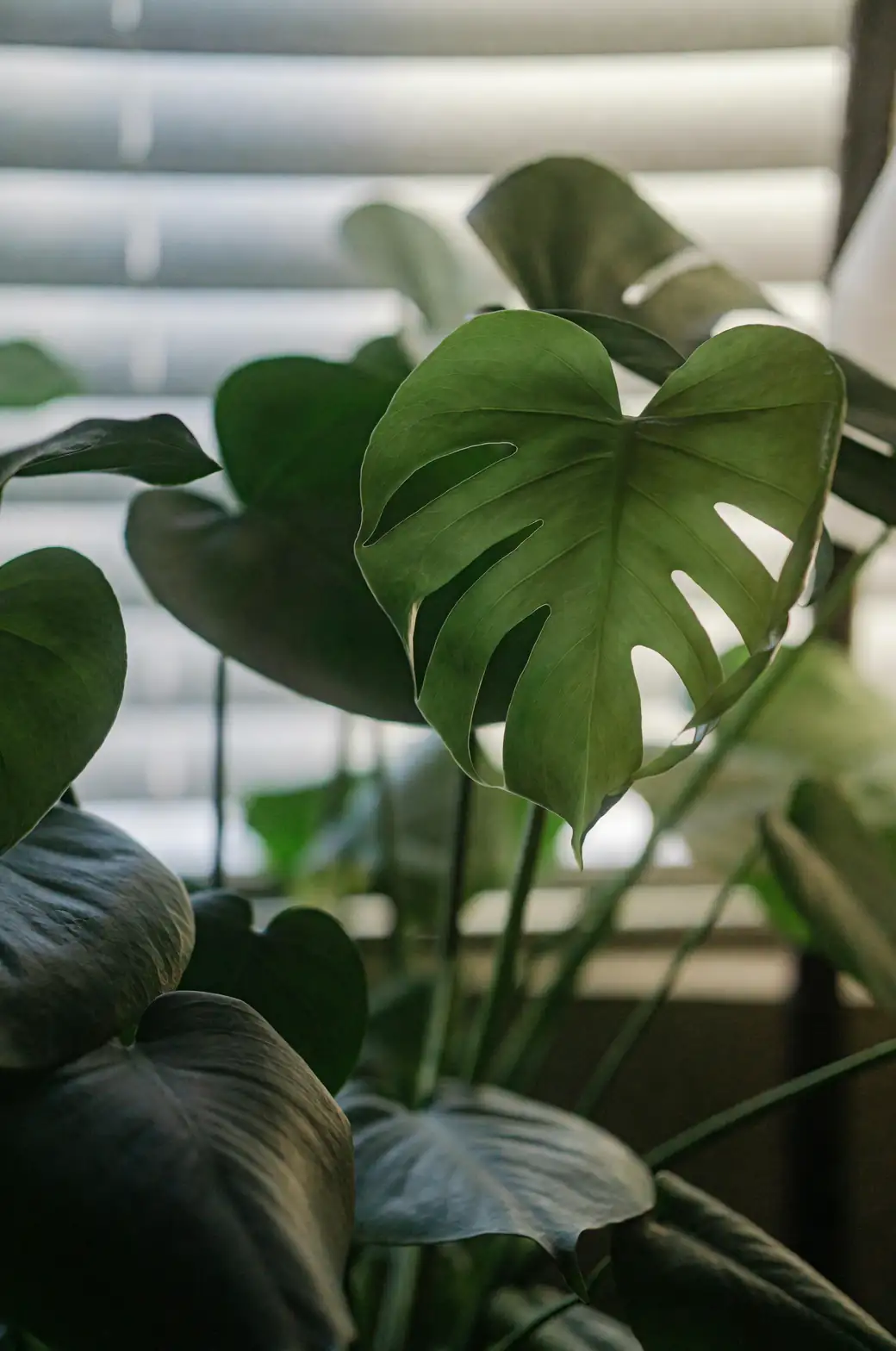
Monstera deliciosa thrives in bright, indirect light, much like it would find under the rainforest canopy. Think of it as a sun-loving plant that enjoys basking in the glow of filtered sunlight. An east or north-facing window is ideal, while a sheer curtain can help diffuse the harsher rays from a south or west-facing window. Remember, too much direct sunlight can scorch those beautiful leaves, leaving unsightly yellow or brown spots.
Watering Wisdom: Quenching the Thirst
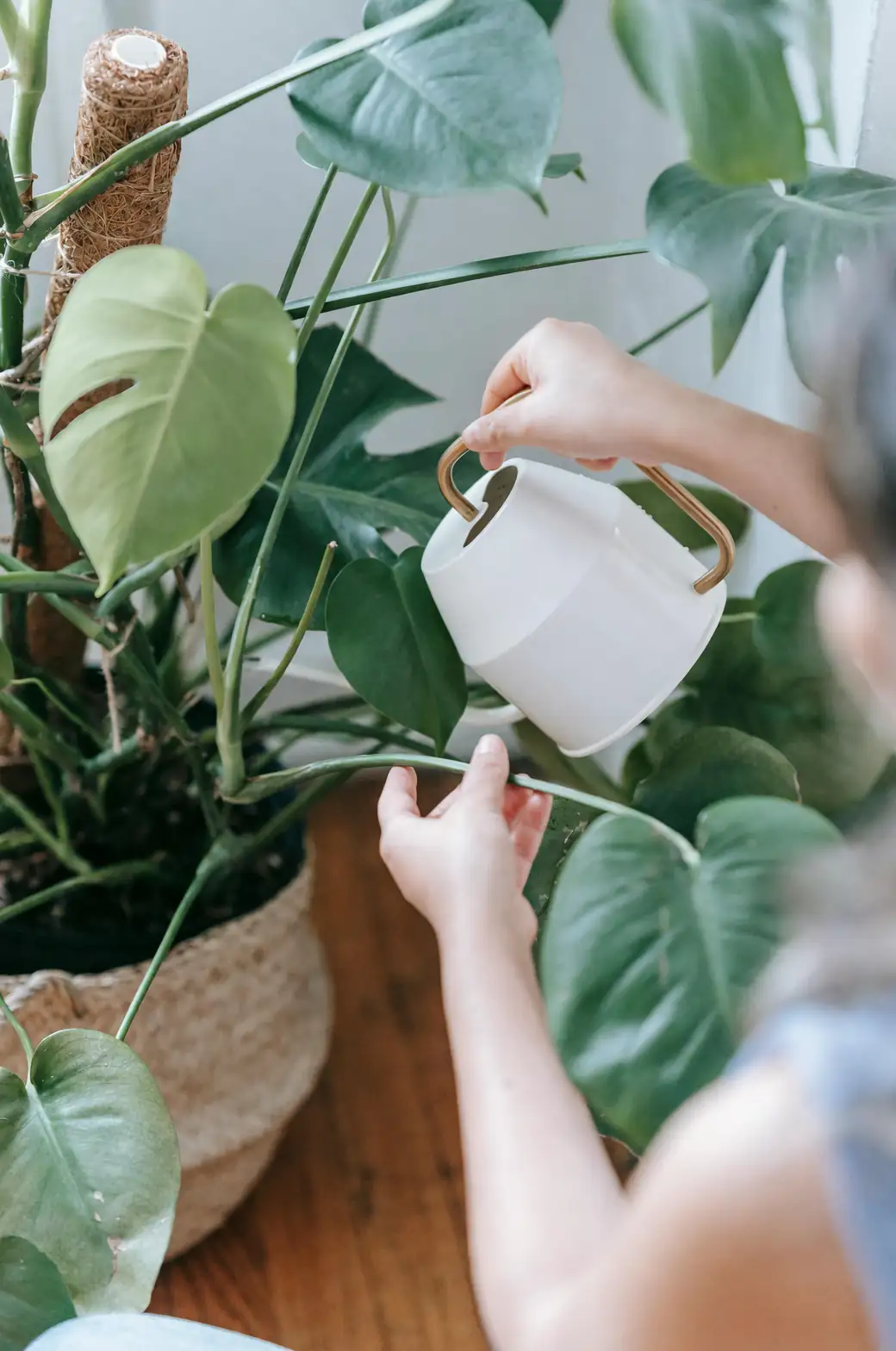
Watering your Monstera is all about balance. These plants prefer their soil to be moist but not waterlogged. During the active growing season in spring and summer, check the top 2.5 to 5 cm (1 to 2 inches) of soil; water when it feels dry to the touch, which is usually about once a week. In the cooler months, reduce watering to every 2-3 weeks, allowing the soil to dry out a bit more between waterings. Overwatering is a common pitfall, often signaled by yellowing leaves and a soggy soil mix.
Soil and Potting: The Foundation of Growth
A well-draining soil mix is key to keeping your Monstera healthy. Think of it as providing the perfect balance of moisture retention and aeration. An aroid mix consisting of peat or coco coir, perlite, bark, and a touch of compost works wonders. This ensures your plant’s roots have ample room to breathe, preventing root rot and promoting robust growth.
Temperature and Humidity: Creating the Ideal Environment
Monstera deliciosa feels right at home in temperatures between 18–29°C (65–85°F). It’s like a warm hug for your plant, encouraging lush growth. Humidity is another important factor, with 50–70% being the sweet spot. If your home tends to be dry, consider a humidifier or place a pebble tray with water beneath the pot to boost moisture levels in the air.
Seasonal Care: Adapting with the Seasons
Each season brings its own set of care requirements for your Monstera.
- Spring: As growth picks up, resume regular watering and consider repotting if your plant is root-bound. This is also a great time to start fertilizing every 2–4 weeks with a balanced liquid fertilizer.
- Summer: This is peak growth season—ensure bright, indirect light and steady watering. You might notice faster growth, and larger, more fenestrated leaves.
- Autumn: Gradually reduce watering and fertilization as growth slows. Maintain humidity levels as indoor air becomes drier.
- Winter: Move your Monstera to a brighter spot indoors and protect it from drafts. Water less frequently, and pause fertilization entirely.
Pruning and Propagation: Shaping and Sharing
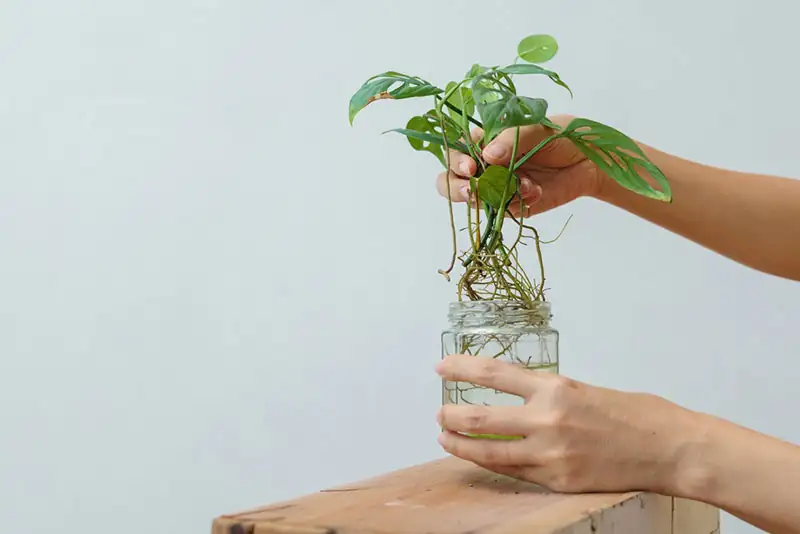
Pruning helps maintain the desired shape and size of your Monstera. Remove any yellowing or damaged leaves, and trim back overly long stems. If you’re feeling adventurous, try propagating! Stem cuttings with at least one node can be rooted in water or a light soil mix. This not only helps you manage your plant’s size but also gives you the chance to share the Monstera love with friends.
Common Challenges: Troubleshooting Tips
- Yellow Leaves: Often a sign of overwatering. Ensure proper drainage and let the top layer of soil dry out before watering again.
- Brown Tips: Usually a result of low humidity or inconsistent watering. Boost humidity and ensure even watering.
- Pests: Keep an eye out for common pests like spider mites and scale. A gentle wash with insecticidal soap can keep them at bay.
Monstera and You: A Partnership in Growth
Welcoming a Monstera deliciosa into your home is a commitment to growth, both for you and your plant. Its dramatic leaves and climbing habit inspire a sense of wonder and tranquility, making it more than just a plant—it’s a piece of living art. By understanding and meeting its needs, you’ll cultivate not only a thriving plant but also a deeper connection to the natural world.
So, place that moss pole, adjust the lighting, and let your Monstera deliciosa transport you to the heart of the rainforest. Happy planting!


