

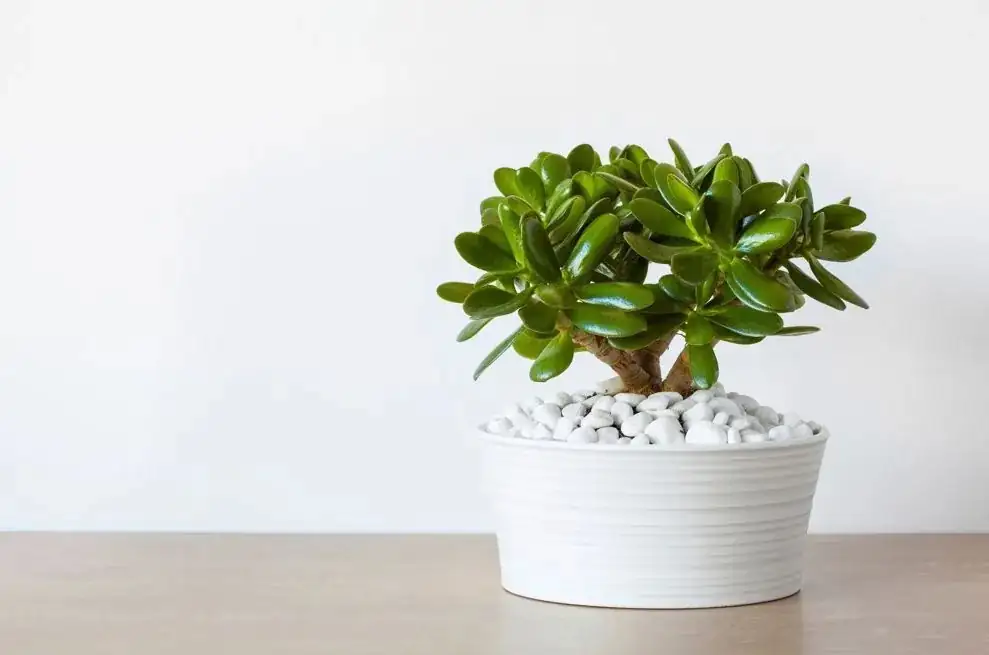
Meet the Lucky League: a playful plant showdown where charm, care, symbolism, and office vibes duke it out. Headliner: Crassula ovata—the Jade Plant, aka Jade Tree, Dollar Plant, Friendship Tree, Lucky Plant, Money Plant… even “Money Tree” (we’ll clear up that name tangle in a sec). Who should take home the trophy for your desk, windowsill, or shop opening gift? Let’s ring the bell.
Meet the Contenders (and Clear the Name Confusion)
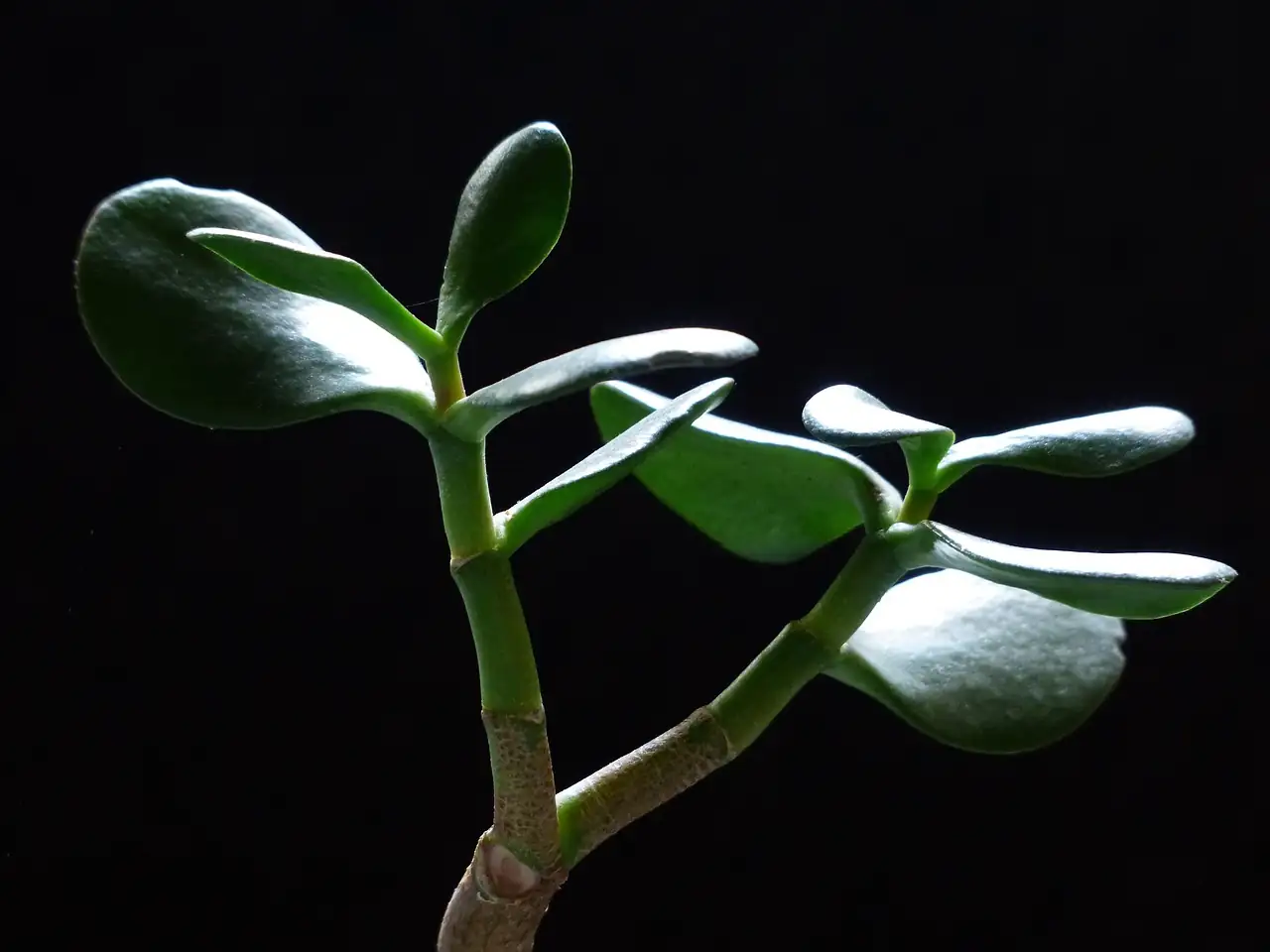
- Jade Plant (Crassula ovata): A classic succulent from southern Africa and Mozambique with thick, glossy, oval leaves that look like tiny jade coins. As it ages, it gets a sturdy, branching trunk—like a bonsai that decided to be easygoing.
- Money Tree (Pachira aquatica): Not a jade! A tropical tree usually sold with a braided trunk and palmate leaves.
- Chinese money plant (Pilea peperomioides): Not a jade! A dainty houseplant with pancake-like leaves on slim stems.
- Pothos (Epipremnum aureum), often called “money plant” in some regions: Not a jade! A vining, heart‑leaf classic for shelves and hanging pots.
Jade Plant shares those “money” nicknames because of its coin-shaped leaves and long association with prosperity and good luck—especially in feng shui. But botanically, it’s its own star.
Round 1: Looks That Sell
- Jade Plant (Crassula ovata)
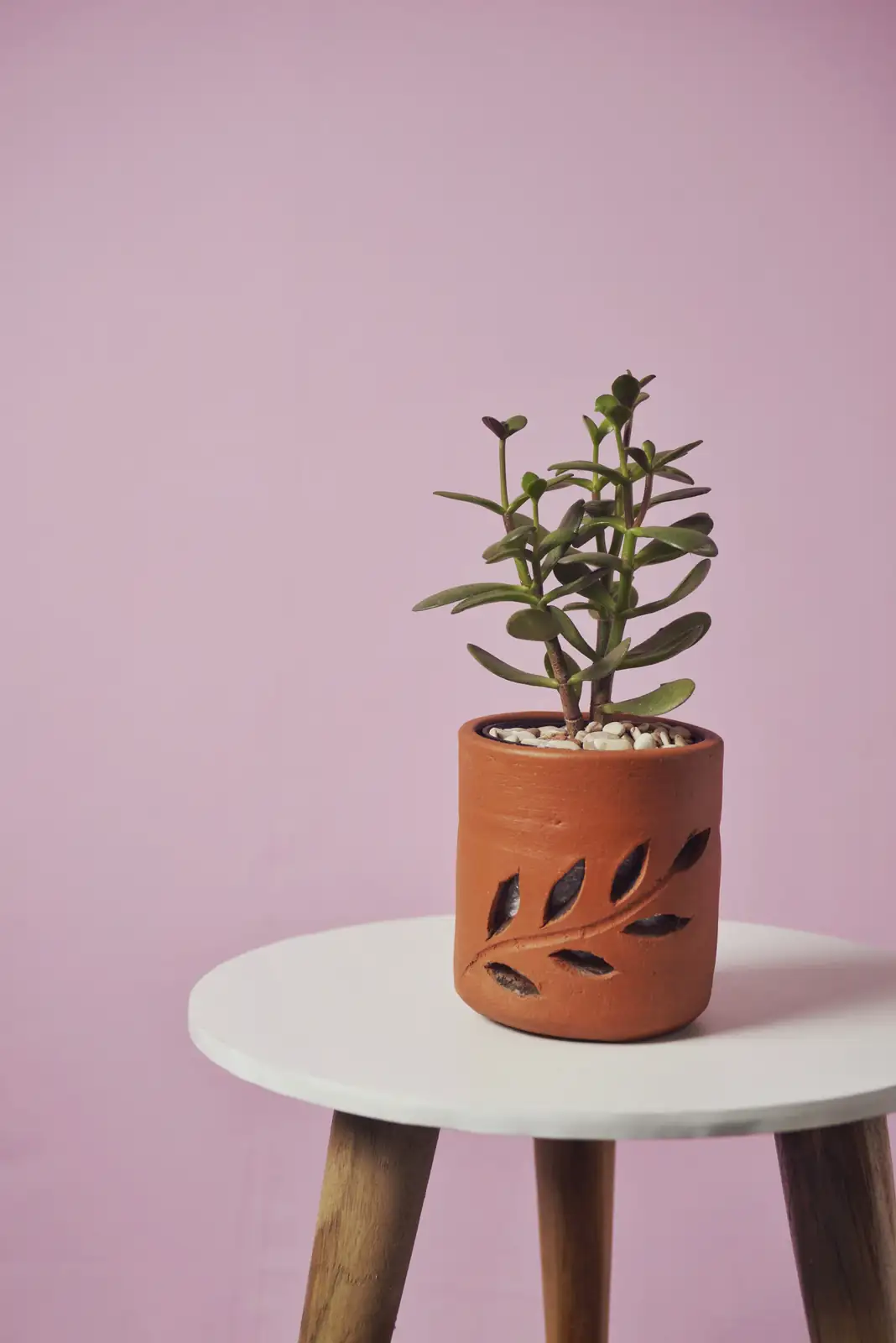
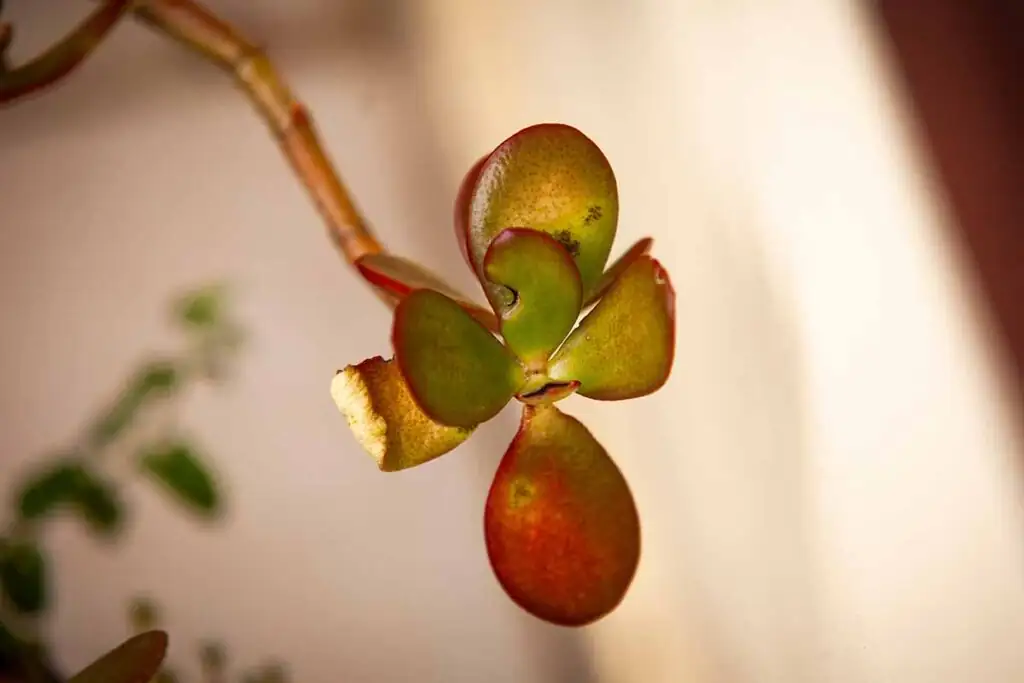
- Signature style: Plump, jade-green leaves (often with a red edge in strong light) on branching, woody stems—hello, mini tree!
- Surprise trick: Mature plants can produce clusters of tiny, starry white-to-soft‑pink flowers in winter.
- Size: Indoors 60–90 cm (2–3 ft); outdoors (in warm zones) up to ~2.5 m (8 ft).
- Money Tree (Pachira aquatica)
- Statement: Braided trunk, umbrella-like leaves. More “office sculpture,” less bonsai texture.
- Chinese money plant (Pilea peperomioides)
- Aesthetic: Floating coin leaves—modern, airy, adorable.
- Pothos (Epipremnum aureum)
- Mood: Lush, trailing, and versatile for walls and shelves.
Winner for “bonsai-by-accident” charm: Jade Plant.
Round 2: Care Cage Match
- Jade Plant care profile
- Light: Bright is key—aim for 4–6 hours of strong light daily. Younger plants like bright indirect; established plants enjoy some direct sun. Low light = leggy, stretched stems.
- Water: Soak thoroughly, then let soil dry completely. Spring–summer often about weekly or less; in winter, sometimes just monthly. Overwatering is the fast track to mushy regret.
- Soil: Fast drainage (cactus/succulent mix, or about 2:1 potting soil:perlite).
- Temperature: 18–24°C (65–75°F) indoors; cooler winter nights around 13°C (55°F) help trigger blooms. Not frost-hardy.
- Money Tree
- Likes evenly moist (not soggy) soil and bright, indirect light. More frequent watering than jade.
- Chinese money plant
- Prefers bright, indirect light and lightly moist, fast-draining soil. More sip-sip than drought.
- Pothos
- Flexible on light (low to bright indirect) and regular, moderate watering. Fuss-free vine.
Winner for “I’ll thrive if you forget to water me sometimes”: Jade Plant.
Round 3: Office Lighting Reality Check
- South- or west-facing window? Jade shines.
- Low-light cubicle? Pothos wins. Money Tree and Pilea can cope better than jade in indirect light.
- Desk near a sunny window? Jade is in its element—compact footprint, sculptural silhouette, and leaf edges may blush red with that extra sun.
Round 4: Longevity and Resilience
- Jade Plant can live for decades—genuinely heirloom material. Its water-storing leaves and stems handle dry indoor air like a champ.
- Others are durable, but few match jade’s “pass it to the next generation” reputation.
Winner: Jade Plant.
Round 5: Symbolism, Flower Language (花语), and the Wealth Corner
- Jade Plant’s symbolism
- Prosperity, good luck, friendship, and longevity. Those coin-like leaves + a long life make it a natural emblem for wealth and enduring bonds.
- Feng shui placement: Commonly placed in the southeast corner of a home or office (the “wealth corner”) to attract abundance. It’s a classic gift for housewarmings, business openings, and birthdays.
- How “flower language” works (and what it really means)
- Western floriography (Victorian-era) assigned coded meanings to blooms; East Asian traditions (like feng shui) emphasize energy flow and auspicious forms. Jade’s “money” aura stems from its appearance (round, coin-like leaves), longevity, and ease of propagation—symbols humans attach to the plant, not magic that lives in the sap. The real luck? Thoughtful placement, consistent care, and the positive feeling a thriving plant brings to a space.
- Symbolism faceoff
- Jade Plant: Wealth, friendship, longevity; winter blooms are extra “lucky.”
- Money Tree: Also strongly linked with prosperity (often gifted for financial fortune).
- Chinese money plant: Friendship and sharing (it produces “pups” to pass along).
- Pothos: Often included in “money plant” lists culturally; symbolizes steady growth.
Verdict: For wealth symbolism with a tree-like presence, Jade and Money Tree tie. For friendship gifting, Jade and Pilea shine.
Round 6: Office Vibes Scorecard
- Minimal effort, maximal poise: Jade’s soak‑and‑dry routine fits busy weeks. Dry office air? Perfect.
- Conversation starter: Jade’s mini-tree form, red-edged leaves, and the “lucky” story spark chats. Mature winter blooms are a delightful plot twist.
- Footprint: Upright and contained—great for desks and sunny shelves.
- Pet-friendly workplaces: Note toxicity (see Safety Check below).
- Zoom presence: That sculptural trunk reads like intentional decor, not random foliage.
Office MVP if you’ve got bright light: Jade Plant.
Round 7: Safety Check
- Jade Plant: Mildly toxic to cats, dogs, and horses if ingested (may cause vomiting, lethargy, poor coordination). Sap can irritate sensitive skin. Keep out of nibble range.
- If pet safety is top priority: Many people choose non-toxic options instead. Always check reputable toxicity lists for any plant you bring to a pet-friendly office.
Jade Plant: Buy Smart
- Pick plants with:
- Firm, plump leaves (no mushy spots).
- Sturdy stems and no yellowing or shriveling.
- No visible pests (check leaf joints). Mealybugs look like tiny cotton tufts.
Jade Plant Care Cheat Sheet
- Light: Strong brightness daily; some direct sun for established plants. Avoid prolonged low light.
- Water: Deeply, then wait until the mix is bone-dry to repeat. In winter, go sparse.
- Soil: Cactus/succulent mix or ~2:1 potting soil:perlite for fast drainage.
- Temperature: 18–24°C (65–75°F) by day; cooler nights in winter are beneficial. Bring indoors before temps near 10°C (50°F).
- Humidity: Prefers dry air—no misting necessary.
- Feeding: Lightly during spring/summer every 2–4 weeks with a diluted cactus/succulent or balanced fertilizer. No feeding in fall/winter. Water first, then fertilize to avoid root burn.
- Pruning: Early spring is perfect. Cut back to a side branch to encourage bushiness and strengthen the trunk; great for bonsai-like shaping.
- Repotting: Young plants every 2–3 years; mature plants every 4–5. They don’t mind being slightly snug. Repot in early spring; wait ~1 week before watering and about 1 month before fertilizing afterward.
- Propagation: Leaf or stem cuttings. Let cut ends callus for a few days, then set in lightly moist, well-draining mix. Roots often appear in 1–2 weeks. Best in spring/summer.
- Pests and problems:
- Mealybugs, scale, aphids, spider mites: Dab with a cotton swab dipped in rubbing alcohol, repeat as needed.
- Root rot: Almost always from overwatering or poor drainage—dry out, unpot to inspect if necessary, and improve the mix and pot.
- Powdery mildew: Rare indoors; improve airflow if it appears.
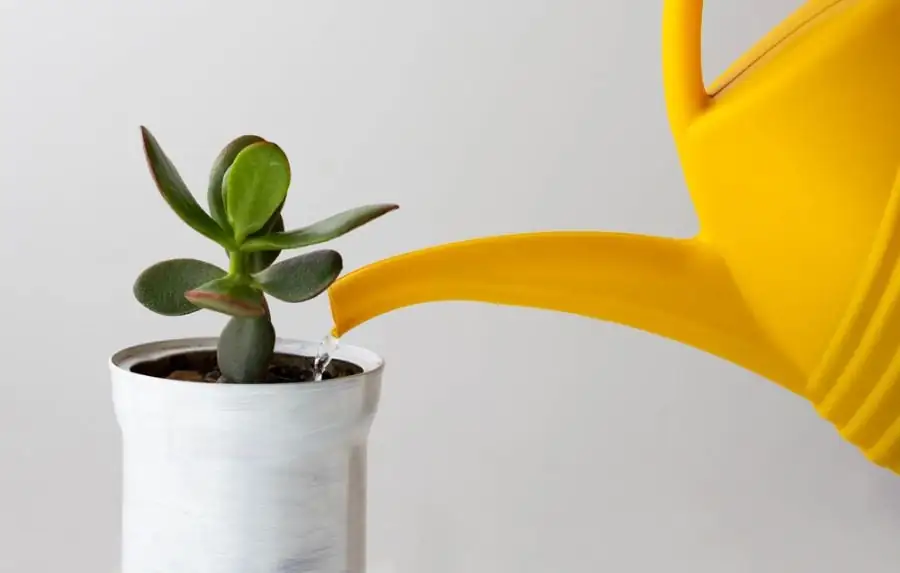
Seasonal Rhythm (The Easy Calendar)
- Spring: Growth wakes up—prune/shape, repot if needed, start light feeding, increase watering.
- Summer: Peak growth—steady soak‑and‑dry watering; an outdoor vacation in bright shade/filtered sun is fine with gradual acclimation.
- Fall: Shorter days—slow watering; stop fertilizing.
- Winter: Rest—bright light, cooler nights, very sparse watering. Blooming is most likely now if the plant is mature and you’ve kept things bright, cool, and on the dry side.
Styling and Placement Tips
- Best seats: A sunny south- or west-facing window. Bright kitchens, sunny shelves, or an office desk near that glowing pane.
- Feng shui flair: Place in the southeast wealth corner for a symbolic nudge toward prosperity.
- Design notes: A simple ceramic pot and mineral top-dressing (like gravel) accentuate the trunk and “bonsai” feel. Choose a pot with a drainage hole—always.
Quick Fix FAQ (Speed-Round)
- How often should I water? Only when the soil is completely dry. Weekly or less in spring/summer; sometimes monthly in winter.
- Why is it dropping leaves? Usually watering stress—either too much (root trouble) or extreme drought. Sudden cold can also cause drop.
- How do I get blooms? Bright light, cool nights around 13°C (55°F), reduced watering in fall/winter, and no bright lights at night so it senses short days.
- Why is it leggy? It needs more light. Move it brighter and prune back stretched stems.
Fun-to-Know Extras
- Well-kept jade plants can live for decades—genuine family-heirloom potential.
- Sun-kissed leaves can get a red edge—natural sunscreen pigments.
- A single fallen leaf can start a new plant under the right conditions.
- Indoor blossoms are uncommon—hence the “extra lucky” reputation.
Final Verdict: Which “Lucky” Plant Should You Pick?
- Choose the Jade Plant (Crassula ovata) if:
- You’ve got a bright window and love a mini-tree silhouette.
- You want drought tolerance and long-term, heirloom-grade companionship.
- You’re into feng shui prosperity vibes and low-maintenance care.
- Choose Money Tree (Pachira aquatica) if:
- You want a braided, tropical statement and prefer evenly moist care.
- Your light is bright but mostly indirect.
- Choose Chinese money plant (Pilea peperomioides) if:
- You love modern, coin-leaf minimalism and enjoy sharing plant pups.
- Choose Pothos if:
- You need a forgiving vine for lower light and easy greenery everywhere.
For a sunny office or home window where you want “lucky,” tree-like, and nearly indestructible, Jade Plant wins by knockout.


