

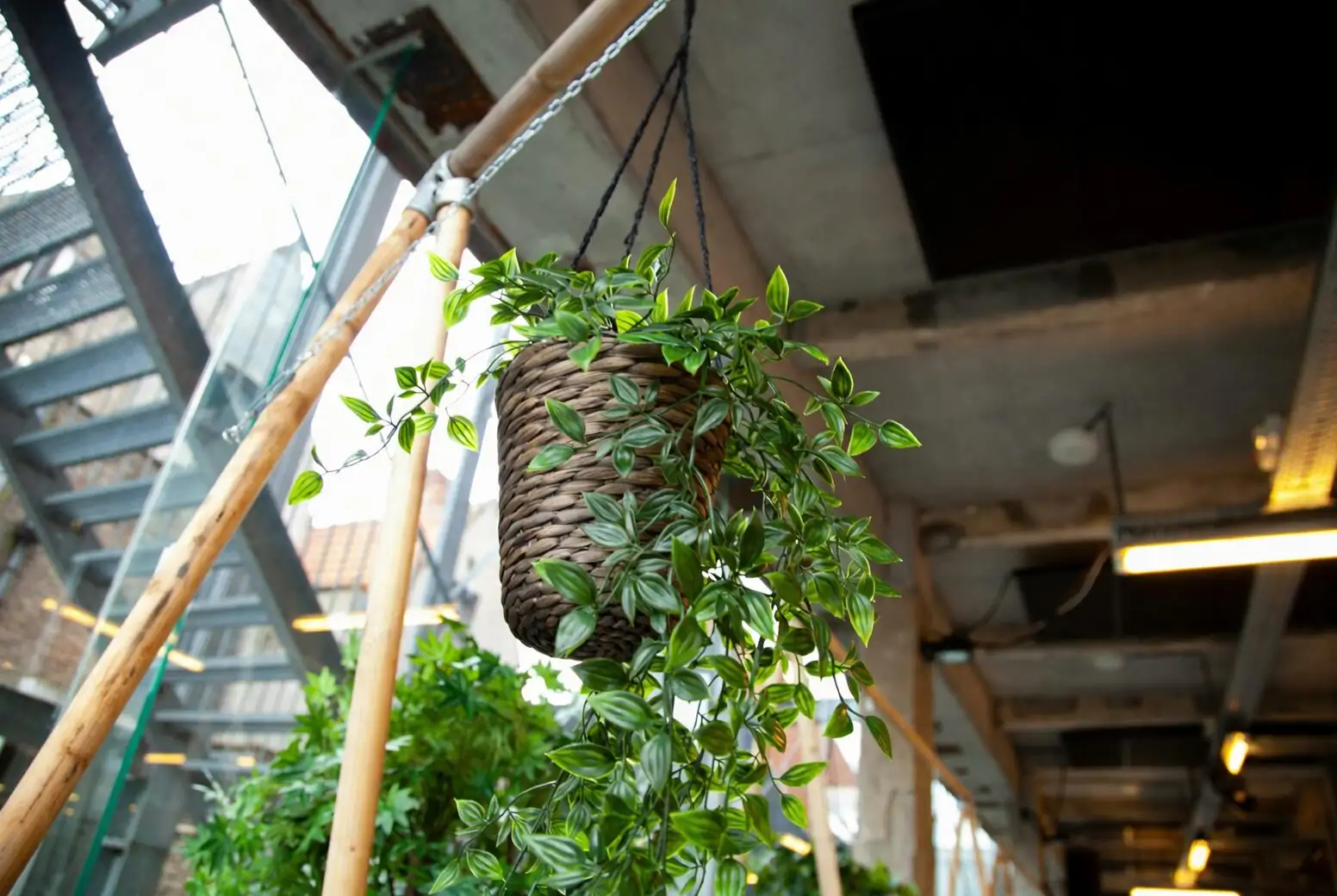
Picture a waterfall of purple and silver stripes spilling from the rim of a pot, weaving through a tapestry of ferns, nerve plants, and other foliage that crave the same bright, filtered light and evenly moist, fast-draining soil. That’s the magic of pairing Tradescantia zebrina—your star “spiller”—with roommates that share its rhythm. Here’s how to build mixed planters and hanging baskets where every plant shines, no one sulks, and the whole arrangement grows in sync.
Know your star: Tradescantia zebrina at a glance
- Light: Bright, indirect light to light shade. Gentle morning sun is fine; avoid harsh midday rays that can scorch or wash out color.
- Water: Keep the mix lightly and evenly moist spring through autumn; water when the top 2–3 cm (about 1 in) feels dry. Reduce in winter.
- Soil: Loose, fertile, fast-draining mix. A general potting mix amended with perlite or coarse sand (about 3:1) is ideal. Always use drainage holes.
- Habit and size: Trailing, quick to grow, rooting at nodes. Typically about 15 cm (6 in) tall with stems cascading 30–90 cm (12–35 in).
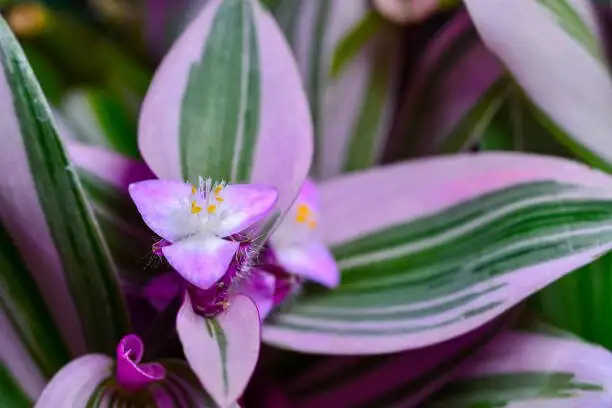
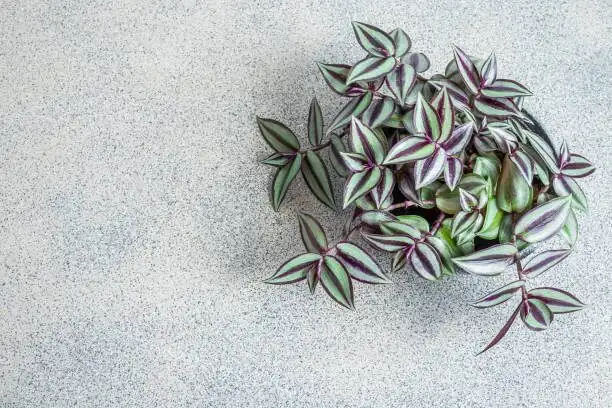
- Color cues: Silver-and-green striping up top with rich purple undersides. Low light makes it stretch and look greener; dry air can brown the tips.
- Care style: Pinch and trim often for a thick, lush cascade—it actually looks better with regular haircuts.
Why this matters: When you match companions to these preferences—bright, filtered light and a consistently moist but airy mix—watering and light stay on one schedule, and your plants stay friends.
Roommate rules: What companions need to have in common
Look for plants that:
- Enjoy bright, indirect light (east- or bright north-facing exposure; filtered south/west).
- Prefer evenly moist, well-aerated soil—never soggy, never bone-dry.
- Appreciate moderate humidity and good airflow.
- Grow well in a shared pot depth (15–20 cm / 6–8 in baskets are sweet spots).
Avoid mixing with succulents or cactus (too dry) or sun-worshippers (too bright) that will fight your Zebrina’s routine.
Companion shortlists (by role)
Upright “thrillers” to anchor the look
- Syngonium podophyllum (Arrowhead vine; compact cultivars like ‘Neon Robusta’ or ‘White Butterfly’) – Bright, indirect light, evenly moist soil, and sculptural leaves that contrast beautifully with Zebrina’s stripes.
- Spathiphyllum (Peace lily; smaller forms) – Loves bright, filtered light and consistent moisture; white blooms pop against Zebrina’s plum tones.
- Chamaedorea elegans (Parlor palm) – Fine-textured fronds soften the composition; thrives in bright, indirect light with steady moisture.
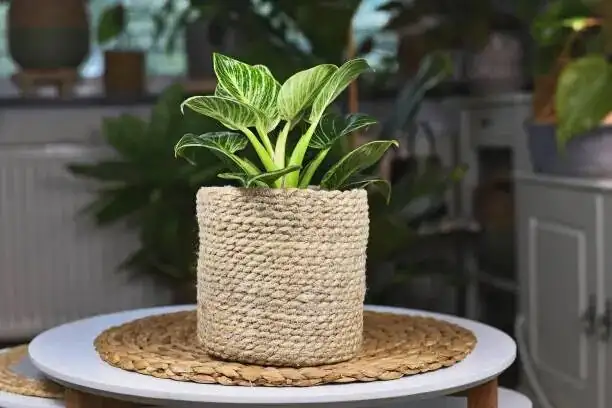
- Philodendron ‘Birkin’ – Upright, cream-striped foliage mirrors Zebrina’s silver in an elegant, architectural way.
Mounding “fillers” that knit the middle
- Fittonia albivenis (Nerve plant) – A humidity-loving, evenly moist team player; choose white or pink veining to riff on Zebrina’s silver or purple.
- Hypoestes phyllostachya (Polka dot plant) – Cheerful dots in pink/red/white echo Zebrina’s jewel tones; pinch to keep compact.
- Pilea cadierei (Aluminum plant) – Silvery splashes that repeat Zebrina’s metallic sheen, with a similar moisture preference.
- Begonia rex-cultorum (Rex begonias) – Dramatic leaves in silver, plum, and charcoal; keep the mix airy and moisture steady.
Gentle “spillers” to share the edge
- Pilea glauca (aka Pilea libanensis, “Aquamarine”) – Misty blue-gray beads trail softly beneath Zebrina’s bold stripes.
- Callisia repens ‘Pink Panther’ – Candy-pink threads play off Zebrina’s purple; likes bright, filtered light and even moisture.
- Chlorophytum comosum (Spider plant; smaller cultivars) – Arching, variegated ribbons add movement and tolerate the same watering cadence.
Tip: You can also layer another tradescantia (e.g., T. fluminensis ‘Variegata’) for a cousin-to-cousin color duet—just keep the trimmers handy so nobody takes over.
Color and texture recipes you can copy today
1) Silver-and-plum cascade (cool and refined)
- Spiller: Tradescantia zebrina
- Filler: Pilea cadierei (Aluminum plant)
- Thriller: Philodendron ‘Birkin’
- Accent: Pteris ‘Silver Lace’ fern
Why it works: Repeats silver in three textures—shimmering stripes, stippled splashes, and fern tracery—anchored by deep purple.
2) Neon sunrise (lively and bright)
- Spiller: Tradescantia zebrina
- Thriller: Syngonium ‘Neon Robusta’
- Fillers: Hypoestes (pink) + Fittonia (white-veined)
Why it works: Pink and chartreuse wake up Zebrina’s purple tones; everyone enjoys even moisture and filtered light.
3) Calm canopy (soft, airy, and restful)
- Spiller: Tradescantia zebrina
- Thriller: Chamaedorea elegans (Parlor palm)
- Filler: Fittonia ‘White Anne’
- Edge accent: Pilea glauca
Why it works: Fine textures and cool hues craft a soothing, layered mini-jungle for shelves or hanging baskets.
Spacing and layout so plants grow, not grapple
- Pot size: For a 15–20 cm (6–8 in) hanging basket, plant 3–5 young Zebrina cuttings around the rim for an instant skirt.
- Mixed planters:
- Center/back: 1 upright thriller (10–15 cm nursery pot size).
- Middle ring: 2–3 fillers spaced 5–8 cm (2–3 in) apart.
- Edge: 3–5 Zebrina cuttings or small starts to trail.
- Air gaps: Leave a finger’s width between rootballs so air and water can move; crowded crowns stay wet and invite rot.
- Zebrina placement: Always near the lip so it can spill; rotate the container monthly for even light and symmetrical growth.
The moisture-and-light playbook (for the whole arrangement)
- Watering rhythm: In active growth, water when the top 2–3 cm (about 1 in) is dry. Soak thoroughly, then let excess drain. Empty saucers.
- Mix matters: Use a breathable potting soil with added perlite or coarse sand (about 3:1). For lush, even moisture, keep the mix open—never dense or peaty-soggy.
- Light: Bright, filtered light is the sweet spot—east windows or bright north exposures are perfect. A touch of gentle morning sun is fine; shield from strong midday beams.
- Humidity and airflow: Aim for moderate humidity (around 50%+ if you can), with steady air movement. A pebble tray or group plantings can help; avoid stagnant corners.
Keeping the ensemble in sync: simple, regular maintenance
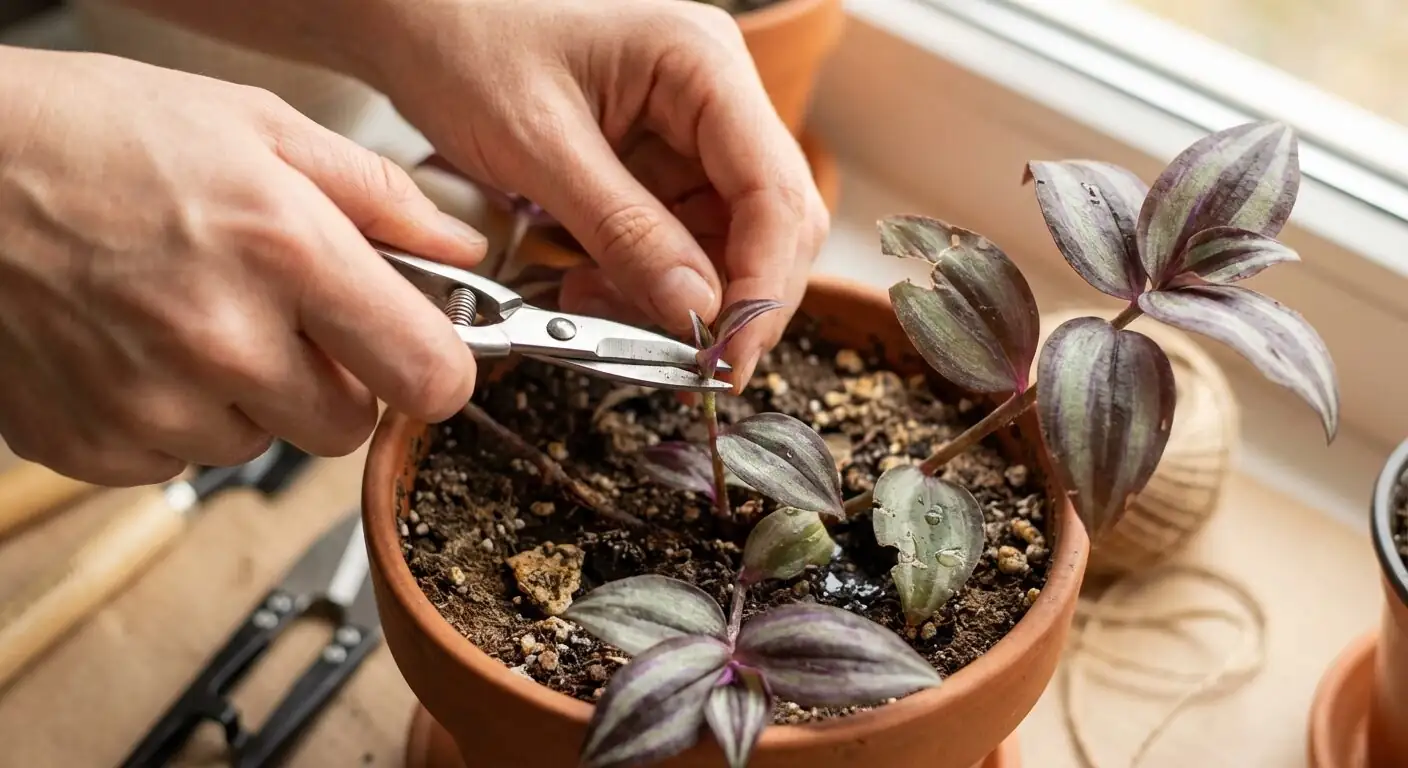
- Pinch and trim:
- Tradescantia zebrina loves a frequent pinch. Snip tips every couple of weeks to spark branching and keep the base full.
- Do light shaping on fillers like Fittonia and Hypoestes to maintain mounds.
- Refresh and re-root:
- If Zebrina gets leggy or bare at the base, cut stems back hard and re-root the best tips. Many growers “restart” the pot every 1–2 years for a plush look.
- Feeding:
- Spring through early autumn: feed a balanced liquid fertilizer either every 2 weeks at a diluted rate or about once a month at label strength. Avoid heavy nitrogen that washes out Zebrina’s color.
- Seasonal tweaks:
- Summer: keep in bright, filtered light and water as needed; support humidity with airflow.
- Winter: keep above 10°C (50°F), protect from drafts, and water sparingly—just lightly moist. If light is low, expect slower growth and less frequent watering.
- Pests and health checks:
- Watch for spider mites, mealybugs, aphids, and scale—especially in dry indoor air. Rinse foliage, then treat with insecticidal soap or horticultural oil as needed.
- Improve ventilation and keep soil fast-draining to prevent stem rot or leaf spot.
Pro moves and troubleshooting
- Color fading or stretch? Move closer to bright, indirect light. Zebrina’s silver and purple intensify with better (filtered) light.
- Crispy tips? Usually underwatering or dry air. Water thoroughly when the top inch is dry and raise humidity slightly.
- Arrangement looks tired? Mid-spring, cut back Zebrina, root fresh tips, and replant. It bounces back fast.
- Growth mismatch? If one plant races while others crawl, prune the sprinter (often Zebrina) and give laggards a touch more light.
Placement ideas that flatter the whole cast
- Hanging baskets by bright east windows: The perfect stage for trailing Zebrina with soft fillers.
- High shelves or plant ledges: Let Zebrina spill; seat upright companions behind it to frame the cascade.
- Covered porches or balconies (warm months only): Bright shade with good airflow can be glorious—avoid strong summer sun. Bring plants back in before temperatures dip near 10°C (50°F).
Safety and responsible growing
- Sap sensitivity: Zebrina’s sap can irritate skin; wear gloves if you’re prone to irritation.
- Pets and kids: If chewed, it may cause mild mouth or stomach upset. Keep out of reach.
- Outdoors in frost-free regions: It can spread and naturalize—manage clippings responsibly and never dump trimmings into natural areas.
A note on symbolism and names
Tradescantia zebrina often symbolizes resilience and adaptability—traits you’ll see firsthand as it rebounds eagerly from every trim and roots wherever a node touches moist soil. You may encounter older common names that are now widely considered offensive; many growers prefer friendlier names such as “inch plant.” Whatever you call it, its spirit is the same: an unflappable, cooperative companion that turns a pot of plants into a living, flowing tapestry.
Build your mix, match your textures, and let Zebrina lead the dance—snipped, sipped, and lit just right, your whole arrangement will stay in rhythm for seasons on end.