

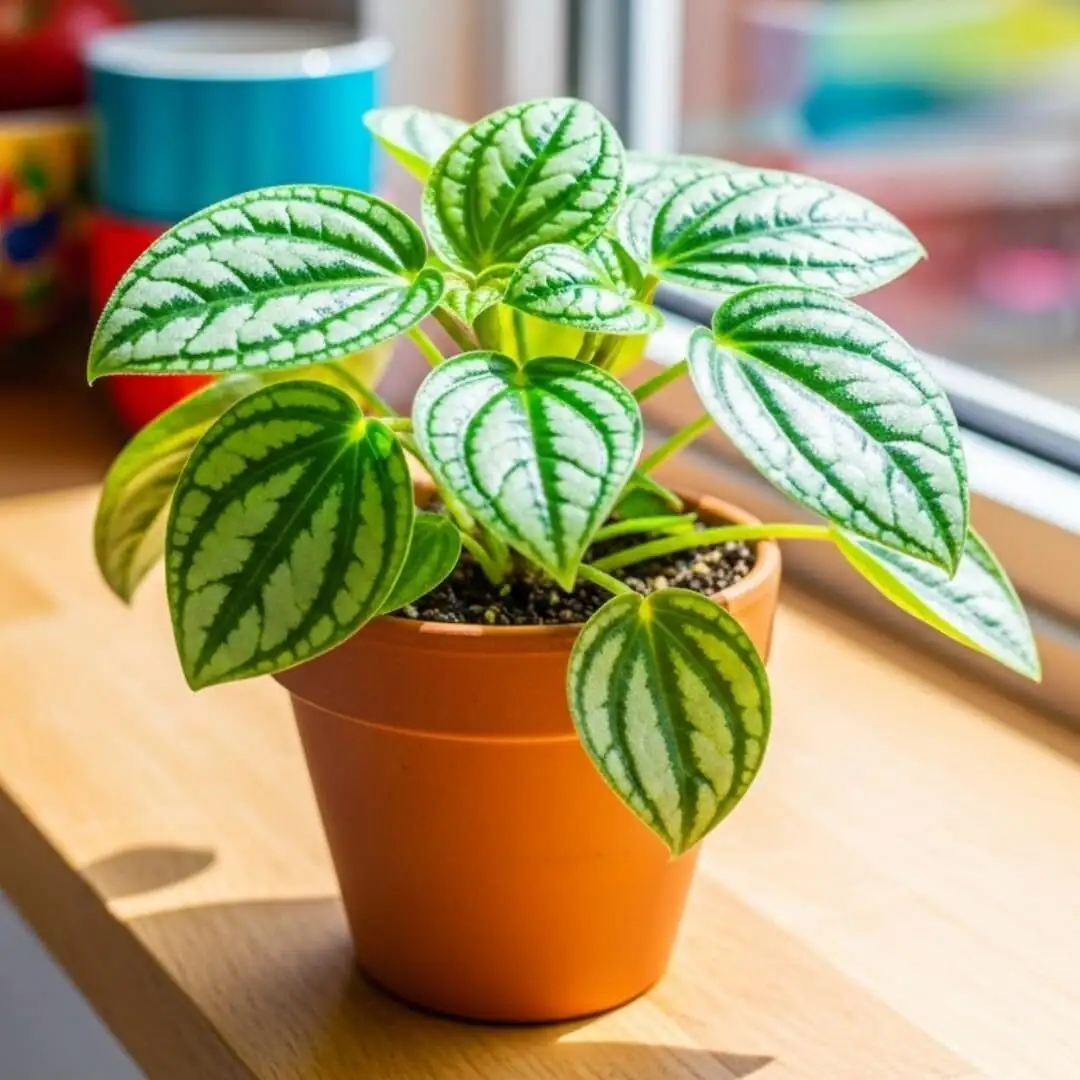
When your aluminum plant’s silver sheen starts looking a little less sparkly, you don’t need a novel—you need a quick plant clinic. Think of this as a rapid triage for Pilea cadierei: spot spider mites before they web up the show, evict mealybugs and aphids, stop leaf spot in its tracks, and reverse early root rot with better drainage and airflow. Grab your spray bottle, pruning snips, and a calm breath—we’ve got this.
Meet Pilea cadierei, briefly
- Common names: Aluminum Plant, Aluminum Pilea, Watermelon Pilea
- Look: Deep green, gently quilted leaves brushed with aluminum-silver patches
- Size and habit: Compact mound, typically 20–30 cm (8–12 in) tall and wide; branches readily if tip-pinched
- Light and climate sweet spot: Bright, indirect light; 15–25°C (59–77°F); prefers moderate humidity (roughly 40–60%+)
- Native range: Vietnam
- Grown for: Foliage (flowers are tiny and easy to miss)
Pro tip: Too little light fades the silver and makes growth leggy; too much harsh midday sun scorches and dulls the pattern.
Fast triage: What are you seeing?
- Dusty speckling, fine webbing, dry air, and maybe hot sun? Think spider mites.
- Cottony white tufts in leaf axils or sticky, shiny leaves? Mealybugs or aphids.
- Roundish spots that spread when leaves stay wet and air is still? Leaf spot.
- Yellowing, wilting despite wet soil, sour smell, or mushy roots? Early root rot.
Jump to the section that matches your symptoms—or run through them in order if your plant has a bit of everything.
Spider mites in dry air: how to spot and fix fast
Spider mites love warm, dry conditions and dusty leaves. Pilea’s textured foliage is a tempting target.
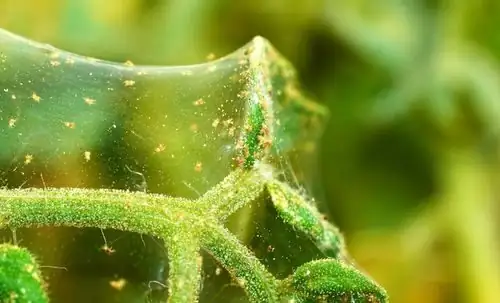
Signs
- Fine, pale stippling on leaves; silvery specks that look “sandblasted”
- Ultra-fine webbing, especially on leaf undersides and between stems
- Leaves feel dry and look dull; edges may crisp if the air is very dry
Immediate actions
- Isolate the plant.
- Rinse thoroughly with lukewarm water—focus on leaf undersides. A gentle shower or sink sprayer works.
- Increase humidity into the comfortable 40–60%+ range, but pair it with decent airflow. A small fan on low across the room helps.
Treatment
- Spray insecticidal soap or horticultural oil (including neem-formulated oils) per label directions, fully coating leaf undersides and stems.
- Repeat as the label advises (often about every 7–10 days) to catch hatchlings. Keep out of direct sun while leaves are coated.
- Wipe down dusty leaves regularly; prune heavily infested tips.
Prevention
- Avoid hot, dry drafts and harsh midday sun.
- Rinse foliage periodically; rotate the plant weekly for even light.
- Quarantine new plants before they meet the rest of your collection.
Mealybugs and aphids: sticky trouble, simple fixes
Aphids cluster on new growth, while mealybugs hide in nooks like cottony confetti. Both suck sap and leave sticky honeydew.
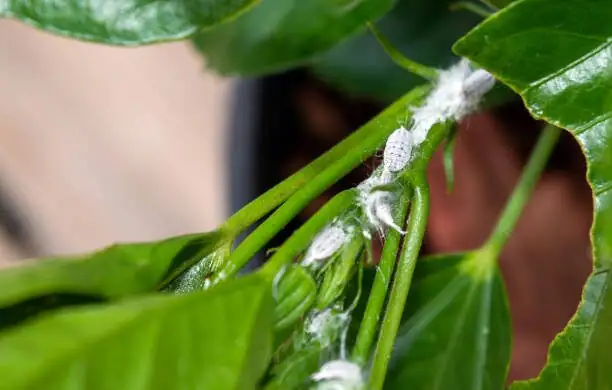
Signs
- White, cottony tufts (mealybugs) on nodes, leaf bases, roots near the soil line
- Clusters of soft-bodied insects on tender tips (aphids)
- Leaves feel sticky; sometimes a black sooty film follows the honeydew
Immediate actions
- Isolate. Snip off the worst-infested leaves/stems.
- Dab visible mealybugs with 70% isopropyl alcohol on a cotton swab to melt the waxy coating.
- Wash leaves to remove honeydew and reduce secondary sooty mold.
Treatment
- Spray insecticidal soap or horticultural oil thoroughly, including undersides and tight junctions. Reapply per label (commonly every 7–10 days) until no new pests appear.
- Keep the plant out of direct sun during and immediately after treatments.
- Refresh the top layer of potting mix if crawlers persist on the soil surface.
Prevention
- Don’t overfertilize—soft, lush growth invites sap-suckers.
- Inspect after bringing plants indoors from summer patios or after any new plant purchase.
Leaf spot: stop the spread with dryness + airflow
Leaf spot often appears when leaves stay wet and the air is still—exactly what can happen with frequent misting in cramped corners.
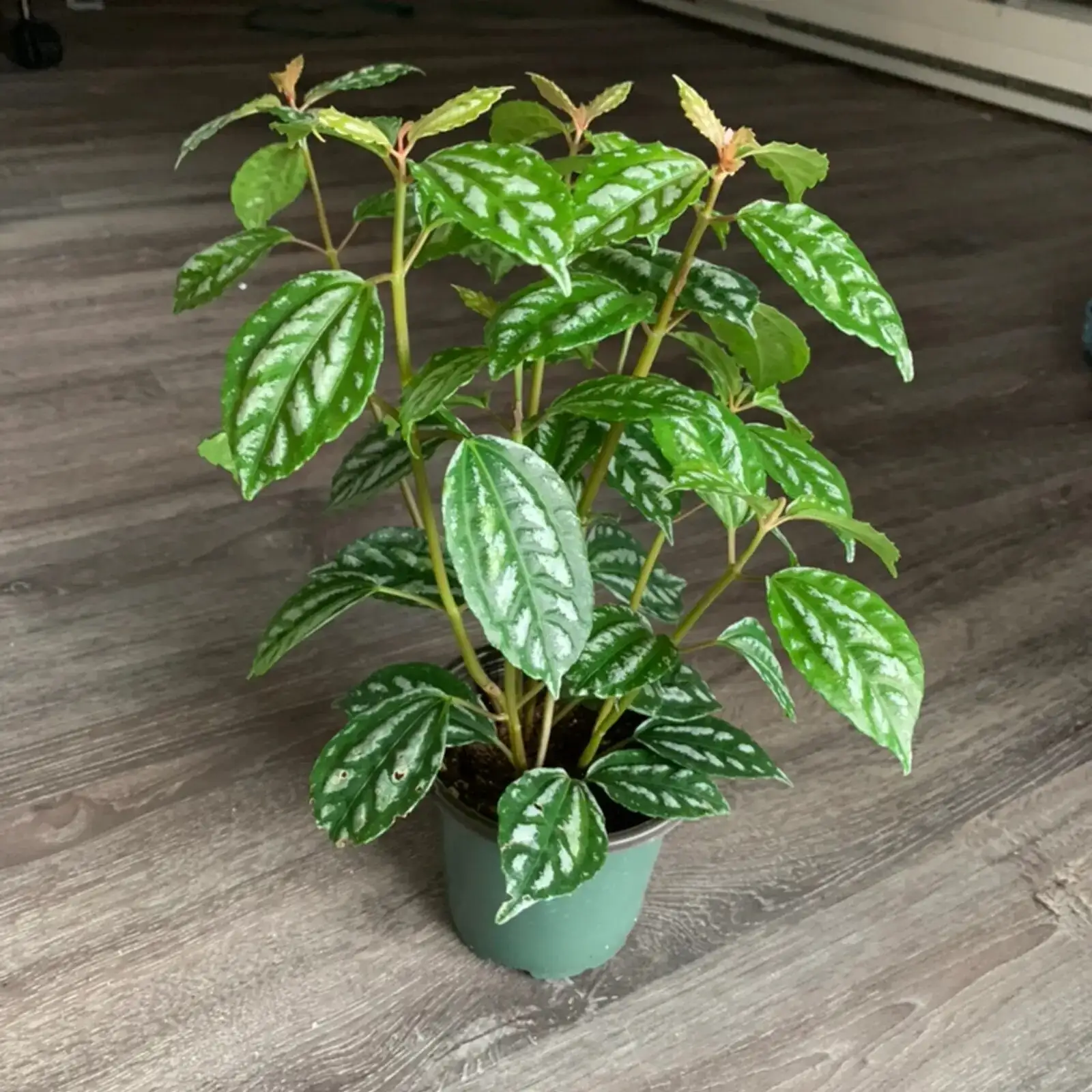
Signs
- Small water-soaked or brown spots that may expand; sometimes with yellow halos
- Spots start where water lingers (leaf tips, midribs, or crowded clusters)
- Progresses faster in low airflow, especially if humidity is high
Immediate actions
- Remove affected leaves and discard—don’t compost.
- Improve airflow. Space plants, run a gentle fan nearby, and avoid crowding.
- Water at soil level; if you mist in summer, do it early in the day and ensure leaves dry quickly.
Treatment and prevention
- Keep humidity moderate but airy—think 40–60%+ with moving air, not a stagnant cloud.
- Clean tools between cuts.
- If the problem persists, consider a labeled fungicide such as a Bordeaux-style mixture or thiophanate-methyl, following local regulations and label directions.
- Maintain good hygiene: remove littered leaves, avoid splashing soil onto foliage, and don’t let the plant sit in a damp, stagnant corner.
Early root rot: rescue protocol that actually works
Overwatering and heavy, airless potting mix are the classic culprits. The aluminum plant prefers “evenly moist, not wet.”
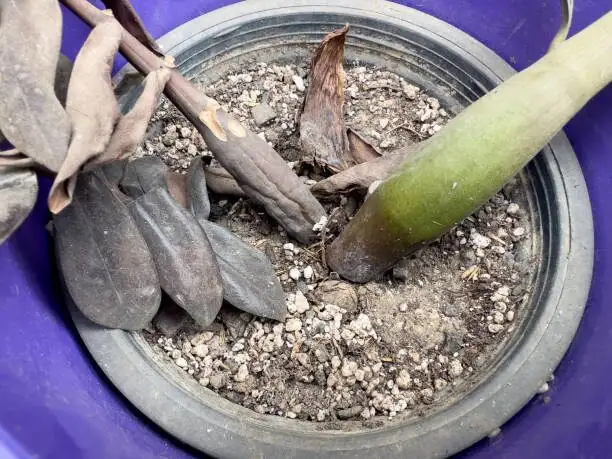
Early warning signs
- Lower leaves yellow; the plant may wilt even though the soil is wet
- Potting mix smells sour; roots look brown/black and feel mushy
- Dark, wet-looking potting zones that never quite dry
Step-by-step rescue
- Unpot gently and inspect. Healthy roots are pale to light tan and firm.
- Trim away all mushy, dark roots with sanitized scissors.
- Repot into a loose, airy, well-draining mix—try about 2 parts peat-based houseplant mix to 1 part perlite. Avoid heavy, waterlogged media.
- Choose a pot with drainage holes and avoid upsizing unless the plant is truly rootbound. Step up only one pot size if needed.
- Replant, then water lightly to settle the medium. Thereafter, water thoroughly only when the top 1–2 cm (0.4–0.8 in) just begins to dry. Always empty the saucer.
- Increase airflow around the pot and keep the plant in bright, indirect light at 18–22°C (64–72°F) while it rebounds.
Insurance policy: Take a few 5–12 cm (2–4.7 in) tip cuttings and root them in water or a moist, airy mix. Pilea cadierei roots quickly—often in about a week—so you can back up the mother plant while it recovers.
Prevention habits that keep aluminum plants crisp and pest-resistant
- Light: Bright, indirect light; soften strong south/west sun with a sheer curtain. Too little light = faded silver, brown tips, and stretch; too much harsh sun = scorch.
- Watering rhythm: Evenly moist in spring–early fall; water more sparingly in winter, letting the surface dry a bit more.
- Humidity with airflow: Aim for 40–60%+. Pebble trays, grouping plants, and occasional summer misting help—just balance with airflow to discourage leaf spot.
- Airy soil and drainage: Use a peat-based mix with perlite (roughly 2:1). Never let the pot sit in water.
- Pinching and spacing: Tip-pinch regularly to keep a dense, breezy mound that dries quickly after watering or misting.
- Clean foliage: Rinse dust to deter mites and improve photosynthesis.
- Quarantine newcomers: Inspect new or outdoor-returning plants before they join the collection.
- Temperature care: Best at 15–25°C (59–77°F). Protect from drafts; below 8–10°C (46–50°F) trouble starts, and near 5°C (41°F) leaves may yellow and drop rapidly.
Note for warm, frost-free climates: Outdoors in deep shade to filtered light, Pilea cadierei can be a glossy, low groundcover. Keep an eye out for local garden pests (some regions report occasional scarab beetle nibbling).
Quick reference: care basics at a glance
- Light: Bright, indirect; east or north windows are great, or a few feet back from bright south/west light.
- Water: Thorough soak when the top 1–2 cm dry (spring–fall). Scale back in winter.
- Soil: Loose, well-draining; about 2 parts potting mix to 1 part perlite.
- Humidity: Moderate to high with airflow.
- Feeding: Lightly during active growth—either a balanced liquid every 2 weeks at label or half-strength, or a gentler diluted feed about every 2 months from May–August. Reduce or pause in winter.
- Pruning/repotting: Pinch for bushiness; repot in spring when rootbound, stepping up only one pot size.
Safety note and propagation backup
- Safety: Treat as potentially mildly toxic if chewed or swallowed. Keep out of reach of curious pets and kids.
- Propagation: Tip cuttings root fast in water or an airy medium at 18–22°C (64–72°F). Divide established clumps when repotting to refresh and multiply.
A little meaning behind the metallic shimmer
Gardeners often link aluminum plant with freshness and vitality—the crisp green-andsilver contrast reads as instant energy in a shady corner. There isn’t an ancient “flower language” for this foliage-first species, but its reflective patches naturally symbolize lightness and lift—like turning a dim shelf into a brighter, more optimistic nook.
—
With quick identification, gentle but thorough treatments, and a focus on airflow plus drainage, Pilea cadierei bounces back beautifully. Keep the silver sparkling, the soil airy, and the leaves moving in a soft breeze, and this compact charmer will keep its bright, lively presence right where you want it.