

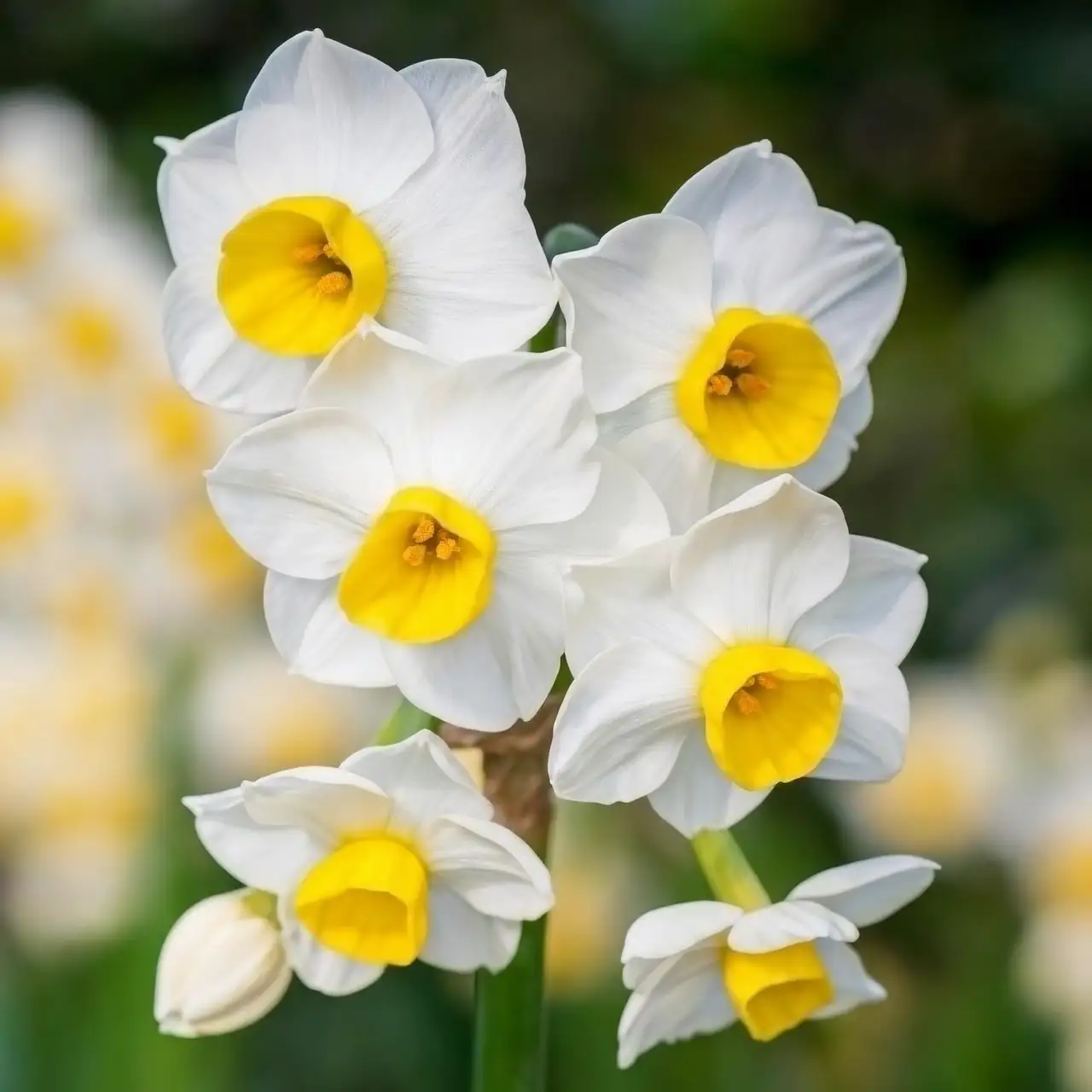
Fragrant, early, and wonderfully forgiving in mild climates, Narcissus tazetta is the daffodil that turns winter sun into little constellations of bloom. In Zones 8–10 it’s not just “the paperwhite you force indoors”—it’s a stalwart outdoor bulb that thrives on bright light, perfect drainage, and a bone‑dry nap in summer. Here’s how to site it, space it, and style it into a Mediterranean‑style bulb tapestry alongside freesias, muscari, and species tulips.
Know your plant: Narcissus tazetta in the Mediterranean mood
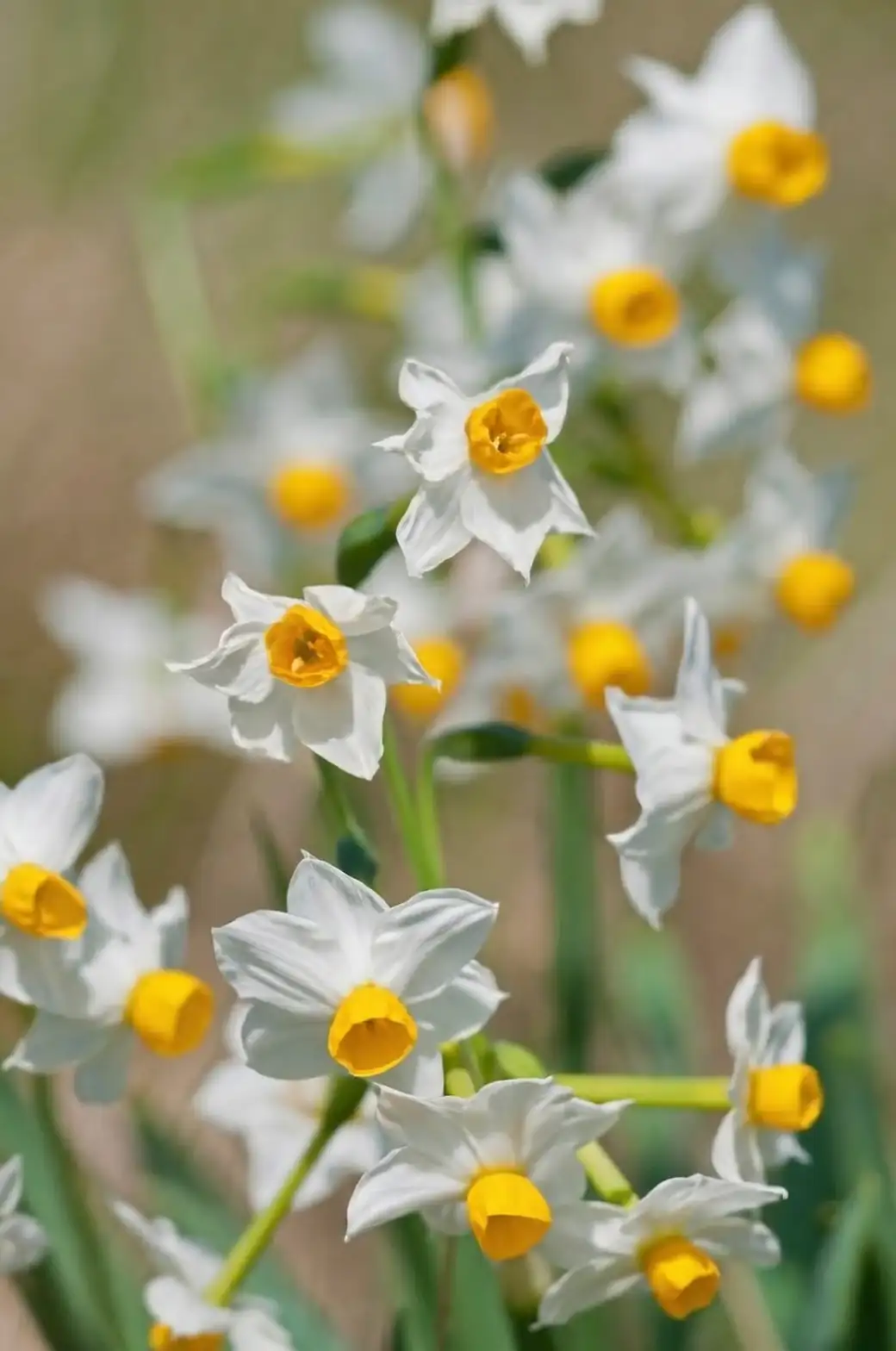
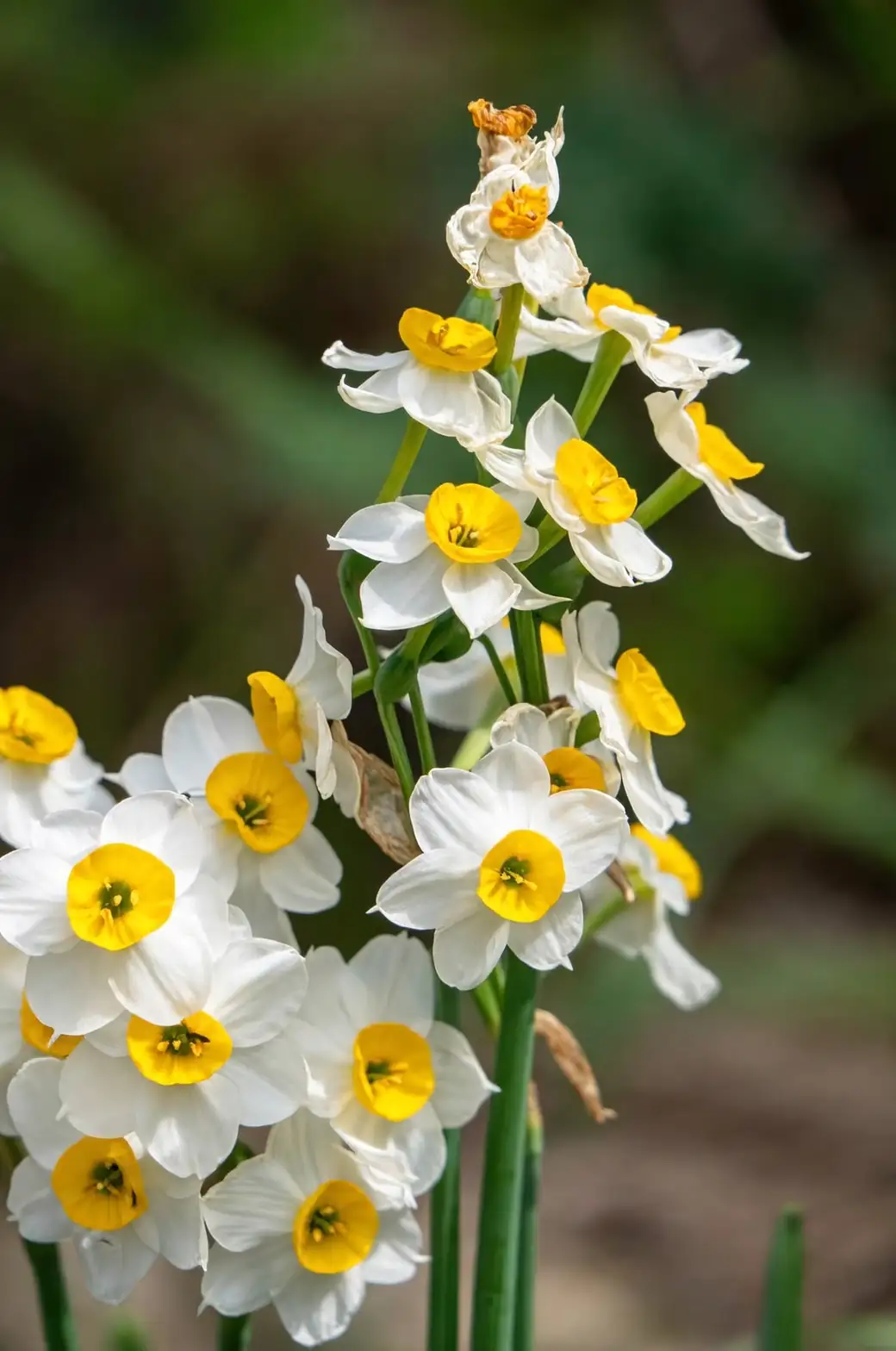
- What it is: A clump‑forming, bulbous perennial (Amaryllidaceae) with narrow, strap‑shaped leaves and clusters of sweetly fragrant, starry blossoms, often white with a small cup.
- Seasonality: Active in cool weather, blooming winter to early spring; then slips into summer dormancy.
- Best climates: Most reliable outdoors in mild regions roughly USDA Zones 8–10 (sometimes 11), with protection from hard freezes.
- Why gardeners love it: Powerful fragrance, deer resistance, and an easy rhythm—grow hard in winter, rest dry in summer.
The right site in Zones 8–10
Sun and shelter
- Give full winter sun or bright light; partial shade is fine once trees leaf out.
- Protect from hard freezes—many forms are damaged below about 23°F (-5°C). Near a warm wall, under high overhangs, or with quick frost cover on rare cold snaps is ideal.
Drainage first (second, and third)
Narcissus tazetta loves winter moisture but hates stagnation.
- Choose a slope, raised bed, berm, or sandy/gravelly ground.
- In heavier soils, blend in 30–50% coarse grit, pumice, or horticultural sand to create a crisp, free‑draining root zone.
- Avoid low spots and the “splash zone” of irrigation heads. Roof eaves with winter sun + summer dryness are gold.
Soil recipe that bulbs appreciate
- Texture: Free‑draining and airy; loam or sandy loam amended with sharp mineral grit.
- Chemistry: Neutral to slightly acidic is fine.
- Top dressing: A thin mineral mulch (grit, decomposed granite) keeps crowns dry and weeds down without trapping summer moisture.
Planting depth and spacing for clumps
- When to plant: Autumn, as soils cool.
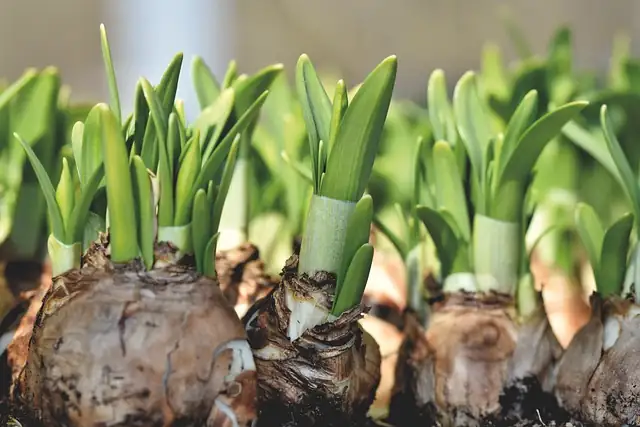
- Depth: Position bulbs so the tip sits about 2–3 bulb‑heights below the soil surface.
- Spacing: 4–6 inches (10–15 cm) apart in loose drifts. For instant impact, set 5–12 bulbs in informal clusters rather than rows.
- Room to grow: Expect clumps to widen slowly via offsets (typical spread 4–8 inches/10–20 cm over time). Plan a little elbow room so they don’t crowd out in a couple of seasons.
Watering rhythm: cool‑season growth, summer dry rest
Autumn to bloom
- Keep the soil evenly moist but never waterlogged during active growth. In Mediterranean climates, winter rain usually suffices; add a light soak only if there’s a prolonged dry spell.
After bloom: recharge, then “off switch”
- Deadhead spent flowers but keep leaves in bright light until they yellow naturally (often 6–8 weeks). That green foliage is your next season’s bloom factory.
- Lightly feed during this post‑bloom window (see below), then taper irrigation as leaves fade.
Summer: drought by design
- Once foliage dies back, keep bulbs dry. In irrigated landscapes:
- Plant in pockets on separate drip zones you can shut off June–September.
- Tuck bulbs into dry beds, rock gardens, or under eaves where sprinklers don’t reach.
- Use mineral mulches that don’t hold summer moisture.
Feeding, grooming, and division
- Feeding: For long‑term vigor outdoors, apply a light, balanced bulb fertilizer or a modest compost top‑dress as shoots emerge, and again right after flowering while leaves are green. Avoid high nitrogen, which makes leaves at the expense of future blooms.
- Grooming: Snip spent flower clusters; never cut or braid green foliage—let it yellow naturally.
- Division: Every 4–5 years (or when blooms dwindle), lift and divide clumps in dry dormancy. Replant offsets; smaller ones may take a couple of years to flower.
Designing a Mediterranean‑style bulb tapestry
Companion palette that thrives on winter rain and summer rest
- Freesias (Freesia spp.): Spicy, sweet fragrance; arching sprays that echo tazetta’s perfume.
- Muscari (Muscari armeniacum and kin): Cobalt brushes that carpet between larger clumps.
- Species tulips (e.g., Tulipa clusiana, T. saxatilis): Dainty, drought‑savvy, perennial in sharp drainage.
- Also handsome: Anemone coronaria, Ixia, Sparaxis, and low thyme or Dianthus mats for evergreen texture.
All of these appreciate excellent drainage and a summer‑dry pause—perfect partners for tazettas.
Layered tapestry tactics
- By height:
- Front: Muscari rivers weaving through the planting.
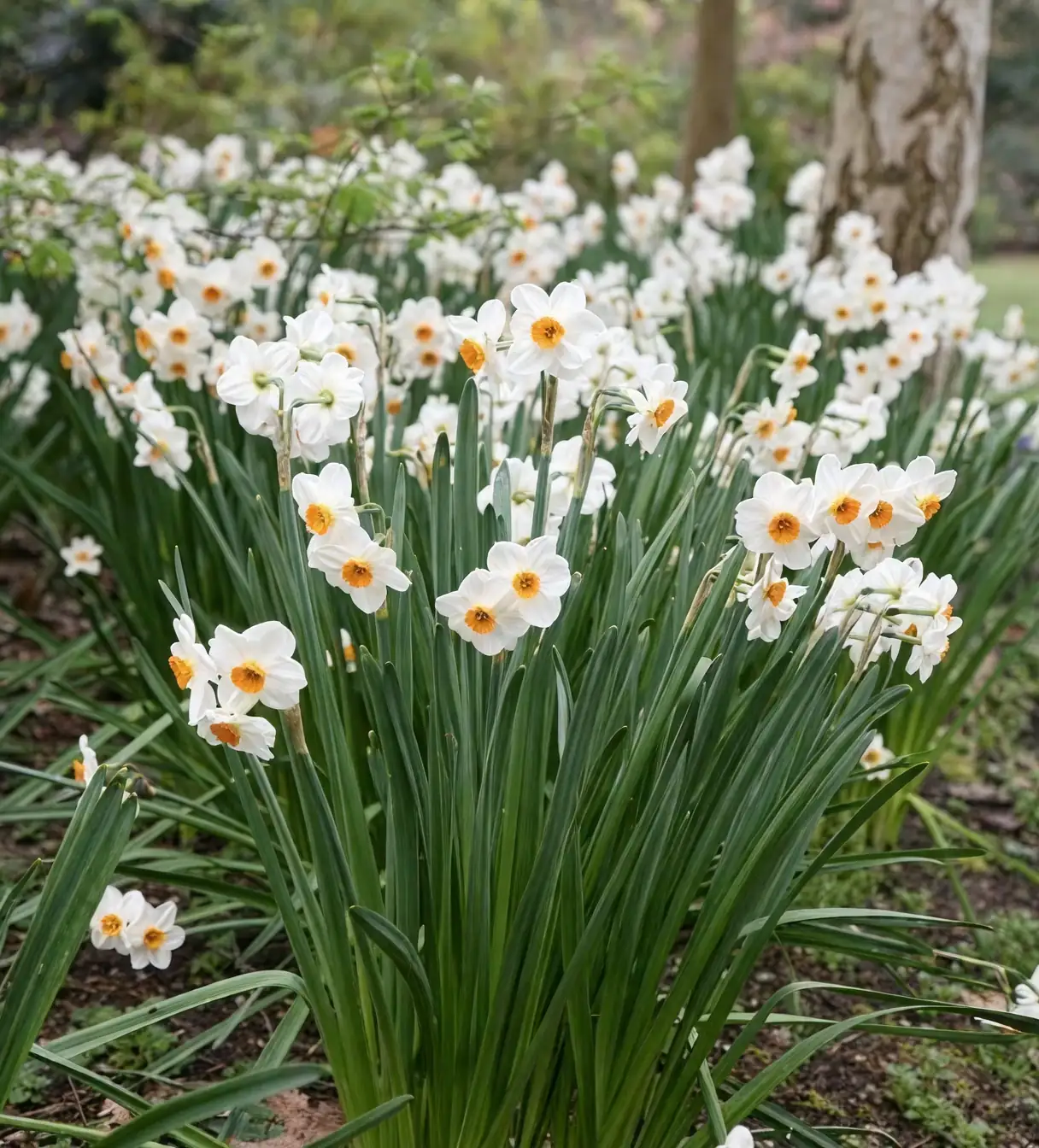
- Mid: Narcissus tazetta clumps in informal drifts.
- Punctuations: Slender species tulips rising in pockets; freesias arcing through sunny seams.
- By timing:
- Early: Narcissus tazetta kicks off late winter.
- Mid: Freesias and species tulips extend color into spring.
- Late: Muscari bridges the seasons and neaten the fade.
- By color and scent:
- Classic calm: White tazettas + Freesia alba + T. clusiana ‘Lady Jane’ + blue muscari.
- Citrus glow: Cream‑white tazettas with yellow‑throated cups + lemony freesias + soft pink T. saxatilis.
- Plant in clusters of odd numbers (5–13) and repeat them loosely for a naturalized, painterly effect.
Troubleshooting in mild climates
- Tall, floppy stems: Usually warmth plus low light. Choose the brightest winter sun you can offer; avoid reflected heat. In containers, keep them cool.
- Leaves, no flowers: Bulbs too small/young, overly shaded, or overcrowded. Let foliage fully die back each year and divide congested clumps in dormancy.
- Rot and collapse: Almost always poor drainage or warm, stagnant moisture. Improve drainage, refresh congested sites, and keep summer bone‑dry.
- Pests and diseases: Start with clean, firm bulbs. Watch for bulb flies, mites, and nematodes; remove any decaying tissue promptly and keep airflow up.
- Wildlife and safety: Deer tend to leave them alone. All parts are toxic (especially bulbs); keep away from pets and children, and wash sap off skin if irritated.
Cut‑flower savvy
- Harvest stems when buds show color but haven’t fully opened for longer vase life.
- Daffodil sap can shorten the life of other flowers—condition narcissus stems separately in water before combining in mixed arrangements.
Quick calendar for Zones 8–10
- Autumn: Plant bulbs in bright, well‑drained sites.
- Winter: Keep evenly moist; bright light prevents flop.
- Late winter–spring: Bloom. Deadhead; feed lightly while leaves are green.
- Late spring: Reduce water as foliage yellows; cease irrigation once fully dormant.
- Summer: Keep dry; divide and replant clumps if needed.
Culture and symbolism (a thoughtful note)
Narcissus has long symbolized renewal and fresh starts—apt for a flower that arrives as winter loosens its grip. In East Asia, this 水仙 is a cherished winter and Lunar New Year plant, celebrated for bringing luck and prosperity to the home. Western stories tie narcissus to the myth of Narcissus and self‑reflection; over time, white forms picked up associations with purity, yellow with joy and friendship. Whether you lean into myth, festival tradition, or simply the promise of another spring, tazettas deliver meaning you can smell—sweet, bright, and unmistakably hopeful.


