
If you love a flower that works as hard as it wows, French marigold (Tagetes patula) is your tireless little powerhouse. Compact, spicy-scented, and determined to bloom from early summer to frost, it’s the kind of plant that makes beds, pots, and borders look buttoned‑up with zero fuss. Today, we’re staging a friendly face‑off among standout cultivars and series—pitting height classes, bloom forms, color patterns, and branching habits against your garden goals. And yes, we’ll spotlight award darlings like ‘Naughty Marietta’ and ‘Super Hero Spry’ to help you choose like a pro.
Meet Tagetes patula at a glance

- Habit: Compact, bushy annual; often lightly self-seeds if you let a few blooms set seed.
- Size: Typically 15–30 cm (6–12 in) tall and about 15–20 cm (6–8 in) wide.
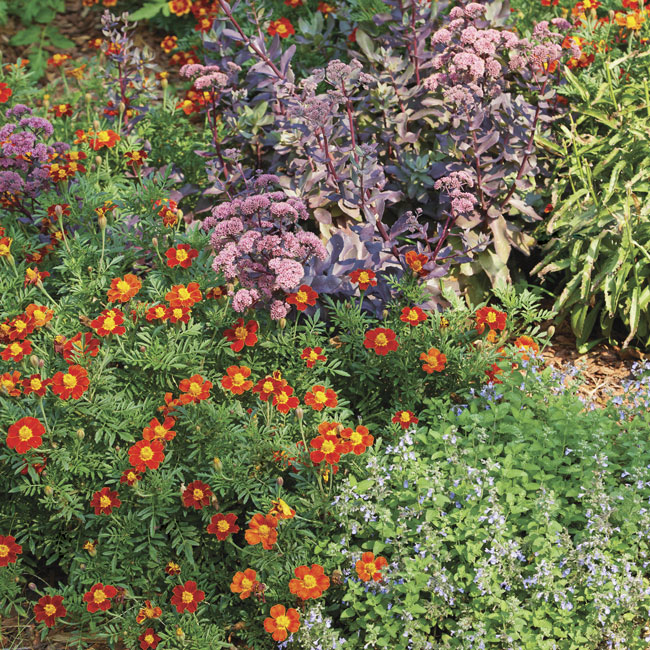
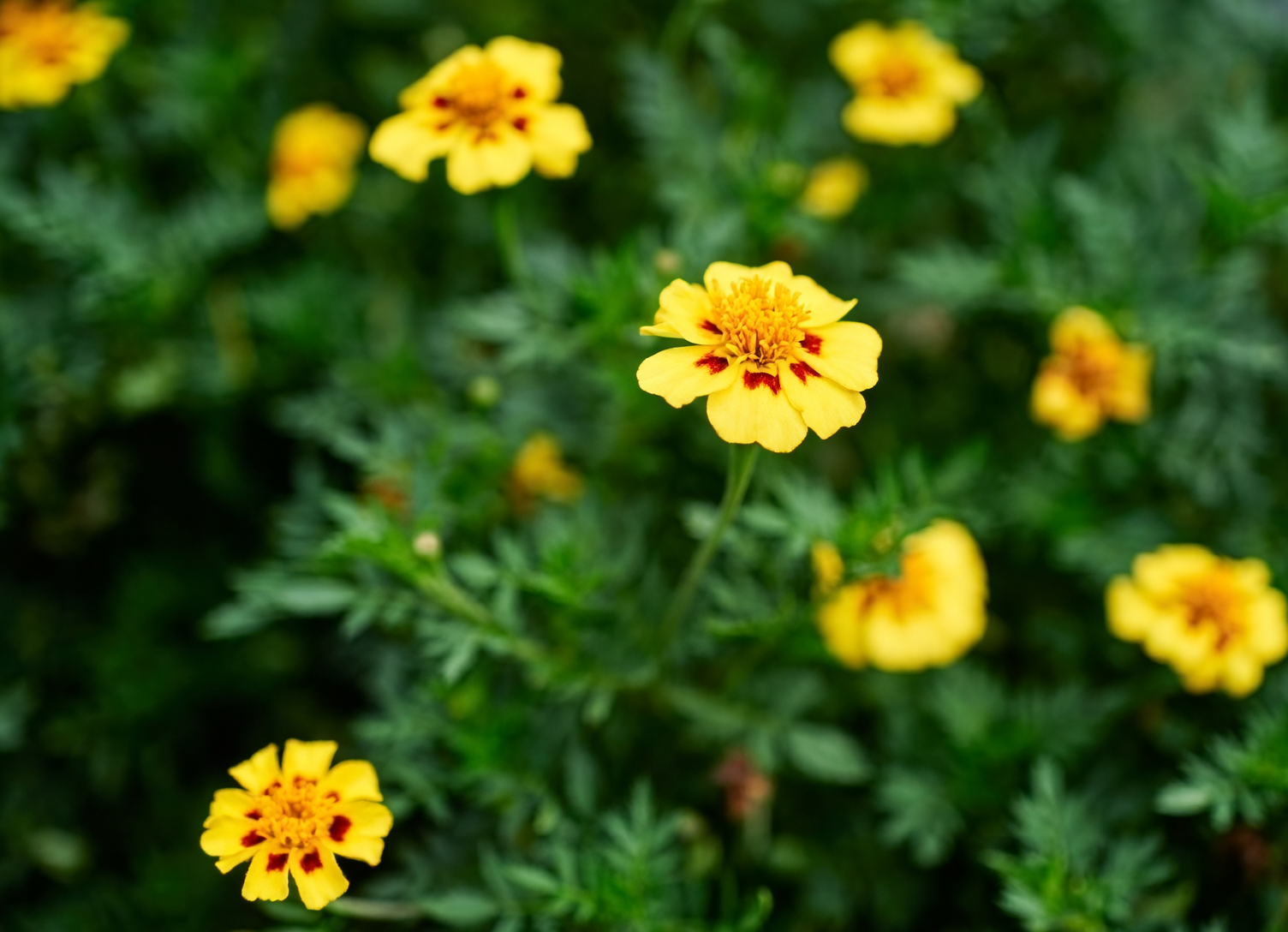
- Flowers: 2.5–7.5 cm (1–3 in) across; singles through crested doubles in glowing yellow, orange, red, and bicolors. Many singles flaunt a golden face with a central maroon blotch.
- Season: Early summer through autumn, often right to first frost (may pause in peak heat, then rebound).
- Foliage: Ferny, bright green, with that classic spicy-aromatic marigold scent.
- Easy factor: Exceptionally forgiving—perfect for beginners, kids, and anyone who loves color with minimal effort.
The face‑off: choose your champion
Height classes: where will your marigolds live?
- Dwarf dynamos (neat and tidy—ideal for pots and tight edging)
- Series to know: Janie, Little Hero, Boy O’ Boy
- Why pick them: Stay small and formal without pinching; tidy domes for rims of containers and razor‑clean path edgings.
- Compact standards (the do‑everything middle—front borders, bedding, big containers)
- Series to know: Bonanza, Durango, Safari, Super Hero, Hero
- Why pick them: Fill space quickly with excellent flower cover; bold enough for “color blocks” in beds and borders.
Tip: For a polished look, repeat a single height class along a line (edging or path), and mix heights in layered borders.
Bloom form showdowns
- Singles (clean, daisy-like, great from a distance)
- Examples: Disco series (singles), ‘Naughty Marietta’, ‘Super Hero Spry’
- Best for: Strong pattern contrast and pollinator appeal; read beautifully across a border.
- Crested/doubles (frilly, ruffled, and richly textured)
- Examples: Bonanza, Durango, Safari, Janie
- Best for: Plush, saturated color blocks and high flower count per plant.
- Anemone/carnation-like (quirky center puffs with petals around)
- Example: Aurora series
- Best for: Texture lovers and mixed plantings that prize variety.
Color patterns: solids vs. show‑off bicolors
- Solids in gold, orange, or deep red
- Series: Safari and Bonanza offer strong solid tones.
- Vibe: Classic, bold, cohesive—particularly effective en masse.
- Bicolors (the crowd‑pleasers)
- ‘Naughty Marietta’ (AAS 1947): Golden-yellow singles with a rich maroon blotch—sunny, graphic, and timeless.
- ‘Super Hero Spry’ (AAS 2018): Single blooms with a velvety mahogany base and golden edges—crisp, modern contrast on a compact, uniform plant.
- Durango ‘Bolero’: Bright yellow petals with red blotches; compact, well‑branched plants bearing loads of 5–6.5 cm (2–2.5 in) blooms.
Designer tip: Use bicolors where you want eye‑catching punctuation (entrances, path turns, focal pots), and solids for big sweeps of color.
Branching and performance: who fills out fastest?
- Super Hero series: Exceptionally uniform, tidy mounds with abundant basal branching—little to no pinching needed.
- Durango series: Compact, well‑branched plants that flower early and steadily.
- Bonanza series: Strong branching and large crested blooms for an outsized show on compact plants.
Translation for your garden: More basal branching = more buds at once, fuller plants, and a longer, brighter display.
Award standouts you can bank on
- ‘Naughty Marietta’ (All-America Selections, 1947)
- Why it wins: That signature golden face with a maroon blotch on single blooms is instantly legible in the landscape. Cheerful, classic, and brilliantly reliable for beds, borders, and cottagey edges.
- ‘Super Hero Spry’ (All-America Selections, 2018)
- Why it wins: Tight habit, uniform branching, and a striking mahogany‑with‑gold edge pattern. Plants typically sit comfortably in the compact class—perfect for front borders and containers without flopping.
Use‑case picks: beds, pots, and borders
Sunny beds and color blocks
- Go‑to series: Bonanza, Durango, Safari
- Star cultivars: Durango ‘Bolero’ for animated bicolors; a solid‑color Safari (Gold, Orange, or Red) for bold carpets.
- Why: Compact but assertive; excellent branching and flower cover. Ideal for repeating drifts.
- Planting rhythm: Space plants about 25–30 cm (10–12 in) apart for fast fill and airflow.
Containers and small-space pots
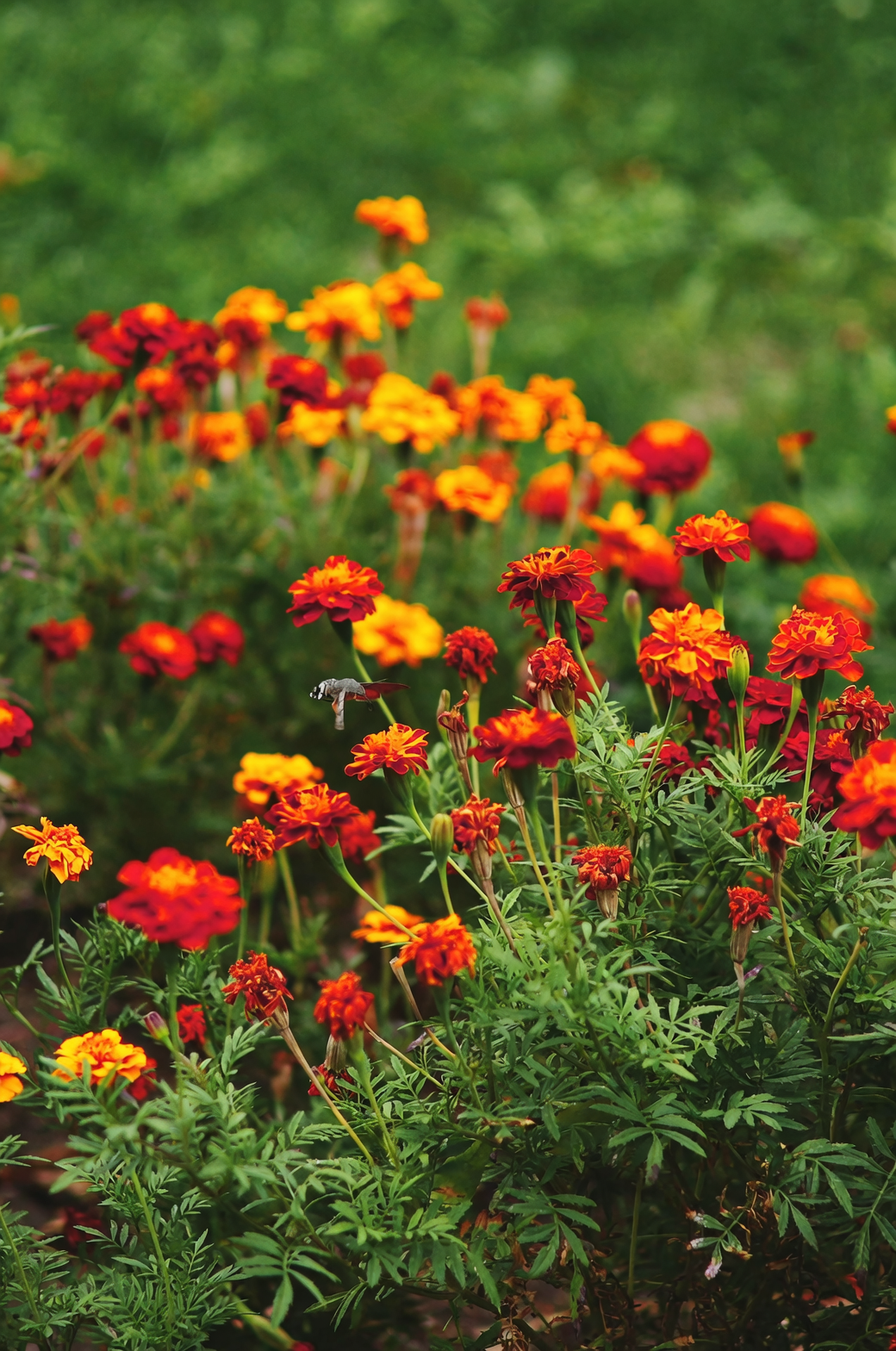
- Go‑to series: Janie, Little Hero, Super Hero
- Star cultivars: ‘Super Hero Spry’ for punchy contrast in a single 30 cm (12 in) pot; Janie for edging mixed planters.
- Why: Compact stature stays proportional in pots; uniform mounds read as “finished” early.
- Pro tip: In hot spells, container marigolds may need water twice weekly; water the soil, not the leaves.
Borders and path edgings
- Go‑to series/cultivars: ‘Naughty Marietta’, Disco singles, Janie
- Why: Singles make patterns pop at a glance; dwarfs keep the line crisp along paving or beds.
- Design note: Repeat the same cultivar every 30–45 cm (12–18 in) for a clean, formal line.
Veg gardens and companions
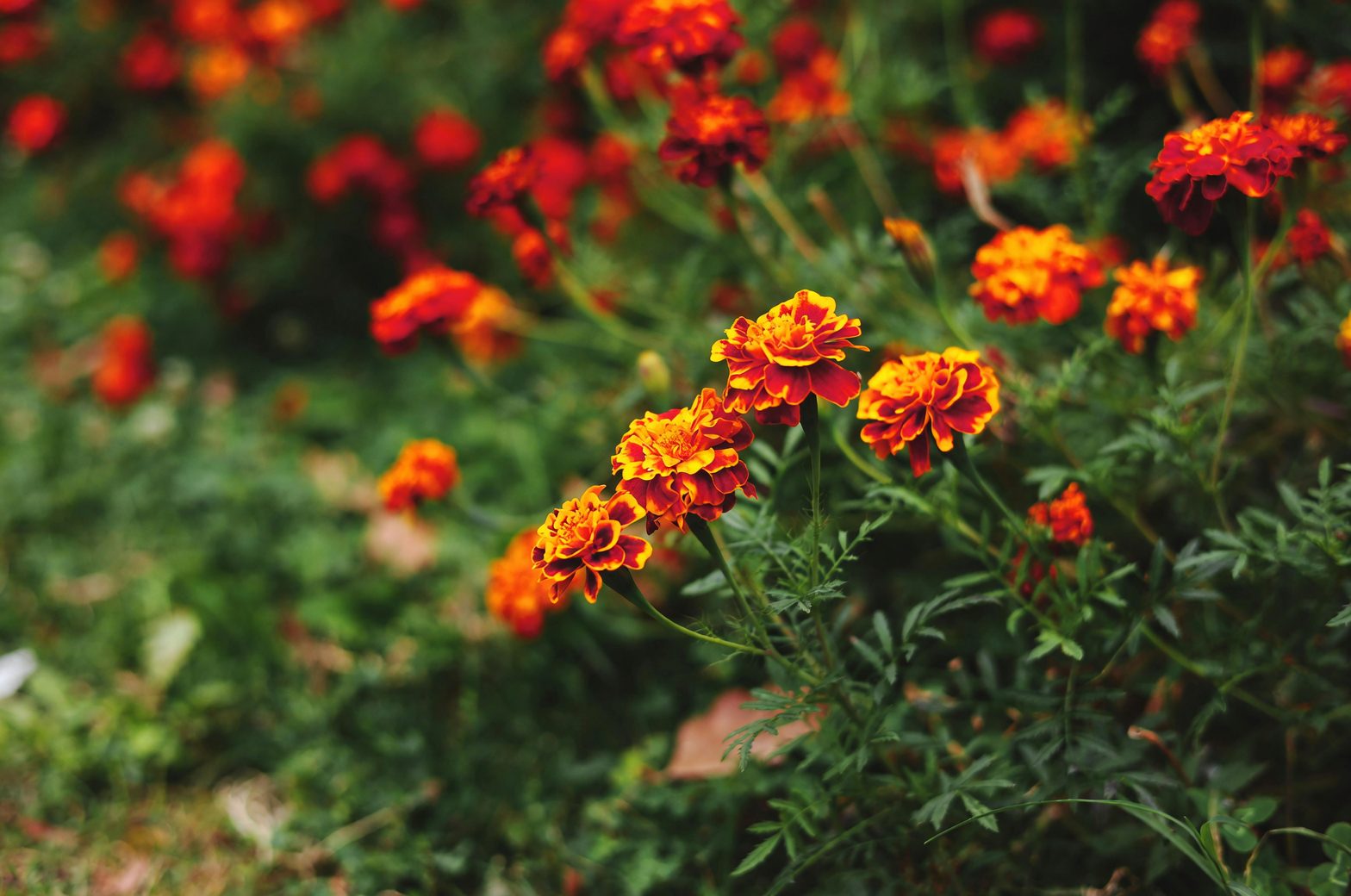
- Any compact French marigold works
- Why: Their spicy foliage scent helps deter rabbits and deer, roots can help suppress root‑knot nematodes, and the constant bloom lures beneficial insects. A classic partner for tomatoes and herbs.
Quick planting and care cheatsheet
- Sun: Full sun is best; in very hot climates, a touch of afternoon shade is welcome.
- Soil: Well‑drained; moderately fertile is fine. Avoid soggy conditions.
- Water: Water in well at planting. Once established, let the top of the soil dry, then water thoroughly. Keep container moisture more consistent.
- Feeding: Light feeders. Mix in a balanced fertilizer at planting for containers or poor soils; avoid excess nitrogen (it drives leaves over flowers).
- Pinching and grooming: Pinch tips early to encourage branching (many modern series don’t require it). Deadhead to keep blooms coming. If leggy, trim stems back above a leaf set—no more than one‑third at a time.
- Spacing: About 25–30 cm (10–12 in) between plants for good airflow and fewer fungal issues.
- Pests and problems: Watch for spider mites and thrips in hot, dry spells. Space well and water at soil level to dodge leaf spots and mildews. Good drainage prevents root rot.
Flower language and cultural notes
French marigolds are often linked with warmth, devoted affection, and steadfast love—probably thanks to their sun‑colored palette and unwavering bloom. Yet in some traditions they also nod to grief or bittersweet memory, a reminder that bright blooms can mark both joy and remembrance. Their roots are in Mexico and Central America, and marigolds famously feature in Mexican Day of the Dead observances, where their color and scent are believed to guide and honor loved ones. The “French” in their common name reflects European horticultural popularity, not origin—proof that plants, like stories, travel widely.
Series cheat‑sheet (shop smarter)
- Singles: Disco; award‑ready singles include ‘Naughty Marietta’ and ‘Super Hero Spry’.
- Crested/doubles: Bonanza, Durango, Safari, Janie
- Dwarf edging stars: Janie, Little Hero, Boy O’ Boy
- Compact bedding workhorses: Bonanza, Durango, Safari, Super Hero, Hero
- Quirky forms: Aurora (anemone‑like)
Fast decisions: pick your perfect French marigold
- Want the bicolor classic that glows from across the yard? Choose ‘Naughty Marietta’.
- Prefer a crisp, modern bicolor on a tight, uniform plant? Choose ‘Super Hero Spry’.
- Need early, abundant doubles for bold bedding? Choose Durango (try ‘Bolero’).
- Planting a long, formal path edge? Choose Janie or Little Hero.
- Filling a big pot with no flop? Choose Super Hero or compact Bonanza.
Whichever you choose, Tagetes patula delivers that unbeatable trio—color, fragrance, and endurance—turning sunlit spaces into season‑long confetti. Plant them once, deadhead a little, and enjoy the show until frost.