

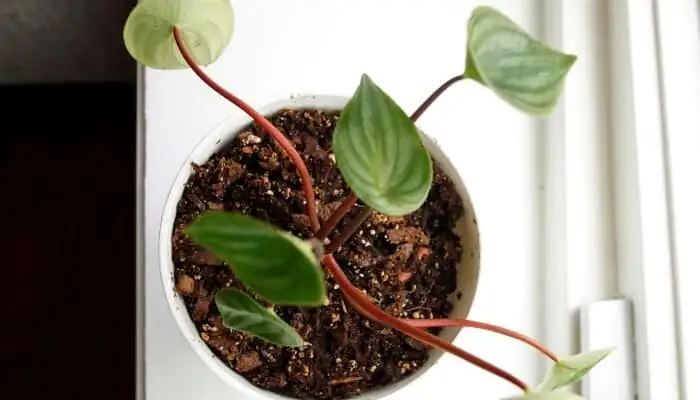
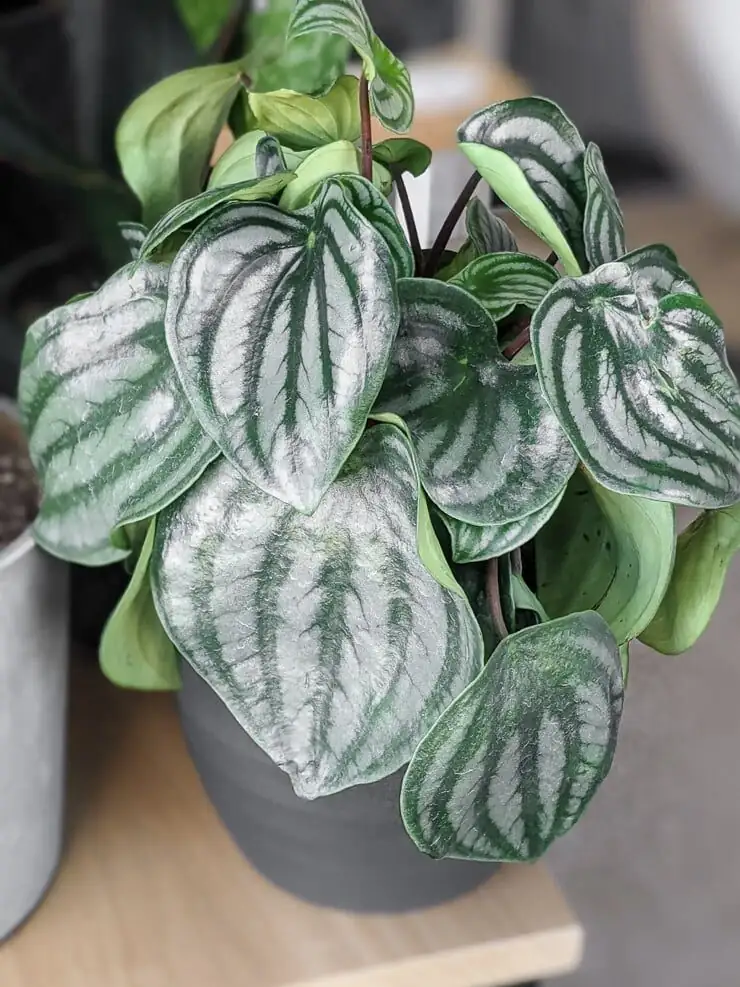
If your Watermelon Peperomia (Peperomia argyreia) looks a little less “crisp salad” and a little more “mystery wilt,” you’re not alone. This compact, desk‑friendly plant thrives on bright, indirect light and a fast‑draining mix—but it’s also a magnet for four common indoor pests (mealybugs, spider mites, scale, and whitefly) and can sulk fast in soggy soil. Here’s your practical, step‑by‑step troubleshooting manual—diagnose by symptom, treat safely with soap or oil, sharpen your airflow/Isolation game, and dial in soil and watering to shut down root rot.
H2: First, lock in the baseline (so fixes actually stick)
- Light: Bright, indirect light or part shade. Keep out of harsh sun (especially near hot glass in summer); in winter, go brighter but still avoid strong midday rays.
- Temperature: 15–24°C (59–75°F) is the sweet spot. Avoid cold drafts. Stress rises above ~30°C (86°F) and below ~13°C (55°F); don’t dip under 10°C (50°F).
- Humidity: Moderate is fine; if the air is very dry, use a pebble tray or brief, light misting. Prioritize gentle airflow to deter pests.
- Soil & pot: Loose, fast‑draining houseplant mix (peat/coco) amended with perlite and/or coarse sand in a pot with drainage. Never waterlogged.
- Watering rhythm: Water thoroughly, then let the top portion dry. Spring–autumn: roughly weekly, depending on light/heat. Winter: less often (about every 2 weeks). Soggy = yellowing and rot; bone‑dry too often = droop and dull leaves.
H2: Symptom-to-culprit cheat sheet
- Fine stippling, dulling, or bronzing leaves; delicate webbing under leaves: Spider mites.
- White, cottony tufts in leaf nooks or along petioles; sticky residue (honeydew): Mealybugs.
- Flat, brown/tan “shields” stuck to stems/leaf undersides; sticky honeydew and sooty mold: Scale insects.
- Tiny white moth-like bugs flutter up when you bump the plant; sticky honeydew; yellowing leaves: Whitefly.
- Yellowing, soft, droopy leaves; potting mix smells sour; black/mushy roots at inspection: Root rot.
- Concentric translucent-to-brown rings with distortion/stunting: Ringspot-like issue—remove affected leaves, improve airflow, and isolate. If it spreads, consider disposing of the plant (no cure for true viral ring spot).
H2: The quarantine-and-clean routine (start here for any infestation)
1) Isolate: Move the plant away from others for 3–4 weeks. Wash hands/tools after handling.
2) Rinse and remove: Take the plant to a sink/shower and gently spray leaf undersides and petioles to dislodge pests. Tip the rosette afterward so water doesn’t sit in the crown.
3) Prune: Remove badly infested leaves and any weak, crowded growth to improve airflow.
4) Clean surfaces: Wipe leaves with a damp, soft cloth to remove dust and honeydew that attract sooty mold.
5) Set up gentle airflow: A small fan on low nearby (not blasting the plant) makes life harder for pests.
H2: Safe treatments that work (soap and oil playbook)
General rules
- Treat out of direct sun and not during heat spikes (>30°C/86°F).
- Coat all leaf surfaces, especially undersides and petiole bases.
- Test on one leaf first; if no burn in 24–48 hours, proceed.
- Repeat every 7 days for 3–4 cycles to catch hatching eggs.
- Options:
- Insecticidal soap: Great on soft-bodied pests (mites, mealybugs, young scale, whitefly). Follow label.
- Horticultural oil (including neem): Smothers pests and eggs. Follow label. Avoid combining concentrated products.
H3: Mealybugs (the “cotton” clusters)
- Symptoms: White, cottony masses in nooks; sticky honeydew; leaves may wilt.
- Targeted steps:
- Dab visible mealybugs with a cotton swab dipped in isopropyl alcohol, focusing only on the insects (test first; don’t flood leaves).
- Follow with insecticidal soap or horticultural oil, reaching deep into crevices.
- Check weekly; they hide at leaf bases and along red petioles.
H3: Spider mites (the stealth stipplers)
- Symptoms: Speckled/stippled leaves, fine webbing under leaves, overall dulling. Thrive in warm, dry, still air.
- Targeted steps:
- Rinse undersides thoroughly to knock populations back; tip out excess water from the crown.
- Use insecticidal soap or horticultural oil; repeat weekly.
- Slightly increase humidity (pebble tray) and keep gentle airflow. Avoid stagnant, overly wet air.
H3: Scale insects (the armored clingers)
- Symptoms: Hard, flat discs stuck to stems/undersides; sticky honeydew; sooty mold.
- Targeted steps:
- Gently lift adults off with a fingernail or cotton swab.
- Treat the crawler stage with insecticidal soap or horticultural oil, with meticulous underside coverage.
- Repeat weekly and re-check along petioles and the midrib.
H3: Whitefly (the tiny white flutters)
- Symptoms: Small white moth-like adults fly up when disturbed; honeydew and yellowing may follow.
- Targeted steps:
- Yellow sticky traps at foliage height to catch adults.
- Vacuum adults in the cool morning (gentle setting), then spray with insecticidal soap or horticultural oil.
- Repeat weekly; persist 3–4 cycles to break the lifecycle.
H2: Root-rot prevention and rescue
Prevention essentials
- Mix and pot: Use a fast-draining houseplant mix (peat/coco) with perlite and/or coarse sand in a pot with drainage. Avoid oversized pots; this plant likes being slightly pot-bound.
- Watering rhythm: Soak thoroughly, then let the top portion dry. Never let the plant sit in water. In winter, water sparingly.
- Airflow: Gentle movement helps the surface dry evenly and discourages fungus.
Quick diagnostics
- Early: Leaves lose sheen, dull or mildly yellow; plant feels heavy between waterings.
- Advanced: Yellowing with droop, mushy bases, sour-smelling mix, black/mushy roots.
Rescue protocol
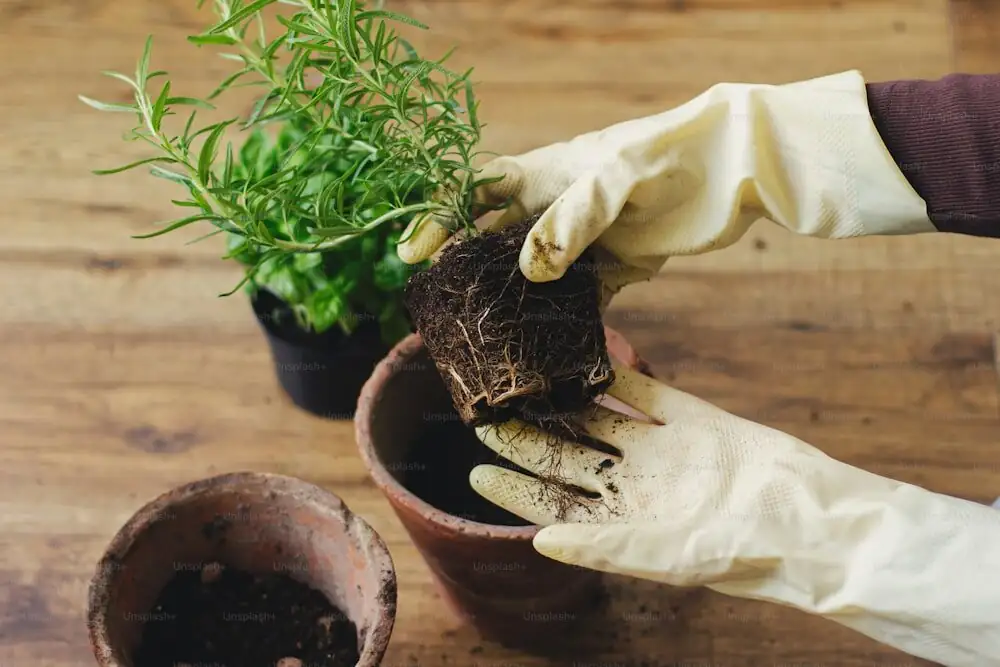
1) Unpot and assess: Rinse roots to see what’s healthy (firm, pale) versus rotten (black, mushy).
2) Prune: Sterilize scissors; remove all rotten tissue back to firm, clean roots.
3) Refresh: Repot into fresh, sterile, airy mix. Move up only one pot size if repotting.
4) Reset care: Water lightly to settle, then allow the top layer to dry before the next watering. Keep in bright, indirect light with gentle airflow.
5) Hold fertilizer: Pause feeding until you see new, steady growth.
H2: Airflow, spacing, and isolation that actually help
- Spacing: Give 15–20 cm (6–8 in) clearance from neighbors to reduce pest bridges and improve drying.
- Fan: Run a small fan on low nearby for a few hours daily; aim for leaf flutter, not a wind tunnel.
- Isolation: Any new plant—and any plant under treatment—gets 3–4 weeks apart from the collection.
- Clean routine: Wipe leaves monthly to keep pores clear and spot pests early.
H2: Soil strategy that keeps Watermelon Peperomia happy
- Recipe idea: Quality peat/coco houseplant mix + 25–40% perlite and/or a bit of coarse sand.
- Pot choice: Always drainage. Avoid heavy, oversized containers that hold moisture.
- Refresh cycle: Top-dress or refresh mix annually; full repot every 2–3 years or when roots truly fill the pot.
H2: Aftercare timeline (so you know what “better” looks like)
- Week 1–2: Pests decline; less fluttering/webbing/cotton. No new honeydew. Soil dries more predictably after the repot/airflow tweaks.
- Week 3–4: New leaves emerge plump, with crisp silver-green striping. Old damage may remain, but no expansion of spots or pests.
- Ongoing: Rotate the pot a half-turn weekly for even growth. Keep light bright‑indirect, water only when the top has dried, and do a quick underside‑of‑leaf check during your watering round.
H2: Quick FAQs you’ll actually use
- Why are leaves yellow and leaf stalks drooping? Most often overwatering, poor airflow, too much direct sun, or cold drafts. Let the top mix dry before watering, improve airflow, and keep to bright‑indirect light.
- Leaves curling or drooping but not yellow? Often underwatering or very dry air. Water thoroughly, drain well, and add a pebble tray if your air is extremely dry (keep air moving gently).
- Can it handle low light? It tolerates it, but growth slows and the watermelon striping fades. Aim for bright, indirect light for the boldest pattern.
H2: Safety note
Watermelon Peperomia is generally considered non‑toxic to cats, dogs, and people. Still, discourage chewing—any plant nibble can cause mild stomach upset.
H2: A small note on “flower language”
This plant’s modern symbolism leans playful and fresh—likely inspired by those cheerful, watermelon‑striped leaves. There isn’t a deep folklore tradition here; think contemporary charm more than ancient meaning.
H2: Your simple, sustainable routine
- Bright‑indirect light; protect from harsh sun.
- Water thoroughly, then let the top dry; even lighter in winter.
- Keep mix fast‑draining and the pot modestly sized.
- Scout weekly: flip leaves, check petiole bases.
- At first pest sign: isolate, rinse, soap/oil, repeat weekly x3–4, keep airflow gentle.
- Avoid cold drafts; keep within 15–24°C (59–75°F).
Do these consistently, and your Peperomia argyreia will go back to gleaming like a perfect little watermelon rind—no sticky leaves, no webby surprises, and roots that stay firm and happy.