

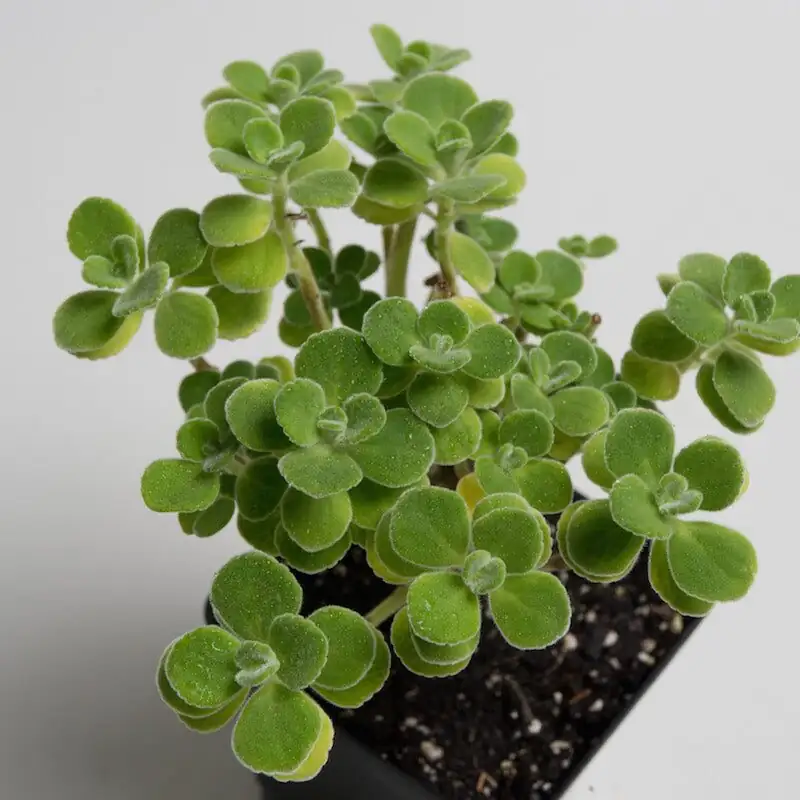
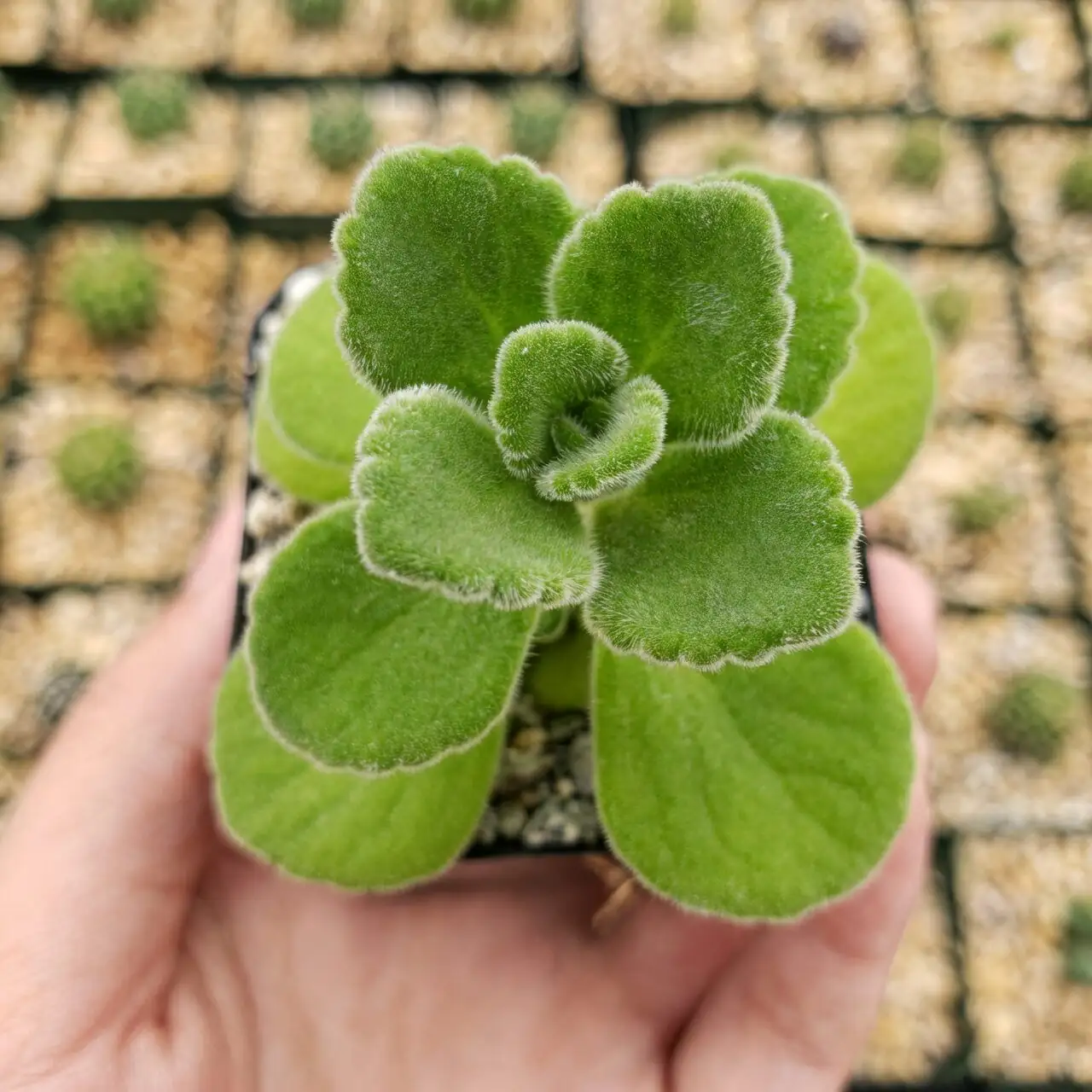
Soft, velvety, and minty-fresh, the Vicks plant (Plectranthus hadiensis var. tomentosus) is a joy on a sunny sill—until it suddenly sulks. When your fuzzy friend starts wilting, yellowing, or looking “off,” is it drowning from overwatering…or crawling with pests? Here’s a practical, fast-action diagnostic to separate rot from mealybugs/aphids/spider mites—plus fixes for airflow, dry-down timing, and prevention so you can get it back to fragrant, perky glory.
The 60‑Second Triage: Rot or Pests?
Use your senses and a few quick checks.
- Touch the potting mix
- Soggy or smells sour? Think overwatering/rot.
- Surface dry, but plant still droops? It may have dry pockets inside (uneven watering) or pests.
- Squeeze a lower stem near the soil line
- Mushy, blackened, or collapses = rot.
- Firm but leaves are distorted, sticky, or stippled = more likely pests.
- Look closely at leaves and nodes (use your phone’s macro mode)
- Cottony tufts in leaf joints or on stems = mealybugs.
- Clusters of soft green/black insects on tender tips = aphids.
- Fine webbing, pin‑prick stippling, or bronzing on undersides = spider mites.
- Tap test for mites
- Hold a sheet of white paper under a stem and tap; moving pepper-like specks that smear green/red = spider mites.
- Check for honeydew (sticky shine on leaves/desk)
- Common with aphids and mealybugs. Rot doesn’t make leaves sticky.
If you’re still unsure, slide the root ball halfway out of the pot: tan/white, wiry roots smell fresh = okay; brown/black, mushy roots with a sour smell = rot.
The 5‑Minute Exam: What Each Problem Really Looks Like
Overwatering and Rot (the Vicks plant’s arch‑nemesis)
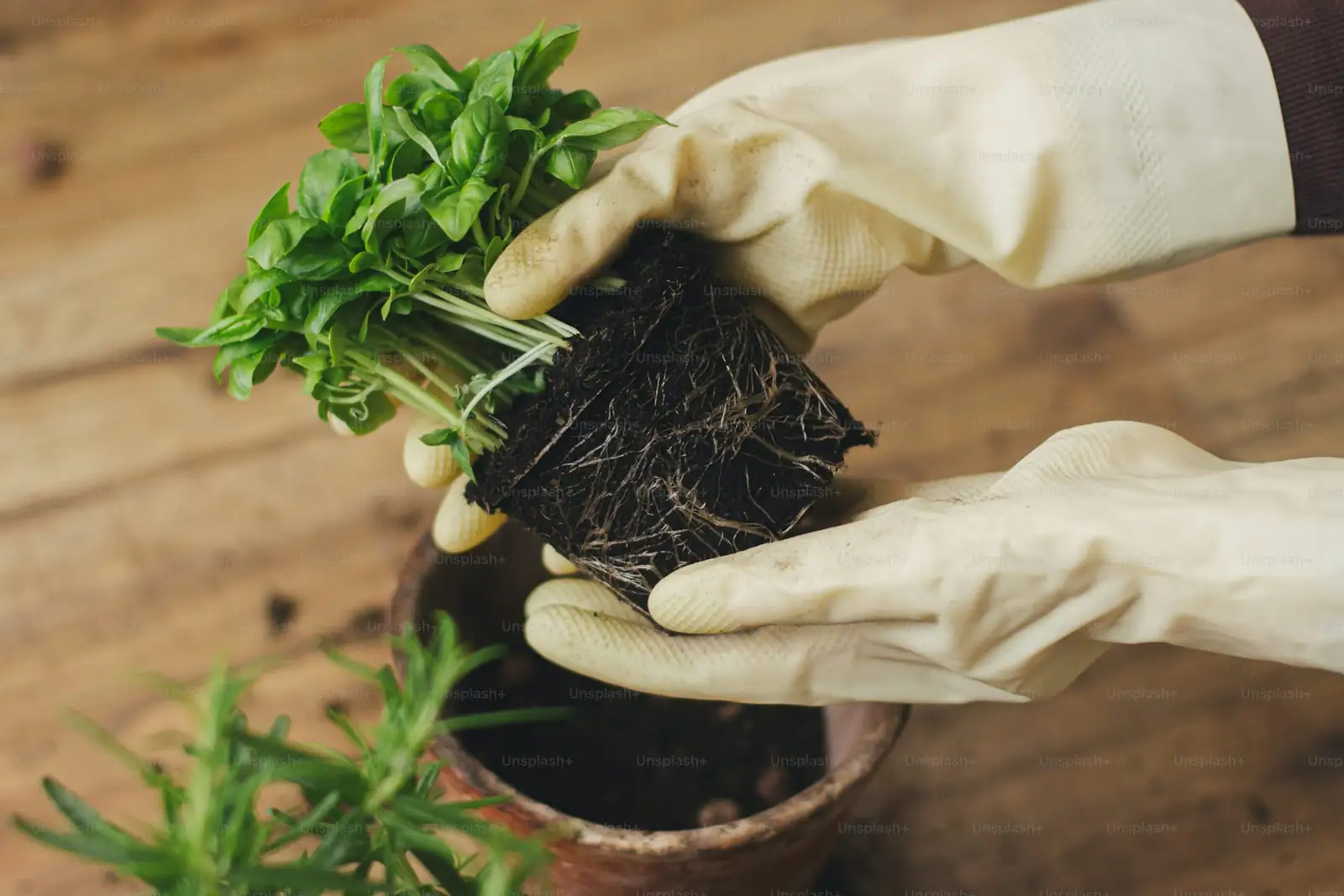
- Soil: wet, heavy, or sour-smelling; saucer often has standing water
- Stems: blackened at the base, soft or hollowing
- Leaves: wilt despite wet soil, yellow from the bottom up, drop easily
- Roots: brown to black, mushy, may slough off when tugged
Why it happens: a heavy mix, poor airflow, frequent sips that keep the root zone cold and wet, or winter watering as if it’s summer.
Mealybugs
- Cottony white clusters in nodes, along stems, sometimes where stems meet soil
- Sticky honeydew; you may notice ants outdoors
- New growth stalls; leaf edges yellow or curl
Aphids
- Small, soft-bodied clusters on tender tips and undersides
- Curled, puckered new leaves; sticky honeydew
- Often appear after a light or temperature dip that stresses the plant
Spider mites
- Stippling (tiny pale dots), dull gray/bronze cast, and fine webbing in leaf axils/undersides
- Thrive in hot, dry, stagnant air
- Specks on the white-paper tap test that smear when crushed
Fast Fixes: Do This Now (By Diagnosis)
If it’s rot or chronic overwatering
- Get it breathing
- Empty the saucer. Move to bright light with gentle air movement and warmth (aim 18–25°C / 64–77°F; never below 10°C / 50°F).
- Inspect and trim
- Slide the plant out. Snip off mushy, dark roots and any blackened stem bases with sterilized shears. Remove yellowing leaves near the base.
- Repot into a fast-draining mix
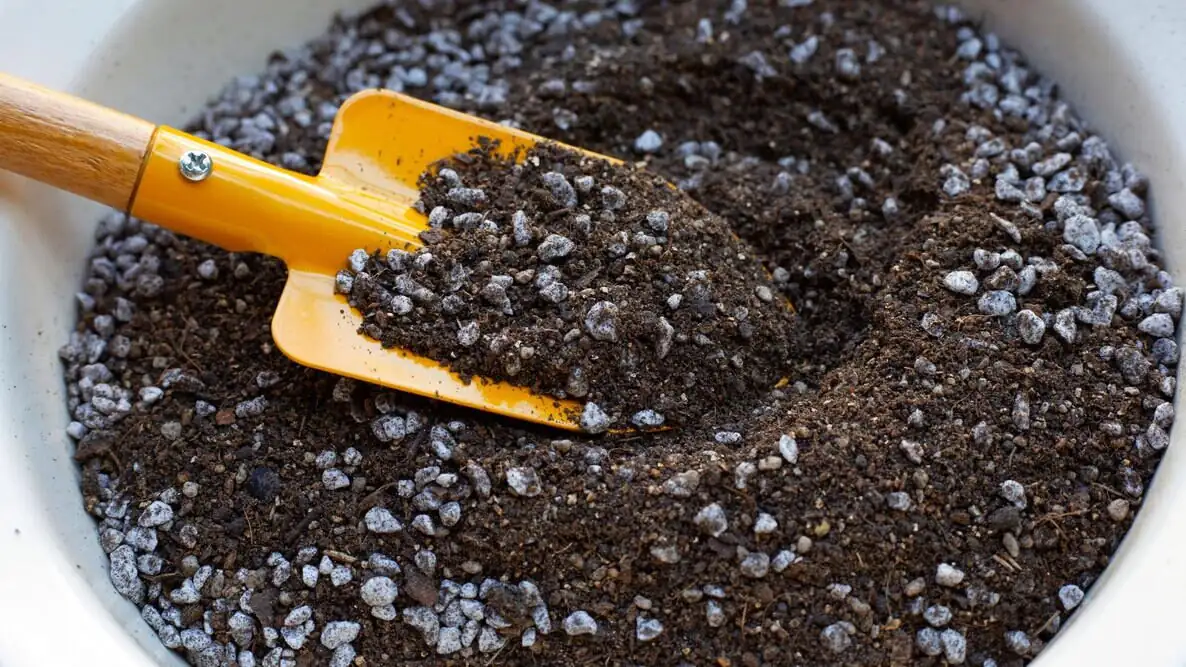
- Use a fertile indoor mix (peat/coco-based) amended generously with perlite/pumice/coarse sand. Pot with drainage; don’t upsize excessively.
- Watering reset
- If the new mix is dry, water once thoroughly, then drain completely. If it’s still moist, wait 2–3 days before watering.
- Going forward: let the surface dry, then water deeply and drain. Never let it sit in water.
- Airflow, not misting
- Provide steady, gentle airflow. Avoid wet leaves—especially risky when the soil is moist.
Pro tip: If the plant collapsed from underwatering or dry pockets (stems limp but soil oddly dry in the core), fully rehydrate by soaking the entire pot in water until bubbling stops, then drain thoroughly. In the growing season, a full soak like this can be helpful 1–2 times per month if needed to even out moisture.
If it’s mealybugs
- Immediate removal: Dab visible clusters with 70% isopropyl alcohol on cotton swabs; wipe away.
- Prune: Cut heavily infested tips and discard.
- Repeat: Recheck weekly; re-treat new spots. Inspect the root zone when repotting—root mealies hide in the mix.
- Environment: Increase light and airflow; stress invites reinfestation.
- Note: Apply any soap/oil spot treatments in the morning on a test leaf, keep off the soil, and ensure leaves dry quickly with airflow. Avoid leaving foliage wet.
If it’s aphids
- Pinch and wipe: Remove colonies on tender tips. Clean honeydew from leaves.
- Spot treatment: Use a gentle insecticidal soap on undersides; ensure quick drying with airflow.
- Encourage recovery: Bright light with a bit of gentle direct sun helps new growth outpace damage.
If it’s spider mites
- Mechanical first: Wipe leaf undersides with a damp microfiber cloth; focus on midribs and axils.
- Tap test weekly: Treat until tap tests come back clean.
- Conditions: Keep air moving; avoid hot, stagnant corners. Average indoor humidity is fine—just don’t let the air go still and scorching.
Quarantine any infested plant away from your collection during treatment.
The Watering Rhythm That Prevents Trouble
- Golden rule: Even moisture, never soggy. Let the surface of the mix dry, then water thoroughly until it drains. Always empty the saucer.
- Summer/active growth: Expect faster dry-down; bright light thickens the semi‑succulent leaves and improves resilience.
- Winter: Brightest spot, warmer side of its safe range, and water sparingly. Cold + wet is the rot recipe.
- Smarter checks:
- Finger test: Top 1–2 cm dry before watering.
- Pot weight: Learn the “dry vs. wet” heft.
- Skewer test: A wooden skewer inserted and checked after a minute—if it comes out clean and dry, it’s time.
Airflow: Your Silent Superpower
- Place where air moves gently (oscillating fan on low, or regular window ventilation in mild weather).
- Give the plant space; don’t let foliage press against glass or other plants.
- Avoid persistently high humidity and wet leaves—especially when the potting mix is moist.
Light, Temperature, and Placement (for long-term health)
- Light: Bright light with some gentle direct sun is ideal. A bright east window, or south/southwest with a sheer curtain, keeps leaves thick and happy. Avoid harsh midday scorch through glass.
- Temperature: Best at 10–25°C (50–77°F); protect from cold drafts and frost.
- Placement: Sunny windowsill, bright desk, or a sheltered patio/balcony spot with light filtering and good ventilation.
Potting Mix, Repotting, and Grooming
- Mix: Quality indoor potting blend (peat/coco + compost/leaf mold) plus extra aeration (perlite/pumice/coarse sand). Avoid heavy, waterlogged mixes.
- Repot: Yearly in spring into a 15–20 cm (6–8 in) pot with drainage. For a fuller look, plant 3 young plants together.
- Pinch and tidy: Pinch tips to keep a dense mound, and remove yellowing leaves near the base to reduce rot risk.
Rapid Rescue Option: Take Cuttings
Plectranthus hadiensis var. tomentosus roots astonishingly fast. If a plant is severely rotted or pest‑ridden:
- Snip 10 cm (4 in) healthy tips.
- Root in a light medium in warm, bright conditions—roots often appear in about 4–5 days.
- Pot up once established. It’s a classic pass‑along plant for a reason.
Quick Decision Guide
- Sticky leaves + visible bugs = aphids or mealybugs → wipe/spot-treat, boost light/airflow, repeat weekly.
- Stippled, bronzy leaves + fine webbing + “pepper” on white paper = spider mites → wipe undersides, airflow, repeat checks.
- Wilting with wet, sour soil + mushy stems/roots = rot → trim, repot into fast-draining mix, airflow, reset watering.
- Sudden droop but soil unevenly dry = dry pockets → full soak rehydration, then resume “surface dry, then thorough water.”
Common Mix‑Ups to Avoid
- Not “Cuban oregano”: This name is often misapplied in trade. Cuban oregano typically refers to a different plant (Coleus amboinicus). Your Vicks plant has velvety gray‑green leaves with a menthol-like scent and a naturally bushy, low mounding habit.
A Note on Scent, Flowers, and “Flower Language”
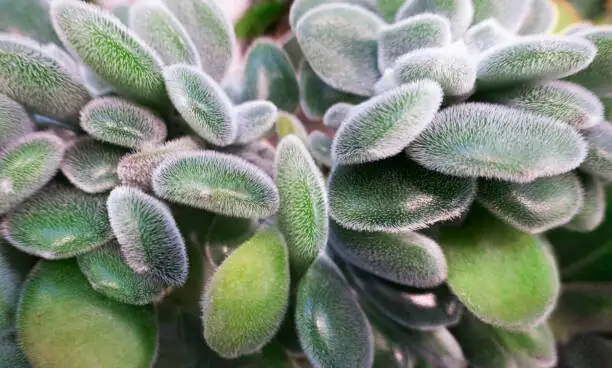
The star here is the foliage: soft, fuzzy, gray‑green leaves that release a clean, menthol-like aroma when brushed—hence “Vicks plant.” Small mint-family flower spikes in summer are a bonus. In everyday plant culture, it’s associated with freshness, comfort, and a harmonious home—less formal “flower language,” more the lived experience of a soothing, clean scent on a bright sill.
Safety
Toxicity isn’t well documented. Treat it as a non-food ornamental: discourage chewing and keep away from pets and children. Aromatic oils may irritate sensitive skin or stomachs.
Final Take
Keep it bright, warm, well-aerated, and never soggy. Use quick visual and touch tests to separate rot from pests, act fast with targeted fixes, and your Vicks plant will stay compact, bushy, and delightfully mint-scented on your windowsill.