

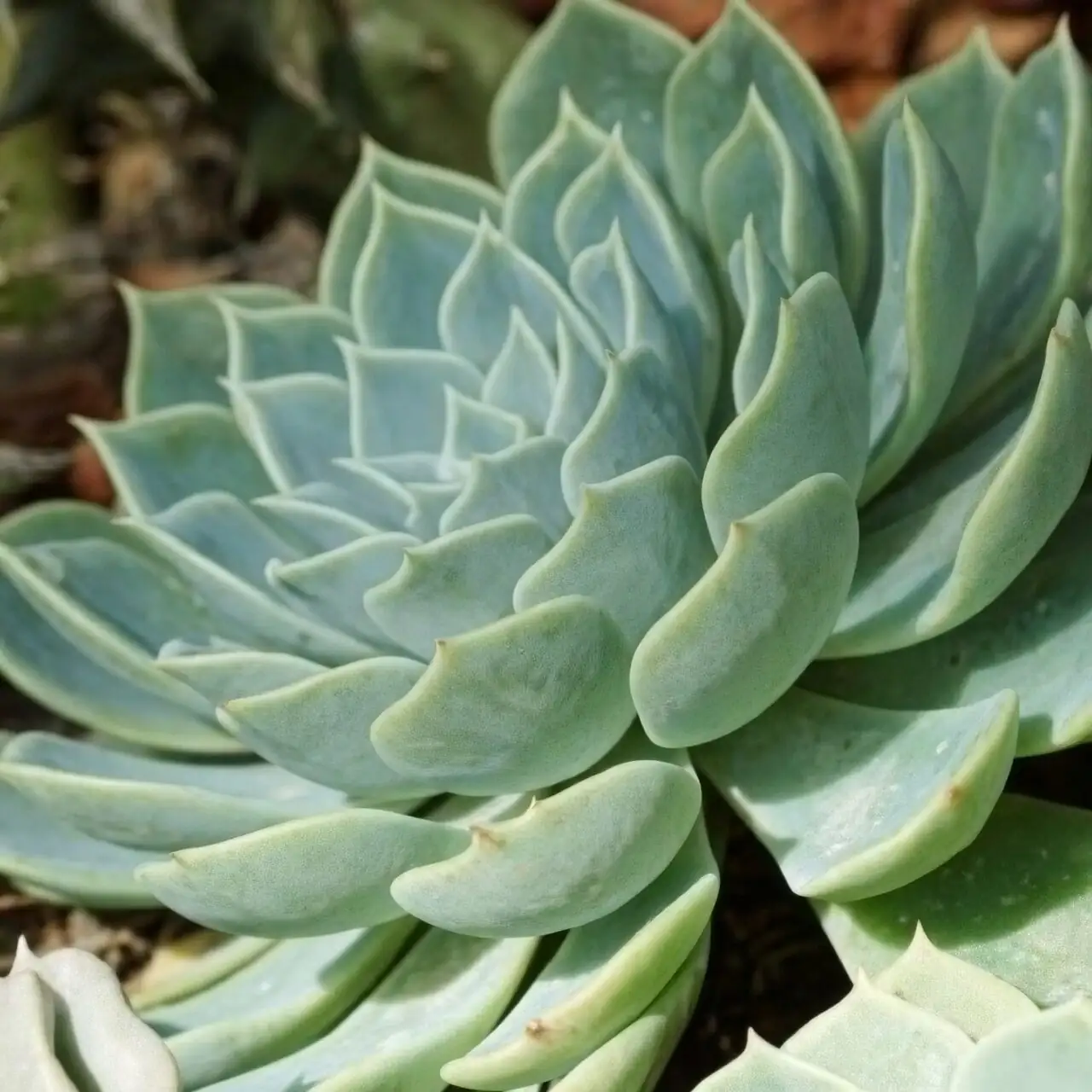
When a compact Echeveria rosette looks flawless, you barely see where one leaf ends and the next begins. That same beauty, though, gives pests and rot perfect hiding places. If your “Meililian” (美丽莲) has cottony specks, crusty bumps, or a suddenly wobbly stem, this hands-on guide will walk you through exactly what to do—step by step—so you can save the plant and keep that tidy, gray-to-dark gray rosette looking impeccable.
Meet “Meililian” in a nutshell
- What it is: An ornamental Echeveria (Crassulaceae) prized for a compact, symmetrical rosette and showy, branched bloom stalks with vivid pink-to-red, star-shaped flowers.
- Size: About 15 × 10 cm (6 × 4 in); flower stalks tower several times higher.
- Light: Full sun to bright partial sun; acclimate slowly to avoid scorch. Strong light deepens the gray tones.
- Comfort zone: 10–27°C (50–81°F), low humidity, free airflow. Frost-tender (best year-round outdoors in USDA 10–11).
- Soil: Very well-draining succulent mix; regular potting soil only if heavily amended with grit/pumice/coarse sand.
- Watering: Soak thoroughly, then let the mix dry out completely. Keep the rosette dry. Go especially light in winter.
The big three problems to watch for
- Mealybugs: White, cottony tufts in leaf axils, under overlapping leaves, and along flower stalks; sticky honeydew; ants farming them.
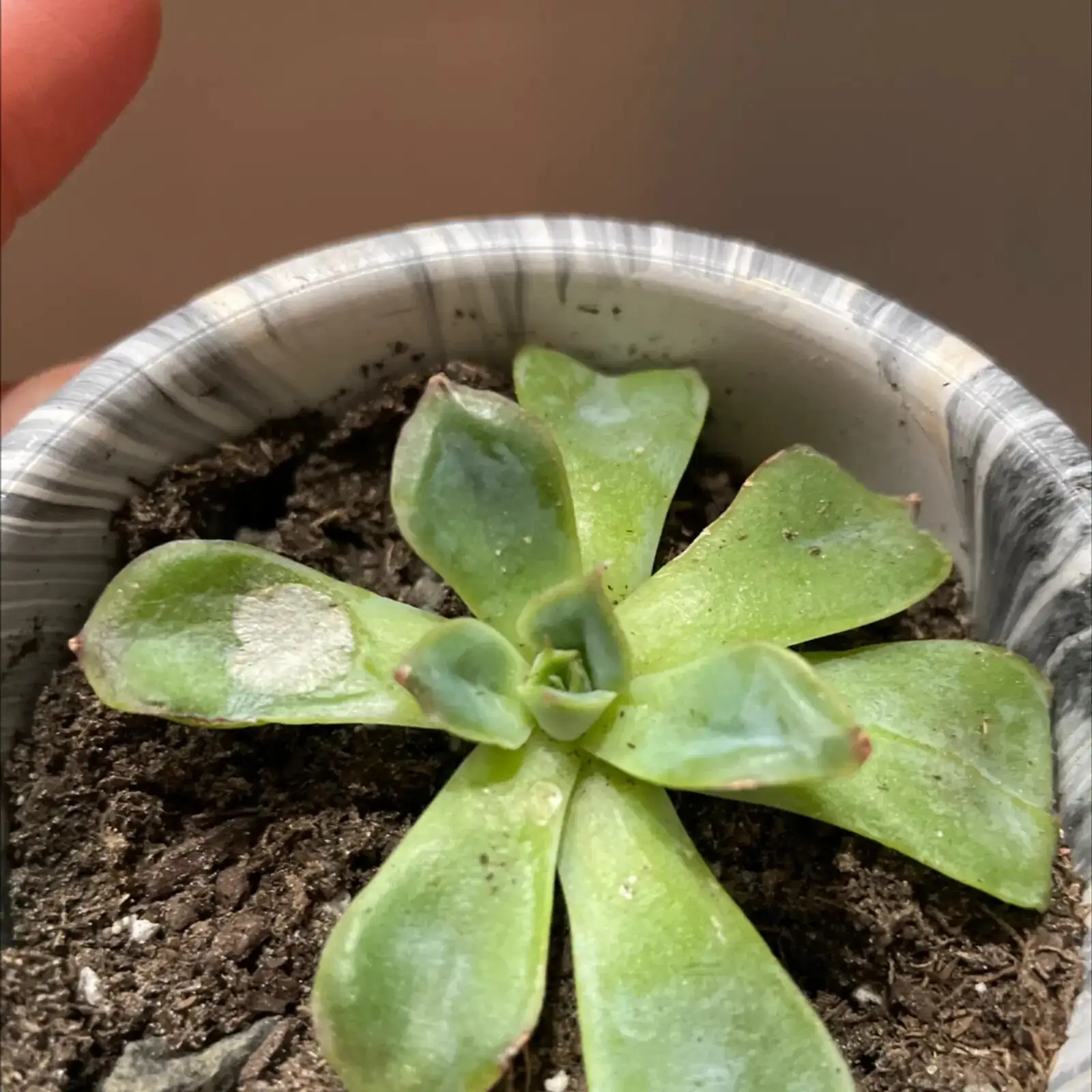
- Scale: Flat or domed, stuck-on bumps (tan, brown, or dark) that don’t brush off easily; leaves may feel sticky.
- Root rot: Yellowing or limp leaves, a mushy base, sour smell, or a plant that wobbles in its pot. Sometimes accompanied by root mealybugs (cottony masses on roots).
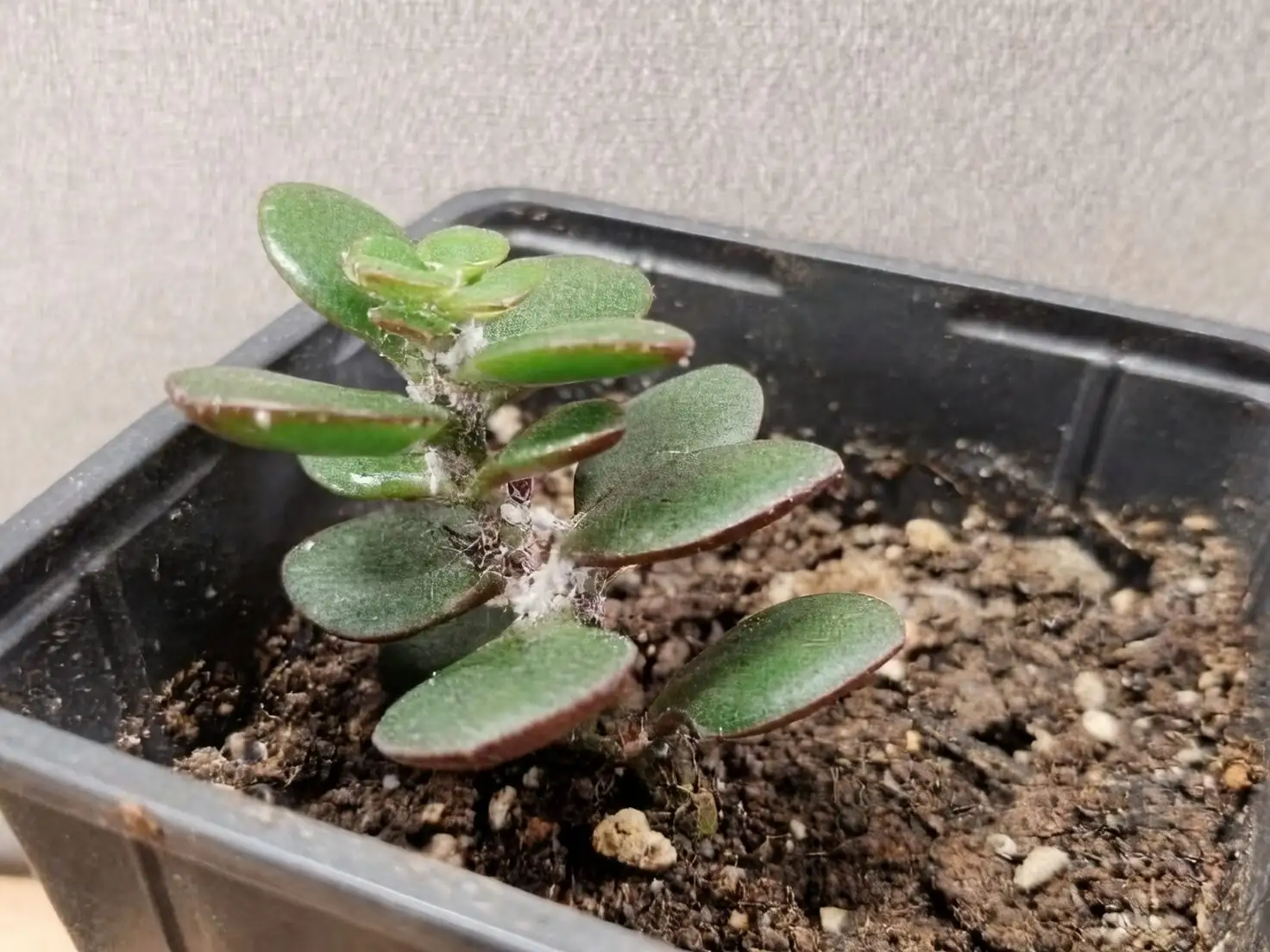
First-response protocol (use this for any outbreak)
- Isolate now: Move the plant away from others for at least 2–3 weeks.
- Shade to treat: Work in bright shade or early/late in the day—not hot sun—to avoid leaf damage during sprays.
- Gear up: Cotton swabs, soft artist’s brush, blunt toothpick, tweezers, 70% isopropyl alcohol, insecticidal soap (potassium salts of fatty acids), a squeeze bottle or syringe, and paper towels.
- Protect the rosette: Always aim liquids away from the crown and drain any pools immediately.
Pro tip for tight rosettes: Tilt the pot slightly while working so treatments run out of the leaf axils instead of into the center.
—
Mealybugs: a deep clean for a tight rosette
Step-by-step alcohol tactic (spot-treat first)
- Mix: Use 70% isopropyl alcohol straight from the bottle.
- Target: Touch each mealybug with an alcohol-dipped cotton swab or a fine brush. You should see them dissolve/turn translucent.
- Precision tools:
- Use a syringe or narrow-tip squeeze bottle to direct a small stream into hidden leaf axils.
- For cramped pockets, tease out bugs with tweezers, then dab with alcohol.
- Drain and dry: Tilt the plant so alcohol doesn’t pool in the center; blot excess from crevices.
- Inspect roots if you see repeat outbreaks: Mealybugs often shelter at the base and on bloom stalks—check both.
- Repeat: Recheck in 5–7 days and again in 2 weeks to catch newly hatched crawlers.
Notes for waxy leaves: Echeveria’s natural bloom (that powdery, protective sheen) can spot if drenched. Use the swab/precision method rather than spraying alcohol over the whole plant.
Insecticidal soap option (for broader coverage)
- Choose a true insecticidal soap (potassium salts of fatty acids). Avoid horticultural oils on Echeveria; oils can mar the protective wax and scar leaves.
- Patch test first: Treat a single lower leaf and wait 24 hours.
- Spray technique for rosettes:
- Work in shade or cool hours. Thoroughly wet pests, not just leaves.
- After 1–2 minutes of contact, rinse with gentle water to lift off soap, mealybug bodies, and honeydew.
- Drain the rosette by tilting and blotting.
- Repeat 2–3 times at 5–7 day intervals.
Heavy infestations
- Remove a few outer leaves to expose crowded axils; discard infested leaves outside the growing area.
- Inspect bloom stalks and branch nodes—prime hiding spots. Heavily infested stalks can be cut off.
- If mealybugs return quickly, unpot to check the roots.
Root mealybugs (the hidden colony)
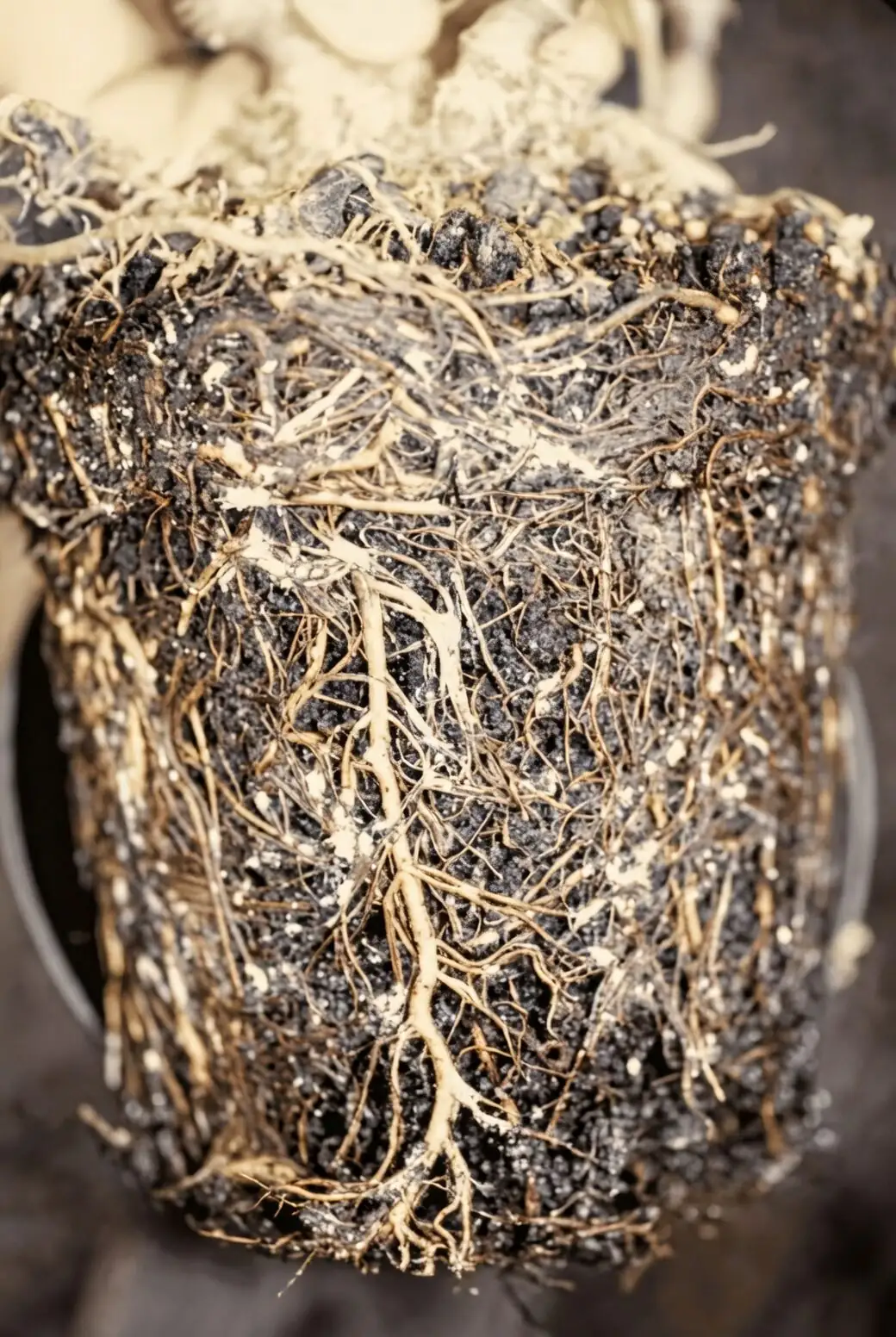
- Signs: Plant declines despite clean leaves; white cotton on roots or around drainage holes; ants in the pot.
- Fix:
- Unpot and gently wash all soil from roots.
- Manually remove cottony masses; scrub the pot with hot soapy water.
- Repot into fresh, gritty succulent mix (see recipe below) in a clean pot with drainage.
- Monitor weekly; sticky cards nearby help catch crawlers. Control ants—they protect and spread mealies.
—
Scale insects: armored cleanup without smearing the bloom
- Manual removal first: Use a blunt toothpick or fingernail to pop off each scale; follow with an alcohol swab to dissolve residue and eggs.
- Soap follow-up: For widespread scale, use insecticidal soap exactly as above (brief contact, then rinse). Repeat weekly until no new scale appears.
- Focus zones: Midribs and undersides of leaves; old flower stalk nodes; the stem near the rosette base.
- Prune if needed: Remove any leaf or stalk that’s heavily colonized to reduce the population quickly.
—
Root rot rescue: from mush to recovery
Rot is usually from waterlogged or dense soil, or water trapped in the crown. Move fast.
Step-by-step
- Unpot gently and inspect: Healthy roots are firm and white/tan; rotten roots are brown/black and mushy.
- Trim: Sterilize scissors, then remove all rotten roots and any mushy stem tissue.
- Air-dry: Let the plant and the cleaned root system callus in bright, airy shade for 24–48 hours.
- Repot into a very fast-draining mix (see below) in a pot with generous drainage holes.
- First drink: Wait 5–7 days before watering. Then use a soak-and-dry routine and keep the rosette dry.
- Light and airflow: Bright light (avoid sudden full sun) and strong airflow help the cut surfaces seal and the plant rebound.
If the center is rotten but outer leaves are healthy: Propagate. Gently twist off sound leaves, let them callus, then place on top of dry, gritty mix. Mist the substrate lightly only once roots and tiny rosettes begin to form.
—
Gritty soil upgrade and pots that work
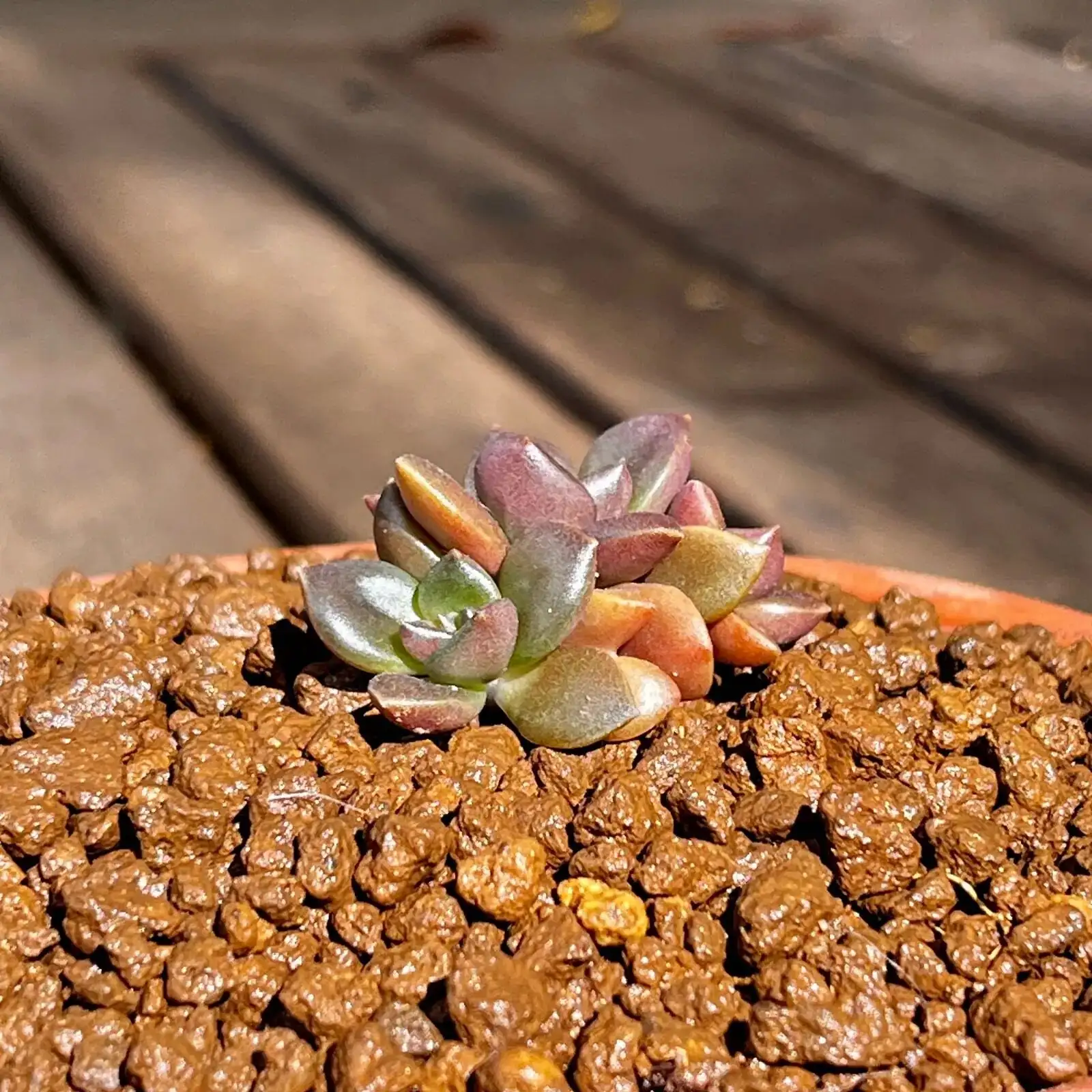
A compact Echeveria demands excellent drainage. Think “air between particles.”
- Simple, reliable recipe:
- 60–80% mineral: pumice, perlite, or small lava rock (mix sizes for more air gaps)
- 20–40% organic: a lean cactus/succulent mix or sifted pine bark fines
- If starting with regular potting soil, amend heavily with pumice/perlite/coarse sand until the mix looks chunky and drains immediately.
- Pot choice:
- Size small: about 10–12.5 cm (4–5 in) wide for most mature plants, with drainage holes.
- Terracotta or other breathable pots help, but any pot with fast drainage is fine.
- Raise pots slightly on feet to boost airflow under the base.
- Top-dress with gravel to keep leaves clean and dry, and to discourage fungus gnats.
—
Airflow and watering tactics for tight rosettes
- Airflow:
- Indoors: Run a small fan on low across your succulents for a few hours daily.
- Space plants so leaves don’t touch; avoid enclosed cloches or stagnant shelves.
- Outdoors: A sunny, breezy spot is ideal; protect from heavy rain.
- Watering:
- Water in the morning and aim at the soil around the rim—never into the crown.
- After watering, tilt the pot to drain any accidental splashes from axils.
- Let the mix dry out completely between waterings; in winter, water very sparingly.
- Never leave the pot sitting in a saucer of water.
—
Prevention: build an environment pests and rot hate
- Quarantine new plants for 2–3 weeks; inspect weekly with a flashlight.
- Wipe tools and your windowsill with alcohol before and after treatments.
- Keep light strong to deepen leaf color and promote sturdy growth; acclimate gradually to full sun.
- Feed lightly in the growing season (spring to autumn): 2–3 times with a balanced liquid fertilizer at 1/2 strength; none in winter.
- Remove spent flower stalks promptly—less clutter, fewer hiding places.
- Manage ants; they farm honeydew and spread pests.
- Avoid misting; low humidity and good airflow are your friends.
—
Seasonal notes for “Meililian”
- Spring to early summer: Peak growth, best flowering with strong light. Maintain soak-and-dry watering and light feeding.
- Autumn: Keep bright; taper watering as days shorten.
- Winter: Cooler and much drier. Keep bright and airy; resume regular watering when new growth restarts.
—
Quick FAQ
- Soft, dropping lower leaves?
- A few old leaves shedding is normal. If many are soft or the base feels squishy, it’s likely overwatering or poor drainage. Let the mix dry fully, increase airflow, and repot into a grittier mix if needed.
- How do I get better color and flowers?
- Increase light gradually to bright sun, stay on a soak-and-dry schedule, and avoid heavy fertilizer. Strong light is the main driver of deeper gray tones and reliable blooms.
—
Symbolism, with a pinch of realism
Echeverias are often linked with resilience, calm balance, and a quiet kind of beauty—unassuming at first, then suddenly dramatic when those starry, pink-to-red flowers rise like tiny fireworks. “Flower language” is cultural poetry more than botany; meanings shift across regions and eras. Still, it fits “Meililian”: a composed rosette that saves its show for just the right season.
—
Final safety notes
Generally considered non-toxic, but the sap may mildly irritate sensitive skin. Wear gloves when swabbing with alcohol or using soaps, and keep curious pets or children from nibbling the leaves.
If you stay vigilant, keep the rosette dry, the soil gritty, and the air moving, “Meililian” will repay you with that immaculate symmetry—and a sky of vivid, starry blooms when spring arrives.