

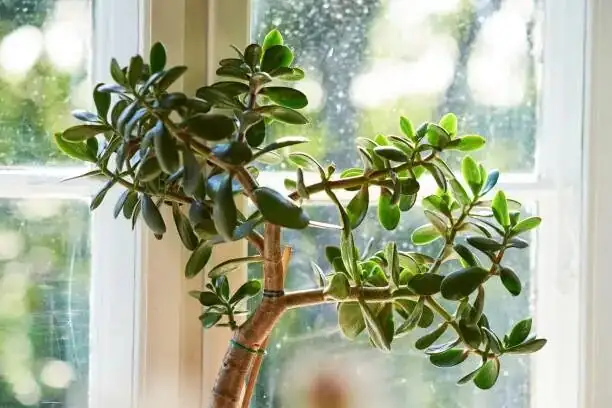
Meet Crassula ovata—your tough, bonsai-like “jade” that forgives the occasional skipped watering but won’t let pest freeloaders or soggy soil slide. Think of this as your fast triage manual: quick IDs, immediate fixes, and prevention for mealybugs, scale, spider mites, and overwatering rot—plus how to read red leaf edges (healthy blush or sunburn?) and how to reverse stretched, leggy growth.
Quick portrait of a healthy patient
- Plant: Crassula ovata (Jade Plant; aka Friendship Tree, Lucky Plant, Money Plant) in the Crassulaceae.
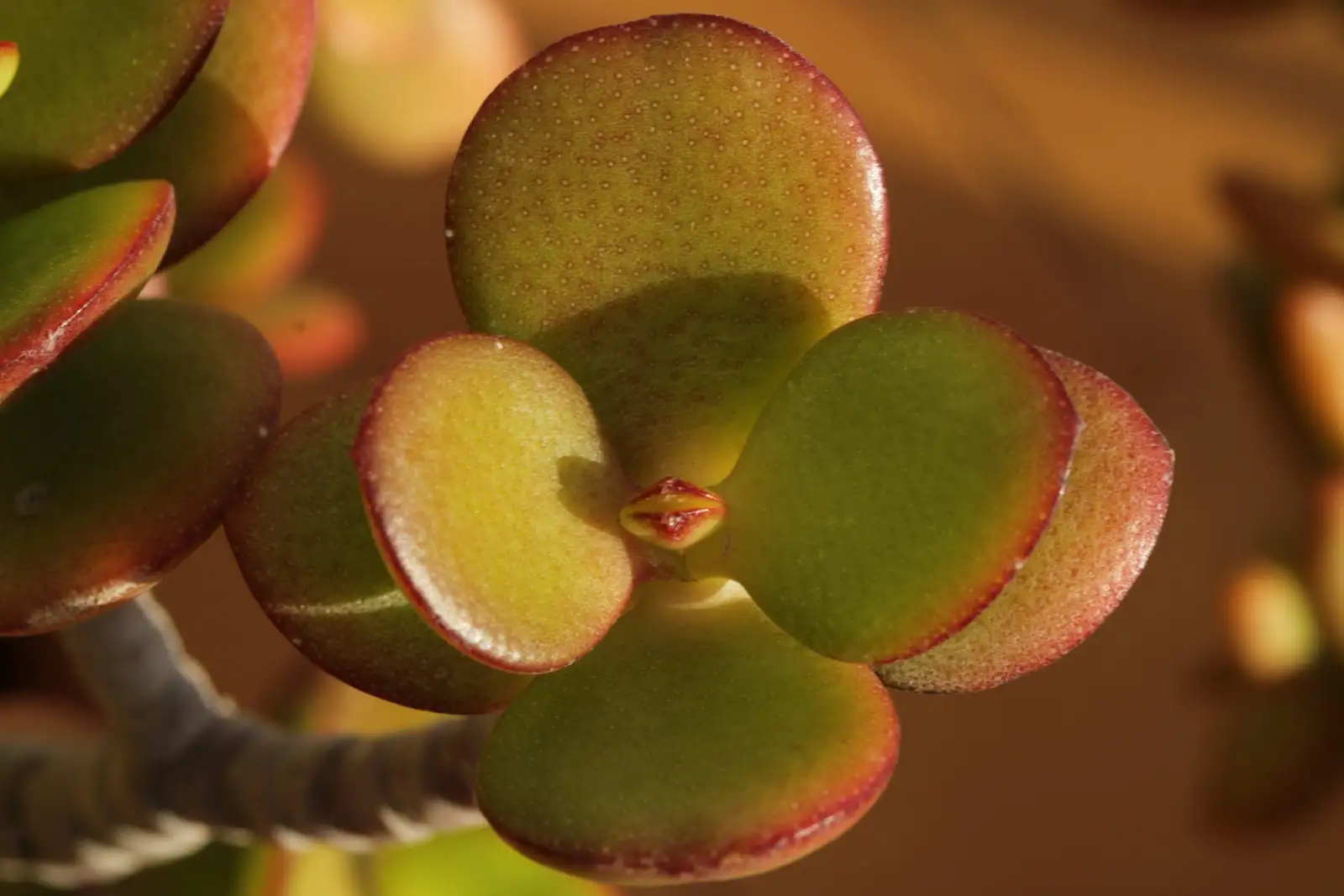
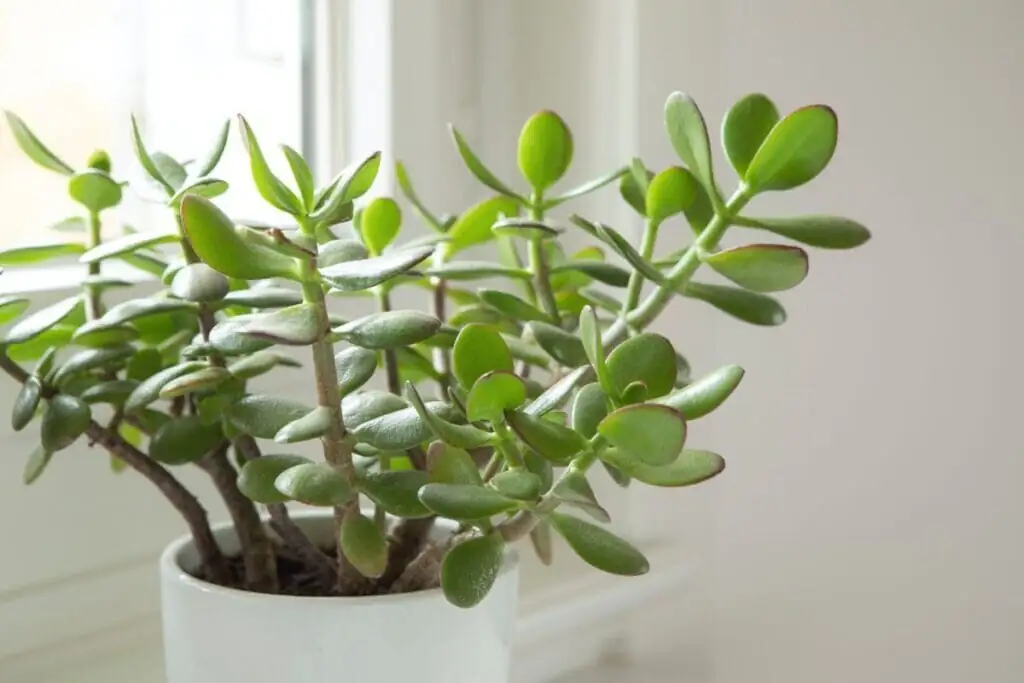
- Look: Thick, branching, woody stems; plump, glossy, oval leaves that can blush red at the edges in strong light and cooler nights.
- Size: Commonly 60–100 cm tall and wide in pots; easily kept smaller with pruning.
- Care baseline: Bright light (the sunniest window you have), fast-draining succulent mix, water only after the mix dries; cooler, drier winters. Ideal temps 15–25°C (59–77°F); protect from frost and keep above 5°C (41°F).
The 5‑minute triage checklist
- White cottony bits in leaf joints or along stems? Mealybugs.
- Dome-like brown/tan “barnacles” stuck to stems/leaves? Scale insects (soft scale).
- Fine webbing, dusty stippling, and faded patches on leaves? Spider mites.
- Mushy leaves, blackened stem base, sour smell, heavy wet soil? Overwatering rot.
- Red margins but leaves are firm and glossy? Healthy sun blush.
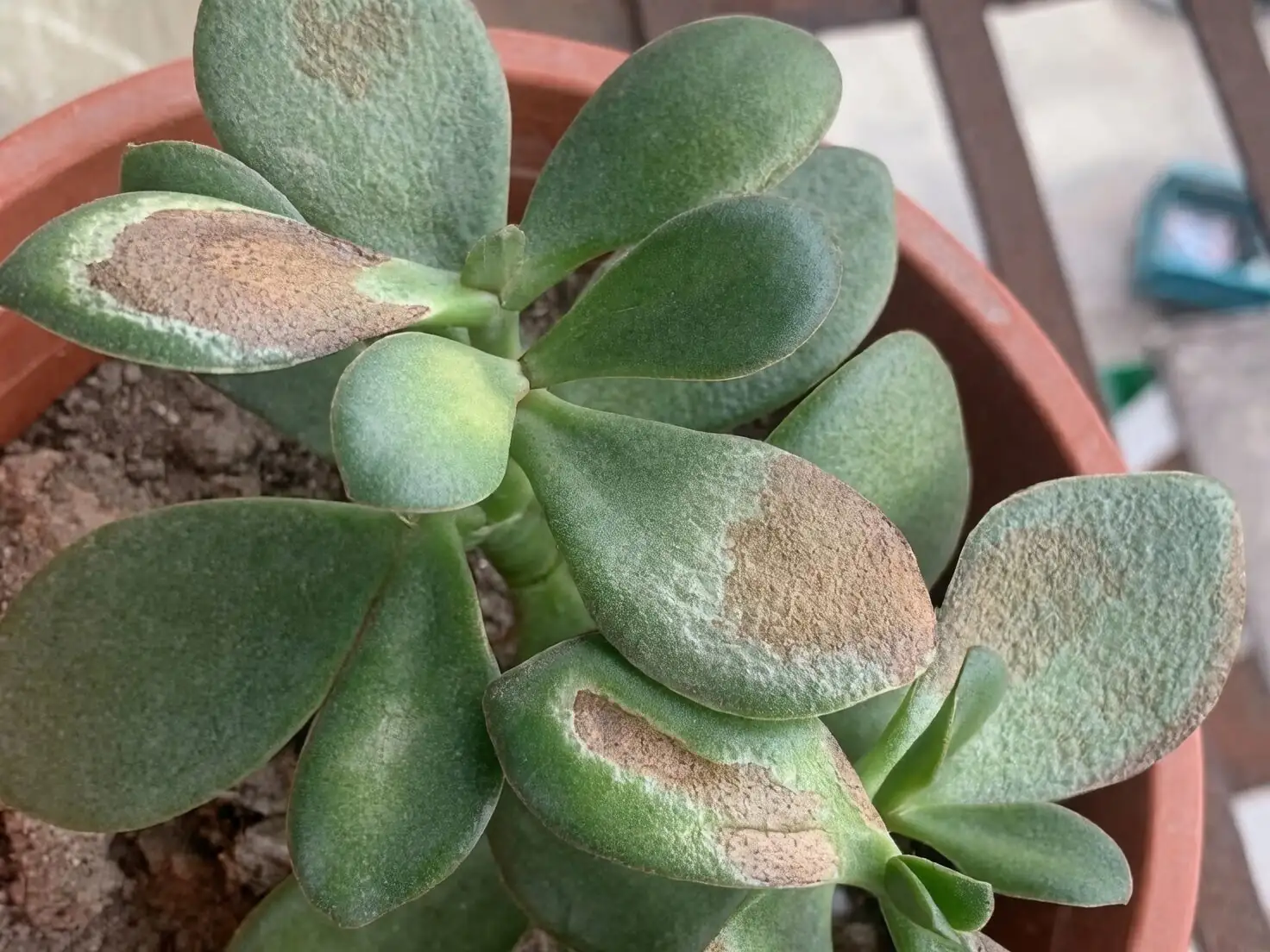
- Tan/white crispy patches on the most exposed leaves after a sudden light jump? Sunburn.
- Long, weak, pale stems with big gaps between leaves, plant leaning to the window? Etiolation (low light stretch).
Rapid pest triage: identify and fix
Always start by isolating the plant, improving light and airflow, and putting it somewhere bright but not scorching. Wear gloves—the sap can be irritating—and keep the plant away from pets and children.
Mealybugs (the cottony squatters)
- ID: White, fluffy tufts in leaf axils, along stems, and at leaf bases; sticky “honeydew” and sometimes black sooty mold.
- Where they hide: Nodes, under leaf edges, at branch crotches, dried leaf scars, and under rim of pot.
- First aid (same day):
1) Dab and wipe: Use cotton swabs or pads dipped in 70% isopropyl alcohol to remove every visible cluster.
2) Clean the crevices: Use a soft brush with alcohol to get into tight spots.
- Follow-up (days 2–21):
- Treat with insecticidal soap or horticultural oil, carefully following the label. Jade foliage can be sensitive, so spot-test on a small area first, apply in the evening, and avoid direct sun for 24 hours after treatment.
- Repeat every 7–10 days for 3–4 cycles to catch hatchlings.
- Escalation: Prune heavily infested tips, let cuts callus, and re-root healthy pieces as cuttings if needed.
Scale insects (the stuck-on domes)
- ID: Tan to brown, immobile, shell-like bumps that don’t brush off easily; sticky honeydew and potential sooty mold.
- First aid:
1) Manual removal: Gently pry off scales with a fingernail or the edge of a dull knife; or swab with alcohol to loosen and wipe.
2) Clean-up spray: After manual removal, use insecticidal soap or horticultural oil (spot-test first).
- Follow-up:
- Repeat inspections weekly for a month. Scale often hides under nodes and along woody stems.
Spider mites (the stipplers and web-weavers)
- ID: Fine, dusty stippling (tiny pale dots), dulling of leaf surfaces, and fine webbing—often on leaf undersides and between petioles and stems.
- First aid:
1) Rinse: Give a tepid, gentle shower to the foliage to physically dislodge mites. Let the plant dry quickly with good airflow; don’t leave water pooled in crevices.
2) Treat: Use insecticidal soap or a labeled horticultural oil; spot-test and apply in the evening. Ensure you coat leaf undersides.
- Follow-up:
- Repeat treatments every 7–10 days x 3. Increase airflow and light; clean windowsills and nearby surfaces. Mites love dusty, stagnant spots.
Pro tips that speed pest recovery
- Check neighbors: Inspect nearby plants and quarantine newcomers for 2–3 weeks.
- Sanitize: Wipe pots, saucers, and shelves; replace any decorative topdressing that may harbor crawlers.
- Light is medicine: Brighter conditions make jade more resilient and growth more compact (but acclimate to stronger sun gradually).
Overwatering rot crash cart
The number-one jade killer is soggy roots. Act fast.
Know the difference
- Thirsty plant: Leaves feel a bit flexible and lightly wrinkled; soil is dry and the pot is light.
- Rotting plant: Leaves are mushy or translucent; stem base may darken/blacken; soil is wet and heavy; there may be a sour smell.
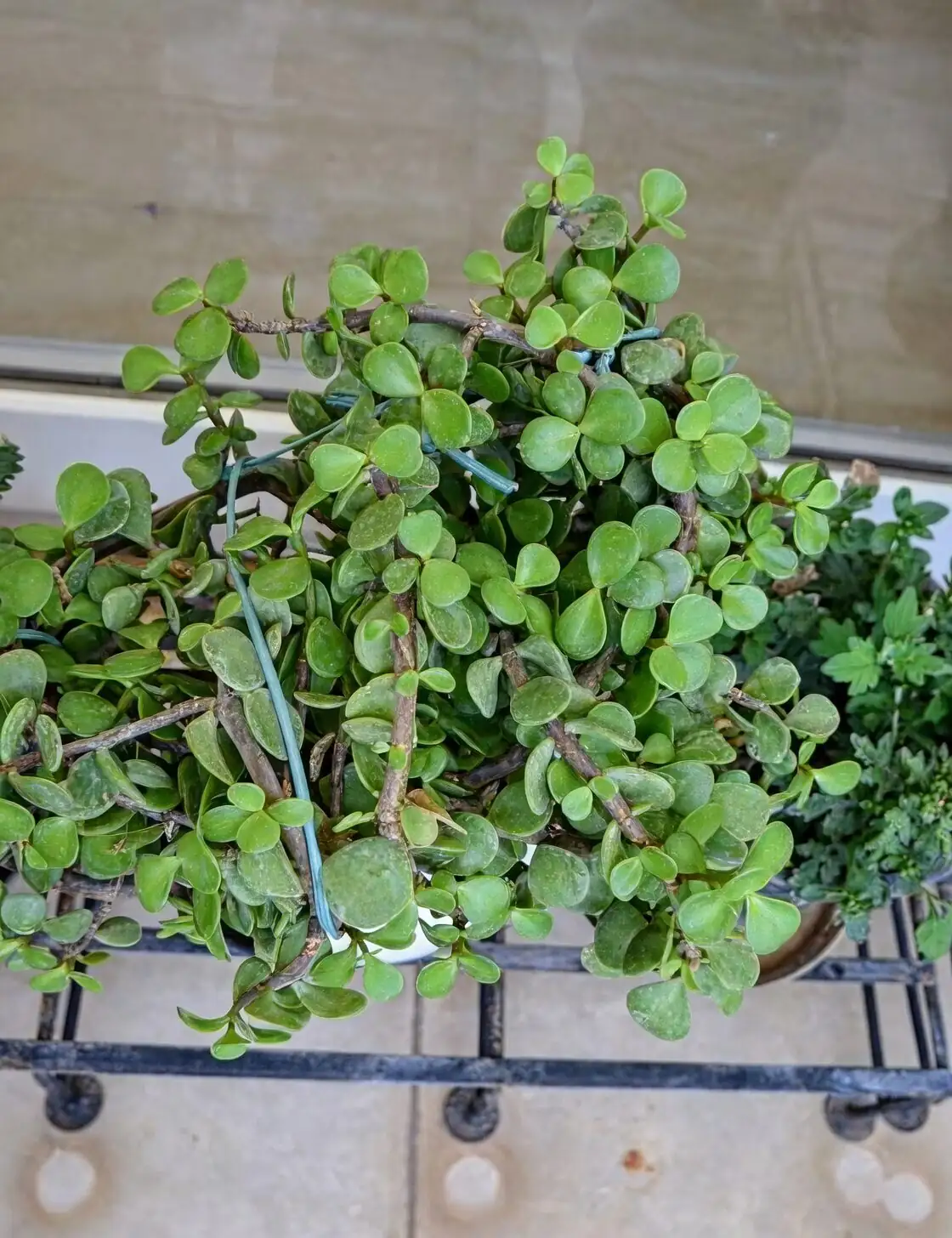
Save protocol
1) Unpot immediately. Gently shake/tease off all wet mix. Rinse roots only if needed to see what’s going on; then let them air-dry.
2) Assess and cut: Trim away any black, mushy, or foul-smelling roots/stems with sterile pruners, cutting back to firm, pale tissue. If the stem base is compromised, take healthy top cuttings.
3) Callus: Let cut surfaces air-dry and callus 1–3 days (thicker stems may need up to a week).
4) Repot:
- Use a gritty, fast-draining mix: potting substrate with sharp sand about 3:1, or amend with plenty of perlite/pumice.
- Choose a pot with a drain hole; never use a cachepot without removing excess water.
5) Watering restart:
- For rescued root systems: Wait a few days before the first light watering; then water only after most of the mix dries.
- For fresh cuttings: Do not water right away. Set in dry mix and wait until roots begin to form before watering lightly.
6) Recovery conditions: Bright light (avoid harsh midday sun at first), warm temps (15–25°C), and good airflow.
Prevention
- Spring–autumn: Water thoroughly only after the surface and much of the mix has dried.
- Winter: Water sparingly—just enough to prevent severe shriveling—and keep the plant cool and bright. Never let the pot sit in water.
Red edging: healthy glow or sunburn?
- Healthy red blush
- Even, attractive reddening along leaf margins.
- Leaves remain firm, glossy, and plump.
- Common with brighter light and cooler nights—often a sign your jade is happy.
- Sunburn (scorch)
- Patchy tan, bronze, or white spots or plaques on the topmost, most-exposed leaves.
- Texture may feel rough or crispy; damage is permanent.
- Often follows a sudden move from low light to strong midday sun (especially behind hot glass).
- Fix and prevent scorch
- Move a step back from harsh midday rays; provide bright light with gentle morning/evening sun.
- Acclimate gradually: add 30–60 minutes of direct sun every few days.
- Rotate the pot weekly for even exposure.
Reverse etiolation (leggy, leaning jade)
Why it happens
- Not enough light. You’ll see long internodes, pale new growth, and a plant bending toward the window.
The reversal plan
1) Upgrade the light
- Indoors: Place at the sunniest window (south or west is ideal). Aim for several hours of direct sun daily.
- Outdoors (warm seasons, frost-free): Start in bright shade and gradually increase to morning sun or filtered all-day sun; avoid abrupt midday intensity.
2) Prune and restart compact growth
- Cut back stretched stems just above a node to encourage branching. Let cuts callus before resuming normal watering.
- Root the trimmings as new plants: allow cut ends to dry and callus for several days, set into dry, gritty mix, and water lightly only after roots begin forming.
3) Stabilize
- Use a heavier pot or a discreet stake while new branches thicken.
4) Tune the care
- Feed 2–3 times in spring–autumn with a balanced liquid fertilizer at half strength. Skip winter feeding.
- Keep winter cool and bright with drier soil—this helps keep internodes short.
5) Timeline
- Expect tighter, more compact new growth within a few weeks to a couple of months. Old stretched sections won’t shrink, but pruning replaces them with sturdier branches.
Long-term prevention and care essentials
- Light: Bright light is best—full sun to partial sun. Indoors, the sunniest window prevents stretching and keeps growth compact.
- Soil and pot: Fast-draining cactus/succulent mix, amended with sharp sand or pumice/perlite. Always use a drainage hole.
- Water: Let the mix dry well between waterings; far drier in winter. Never let the pot sit in water.
- Air: Low to average indoor humidity is fine; avoid constantly damp conditions and stagnant air.
- Temperature: Ideal 15–25°C (59–77°F). Protect from frost; keep above 5°C (41°F).
- Pruning: Shape in spring/summer; let cuts callus. Remove weak or damaged growth.
- Repotting: Every 2–3 years or when rootbound, preferably in spring.
- Safety: The sap can irritate skin; wear gloves if sensitive. Keep away from pets and kids—ingestion can cause gastrointestinal upset.
Bonus: blooms and meaning
- Flowers: Mature, well-lit jades may produce clusters of tiny, starry white to pale pink blooms in winter to early spring, especially after a bright growing season followed by a cooler, drier winter rest. Indoor flowering is hit-or-miss—don’t take it personally.
- “Money plant” symbolism: In parts of Asia, jade’s coin-like leaves and long life link it to prosperity, luck, and good energy—hence its status as a favorite housewarming gift. While the tradition is cultural rather than botanical, there’s a deeper truth: a jade rewards steady, measured care. Give it light, restraint with water, and patience—and it tends to “pay you back” with decades of growth.
When to call it
- If pests keep returning despite three treatment cycles, or rot has consumed the base, take healthy cuttings, discard the failing core, and restart. With jade, a fresh beginning is often the fastest route to a thriving plant.
In short: more light, faster drainage, and calm, repeated pest treatments win almost every time. Your jade is built to last—set the conditions right and it will.