


If your Sandcastle Cactus is starting to look less like a tiny turreted fortress and more like a beleaguered battlement, you’re not alone. This quirky, clustered cactus is a joy to grow—but it’s also a magnet for mealybugs tucked between offsets, stealthy scale, spider mites in dry indoor air, and the occasional bout of base rot if moisture lingers. Here’s a hands-on, no-nonsense guide to spotting problems early, triaging softness at the base, boosting airflow, and running safe, effective treatment routines that actually work.
Meet your “Sandcastle Cactus” (and its needs)
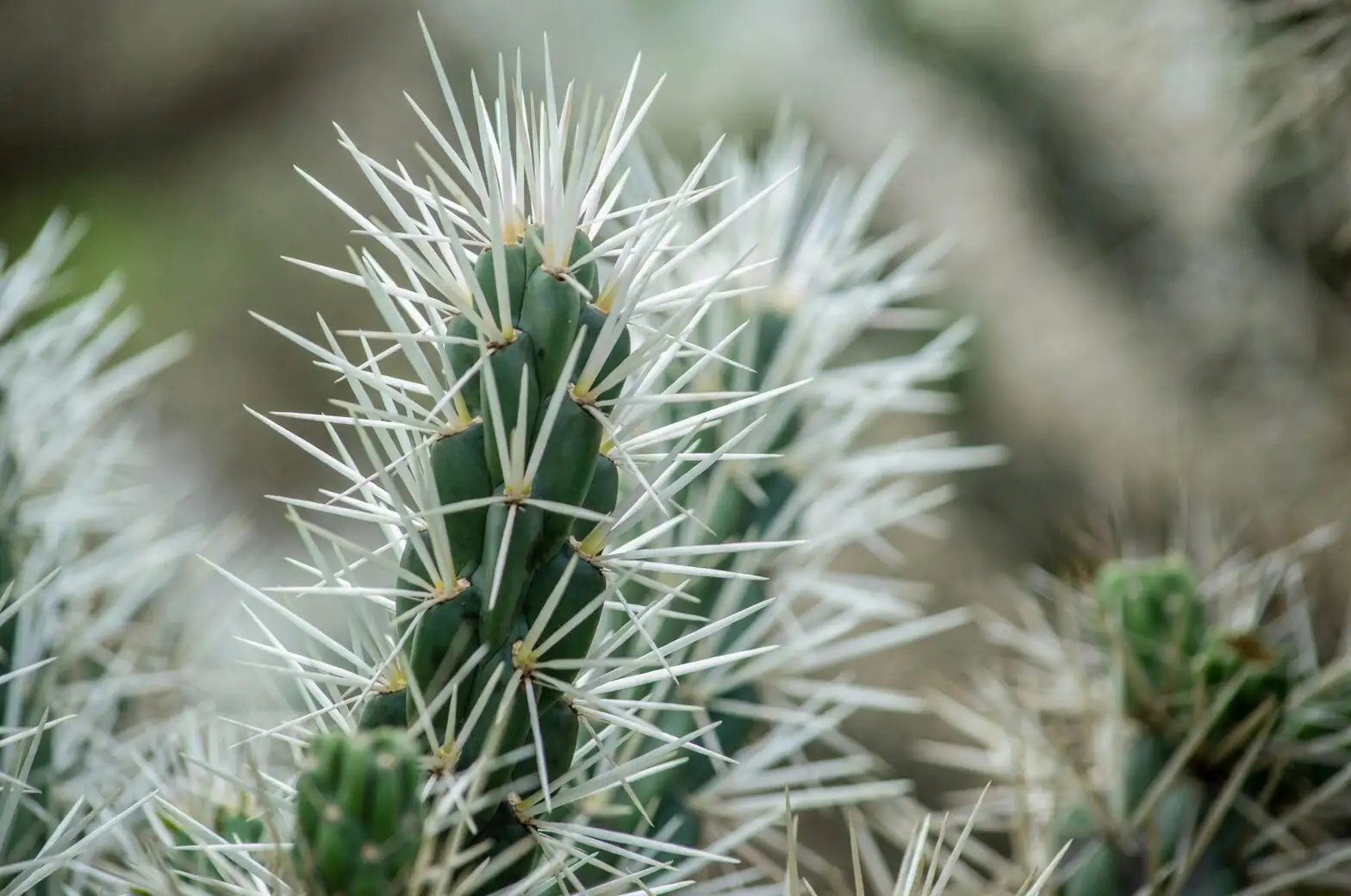
- What it is: A trade-name novelty cactus with a ribbed main stem that sprouts many small, rounded offsets—like a miniature castle of knobbly turrets. The exact species/cultivar isn’t confirmed.
- Size and look: Often sold 10–25 cm (4–10 in) tall; becomes wider as offsets develop.
- Blooms: Pink, summer, short-lived—blink-and-you’ll-miss-them.
- Light: Bright light to full sun; aim for 4–6+ hours direct. Acclimate to stronger sun to avoid scorch.
- Water: Soak thoroughly, then let the mix dry completely. In bright warmth, that’s often every 10–21 days. Winter: very sparing.
- Environment: Low to average indoor humidity; strong airflow; gritty, fast-draining cactus mix.
- Temperature: Best at 18–30°C (64–86°F); keep above ~5–10°C (41–50°F) if not bone-dry.
Pro tip: The top killer is excess moisture plus low light. Think sun + dry cycles + air movement.
The 2-minute weekly “health check”
- Base and ribs feel firm, not cool-squishy or mushy
- No cottony tufts (mealybugs) tucked between offsets or at the base
- No tan/brown bumps (scale) stuck to ribs
- No sand-fine specks/micro-webbing (spider mites), especially on shaded sides
- Pot feels light before watering; surface grit and inner mix are bone-dry
- No sour smell; no blackened spots creeping up the base
Keep a cotton swab and 70% isopropyl alcohol nearby for instant spot-treats.
Pests: quick IDs and battle plans
Mealybugs (white, cottony clusters in crevices)
Signs
- White, fuzzy tufts in joints, around the base, under offsets; sticky honeydew; stunted growth
- Sometimes show up on roots (root mealies) as white residue when unpotting
Step-by-step
- Isolate the plant.
- Dry brush and swab: Dab visible mealybugs with a cotton swab dipped in 70% isopropyl alcohol. It dissolves their wax and kills on contact.
- Flush the nooks: Use a soft artist brush/alcohol to reach into crevices between offsets.
- Follow-up spray: Lightly mist problem areas with a cactus-safe insecticidal soap. Rinse gently with lukewarm water after 10–15 minutes to avoid residue burn. Keep soil dry.
- Repeat cadence: Re-check and re-treat every 3–5 days for 2–3 weeks (breaks the life cycle).
- For severe or hidden infestations: Where appropriate and legal, apply a systemic insecticide (e.g., imidacloprid or dinotefuran) per label. This helps with bugs you can’t reach.
Root mealybugs protocol
- Unpot in a clean area; shake/rinse off old soil.
- Manually remove visible root mealies; consider a labeled systemic soil drench.
- Repot in fresh, sterile, gritty mix. Keep dry 5–7 days, then resume light watering.
Avoid
- Soaking the entire plant in alcohol
- Spraying alcohol in full sun or on a very hot plant (do treatments in the morning or late day)
Scale (stubborn, stuck-on bumps)
Signs
- Tan/brown domed or flat “shields” adhered to ribs; may exude honeydew
Routine
- Pry off with a toothpick or your fingernail; immediately dab the spot with 70% alcohol.
- Spot-spray insecticidal soap in clusters; repeat weekly until clean.
- Heavy infestations often need a systemic (where legal). Keep treating for a full month to catch late hatchers.
Spider mites (speckling and superfine webbing)
Signs
- Dusty look, tiny pale specks, fine webbing in sheltered spots; thrives in hot, dusty, still air
Tactics
- Rinse dust off ribs with a gentle spray; keep soil dry while washing the body.
- Use insecticidal soap at labeled strength; repeat every 5–7 days for 3 rounds.
- Boost airflow (small fan) and reduce dust; rotate the plant for uniform light.
- Oils can scorch cacti—use with caution and never under strong sun.
Base-softness triage: is it rot, corking, or just a scare?
- Normal corking: Older bases can turn tan and woody-firm. They feel hard, not wet or cool-squishy.
- Early rot warning: Base feels cooler and slightly spongey, color dulls, maybe a faint sour smell.
- Advanced rot: Mushy tissue, black/brown wet patches, obvious sour/fermented odor.
Immediate actions (for any softness)
- Stop watering now.
- Increase light and airflow; keep the crown dry and out of rain.
- Lift the pot on feet or a trivet to create a “chimney” under the container.
If softness persists after 48–72 hours or there’s odor/discoloration
- Unpot and inspect roots. Healthy roots are firm and pale; rotted roots are brown/black and mushy.
- Surgery time: With a sterile blade, cut away all mushy tissue back to clean, firm, green/white tissue.
- Dust the cut with sulfur powder (or cinnamon in a pinch) to discourage fungus.
- Callus: Air-dry the plant (or the saved offsets) on a dry paper towel in bright, indirect light for 3–7 days until the wound is fully leathery.
- Re-root: Place on a dry, gritty, sterile cactus mix. Don’t water until new roots begin forming; then start with a light sip and return to full soak-and-dry over time.

Salvage offsets
- Twist or cut off healthy small rounded stems, let them callus 3–7 days, then root as above. This plant’s clustering habit makes rescue surprisingly doable.
Airflow hacks that make a big difference
- Run a small, gentle fan nearby for a few hours daily—enough to flutter a sticky note.
- Space plants so stems don’t touch. Sunlight and air should reach the base.
- Use terracotta or breathable pots; add pot feet for under-pot ventilation.
- Top-dress with coarse mineral grit (pumice/3–6 mm gravel) to keep the crown dry.
- Skip decorative sleeves/cachepots unless you remove them to dry; never let the nursery pot sit in water.
- Dust the plant monthly—dust is pest real estate.

Safe treatment routines and a smart toolkit
Keep on hand
- 70% isopropyl alcohol, cotton swabs, soft brush, cactus-safe insecticidal soap
- Sterile blade, sulfur powder, spare gritty mix, extra pot with drainage
- Small fan, pot feet, sticky notes (for airflow check)
Routine rhythm
- Isolate at first sign of pests; treat, then re-check every 3–5 days for 2–3 weeks.
- Sterilize tools after use. Discard infested soil; don’t compost it.
- Quarantine all new plants for at least 2 weeks and inspect crevices.
Safety
- Avoid spraying soaps or alcohol under harsh sun or on heat-stressed tissue.
- Follow all pesticide labels; consider systemics only where appropriate and legal.
- Spines and sap can irritate—gloves are your friends.
Watering and rot-proofing, revisited
- Spring–summer: Water deeply, then wait until the mix is completely dry before soaking again (often 10–21 days in bright warmth).
- Autumn: Stretch intervals as days shorten.
- Winter: Keep bright and much drier; if kept cool, you may not need to water at all for stretches.
- Soil: A very free-draining cactus mix boosted with mineral grit/pumice. Never let the pot stand in water.
Fertilizer
- Light feed in spring/summer every 4–6 weeks at 1/4–1/2 strength; skip in winter.
Repotting
- Every 2–3 years in spring. After repotting, keep dry 5–7 days to lower rot risk.
Seasonal prevention playbook
- Spring–summer: Maximize sun, feed lightly, run your fan, and check crevices weekly.
- Autumn: Reduce watering, maintain airflow as indoor heating starts (which dries air but can kick up mites).
- Winter: Bright light, cool-to-moderate temps, very dry mix. Inspect monthly; many pests hitchhike in on holiday greenery and bouquets.
Flowers, symbolism, and the blink-and-you-miss-it bloom
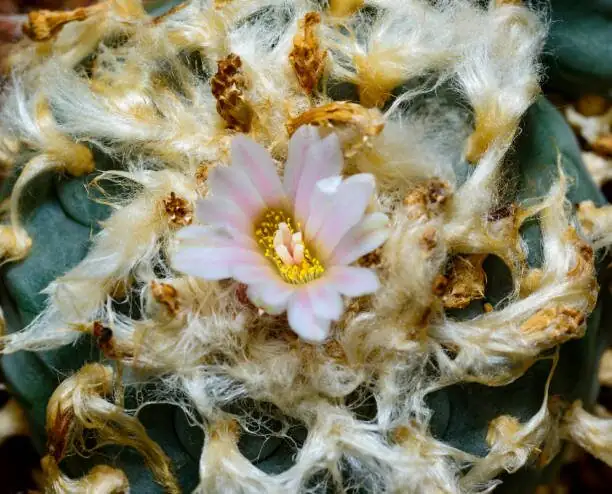
Those brief pink summer flowers are part of the charm—many cactus blooms are naturally short-lived, timed like tiny shooting stars. In modern “flower language” (a blend of Victorian floriography and contemporary lore), cacti often stand for resilience, patience, and quiet endurance: they thrive on less, endure the wait, and reward you in a flash of beauty when conditions are right. It’s less a strict historical code and more a cultural shorthand that fits this plant’s character perfectly.
Rapid-reference rescues
- Cottony tufts? Swab with 70% alcohol, soap-spray, repeat in 3–5 days, consider a systemic if severe.
- Stuck brown bumps? Pick off, alcohol dab, weekly soap-spray, systemic for heavy cases.
- Dusty speckling/webs? Rinse dust, soap-spray, boost airflow, repeat weekly x3.
- Soft base? Stop water, add sun + air. If odor or spread: unpot, cut back to healthy, sulfur, callus 3–7 days, re-root dry.
When in doubt, think brighter light, drier roots, moving air, and patient, consistent follow-up. With those pillars in place, your Sandcastle Cactus can keep stacking those whimsical turrets—and keep the pests and rot at the gate.