


The tree peony, or Paeonia × suffruticosa, is often hailed as the “king of flowers” in Chinese culture. Its majestic blooms and architectural structure make it a prized addition to any garden. Originating from the mountainous regions of China, tree peonies have been cultivated for centuries, admired for their stunning flowers and symbolic significance, often representing prosperity, honor, and romance. But how can you ensure that this regal plant thrives in your own backyard? Let’s dive into the essential care techniques for growing healthy tree peonies.
Understanding Your Tree Peony
Before we explore care techniques, it’s crucial to understand the nature of tree peonies. Unlike their herbaceous cousins that die back in winter, tree peonies maintain their woody stems throughout the year, forming a robust, clump-like structure. This feature not only contributes to their longevity but also makes them a striking presence in the garden.
Key Characteristics
- Size: Typically, tree peonies reach about 1–2 meters in height and 1–1.5 meters in width, depending on the cultivar.
- Foliage: The leaves are glossy, divided, and compound, maintaining their attractiveness throughout the growing season.
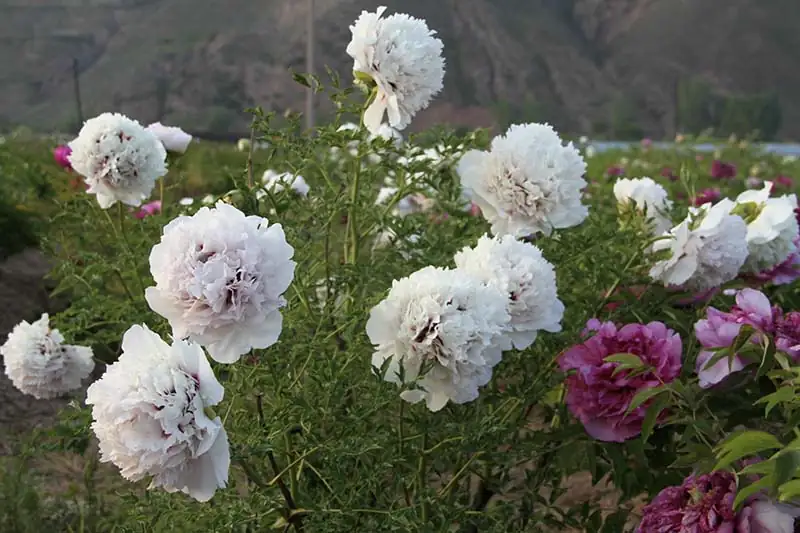
- Flowers: The blooms are large, often fragrant, and come in a variety of colors including white, pink, and red. They appear from late spring to early summer.
Light and Temperature Requirements
Tree peonies are versatile when it comes to sunlight. In cool-summer climates, they bask in full sun, while in hotter regions, they appreciate some afternoon shade to protect their delicate blooms from harsh midday heat. A spot with bright, dappled light is often ideal, akin to the filtered sunlight of a forest grove.

- Sunlight: Full sun to light shade.
- Temperature: They thrive in cool, temperate conditions, preferring temperatures around 13–18°C (55–64°F) during active growth and 15–20°C (59–68°F) for optimal flowering.
Soil and Planting Tips
Tree peonies are not fond of wet feet. The key to their success lies in well-drained, fertile soil. Imagine the soil as a sponge that holds enough moisture for hydration but never becomes waterlogged.
Soil Specifications
- Type: Deep, fertile, humus-rich loam.
- Drainage: Essential—ensure that the planting site or pot has excellent drainage.
- pH: Neutral to slightly acidic soils work best.
Planting Pointers
- Choose a site with little competition from other plants, as tree peonies do not like to be moved once established.
- Plant them deeply to encourage strong root systems and protect graft unions in grafted varieties.
Watering and Fertilization
Tree peonies require consistent moisture during their active growth phase but are more drought-tolerant once established. Think of watering them like a fine art—deep and infrequent rather than shallow and often.
Watering Schedule
- Newly Planted: Water deeply after planting and keep the soil evenly moist during the growing season.
- Established Plants: They can tolerate some drought, but consistent moisture in spring enhances bloom quality.
Fertilization Routine
- Feed every two weeks during the growing season. Switch to a high phosphorus and potassium fertilizer before and during blooming to support vibrant flowers.
- Avoid high nitrogen fertilizers that may encourage excessive leafy growth at the expense of blooms.
Pruning and Maintenance
Tree peonies don’t need the severe pruning their herbaceous counterparts do. Instead, a gentle touch is required:
Pruning Practices
- After Leaf Fall: Remove dead, weak, or overcrowded stems to improve airflow.
- Winter: Light structural pruning can shape the plant.
- Deadheading: Remove spent blooms to encourage healthier growth and prevent seed formation.

Seasonal Care Calendar
Following a seasonal care plan can help your tree peony thrive year after year. Here’s a quick guide:
- Spring: Ensure even moisture and start regular feeding as growth begins.
- Summer: Provide airflow and avoid waterlogging; in hot climates, offer light afternoon shade.
- Autumn: Ideal for planting or dividing. Clean up after leaf drop and prune for better structure.
- Winter: Keep dormant plants cool and protect containers from extreme conditions.
Common Challenges and Solutions
Why Isn’t My Tree Peony Blooming?
This is a common concern with a variety of potential causes:
- Too much summer heat or intense sun can inhibit bud formation.
- Incorrect planting depth or high nitrogen fertilizers may also be culprits.
- Remember, newly planted peonies might take a couple of years to fully settle and bloom.
Ants on Buds?
No need to worry! Ants are attracted to the sweet nectar and do not harm the flowers. They’re nature’s little helpers, keeping your blooms clean from other pests.
Conclusion
Growing tree peonies is a rewarding endeavor that combines patience and horticultural skill. By understanding their needs for light, soil, and seasonal care, you can enjoy these magnificent “kings of flowers” in your garden for decades. Whether they’re gracing a sunny courtyard or adding elegance to a shaded garden nook, tree peonies are sure to capture hearts and inspire admiration with their timeless beauty.


