

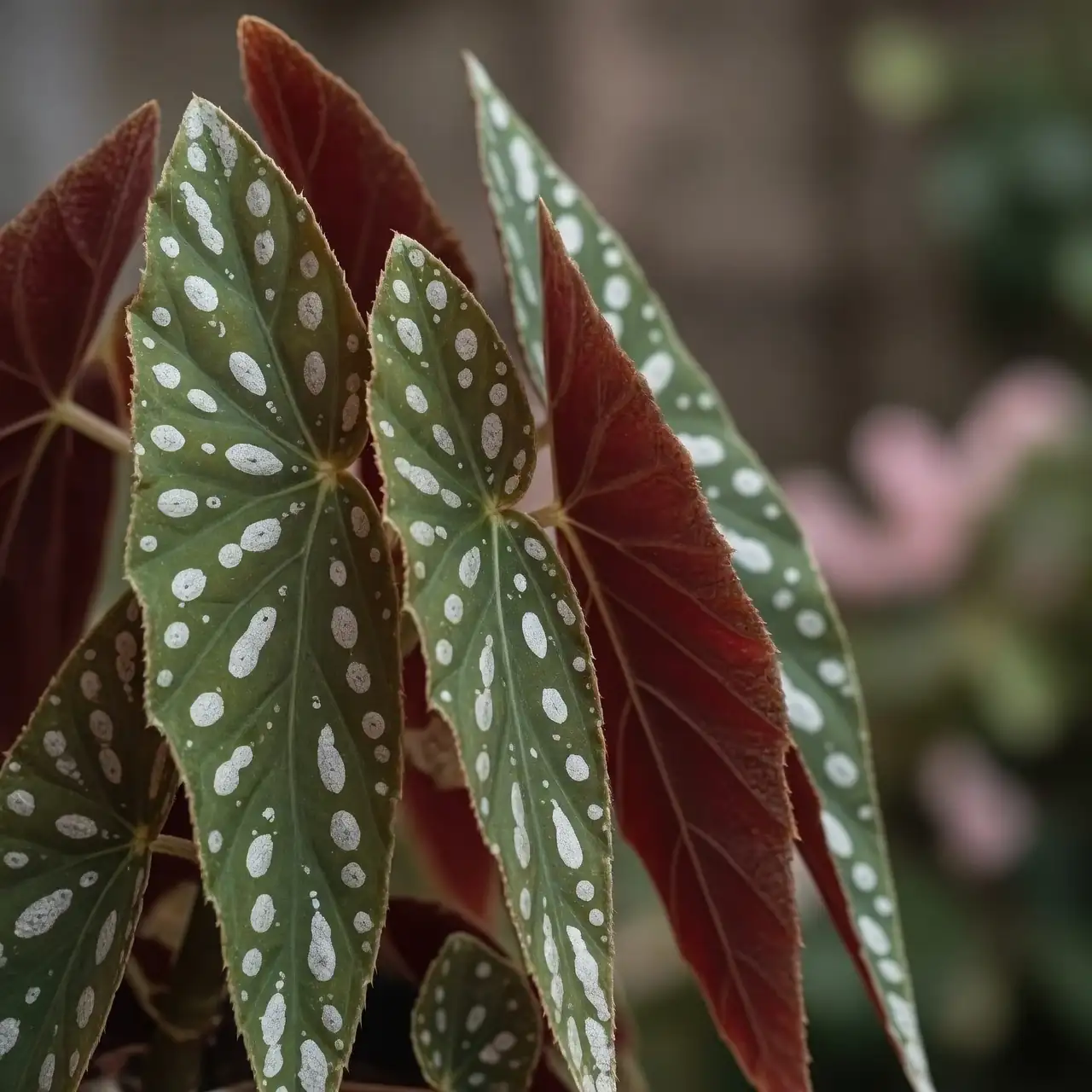
Meet the Star of Your Indoor Garden: Begonia maculata
Imagine a plant that not only boasts a unique, almost surreal appearance but also brings a touch of playfulness and elegance to any room. Enter the Begonia maculata, commonly known as the Polka Dot Begonia. With its angel-wing leaves adorned with crisp, silvery-white spots and a backdrop of dark green, this plant is a statement piece that demands attention. But what truly sets it apart is the reddish-burgundy hue of its leaf undersides, creating a striking display when light filters through.
This tropical beauty hails from the lush rainforests of Southeast Brazil, particularly the states of Espírito Santo and Rio de Janeiro. As a member of the Begoniaceae family, it’s not just about looks—it’s about embracing the allure of the tropics right in your living room.
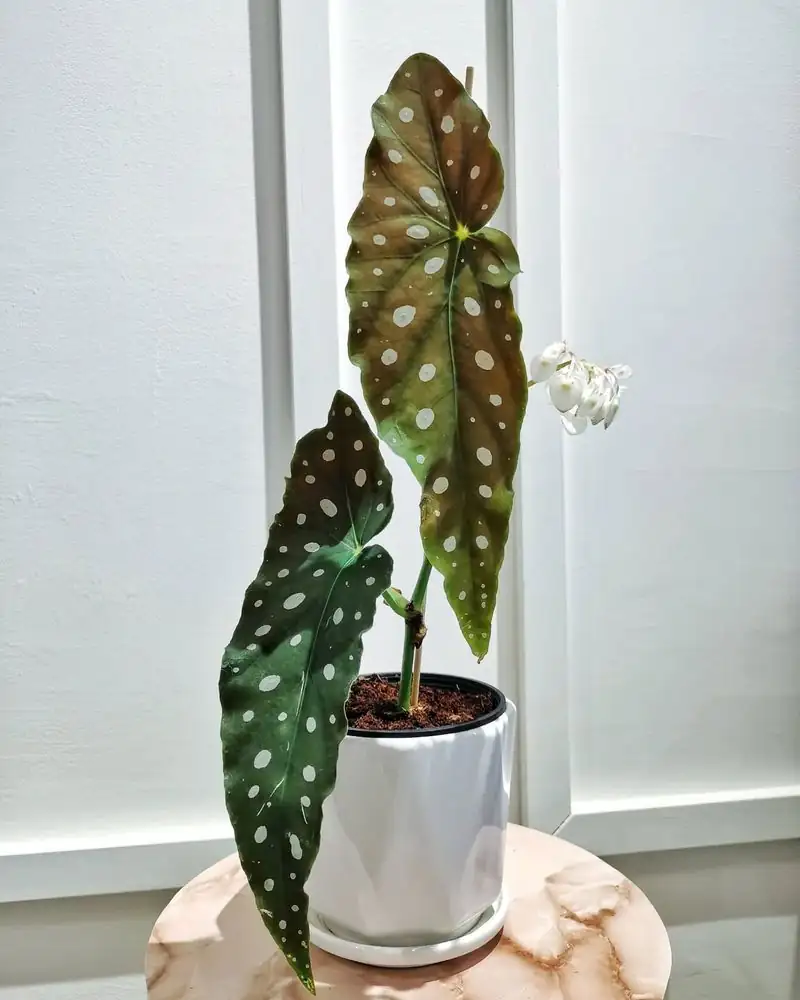
Light Requirements: Bright, Indirect, and Just Right
Begonia maculata thrives in bright, indirect light. Think of it as the diva of the plant world, enjoying the spotlight but not the harsh glare. Place it near an east or north-facing window, or position it behind a sheer curtain if in a south or west-facing location. This ensures the leaves won’t scorch under the harsh midday sun. For the most vibrant foliage and optimal blooming, aim for about six hours of bright, filtered light daily.
Watering: A Balancing Act
The Polka Dot Begonia might be easy-going, but it has a particular preference for its watering schedule. It’s like a Goldilocks story—too much water can lead to root rot, while too little might leave it parched. To keep it happy, water when the top 1–2 cm (1/2–3/4 inch) of soil feels dry. In summer, this might mean watering every 4–7 days, depending on your environment. Remember to let excess water drain away and avoid leaving the pot sitting in water. The goal is consistent moisture, not sogginess.
Humidity: Keep It Tropical
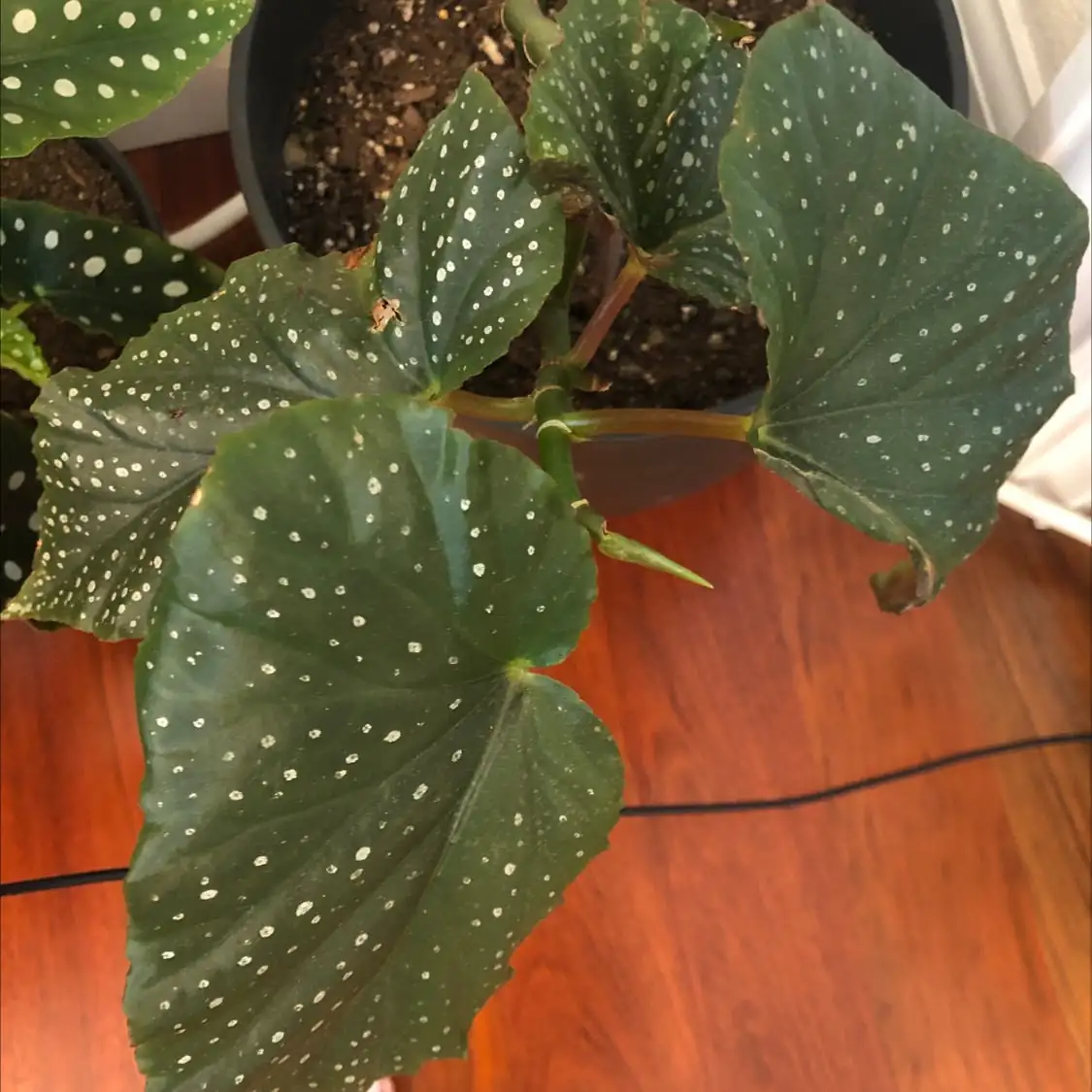
Humidity is the secret to unlocking the full potential of your Begonia maculata. This plant loves a humid environment, ideally around 50–70%. If your home is on the dry side, especially during winter, consider placing a humidifier nearby or grouping it with other plants to create a microclimate. Even a well-ventilated bathroom can be a great spot, as long as there’s enough light.
Soil and Potting: The Right Mix
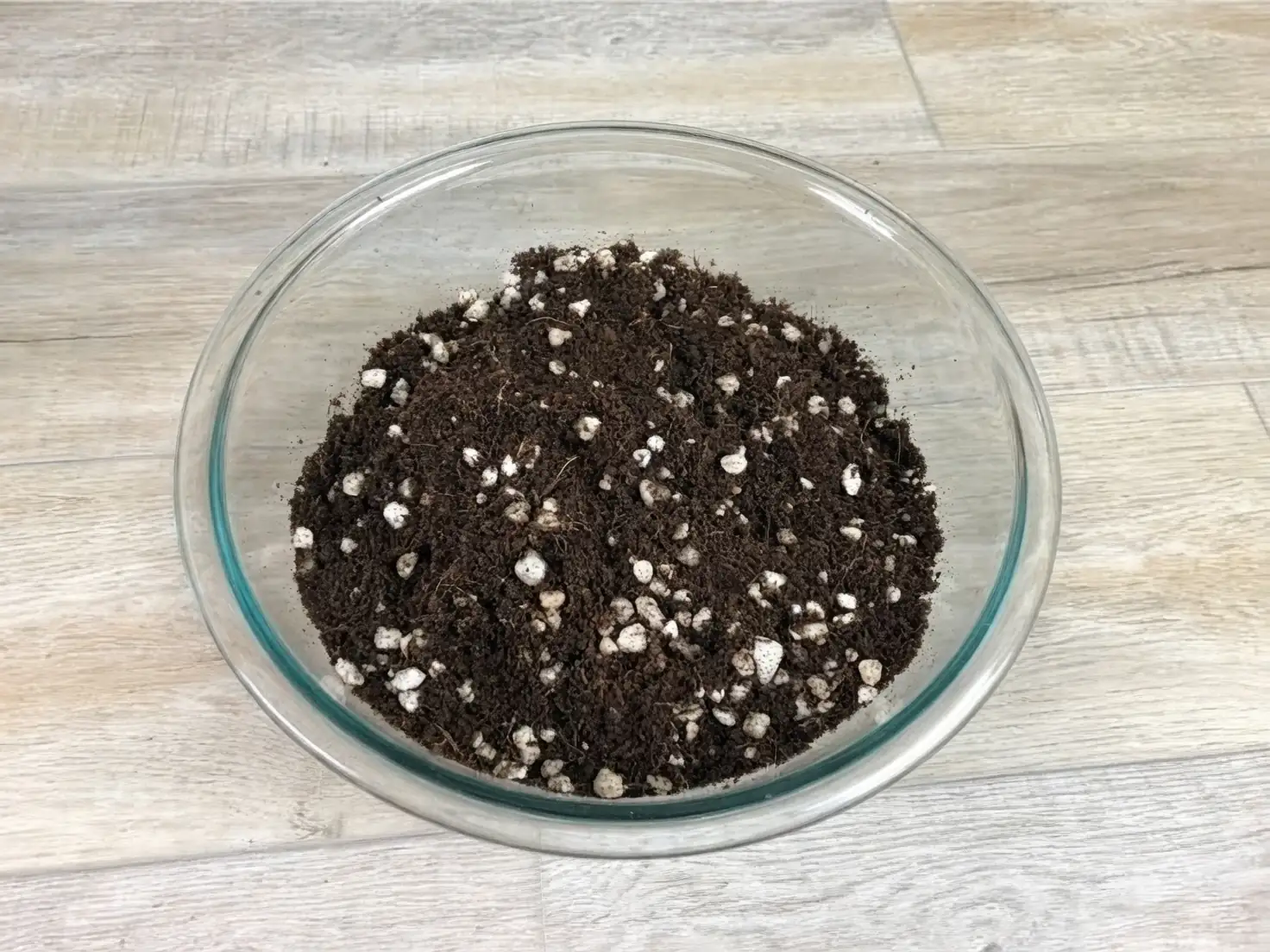
For the perfect home, plant your Begonia in a rich but airy, fast-draining potting mix. A blend designed for African violets, amended with perlite or fine bark, works wonders. This setup provides the slight acidity and drainage it craves. Always ensure your pot has drainage holes to prevent waterlogging—a common nemesis for this beauty.
Fertilization: Feed it Right
In spring and summer, when your Begonia is actively growing, a balanced liquid fertilizer at 1/4 to 1/2 strength every 2–4 weeks will keep it lush and vibrant. Avoid heavy nitrogen feeds, as they can push leaf growth at the expense of those lovely blooms. Come fall and winter, ease off the feeding schedule as growth slows.
Pruning and Propagation: Pinch, Clip, and Multiply
Pruning isn’t just about keeping your plant tidy; it encourages a bushier, more robust growth. Pinch the growing tips to stimulate branching, and remove any dead or leggy stems to maintain its form. After a bloom flush, or as growth slows in autumn, is the perfect time to prune.
Propagation is a breeze! Take a stem cutting with at least one node, remove the lower leaves, and root it in water or a moist, airy medium. With warmth and humidity, expect roots to form in about 2–4 weeks.
Common Challenges and Solutions
- Tall and Floppy Stems: This is classic cane-begonia behavior. Move your plant to brighter indirect light, pinch the tips, and consider staking it for support.
- Yellowing Leaves: Often a sign of overwatering, chilly drafts, or too little light. Check drainage and adjust your watering schedule.
- Brown Leaf Edges: Typically caused by low humidity or inconsistent watering. Increase humidity and ensure even moisture.
Safety Note
While the Polka Dot Begonia is a delight to the eyes, it’s toxic if ingested, especially to pets. It contains insoluble calcium oxalates, which can cause irritation and digestive upset. Keep it out of reach of curious pets and children.
Embrace the Elegance
With its captivating foliage and relatively easy care, the Begonia maculata is not just a plant—it’s a living piece of art. Whether you’re a seasoned plant enthusiast or a beginner, this begonia promises to add a touch of tropical elegance to your indoor garden. So, are you ready to let this polka-dotted wonder steal the show?


