


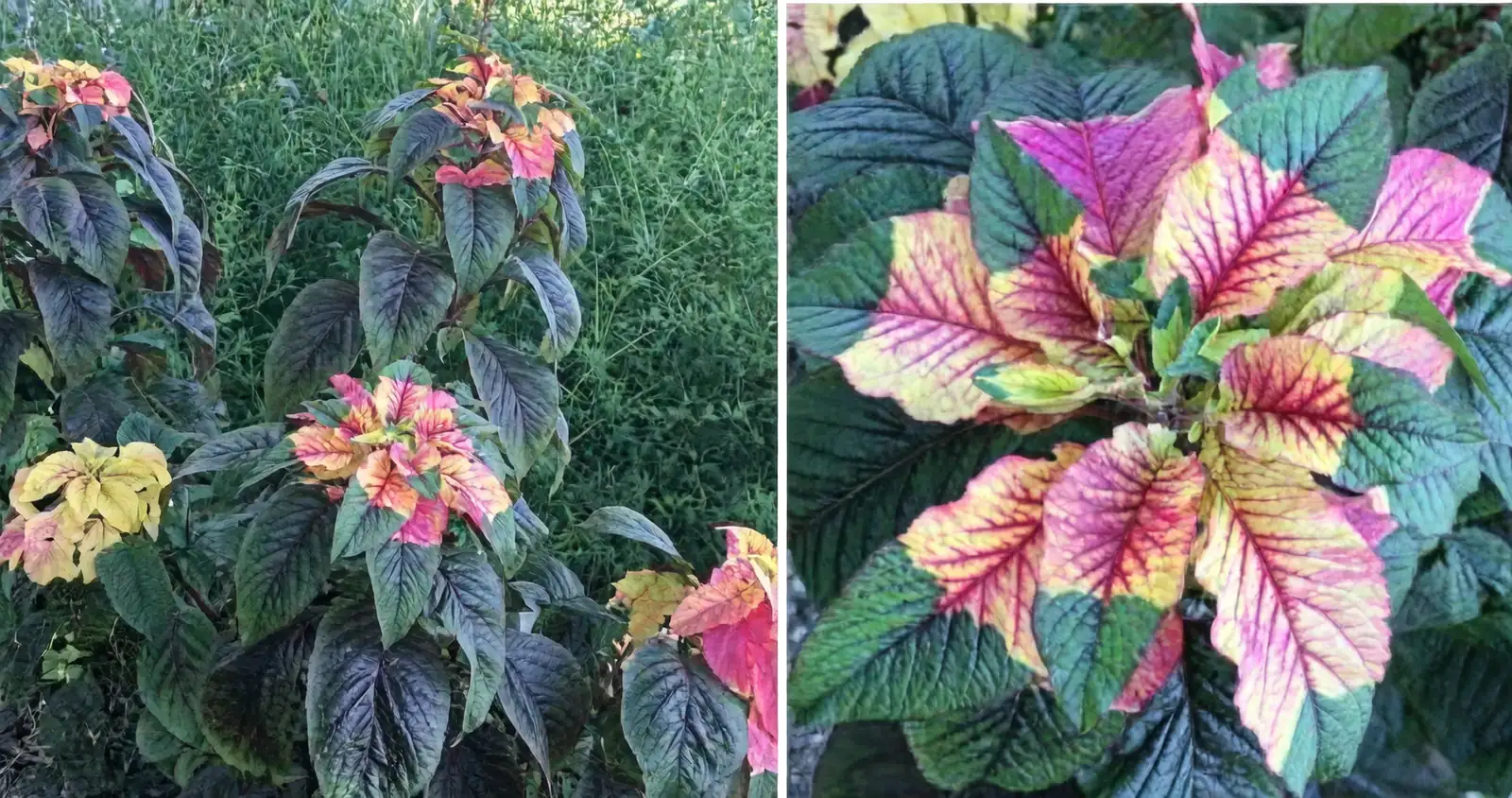
If you’re looking to add a splash of vibrant color to your garden, look no further than the dazzling Amaranthus tricolor L., affectionately known as Joseph’s Coat. This plant isn’t just a feast for the eyes with its kaleidoscopic foliage, but it’s also a low-maintenance delight that can thrive in various settings. Whether you’re aiming for a stunning backdrop in your flower bed or a colorful container display, Joseph’s Coat is your go-to plant. But how do you maintain those vivid hues throughout the season? Let’s dive in and explore some practical tips to keep this plant looking its best.
Light Up Your Garden: Sunlight and Placement
Joseph’s Coat thrives under the sun’s warm embrace. For the most intense colors, plant it in a spot that receives full sun. While it can tolerate partial shade, too much shade may cause the plant to grow leggy and lose some of its vibrant hues. Imagine your plant as a sunbather—it needs that light to show off its colors. In extremely hot climates, consider a bit of afternoon shade to prevent stress, but make sure it still gets plenty of light to keep those leaves blazing.
Optimal Placement
- Full Sun: Ideal for the brightest foliage.
- Part Shade: In hot climates, afternoon shade can prevent stress.
- Garden Use: Perfect for beds, borders, and as a bold background plant.
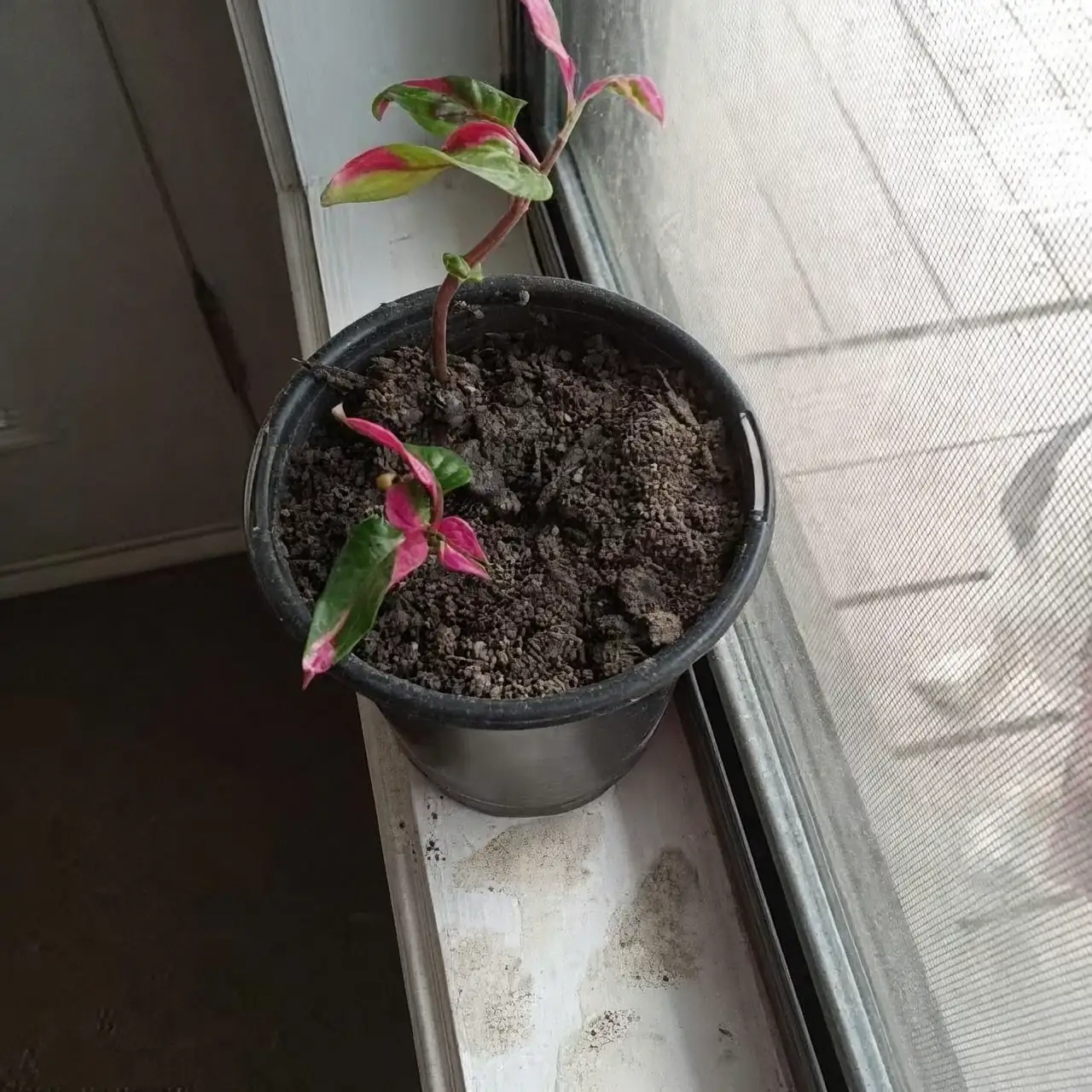
- Containers: Ensure excellent drainage and place in sunny locations.
Watering Wisely: Keeping It Balanced
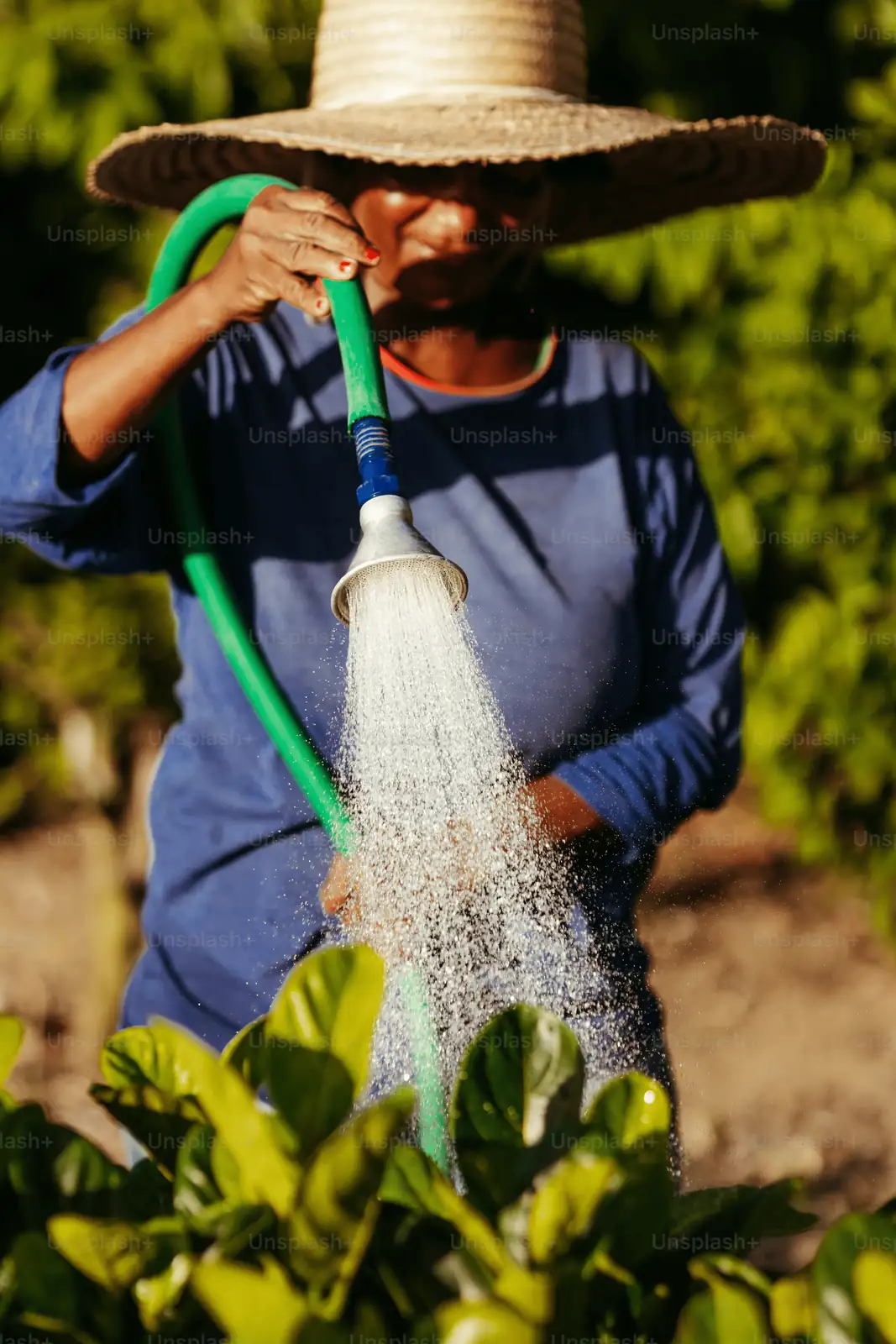
While Joseph’s Coat is relatively drought-tolerant once established, it thrives in consistently moist soil, especially during the hot summer months. Imagine your plant as a thirsty traveler—give it a drink, but don’t drown it! Overwatering can lead to root rot, so it’s crucial to find that sweet spot.
Watering Tips
- Regular Watering: Keep soil evenly moist, particularly in containers and during dry spells.
- Avoid Waterlogging: Ensure good drainage to prevent root rot.
- Drought Tolerance: Once established, it can handle short dry periods, but prolonged dryness can dull its vibrancy.
Feeding the Colors: Fertilization and Soil
Joseph’s Coat is like a colorful artist’s palette—it needs the right mix of nutrients to paint its leaves in vivid hues. Use a balanced approach with fertilizers to avoid overfeeding, which can lead to excessive green growth at the expense of color.
Fertilization and Soil Care
- Soil Preference: Moist, well-drained, and moderately fertile soil.
- Organic Amendments: Work compost into the soil at planting for a nutrient boost.
- Light Feeding: Use a balanced fertilizer sparingly to maintain foliage colors.
- Avoid Over-fertilizing: Too much nitrogen results in more green, less color.
Seasonal Secrets: Care Through the Year
Joseph’s Coat is a seasonal performer, with its peak during the warm months. To keep it in top form, adjust your care routine as the seasons change.
Seasonal Care Guide
- Spring: Start seeds indoors or sow outside after the last frost.
- Summer: Ensure plenty of sunlight, water regularly, and avoid heavy feeding.
- Fall: Collect seeds if desired; enjoy the foliage until frost arrives.
- Winter: Save seeds for next planting since the plant does not survive freezing.
Troubleshooting and Tips
Even the best of gardens face challenges. Keep an eye out for common issues, such as aphids or fungal diseases, and ensure good airflow and drainage to prevent them.
- Common Pests: Aphids can be managed with natural predators or mild insecticidal soap.
- Disease Prevention: Good drainage and air circulation are key to avoiding root rot and leaf spots.
- Pruning: Generally unnecessary, but you can remove flower spikes for a tidier look.
A Colorful Legacy
The name “Joseph’s Coat” is inspired by the biblical story of Joseph’s multicolored garment, a fitting tribute to the plant’s vibrant leaves. In Greek tradition, the name Amaranthus signifies “unfading,” reflecting the plant’s enduring beauty and the timeless appeal of its colorful foliage.
Whether you’re growing it for its ornamental appeal or as a nutritious leafy green, Joseph’s Coat is a plant that promises to bring joy and color to your garden. With these tips, you’re well on your way to cultivating a breathtaking display that will make your garden the envy of the neighborhood. Happy gardening!


