Growing houseplants can be a rewarding experience, as these green companions bring life to your home. To keep them healthy and thriving, proper fertilization is key. But how often should you fertilize your indoor jungle? Let’s dig into the specifics, so your plants can enjoy a balanced diet and flourish beautifully.
Understanding the Basics of Fertilization
Houseplants, unlike their outdoor cousins, live in pots where nutrient replenishment from natural sources is limited. Fertilizers provide essential nutrients like nitrogen (N), phosphorus (P), and potassium (K), which are crucial for leaf growth, root development, and overall health. Think of fertilizers as a supplementary meal plan for your green friends, ensuring they get what they need to grow strong and vibrant.
When to Fertilize Your Houseplants
The timing of fertilization is crucial. Generally, the best seasons to fertilize houseplants are spring and summer. This is when plants are in their active growth phase, soaking up nutrients to fuel new leaves and stems. In contrast, during the fall and winter, many houseplants enter a period of dormancy. Just as you might slow down in colder months, so do your plants. During this time, they require little to no fertilization.
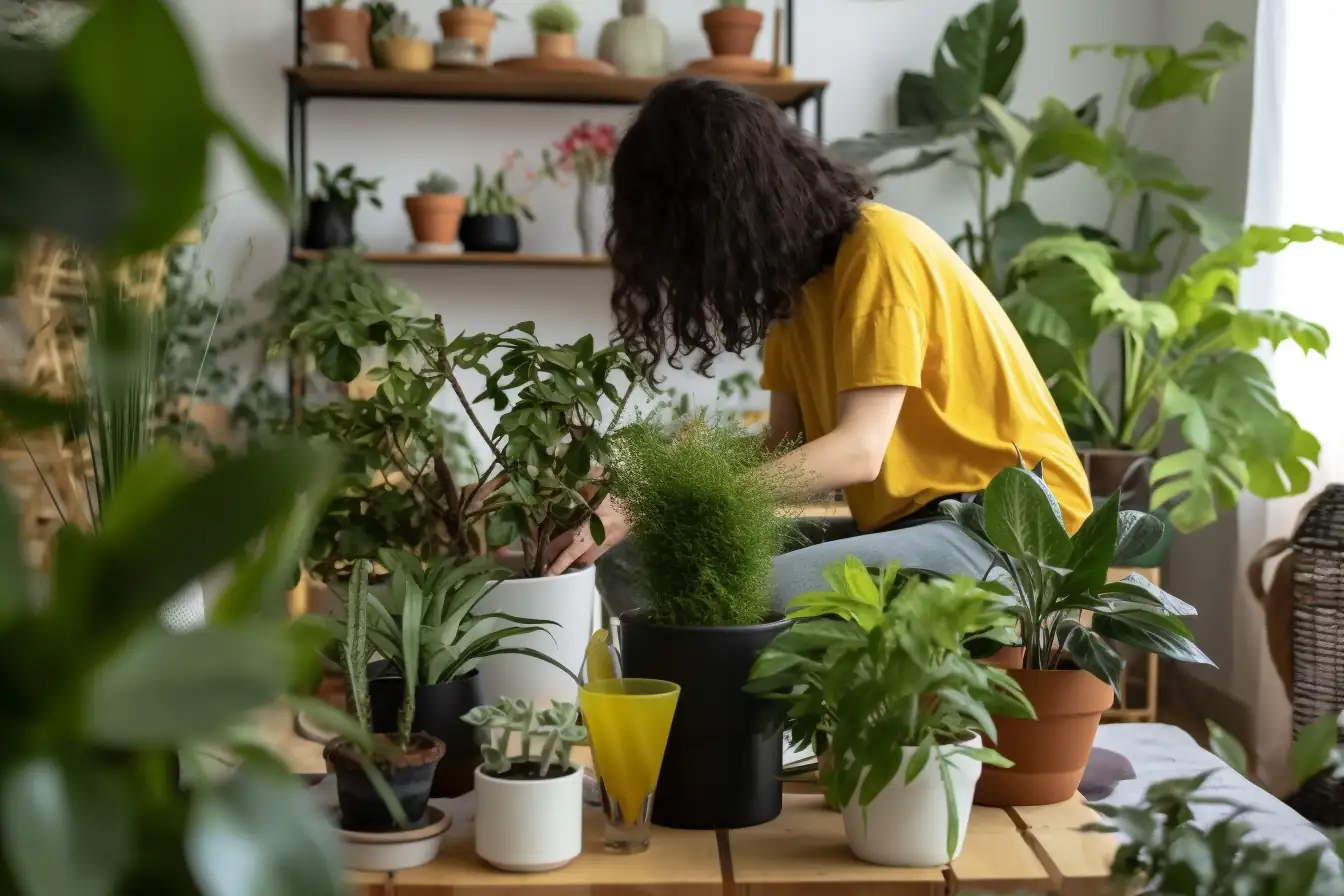
How Often Should You Fertilize?
The frequency of fertilization depends on the type of fertilizer you use and your specific houseplants’ needs. Here’s a simple guideline:
- Liquid Fertilizers: These are popular for their ease of use and are typically applied every 2-4 weeks during the growing season.
- Granular or Slow-Release Fertilizers: These can last longer, requiring application only once every 2-3 months.
- Spikes or Tablets: Convenient but less precise, these are generally used every 3-4 months.
Always follow the product-specific instructions carefully, and remember that less is often more. Over-fertilizing can lead to nutrient burn, causing leaf tips to brown and plants to wilt.
Common Mistakes and How to Avoid Them
- Over-Fertilization: It’s tempting to think more fertilizer will lead to faster growth. However, this can harm your plants. If you notice any signs of over-fertilization like scorched leaf edges, dial back the feeding.
- Ignoring Dormancy: Fertilizing during a plant’s dormant period can do more harm than good. Watch for slowed growth, a natural indicator that your plant is resting.
- Wrong Fertilizer Type: Not all plants are created equal. Flowering plants like African violets may prefer a fertilizer higher in phosphorus, while foliage plants benefit from nitrogen-rich formulas.
Practical Tips for Successful Fertilization
- Dilute Wisely: When using general-purpose fertilizers, dilute them to half or even a quarter of the recommended strength. This prevents overwhelming your houseplants.
- Observe and Adapt: Pay attention to your plants’ responses. If they look lush and healthy, you’re likely on the right track. If they seem stressed, reassess your fertilization strategy.
- Keep a Schedule: Use a calendar or plant care app to remind you when it’s time to feed your plants, keeping things consistent and manageable.
By understanding when and how to fertilize, you can ensure your houseplants receive the nutrients they crave, supporting their growth and keeping your indoor oasis green and vibrant. So grab that watering can and fertilizer, and give your plants the care they deserve!