

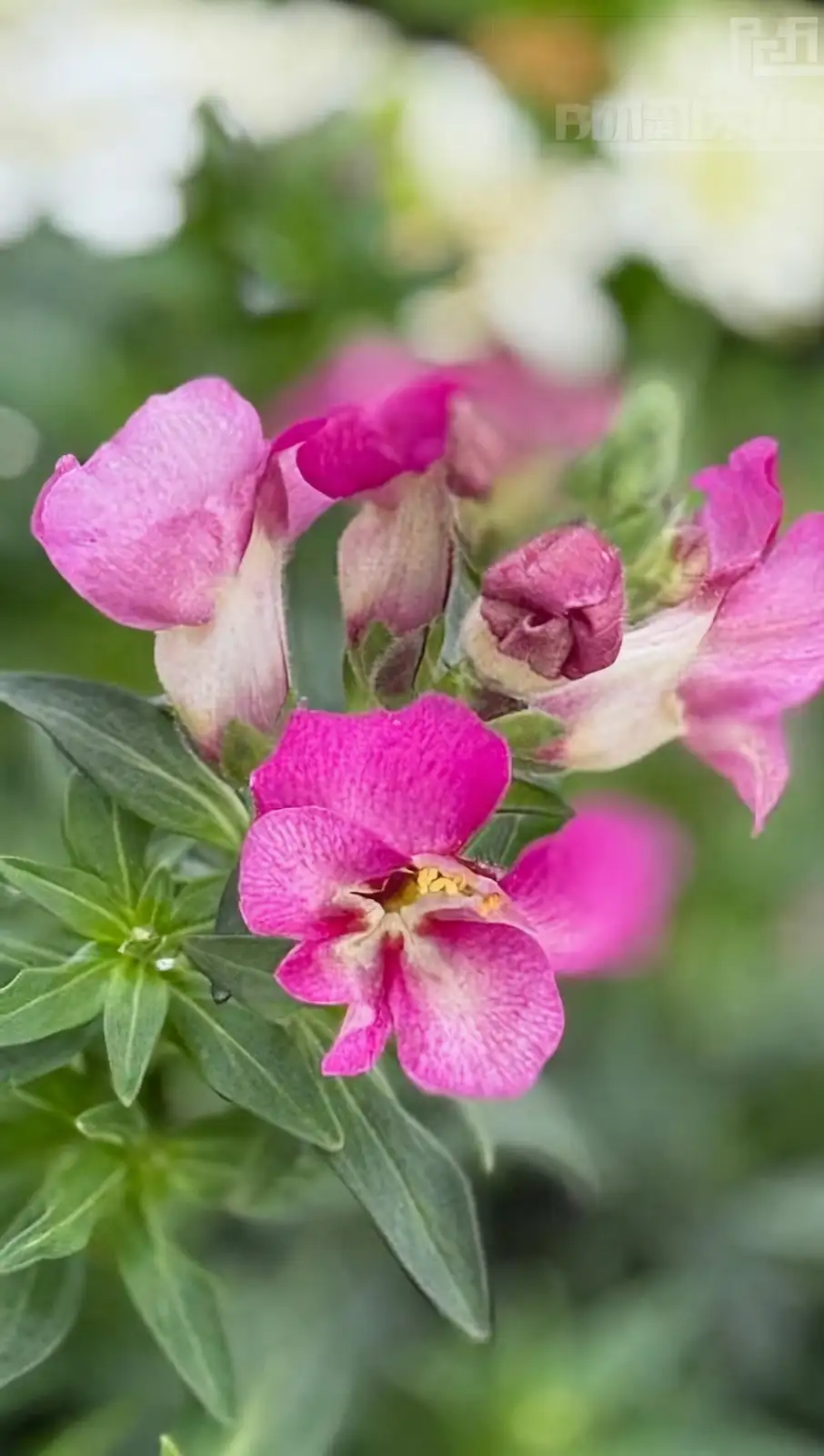
When you think of bright, cheerful blooms that instantly add a pop of color to your garden, snapdragons (Antirrhinum majus) are likely contenders. With their playful “dragon mouth” flowers that open when squeezed, snapdragons are not just a visual delight but also a joy to propagate. Whether you’re a newbie gardener or a seasoned green thumb, learning to propagate these charming flowers can be a rewarding adventure. Let’s dive into the techniques for starting snapdragons from seeds, stem cuttings, and divisions to fill your garden with these vibrant blooms.
Seed Starting: Nurturing from the Ground Up
Timing and Preparation
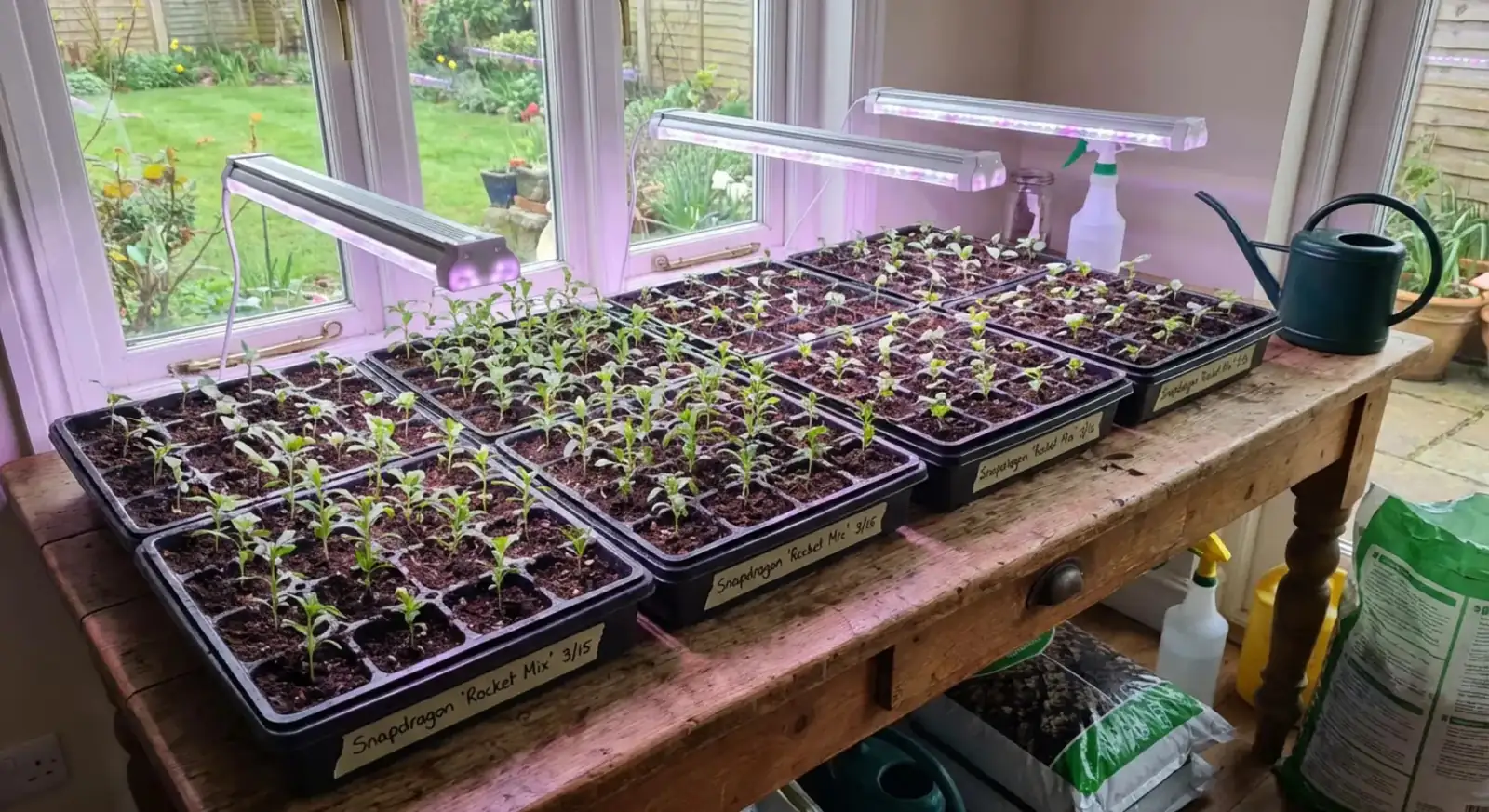
Seed propagation is a classic way to start snapdragons, perfect for those who enjoy the full journey from tiny seed to blooming plant. The best time to start seeds indoors is about 8–10 weeks before the last expected frost date. Snapdragons thrive in cooler temperatures, so early spring is ideal.
Steps for Successful Seed Germination
- Gather Your Supplies: You’ll need seed-starting trays, a good-quality seed-starting mix, and snapdragon seeds.
- Sow the Seeds: Since snapdragon seeds need light to germinate, gently press them onto the surface of the soil without covering them. A light misting of water will help settle them in.
- Create the Right Environment: Maintain a temperature of 15–21°C (60–70°F) for optimal germination, which typically takes 10–14 days. A sunny windowsill or a grow light can provide the necessary light.
- Transplanting: Once seedlings have a couple of true leaves, harden them off by gradually introducing them to outdoor conditions before planting them in your garden after the danger of frost has passed.
Propagating from Cuttings: Quick and Reliable
Why Choose Cuttings?
If you’re looking for a faster route to mature plants or want to clone a particularly beloved variety, stem cuttings are your go-to method. This method skips the seedling stage, reducing vulnerability to diseases like damping off.
Taking and Rooting Cuttings
- Select Your Parent Plant: Choose a healthy, mature plant for cuttings.
- Gather Tools and Materials: You’ll need sharp scissors, rooting hormone (optional), pots, and a well-draining potting mix.
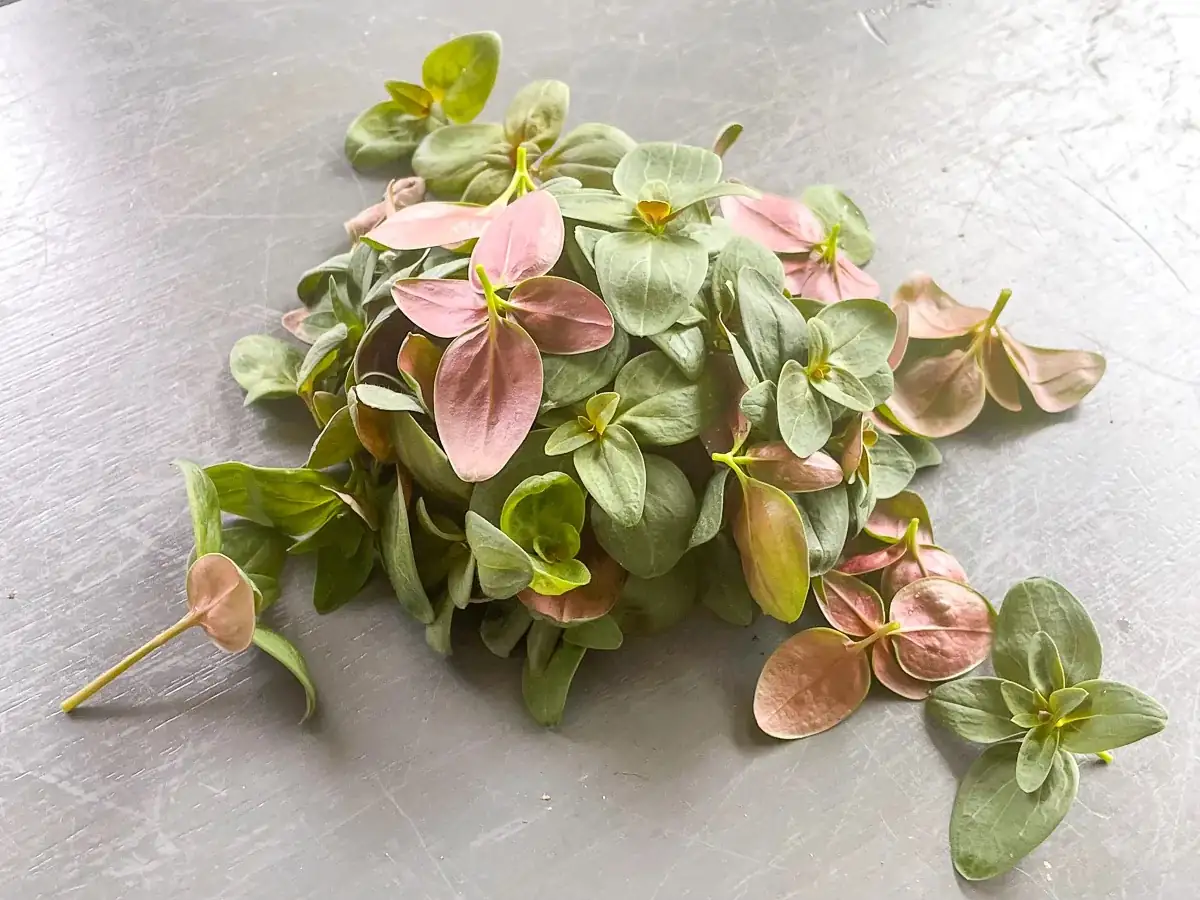
- Take the Cuttings: Snip off a non-flowering stem about 10–15 cm (4–6 in) long. Remove the lower leaves.
- Rooting Process: Dip the cut end in rooting hormone and plant it in moist potting mix. Cover with a plastic dome or bag to maintain humidity, but ensure good airflow to prevent mold.
- Care and Transplanting: Once roots develop in a few weeks, gradually acclimate the new plants to outdoor conditions before planting them in the garden.
Division: Splitting for Success
When and Why to Divide
Dividing snapdragons is less common but a practical way to rejuvenate older plants and prevent overcrowding. This method is best done in late summer or early fall.
How to Divide Snapdragons
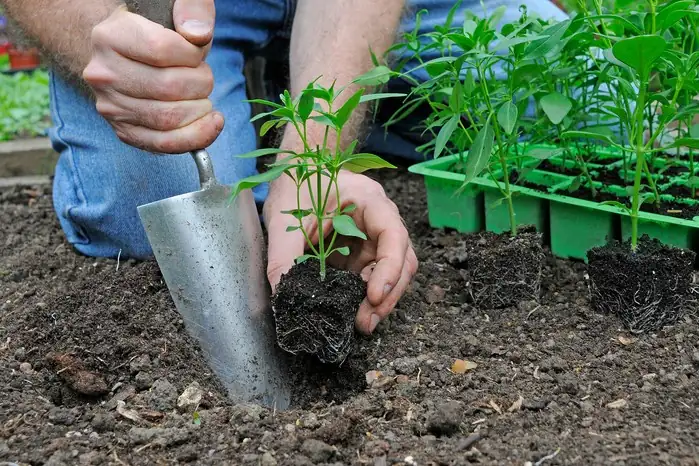
- Dig Up the Plant: Carefully lift the entire plant from the ground.
- Separate the Root Mass: Gently divide the root ball into smaller sections, ensuring each has foliage attached.
- Replanting: Plant each division in its own spot or container, water well, and allow them to settle before winter sets in.
Care Tips for Thriving Snapdragons
Once your snapdragons are established, their care is relatively straightforward. They prefer full sun but can tolerate partial shade, especially in hotter climates. Keep the soil consistently moist but not waterlogged, and apply a balanced fertilizer every 2–4 weeks during active growth for vibrant blooms. Regular deadheading will keep the flowers coming, and a light mulch can help retain soil moisture and suppress weeds.
Final Flourish: Snapdragons in Your Garden
Whether you’re drawn to snapdragons for their whimsical blooms or their resilience in cooler weather, propagating them is a delightful endeavor. From seed to division, each method offers a unique way to bring more of these colorful characters into your garden. As you watch your new snapdragons grow and bloom, you’ll not only enjoy their beauty but also the satisfaction of having nurtured them into life. Happy gardening!


