

Unveiling the Secrets to Thriving Goeppertia makoyana
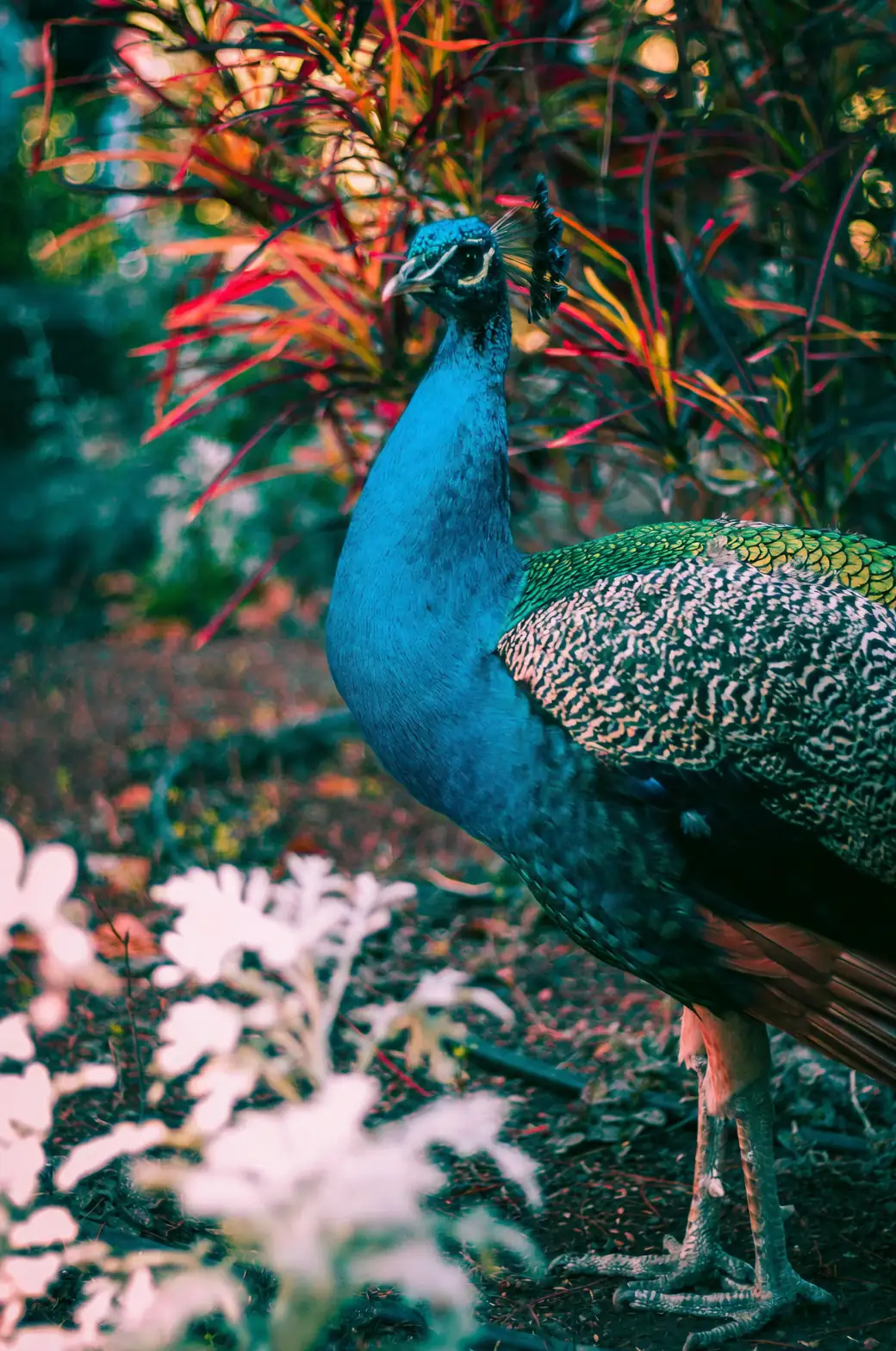
If you’re looking to add a touch of the rainforest’s elegance to your home, look no further than the Goeppertia makoyana, affectionately known as the Peacock Plant. This stunning foliage plant, native to the tropical rainforests of eastern Brazil, is celebrated for its intricate leaf patterns that mimic the plumage of a peacock. With its striking silvery-green leaves and rich burgundy undersides, it’s easy to see why this plant is a showstopper in any indoor setting. But as any peacock plant owner will tell you, this beauty can be a bit finicky. Let’s delve into the secrets of keeping your Peacock Plant happy and thriving.
The Right Light: A Balancing Act
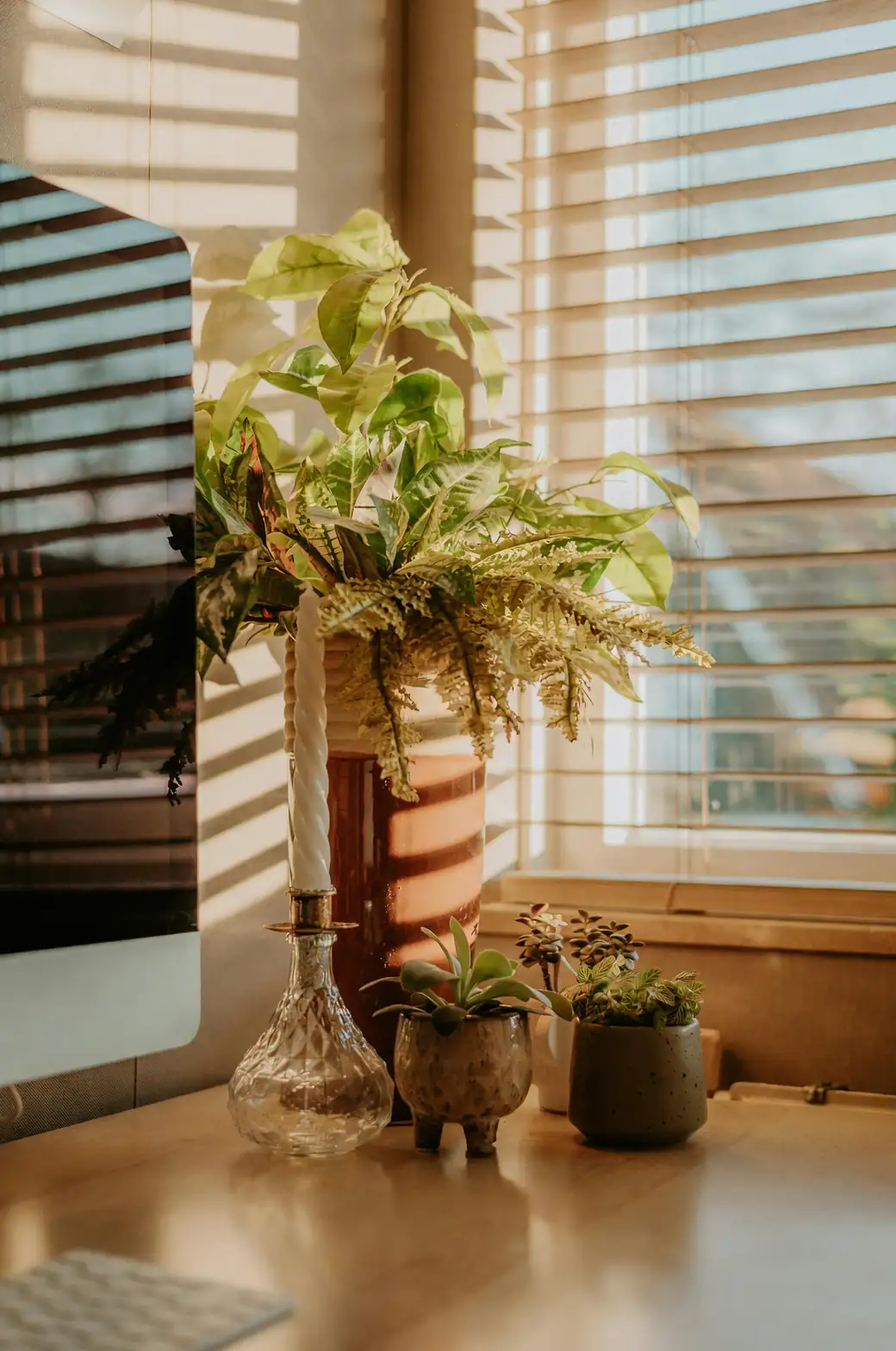
Imagine the dappled light filtering through the canopy of a tropical rainforest—this is the kind of lighting your Peacock Plant craves. Bright, indirect light is ideal, and the plant will also do well in medium indirect light. Placing it near an east or north-facing window or behind a sheer curtain is perfect. Too much direct sunlight, however, can scorch the leaves and fade the intricate patterns, while very low light can lead to slower growth and faded markings.
Water Wisely: The Goldilocks Principle
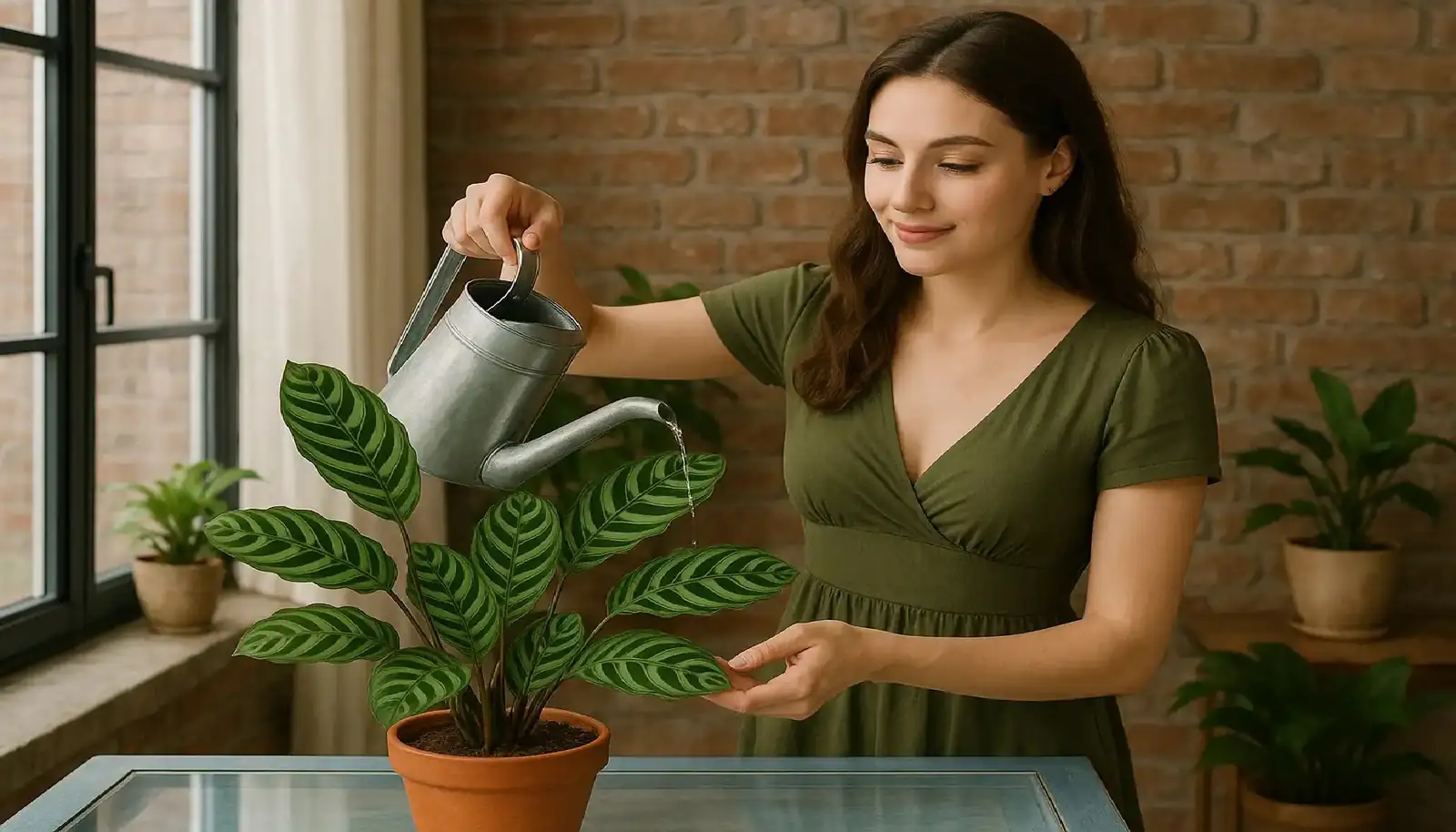
When it comes to watering your Peacock Plant, consistency is key. Think of the soil as a sponge that should be kept evenly moist, but never soggy. During the growing season—spring through autumn—water when the top 2.5 to 5 cm (1 to 2 inches) of soil feels just dry. In winter, ease up slightly and aim for “barely moist.” Use rainwater, distilled, or filtered water, as hard tap water can lead to browning leaf tips and edges.
Keep it Humid: Embrace the Jungle Vibe
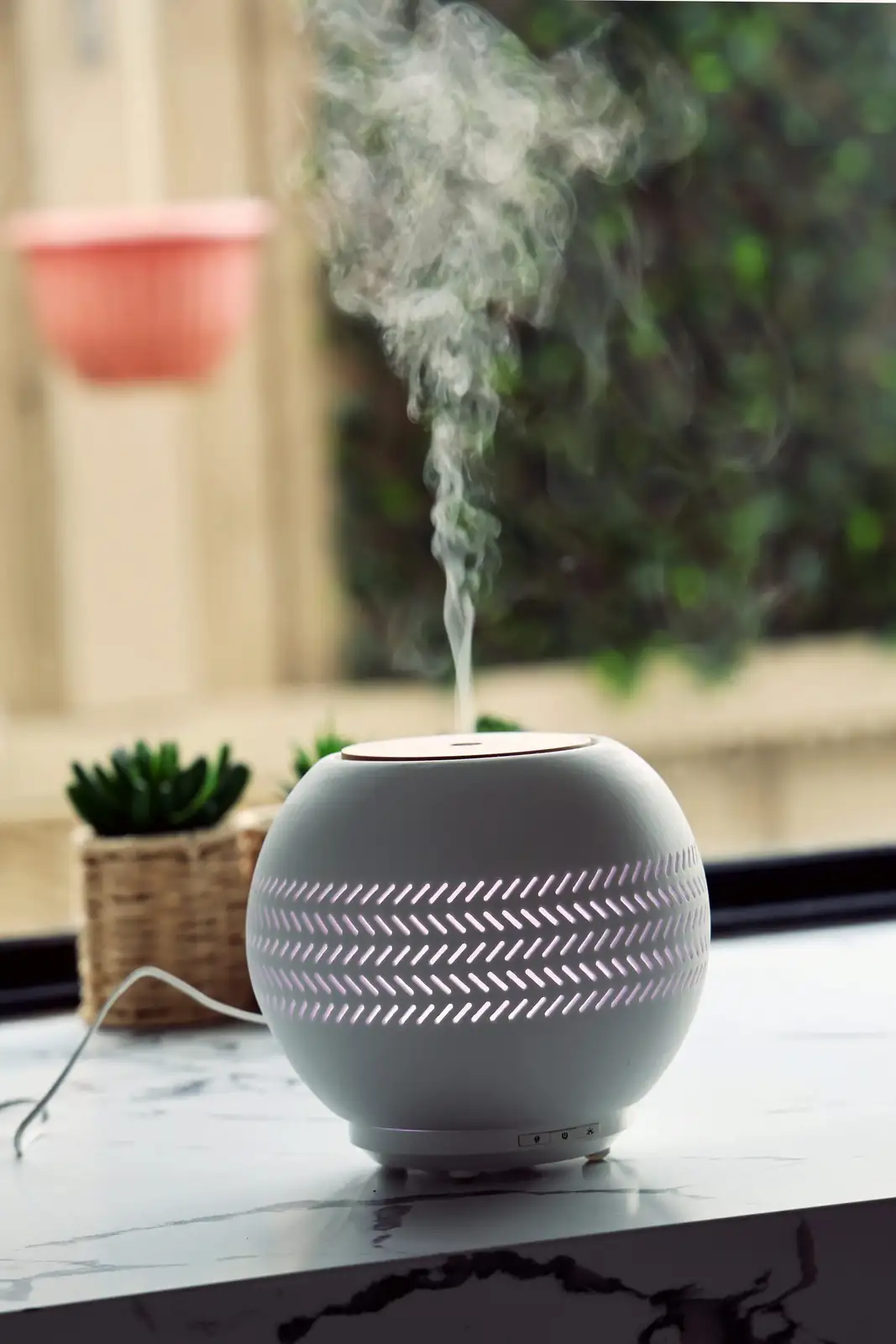
Humidity is the love language of the Peacock Plant. Aim for a humidity level of 60-80%, which can be achieved with the help of a humidifier, grouping plants together, or using a pebble tray. This is especially crucial when new leaves are unfurling—a lack of humidity can lead to curling or browning leaves.
Temperature and Placement: Warmth is Key
Your Peacock Plant will thrive in temperatures between 16-24°C (61-75°F). It’s important to avoid cold drafts and sudden temperature swings, which can stress the plant. Keep it away from heaters and air conditioning vents. The plant is not frost-hardy, so it’s best kept indoors year-round in most climates.
Soil and Potting: The Right Mix
Use a moisture-retentive but well-draining potting mix. A blend of 2 parts quality peat-free houseplant mix or coco-based substrate to 1 part perlite is ideal. The pot should have good drainage to prevent root rot. Repotting is generally needed every 2-3 years, or when the plant becomes rootbound.
Feeding and Pruning: A Gentle Touch
During the growing season, feed your Peacock Plant every two weeks with a balanced liquid fertilizer at half strength. In winter, reduce feeding to once a month if the plant continues to grow. Pruning is minimal; remove yellowing or damaged leaves to keep it looking its best.
Troubleshooting Common Issues
- Brown Leaf Edges: This is usually a sign of low humidity, mineral-heavy water, or inconsistent watering. Increase humidity and switch to rain, distilled, or filtered water.
- Leaves Curling: Often due to underwatering, too much direct light, or low humidity. Adjust watering and light, and increase humidity.
- Leaf Movement: Witness the magic of nyctinasty! The leaves move in response to day and night cycles, a fascinating feature that adds life to your space.
A Symbol of Grace and Tranquility
The Peacock Plant, with its rhythmic leaf movements, stands as a symbol of beauty, hope, and tranquility. It brings a sense of calm and harmony to your home, much like the quiet elegance of a peacock’s display. Enjoy the vibrant presence of this botanical gem and let it transform your indoor sanctuary into a lush oasis.


