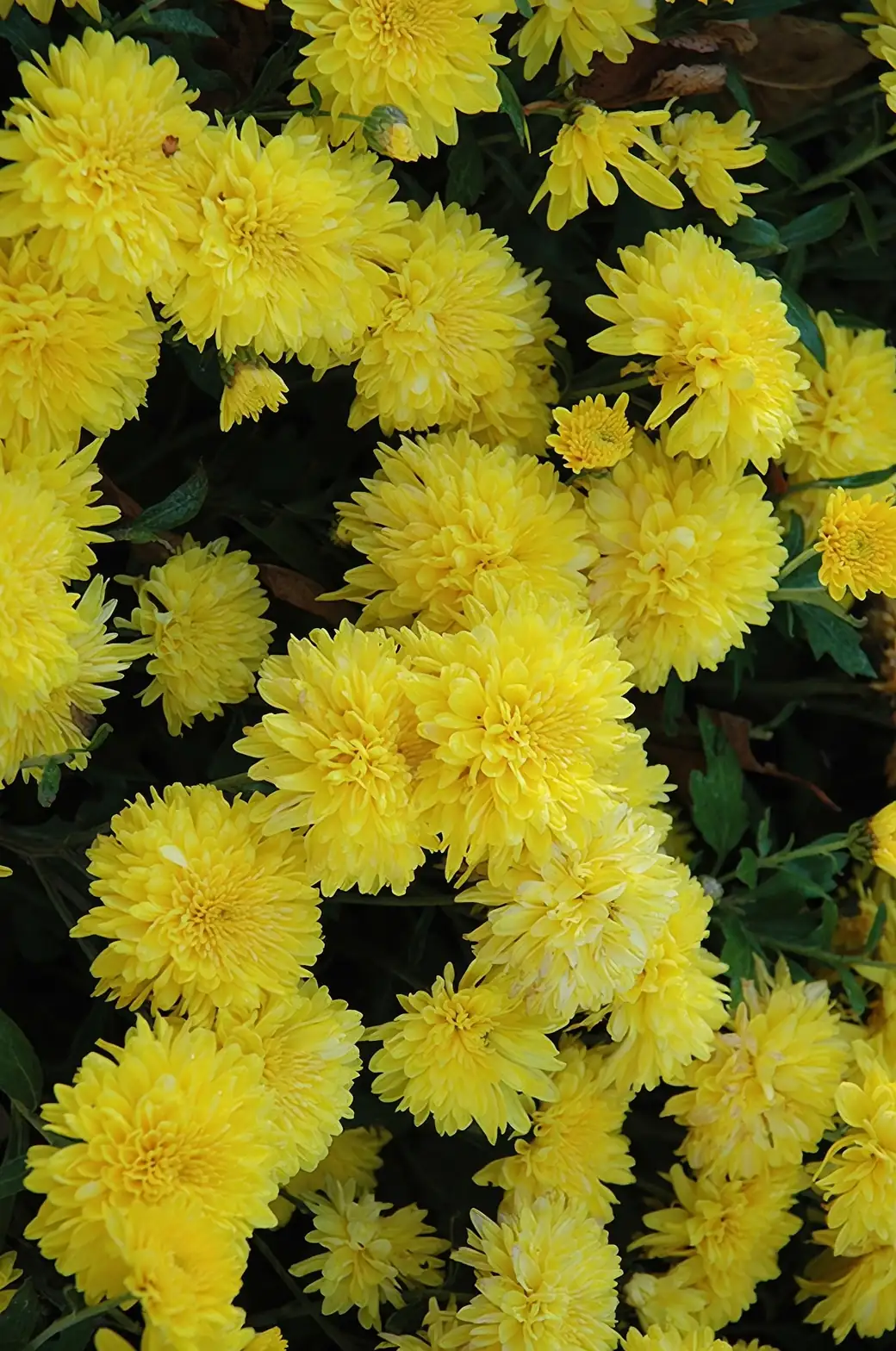
As the days grow shorter and the air turns crisp, gardens across the globe come alive with the vibrant hues of Chrysanthemum × morifolium, more affectionately known as mums. These quintessential fall flowers, often called the “Queen of Fall Flowers,” have been cherished for thousands of years, bringing joy and color to gardens and homes alike. Whether you’re a gardening novice or a seasoned horticulturist, let’s dive into the art of nurturing these stunning perennials to keep them thriving season after season.
Understanding Chrysanthemums
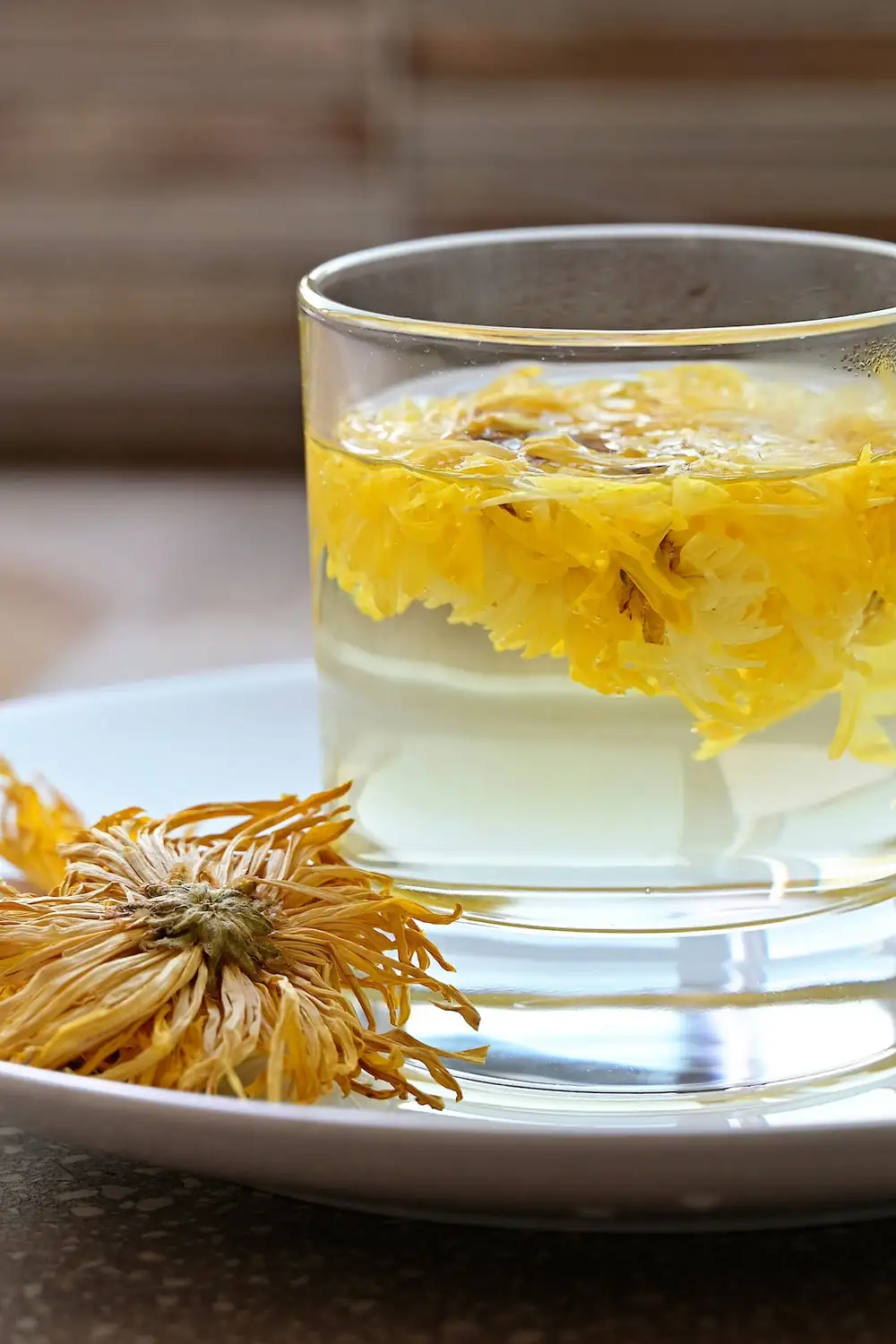
Originating from China and East Asia, chrysanthemums found their way to Japan in the 8th century, Europe in the 17th century, and North America by the 19th century. This journey has left them deeply embedded in various cultures, symbolizing everything from noble character and longevity in China to being the emblem of the Japanese monarchy, known as the “Chrysanthemum Throne.” These flowers are not only ornamental but also hold medicinal and culinary significance, notably in the form of chrysanthemum tea.
Light and Location: Setting the Stage
Chrysanthemums crave sunlight, requiring at least 5–6 hours of direct sun daily. This makes them perfect candidates for a sunny garden spot or a well-lit porch. However, in extremely hot climates, a bit of afternoon shade can keep them from wilting. Place them thoughtfully, avoiding areas with bright night lighting as this can interfere with their bloom cycle—remember, they’re short-day plants that initiate flowering as the days shorten.
Soil and Watering: The Foundation of Growth
Rich, fertile, well-draining soil is a chrysanthemum’s best friend. Aim for a loamy or sandy mix with a pH between 6.0 and 7.0. Adding organic matter such as compost or well-aged manure will enhance the soil’s fertility and drainage capabilities.
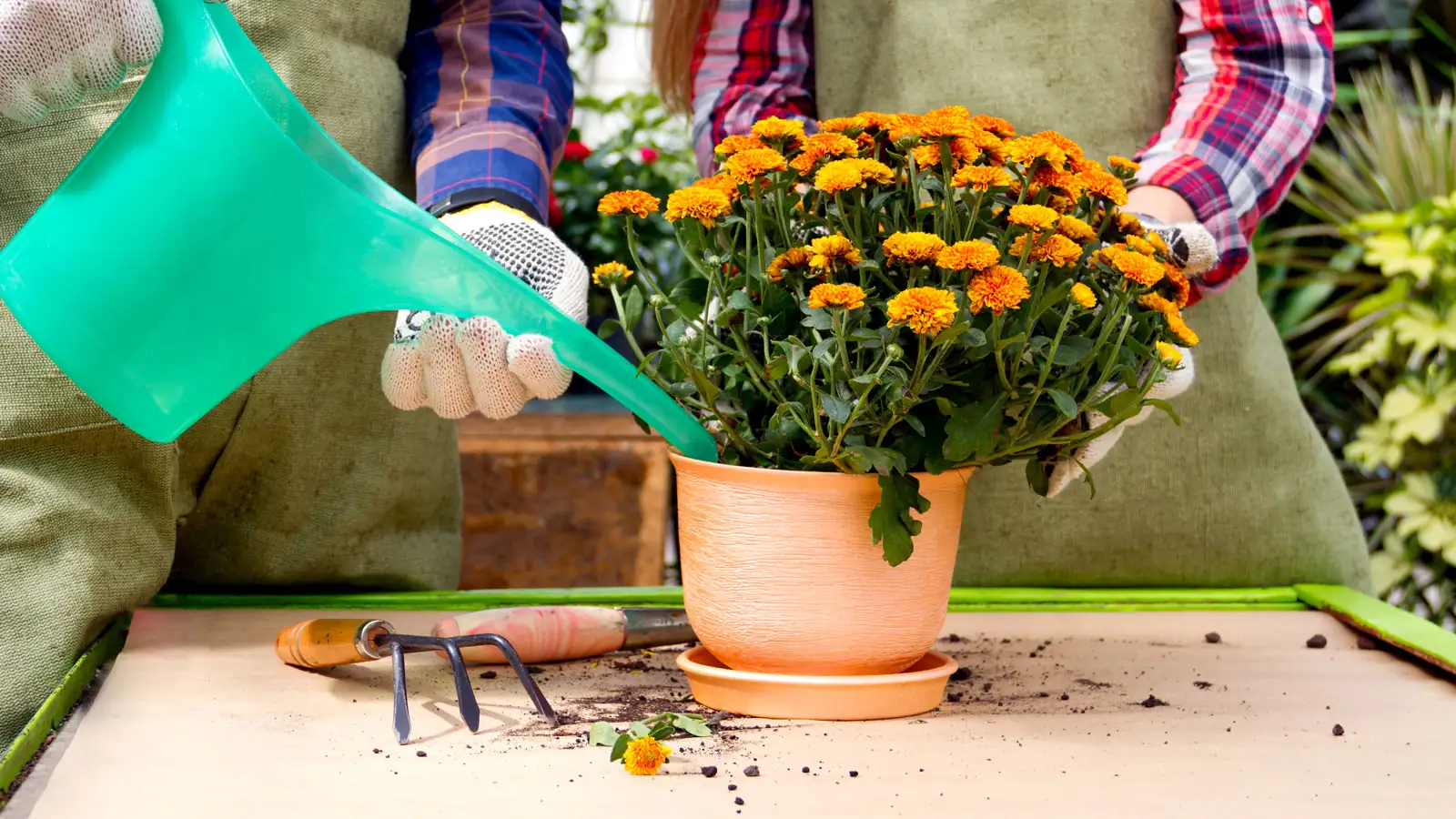
Watering is a balancing act—keep the soil evenly moist but never soggy. Deep watering at the surface is ideal, allowing the roots to absorb moisture without promoting leaf diseases. In containers, mums may require daily watering during the heat of summer, but be sure to let excess water drain away freely.
Feeding and Fertilization: Fuel for Blooms
Chrysanthemums are hungry plants. A balanced fertilizer (like 10-10-10) used monthly during the growing season will support vigorous growth. As buds begin to form, switch to a bloom-supporting fertilizer rich in phosphorus. Be cautious not to over-fertilize, especially with nitrogen, as it can lead to lush foliage with fewer blooms.
Pruning and Pinching: Crafting the Perfect Shape
To encourage a bushy, flower-laden plant, regular pinching is essential. Start when your plants reach about six inches tall, removing around ¾ inch of new growth every 2–3 weeks. This process should continue until mid-July in cooler climates or early August in warmer areas. After flowering, leaving dead stems through winter acts as insulation, and these can be trimmed back come spring.
Seasonal Care: Adapting with the Seasons
- Spring: Begin planting after the last frost, and start your pinching routine.
- Summer: Maintain regular watering and feeding. Pinching should continue until 100 days before your target bloom window.
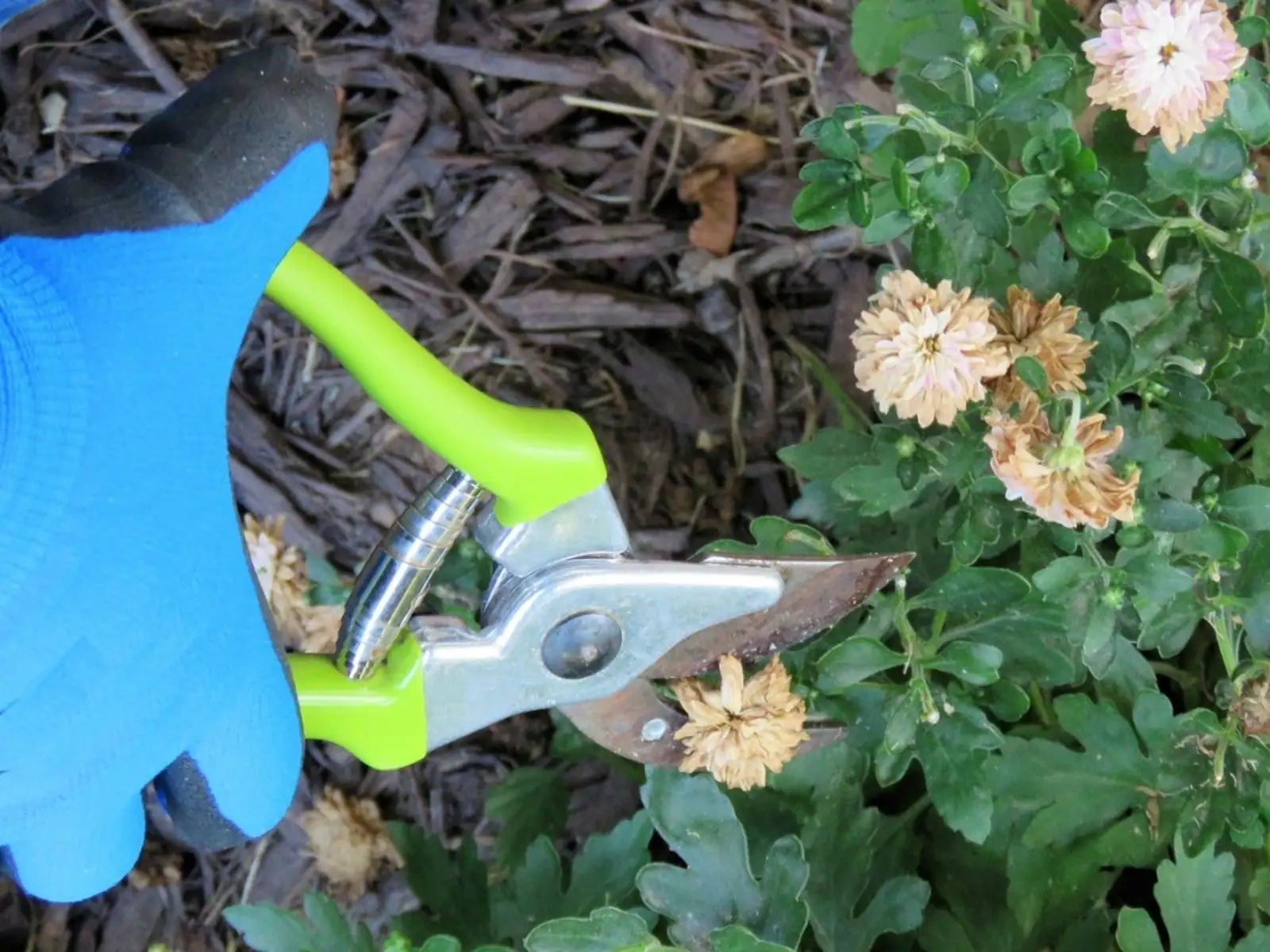
- Fall: Enjoy the peak bloom by deadheading spent flowers to extend the display. Reduce watering slightly as the plant enters dormancy.
- Winter: Mulch the roots after the ground freezes to protect them from harsh temperatures. Potted mums should be moved to a cold, protected location like a garage, with minimal watering to prevent desiccation.
Common Problems and Solutions
Chrysanthemums can face challenges from pests like aphids and diseases such as powdery mildew. Ensure good air circulation and avoid overhead watering to minimize these risks. For those with pets, be aware that mums are toxic to cats, dogs, and horses, so keep them out of reach.
Propagation: Growing Your Collection
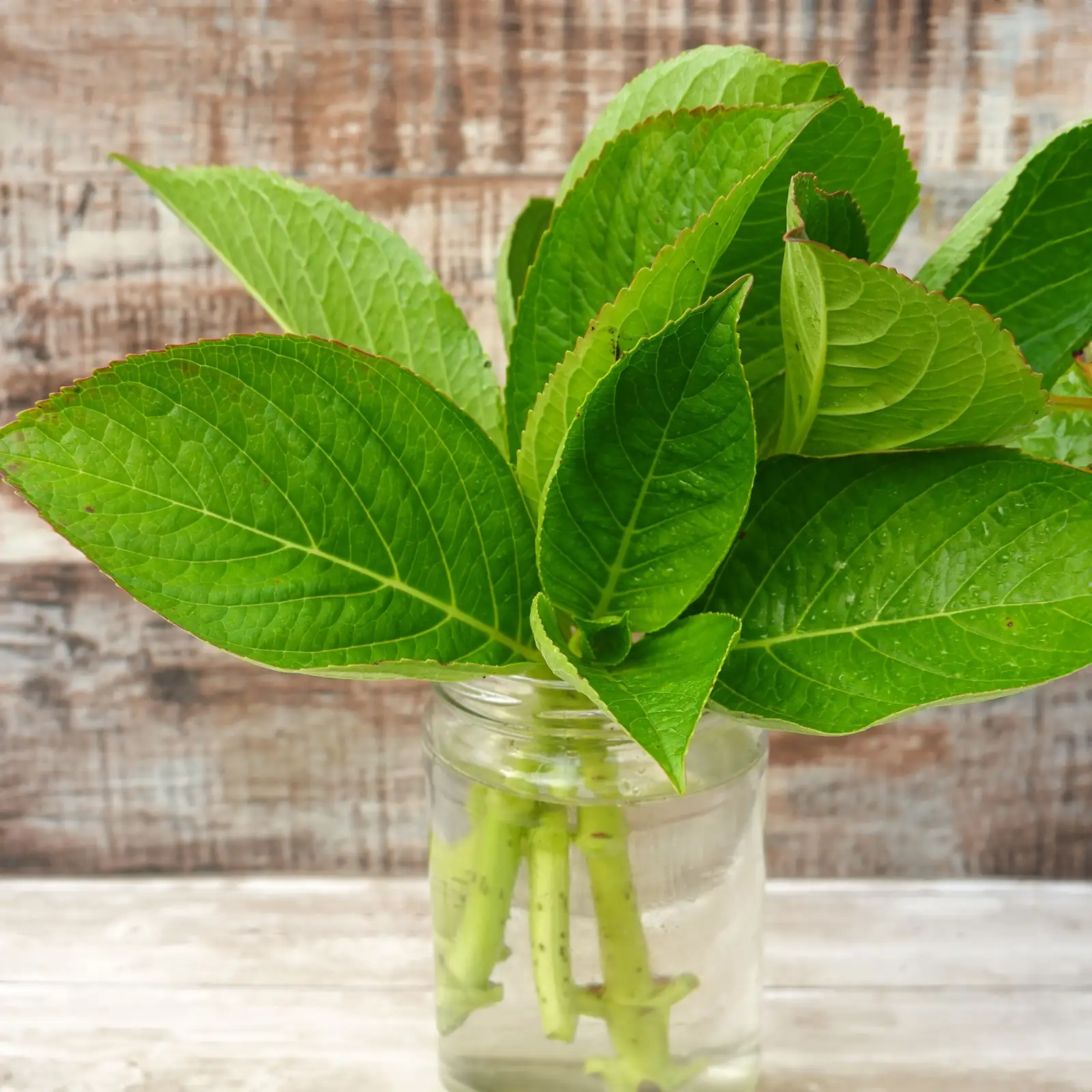
Chrysanthemums can be propagated through stem cuttings, division, or seeds. Each method offers a chance to expand your garden or share these beautiful blooms with friends and family.
In conclusion, Chrysanthemum × morifolium are more than just a pretty face in the fall garden. With a little care and attention, these resilient plants will reward you with a spectacular display year after year. Whether you’re sipping a cup of chrysanthemum tea or proudly displaying a “thousand-bloom” trained plant, these blooms are sure to add joy and color to your life.