

Welcome to the enchanting world of Moth Orchids, or Phalaenopsis spp., where elegance meets resilience, and vibrant blooms bring an exotic touch to your home. Whether you’re a seasoned orchid enthusiast or a curious novice, understanding the intricacies of caring for these beautiful plants can transform your indoor space into a living masterpiece. Let’s dive into the ideal care techniques that will keep your Moth Orchids thriving and vibrant all year round.
Understanding the Moth Orchid
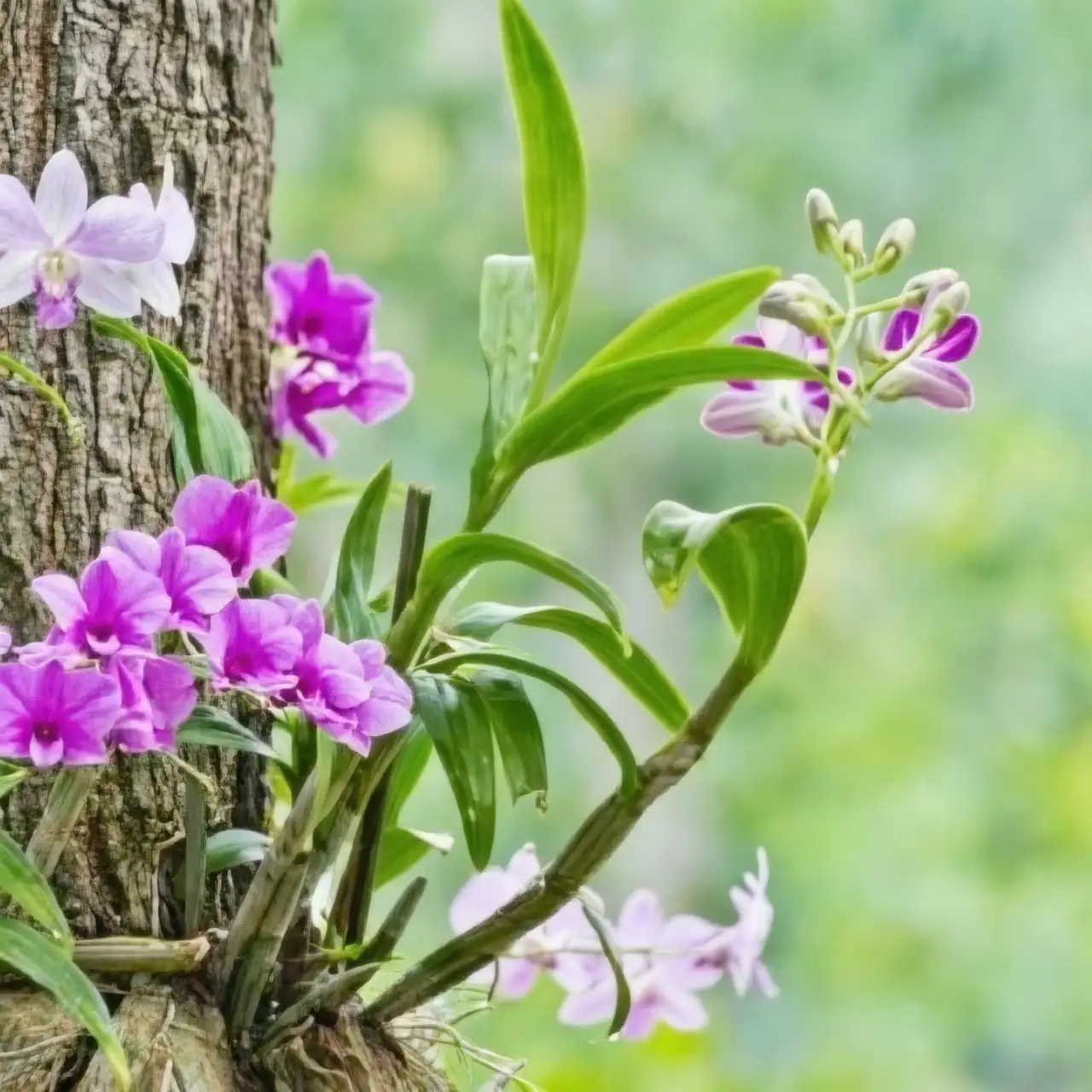
Phalaenopsis orchids, commonly known as Moth Orchids, are celebrated for their waxy, intricate blooms that resemble the fluttering wings of a moth. Originating from the tropical and subtropical regions of Asia and northern Australia, these orchids are epiphytes, which means they naturally grow on trees, clinging with their striking aerial roots. This unique growth habit translates into specific care requirements when cultivated as houseplants.
Light Requirements
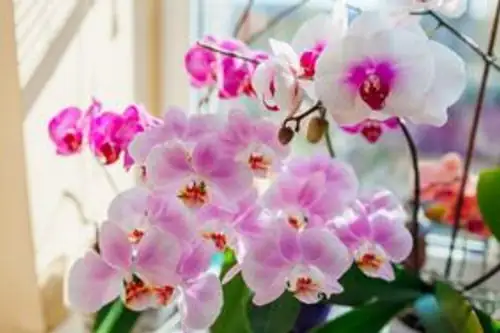
Imagine yourself basking in the gentle glow of an early morning sun—this is exactly what your Moth Orchid craves. Bright, indirect light is vital for their well-being. An east-facing window is perfect, offering just the right amount of morning light without the harshness of midday sun that could scorch the leaves. In less sunny climates or during winter, a south-facing window with some shade can suffice. Remember, too much direct sunlight is like too much of a good thing—it can lead to sunburn!
Watering Wisdom
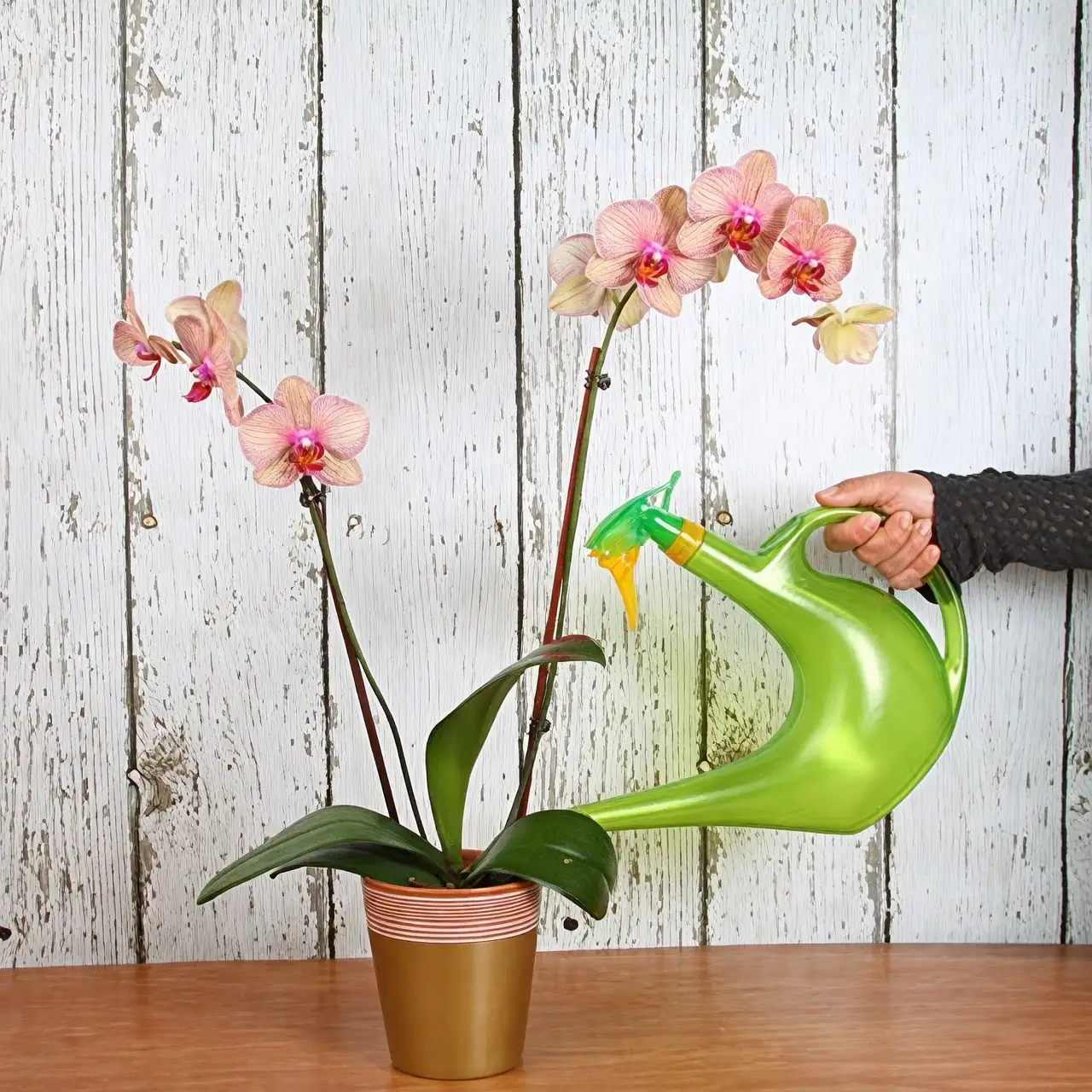
Watering Moth Orchids can be a delicate dance. They lack major water-storage organs, making consistent moisture crucial. Think of watering as giving your orchid a refreshing drink rather than a swim. Allow the orchid medium to nearly dry out between waterings. Depending on your home’s conditions, this might mean watering every 7 to 14 days. Use tepid water, and water in the morning to ensure the leaves dry quickly, preventing crown rot.
Temperature and Humidity
Moth Orchids enjoy a climate reminiscent of a tropical getaway. Aim to maintain temperatures between 18–27°C (64–81°F). A slight drop in night temperatures can even encourage blooming. Humidity should hover around 50–70%, akin to a pleasant day at the beach. In dry environments, placing your orchid on a humidity tray or using a humidifier can create the perfect microclimate.
Potting and Medium
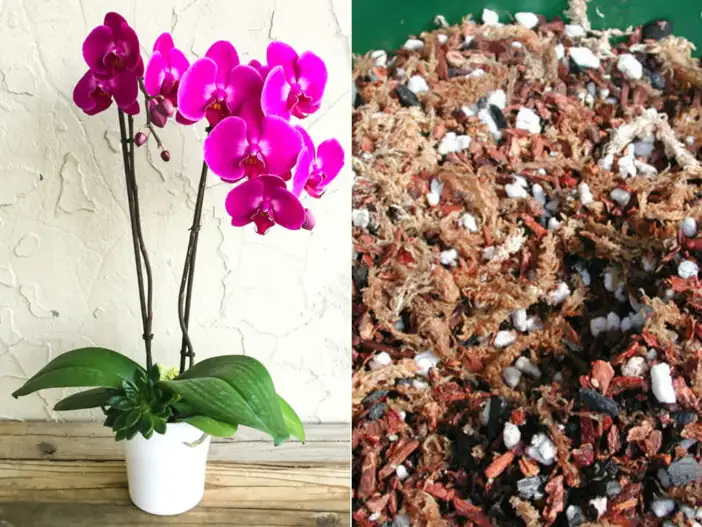
Forget about regular potting soil—your Moth Orchid has loftier needs! An airy orchid medium, often bark-based with sphagnum moss or perlite, is essential. This mix provides the roots with the perfect balance of moisture and air. Repot every 1–2 years, especially if the medium breaks down or the plant outgrows its pot.
Fertilization and Pruning
Feeding your Moth Orchid is like offering it a balanced diet. Use a water-soluble orchid fertilizer at 1/4 to 1/2 strength every 2–4 weeks during active growth. Reduce feeding in the fall and winter. Pruning is straightforward: trim dead or yellowing leaves, and after flowering, decide whether to cut the spike back to a node for possible re-blooming or remove it entirely to allow the plant to rest.
Troubleshooting and Common Issues
Even the most diligent caregivers encounter challenges. If your orchid refuses to bloom, consider the light levels or temperature differences. Are the roots spilling out of the pot? That’s normal for Phalaenopsis. Overwatering is the usual suspect for root and crown rot, so ensure good drainage and airflow.
The Symbolism of Orchids
Beyond their beauty, orchids carry profound symbolism. In Chinese culture, they represent nobility, friendship, and harmony. The color of the blooms adds an extra layer of meaning—white signifies purity, pink denotes affection, and purple conveys admiration. These subtle messages make Moth Orchids a thoughtful gift for any occasion.
Fun Facts to Impress
- Orchidaceae is one of the largest plant families, with over 25,000 species and even more hybrids.
- Phalaenopsis orchids are favorites due to their adaptability to indoor conditions and their striking, long-lasting blooms.
- Vanilla, a beloved flavor, comes from the seeds of the orchid Vanilla planifolia.
With these care tips and fascinating insights, you’re well-equipped to nurture your Moth Orchids into flourishing displays of natural art. Happy growing! 🌿


