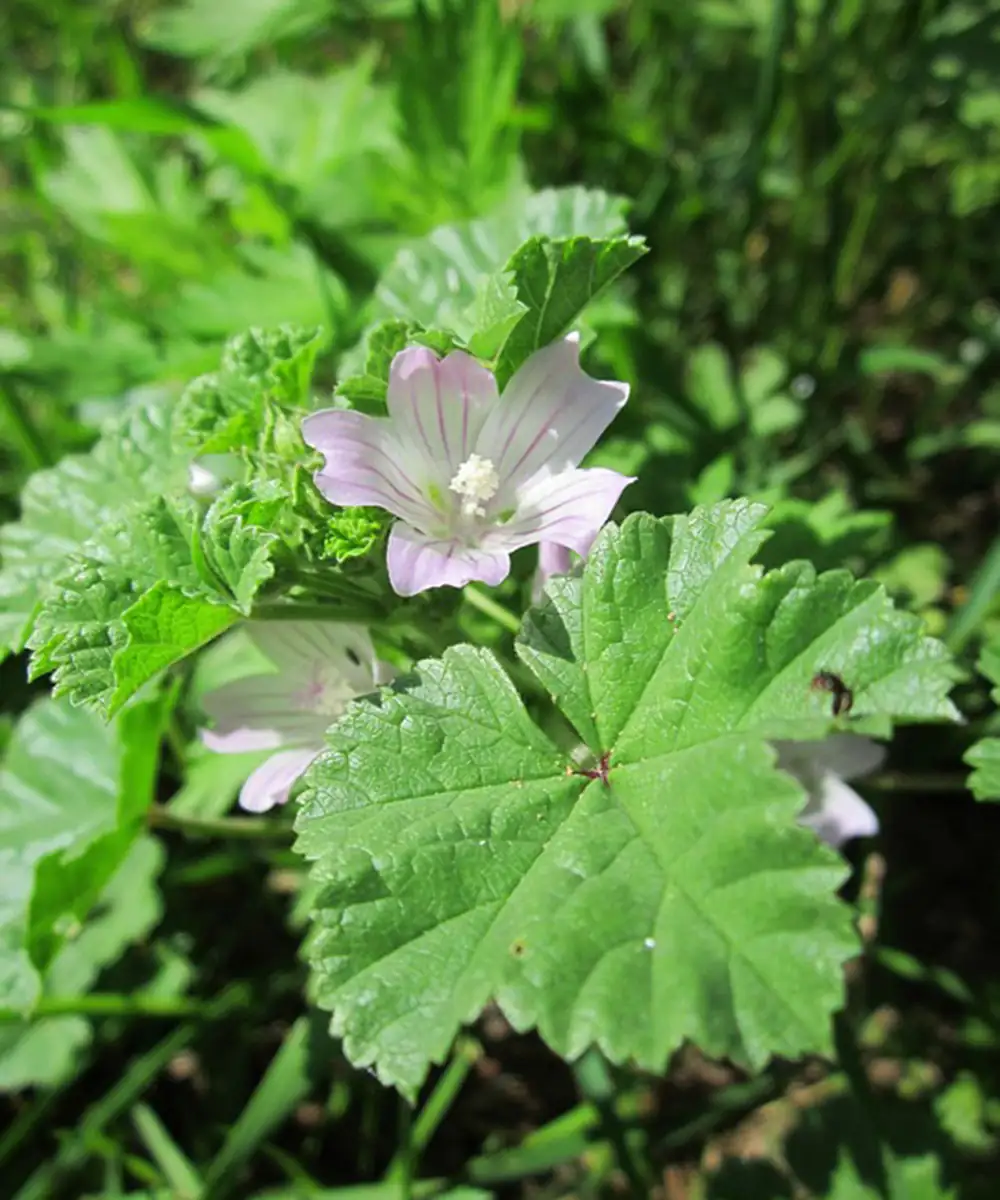
Growing and Caring for Common Mallow: A Gardener’s Guide to Lush Blooms
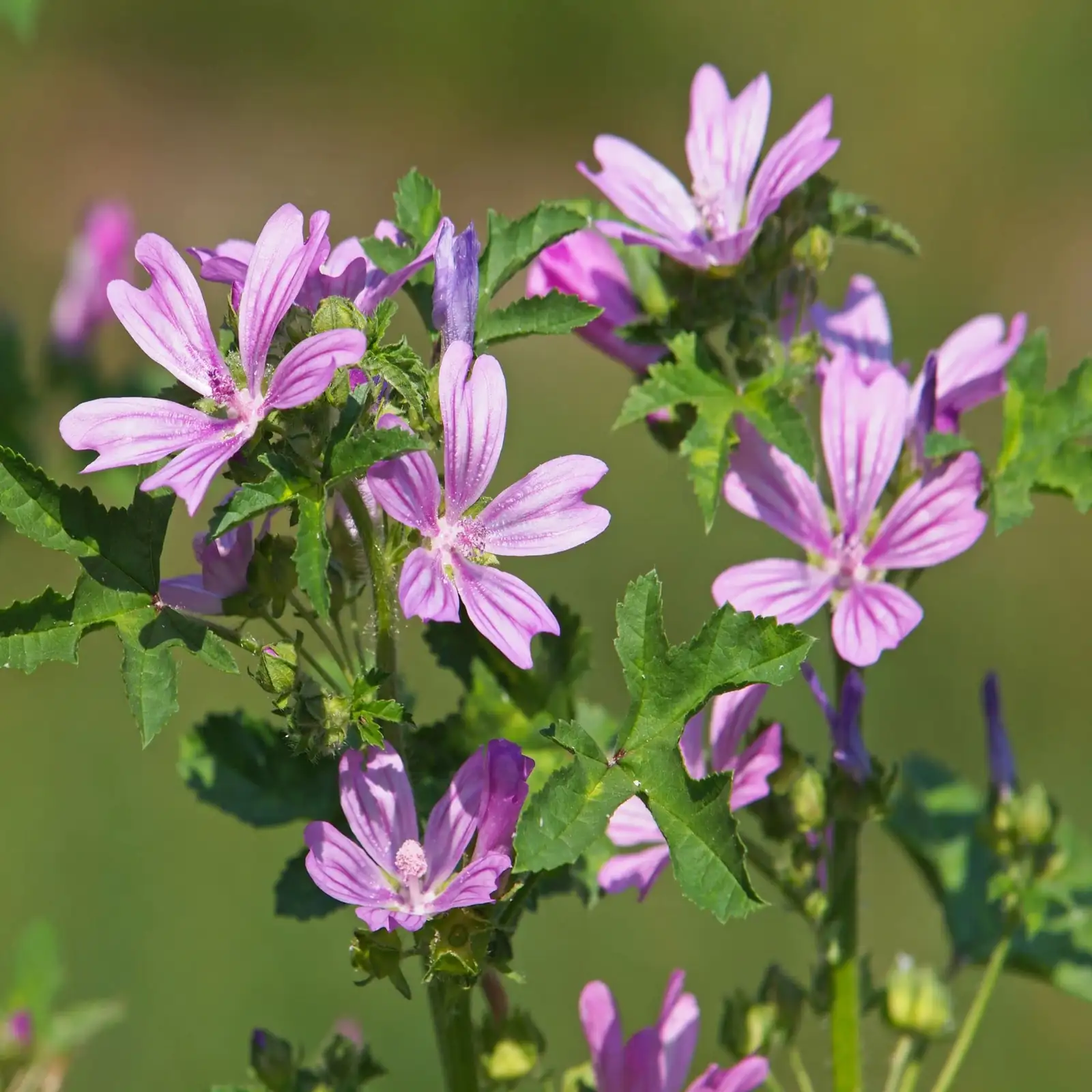
Imagine a garden that dances with colors from late spring to autumn, where bees and butterflies flit joyfully, and the air is filled with the soothing scent of flowers. Welcome to the world of Common Mallow (Malva sylvestris), a garden hero known for its resilience and beauty. Whether you’re a green-thumbed pro or a gardening novice, this guide will help you cultivate a vibrant display of this charming perennial.
Sunlight and Soil: Setting the Stage
Common Mallow thrives when drenched in sunlight, offering you richer colors and a profusion of blooms. Aim for a spot with full sun, although part shade will do if necessary. This plant is not picky about soil types; it will happily settle in average garden soil and even tolerates sandy or slightly dry conditions once established. Just ensure good drainage to prevent soggy roots, which can be detrimental to its health.
Watering Wisely: The Goldilocks Approach
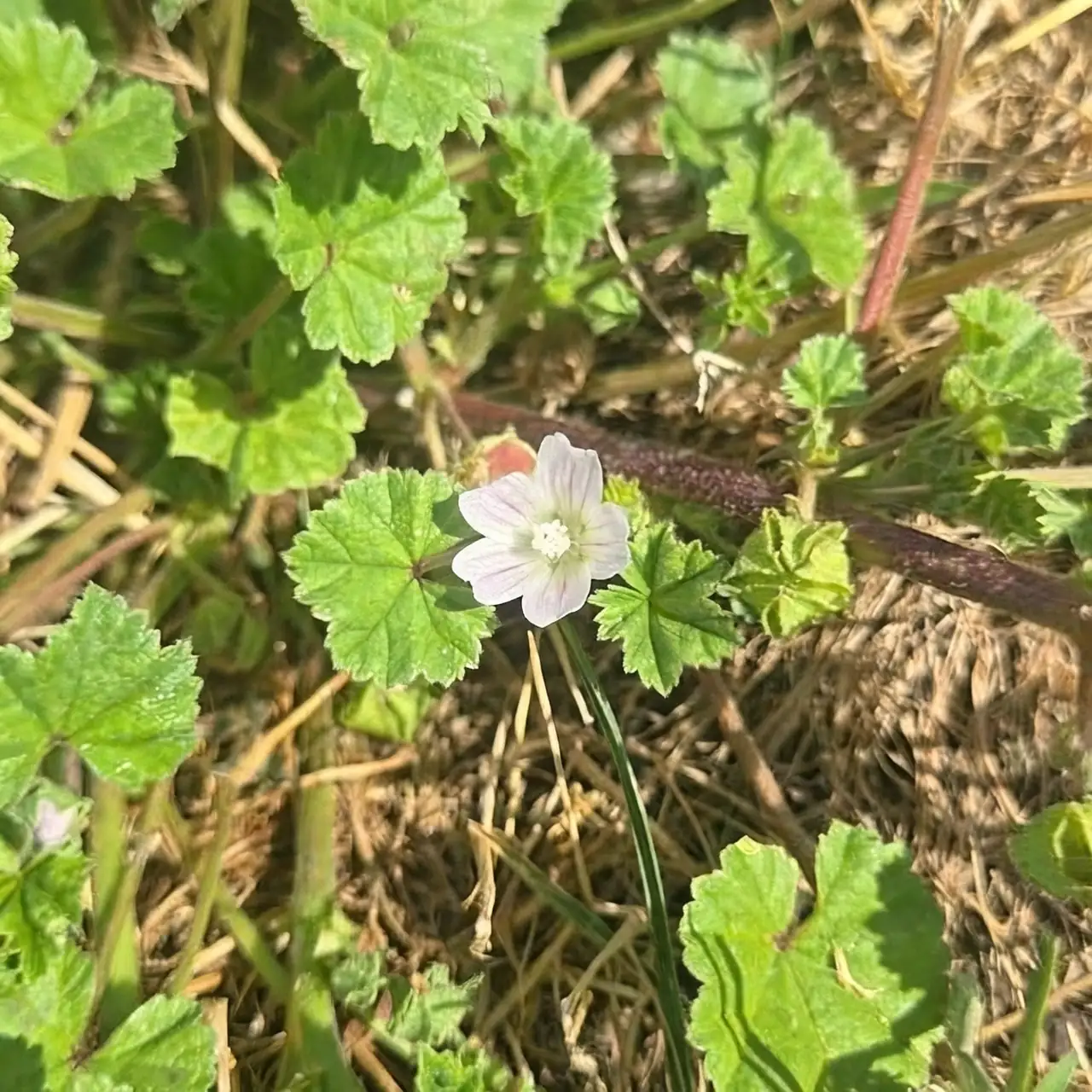
Getting the watering right for Common Mallow is like balancing a teeter-totter. When young, water once a week to help establish roots. As it matures, ease back to deeper, less frequent watering every 10–14 days, depending on the weather. Let the topsoil dry out between waterings, avoiding a perpetually damp environment that might invite diseases.
Seasonal Tips for Continuous Bloom
Spring: As the garden awakens, it’s time to sow seeds or plant young starts. Give your Common Mallow a light feeding with a balanced slow-release fertilizer (such as 10-10-10) to kickstart the season. Trim back old stems to encourage fresh growth.
Summer to Fall: Deadhead spent blooms regularly to keep the flowers coming and prevent unwanted self-seeding. This not only extends the blooming season but also maintains a tidy plant appearance. During dry spells, increase watering slightly to support the plant’s extended flowering.
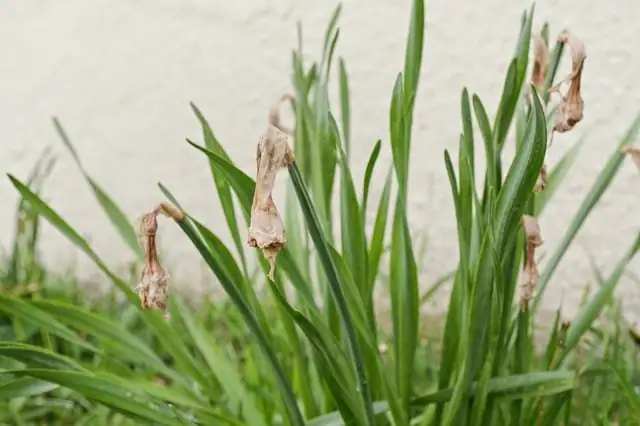
Fall to Winter: As temperatures drop, the foliage may die back, preparing for dormancy. If you’re looking to encourage self-seeding for the next year, allow some seedheads to mature. Otherwise, continue deadheading to control spread.
Pruning and Propagation: Managing Growth
While pruning isn’t strictly necessary, cutting back old growth in early spring rejuvenates the plant. If your garden is compact, trim during the growing season to control size. Common Mallow is a champion self-seeder, but if you prefer a more controlled garden, keep an eye on its prolific seed production.
Propagation is a breeze with this plant. Direct-sow seeds outdoors after the last frost, or, in milder climates, try fall sowing. For those who prefer dividing clumps, this can be done, although it’s more commonly grown from seed.
Pests, Diseases, and Health
Common Mallow is generally trouble-free, but keep an eye out for Japanese beetles, which may snack on your flowers and foliage. The main adversary is mallow rust, identifiable by orange-brown pustules on leaf undersides. Combat this by improving airflow, removing infected leaves, and avoiding overhead watering.
A Symbol of Healing and Love
In the Victorian language of flowers, mallow symbolizes being “consumed by love,” a nod to its enchanting presence in gardens. Historically, it was revered as a healing plant by the Greeks and Romans, who valued its soothing properties. Carrying these sentiments into your garden can add a touch of romance and history to your horticultural endeavors.
Conclusion: An Invitation to Plant
Incorporating Common Mallow into your garden is like inviting a beloved old friend who never fails to bring joy and life to your space. With its adaptable nature, easy care, and beautiful blooms, this plant promises to be a delightful addition to any garden style, from traditional cottage gardens to wildflower meadows. So, why not give it a try and let your garden bask in its timeless charm?