

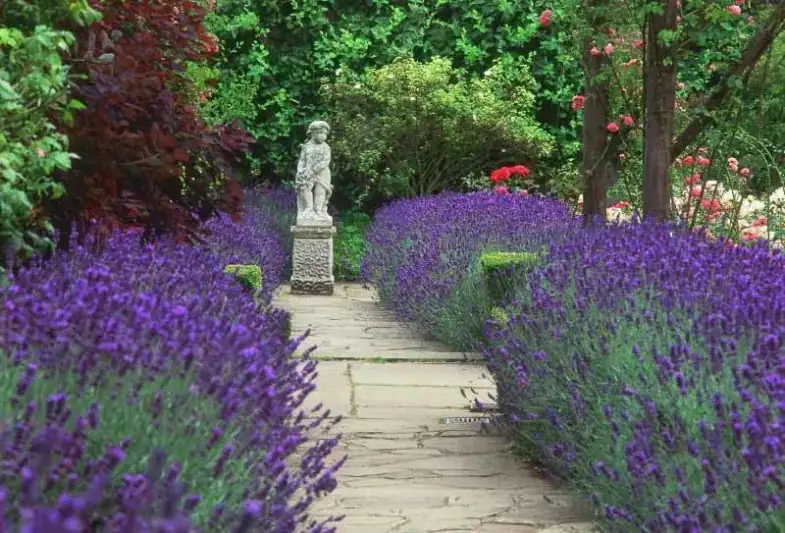
Lavandula angustifolia, commonly known as English Lavender, is more than just a delightful aromatic addition to your garden. With its silvery-gray foliage and enchanting purple spikes, this Mediterranean native offers a symphony of scents and sights, making it a favorite for gardeners worldwide. Whether you’re dreaming of lavender-lined pathways or a quaint patio accent, this perennial herb can adapt beautifully to various settings with the right care. Let’s dive into some essential tips to ensure your lavender flourishes in your garden.
Understanding Lavender’s Essential Needs
Sunlight: The Solar Worshipper
Lavender thrives under the sun’s generous rays, requiring at least 6 to 8 hours of direct sunlight daily. This sun-loving trait is a nod to its Mediterranean origins where the bright, warm climate fuels its growth. If you’re gardening in particularly hot regions, a bit of afternoon shade can be beneficial, but don’t let it be too much—the sun is your lavender’s best friend!
Soil and Drainage: The Key to Longevity
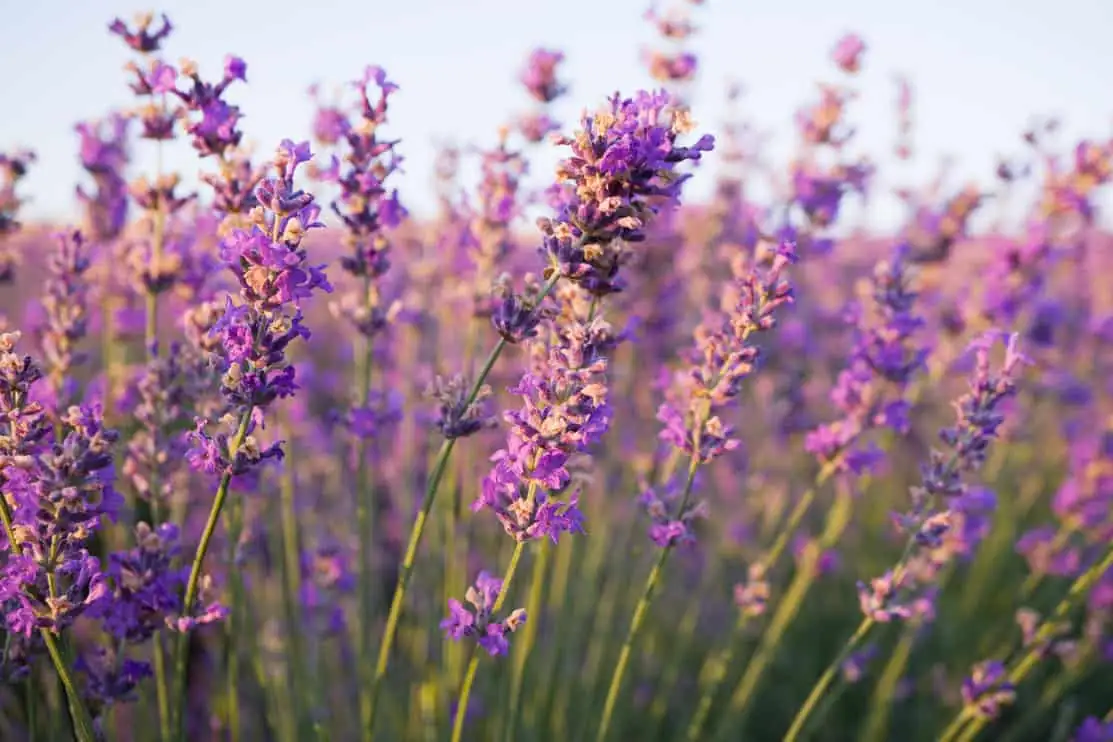
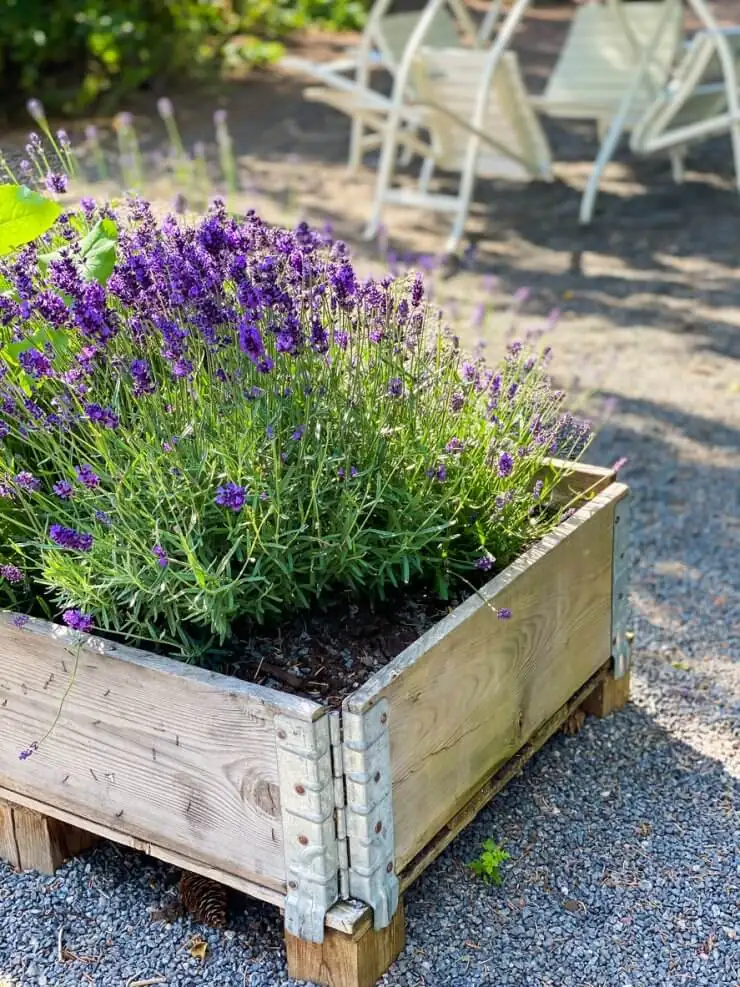
Think of lavender as a laid-back traveler who prefers loose, sandy luggage. The soil should be well-draining, with a pH leaning towards neutral to slightly alkaline (around 6.5 to 7.5). Heavy, clay soils are like inviting your lavender into a sticky, waterlogged trap—avoid at all costs! For those dealing with less-than-ideal soil, consider planting lavender in raised beds or containers for better control over drainage.
Temperature and Humidity: Balancing Act
Lavender is surprisingly robust, tolerating temperatures from 20°C to 28°C (68°F to 82°F) and even surviving cold winters in USDA Zones 5–8. In fact, established English lavender can endure snowy conditions as low as -21°C (-6°F). However, it’s not a fan of high humidity, which can lead to fungal issues. Ensure your lavender enjoys good airflow to keep it healthy and happy.
Watering Wisely: The Art of Moderation
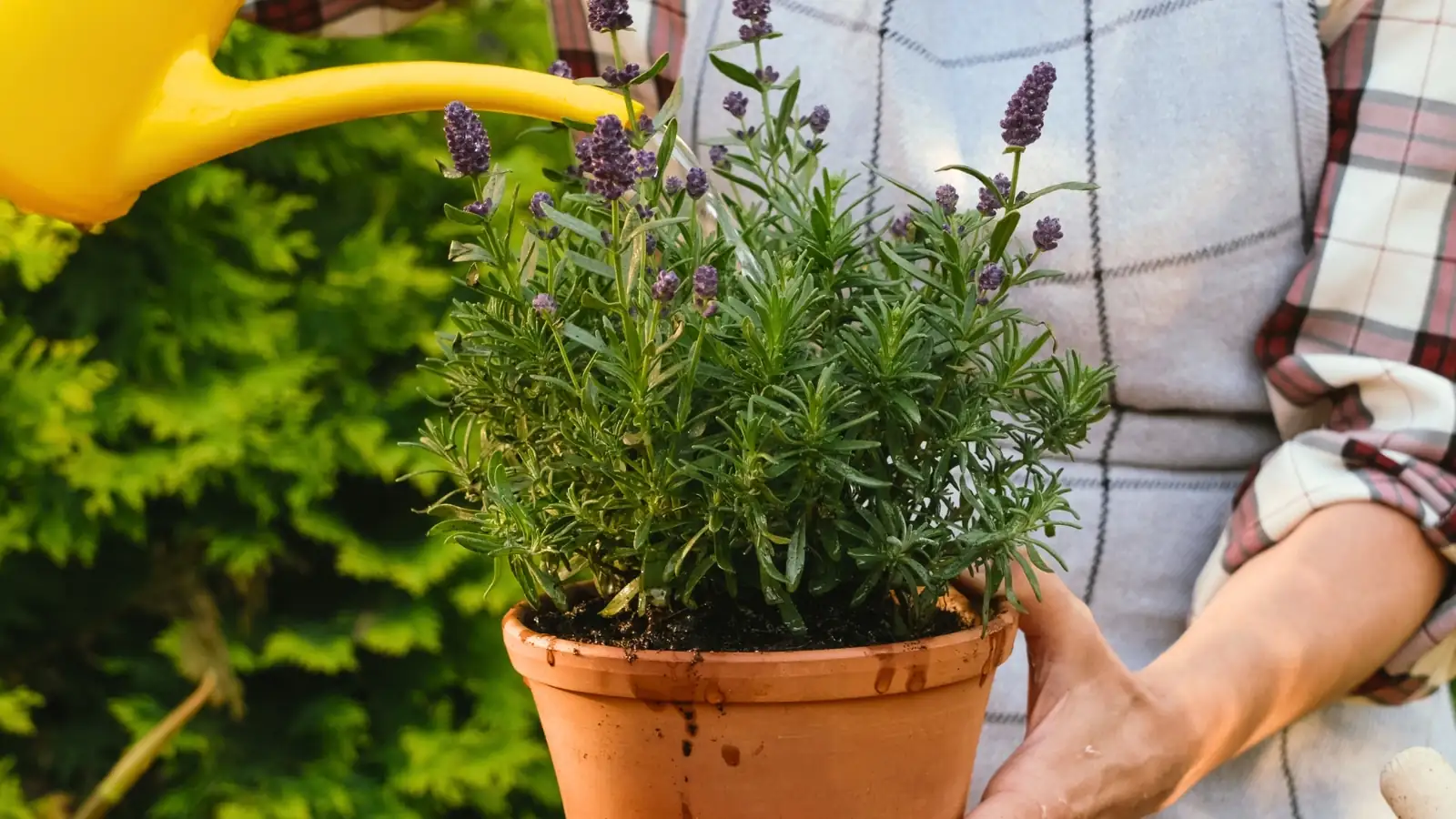
Lavender has a reputation for being drought-tolerant, but this doesn’t mean it’s invincible. Newly planted lavender requires consistent watering until its roots are established. Afterward, embrace the “soak and dry” method. Water deeply, then allow the soil to dry out before the next drink. In containers, ensure drainage holes are clear to prevent waterlogged soil—a common culprit behind yellowing leaves.
Seasonal Care: A Year-Round Guide
Spring (March–May)
As spring arrives, it’s time for lavender’s annual makeover. Prune your plants to encourage bushier growth and remove any dead or damaged wood. A light, low-nitrogen feed can help, but remember, lean soil often results in more fragrant blooms.
Summer (June–August)
This is lavender’s time to shine! Harvest flower stems just as the buds begin to open for the most potent scent. Keep watering minimal and ensure your plant enjoys ample sun and good airflow.
Fall (September–October)
Some varieties may offer a second bloom. As temperatures cool, gradually reduce watering. This is also a good time to tidy up your plants, preparing them for the colder months ahead.
Winter (November–February)
In regions with harsh winters, protect your lavender by adding a light mulch layer or mounding soil around the base. Avoid excessive watering and ensure potted lavender doesn’t become waterlogged.
Pruning and Propagation: Keeping Lavender Lush
Pruning is crucial for maintaining your lavender’s shape and vitality. Trim back after flowering to prevent legginess and promote new growth. Be cautious not to cut into the old, woody stems—these might not resprout. For propagation, take cuttings from new growth in spring or fall. This method ensures you retain the parent plant’s desirable traits.
Common Challenges: Troubleshooting Tips
- Yellowing Leaves: Often a sign of overwatering or poor drainage. Adjust your watering schedule and check soil conditions.
- Lack of Blooms: Ensure your lavender receives enough sunlight, avoid over-fertilization, and maintain regular pruning.
- Fungal Problems: Improve air circulation and avoid overhead watering.
The Symbolism and Uses of Lavender
Lavender is steeped in symbolism, often associated with calm, devotion, and purity. Its name derives from the Latin “lavare,” meaning “to wash,” reflecting its historic use in cleansing. Beyond its ornamental beauty, lavender serves multiple purposes—from soothing teas and aromatic sachets to skin care and aromatherapy.
With these insights, you’re well-equipped to nurture your own lavender haven, whether in a sprawling garden or a cozy urban balcony. Embrace the journey, and soon you’ll find yourself enveloped in the calming embrace of this timeless plant.


