

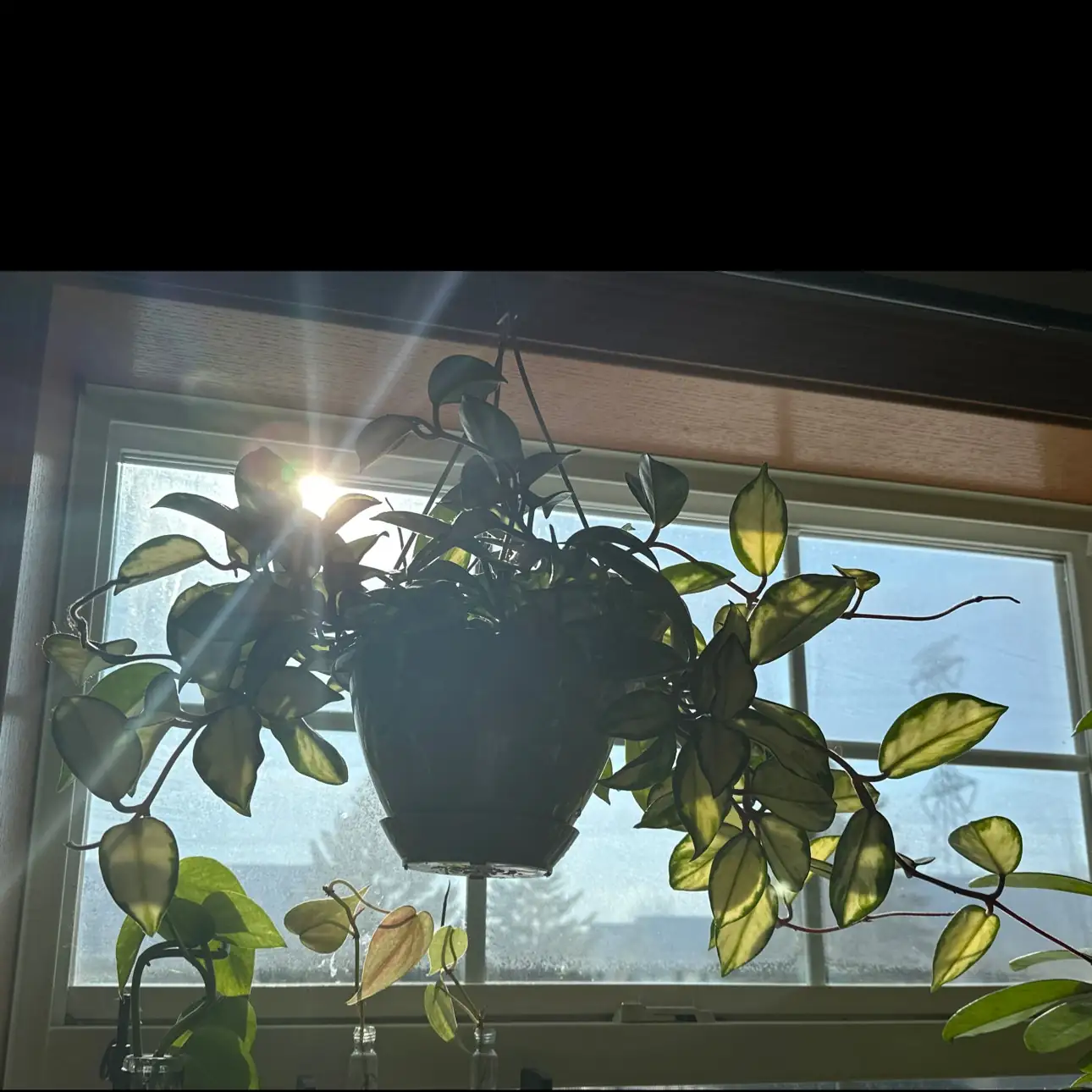
Welcome to the enchanting world of Hoya carnosa, more commonly known as the Wax Plant, a botanical gem that can transform your home into an oasis of lush greenery and fragrant blooms. Whether you’re a seasoned plant enthusiast or a beginner looking to dive into the world of houseplants, caring for this delightful vine is as rewarding as it is straightforward. Let’s explore how you can make your Hoya carnosa thrive with specialized care tips and a sprinkle of botanical wisdom.
The Light of Its Life: Sunlight Needs
Imagine your Hoya carnosa basking in the gentle morning sun or lounging in bright, indirect light—its preferred conditions for optimal growth. This plant is like a sun-loving yogi, thriving under the glow of an east-facing window or the filtered brightness of a south or west window. Just be cautious of harsh midday rays, as they can scorch its glossy leaves. If you notice your plant isn’t blooming as much as you’d like, a little more light might be just what it needs to kickstart its flowering cycle.
Quenching Its Thirst: Watering Wisdom
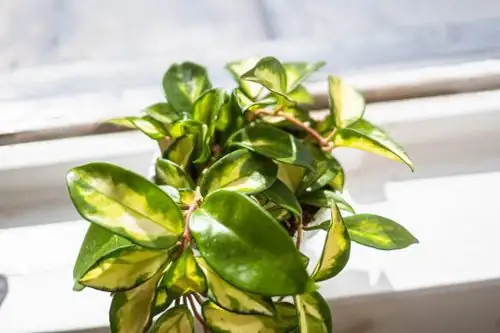
Watering a Hoya carnosa is an art of balance. Think of it as a “sip and savor” kind of plant. Allow its soil to dry out slightly between waterings—about the top 1 to 2 inches should do. In the more active growing months of spring and summer, this might mean watering once every week or two. As the days shorten and growth slows in autumn and winter, scale back to every two to three weeks. Remember, this plant is a semi-succulent; it stores water in its leaves and stems, so overwatering is a fast track to trouble.
The Perfect Spot: Temperature and Humidity
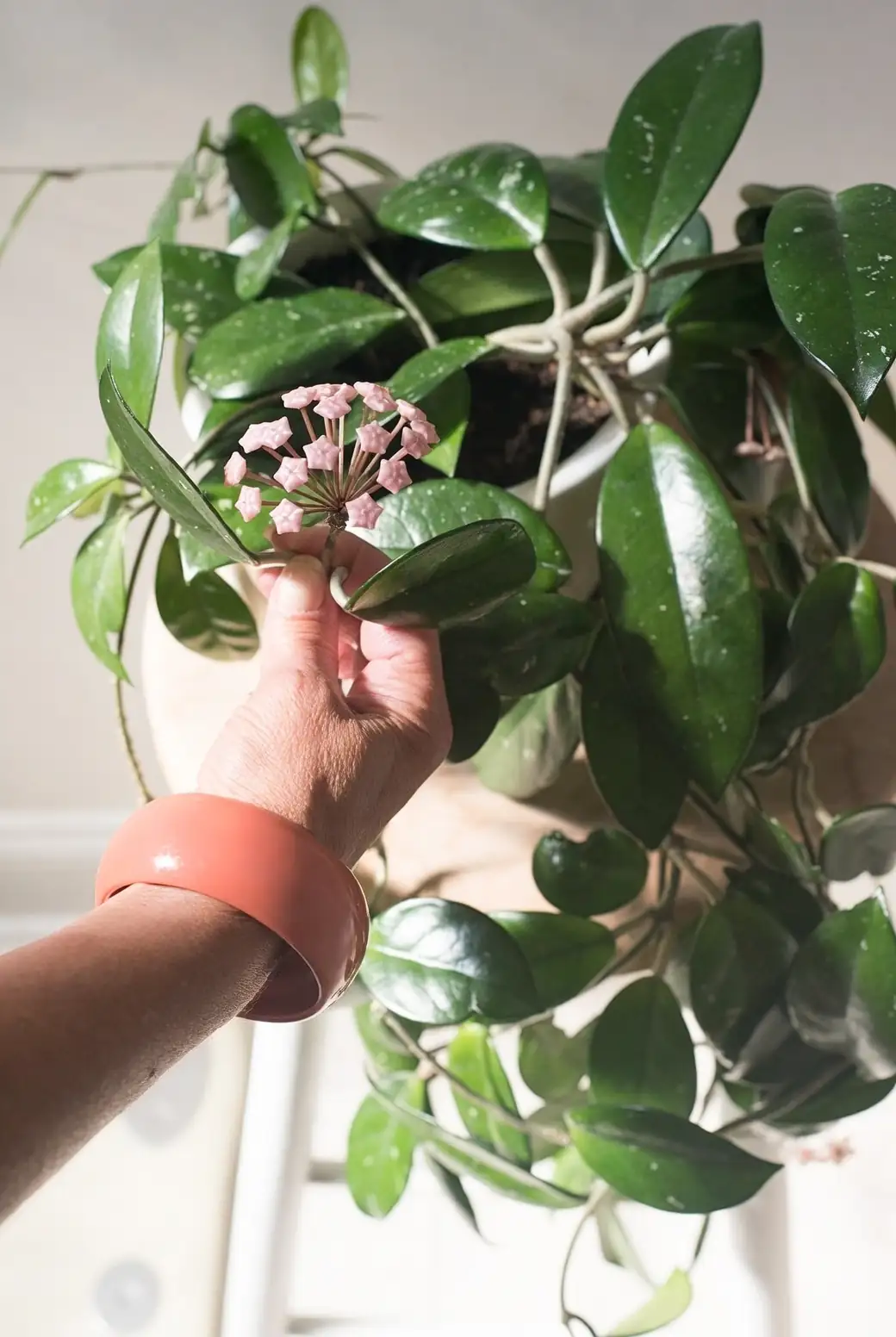
Hoya carnosa loves warmth and moderate humidity, much like its native tropical and subtropical forests. Keep your plant cozy in temperatures ranging from 64 to 75°F (18–24°C). While it can tolerate temperatures as low as 50°F (10°C), it’s happier in warmer climes. If your home gets dry in winter, a humidifier or a pebble tray can help maintain the 40–70% humidity range that this plant adores.
Soil and Potting Perfection
Think of the soil for your Hoya carnosa as a breathable, airy mattress. A well-draining mix is vital—consider a blend of orchid bark, perlite, and regular potting soil. This ensures that excess water escapes quickly, preventing root rot. When potting, opt for containers with drainage holes and avoid letting the pot sit in water. Your plant will let you know when it’s ready for a slightly bigger home—usually when it’s root-bound. Repot in spring and only increase the pot size by an inch or two.
Feed Me, Seymour: Fertilization Tips
During the growing season, your Hoya carnosa will appreciate a little extra nourishment. A balanced liquid fertilizer at half strength every four weeks will do wonders. If you’re aiming for those spectacular blooms, consider a bloom-supporting formula with higher potassium and phosphorus, applied every two weeks at half strength. As winter approaches, ease off the feeding; your plant will naturally require less.
Trim and Tidy: Pruning and Propagation
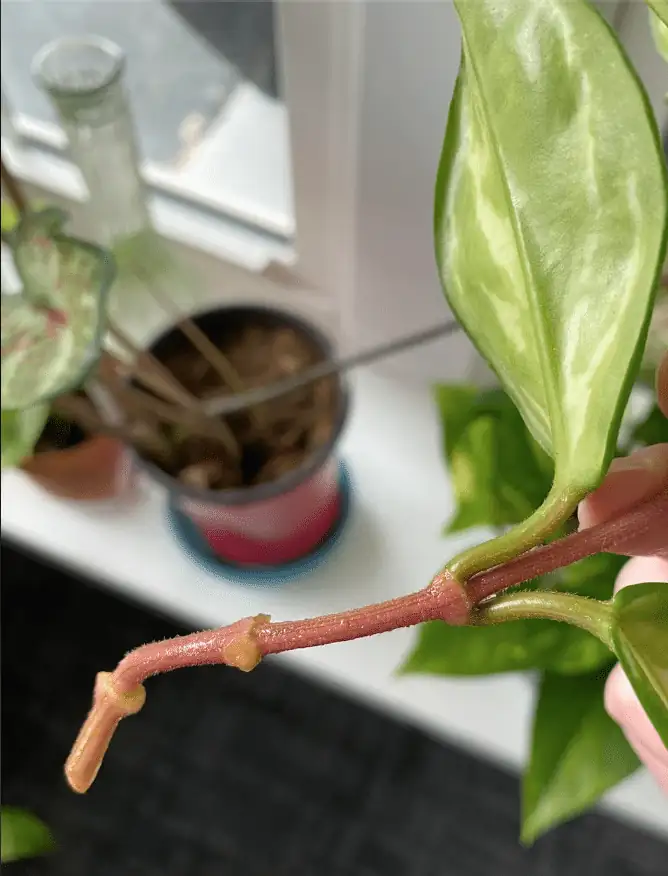
Minimal pruning is needed for this beauty—just a light shaping to remove any dead or damaged growth. One critical tip: never cut off the old flower spurs, as these are the plant’s secret to reblooming. If propagation is your goal, stem cuttings and layering are both effective methods. Cuttings should be 4–6 inches long, with a few nodes, and can be rooted in water or a well-draining soil mix.
Seasonal Strategies: A Year-Round Guide
- Spring: Wake your plant up with a regular watering and feeding routine. It’s a great time to repot if needed and to take cuttings.
- Summer: This is your plant’s peak growth and flowering season. Maintain consistent care, avoid misting blooms, and keep humidity levels moderate.
- Autumn: Gradually reduce watering and feeding. Light pruning can be done now, but keep those peduncles intact.
- Winter: Focus on providing bright light and sparing water. Avoid drafts and hold off on fertilizing until spring.
A Note on Pests and Pet Safety
While generally hardy, keep an eye out for mealybugs, scale, spider mites, and aphids. Insecticidal soap or horticultural oil can help keep pests at bay. As for safety, while some sources list Hoya carnosa as non-toxic to pets, it’s wise to keep them out of reach to prevent any potential tummy troubles.
The Language of Flowers
In the floral language, Hoya carnosa symbolizes lasting affection and devotion, a nod to its ability to bloom from the same spurs year after year. This resilience and enduring beauty make it a cherished heirloom plant, often passed down through generations of plant lovers.
With these tips in hand, your Hoya carnosa is sure to become a thriving, fragrant fixture in your home. Happy growing!


