Cultivating Cornflower: Tips for Vibrant Blooms
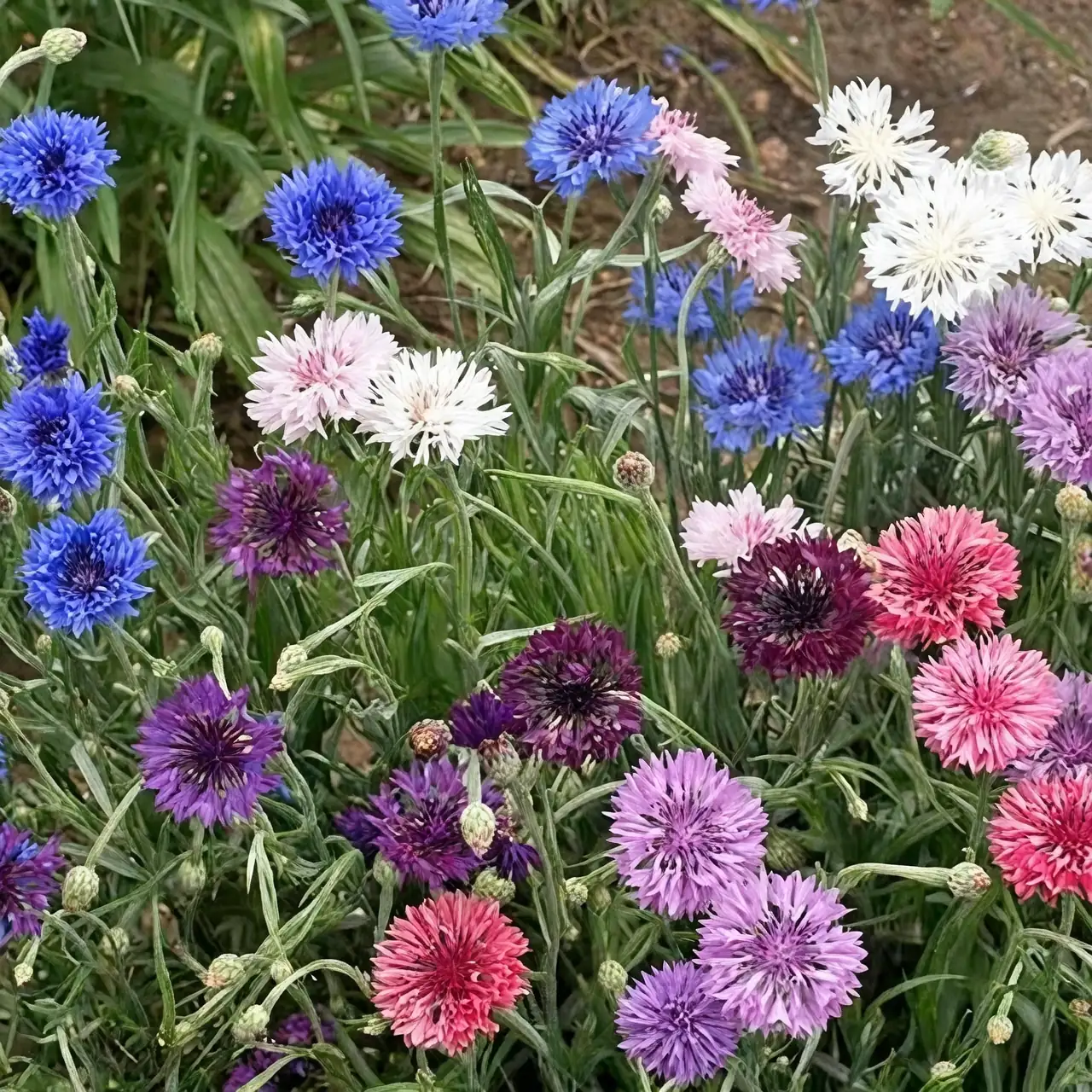
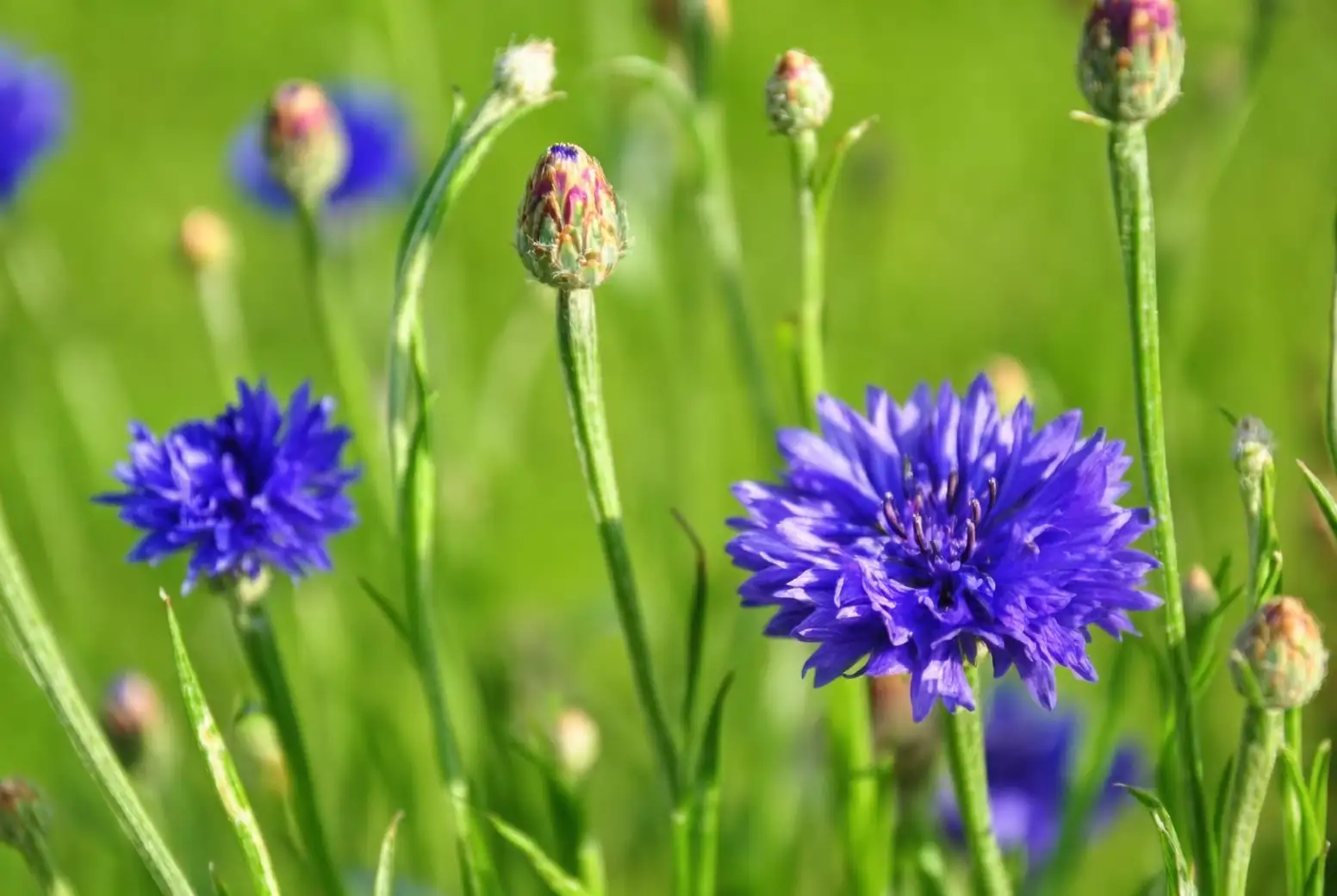
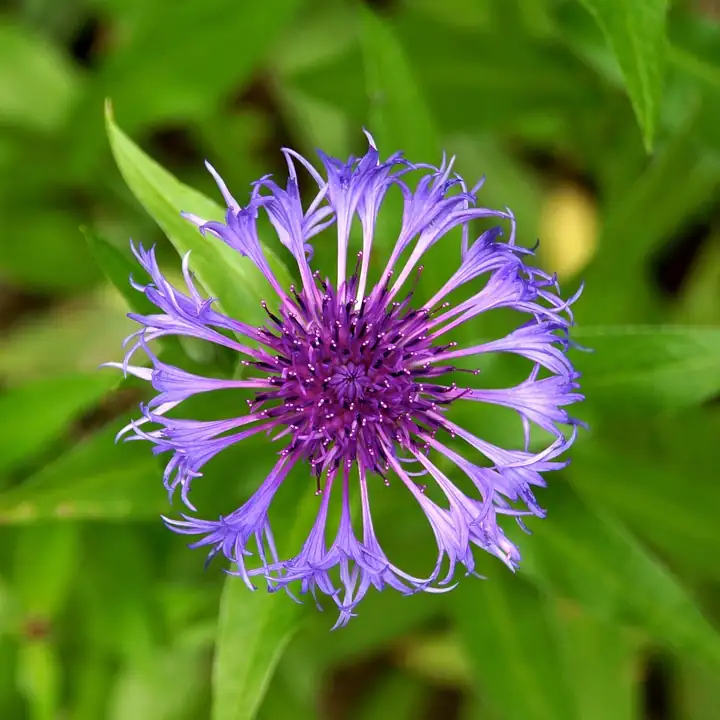
Ah, the Cornflower—Centaurea cyanus—a delightful staple in gardens reminiscent of European meadows. These charming blooms, often known as Bachelor’s Button, captivate with their iconic “cornflower blue” hue. But did you know they also come in an array of colors, including pink, purple, and even deep burgundy?
If you’re aiming for a garden teeming with these vibrant flowers, here are some expert tips to ensure your Cornflowers thrive, offering you a summer spectacle and attracting pollinators to boot.
Sunlight: A Cornflower’s Best Friend
Cornflowers revel in the sun, needing at least six hours of sunlight daily to flourish. Think of them as sunbathers—happy and vibrant under the sun’s warm embrace. However, in regions where the summer sun is relentless, a touch of afternoon shade can be beneficial, helping to keep the plants looking fresh and lively.
Soil and Planting Tips
Soil: Imagine a well-drained soil like a sponge that holds just enough moisture without becoming soggy. That’s the kind of environment Cornflowers adore. While they aren’t fussy and can tolerate poorer soils, they put on their best show in moderately fertile, slightly alkaline conditions (a pH of 7.2–7.8 is ideal). If your garden soil leans towards the acidic side, a sprinkle of crushed limestone can help balance things out.
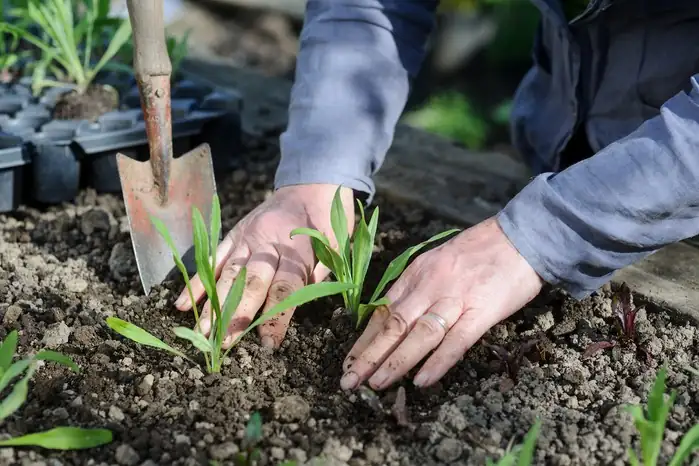
Planting: Start by sowing seeds directly into the garden in early spring as soon as the soil is workable, about 6 mm (¼ inch) deep. Spacing is key—thin seedlings to about 30 cm (12 inches) apart to allow each plant room to grow robustly.
Watering: The Goldilocks Approach
Cornflowers are not fans of overly wet feet, so let the top layer of soil dry slightly between waterings. Aim to provide about an inch of water per week, especially during the scorching midsummer days. Think of it as a refreshing drink after a hot day in the sun. Once established, these plants are fairly drought-tolerant, but maintaining consistent soil moisture will reward you with more vibrant blooms.
Fertilization: Less is More
Too much fertilizer can lead to floppy growth, so moderation is the mantra here. Before planting, mix some compost into the soil to give your Cornflowers a good start. If your garden soil is on the poorer side, a monthly feeding with a diluted organic liquid fertilizer can help boost flowering. However, if the soil is rich, additional feeding is often unnecessary.
Pruning and Maintenance
To keep your Cornflowers blooming their best, regular deadheading is crucial. This means snipping off spent blooms, encouraging the plant to produce more flowers. For a second wave of color, consider cutting the plants back by about one-third after their initial bloom period. This isn’t strictly necessary, but it can extend the flowering season, giving you more of those delightful ruffled blossoms.
Pests and Diseases
Cornflowers are generally trouble-free, but keep an eye out for occasional aphids or mealybugs. A strong spray of water can usually dislodge these pests. In humid conditions, powdery mildew may appear, so ensure good airflow around your plants and avoid overcrowding.
The Language of Cornflowers
In the world of flower symbolism, Cornflowers are often associated with love, hope, and delicacy. In Victorian times, they were worn by young men as a sign of romantic interest. If the bloom wilted quickly, it was seen as an omen that their affection might not be returned. This tradition is what earned them the nickname “Bachelor’s Button.”
Fun Facts and Uses
- Edible Petals: Cornflower petals are not just for show—they’re edible and often used to add a splash of color to salads and desserts.
- Pollinator-Friendly: These flowers are a magnet for bees and butterflies, making them a fantastic addition to any garden aiming to support local wildlife.
- Dried Arrangements: When cut at the right stage, Cornflowers can last up to two weeks in a vase, and their dried blooms are perfect for crafting and arrangements.
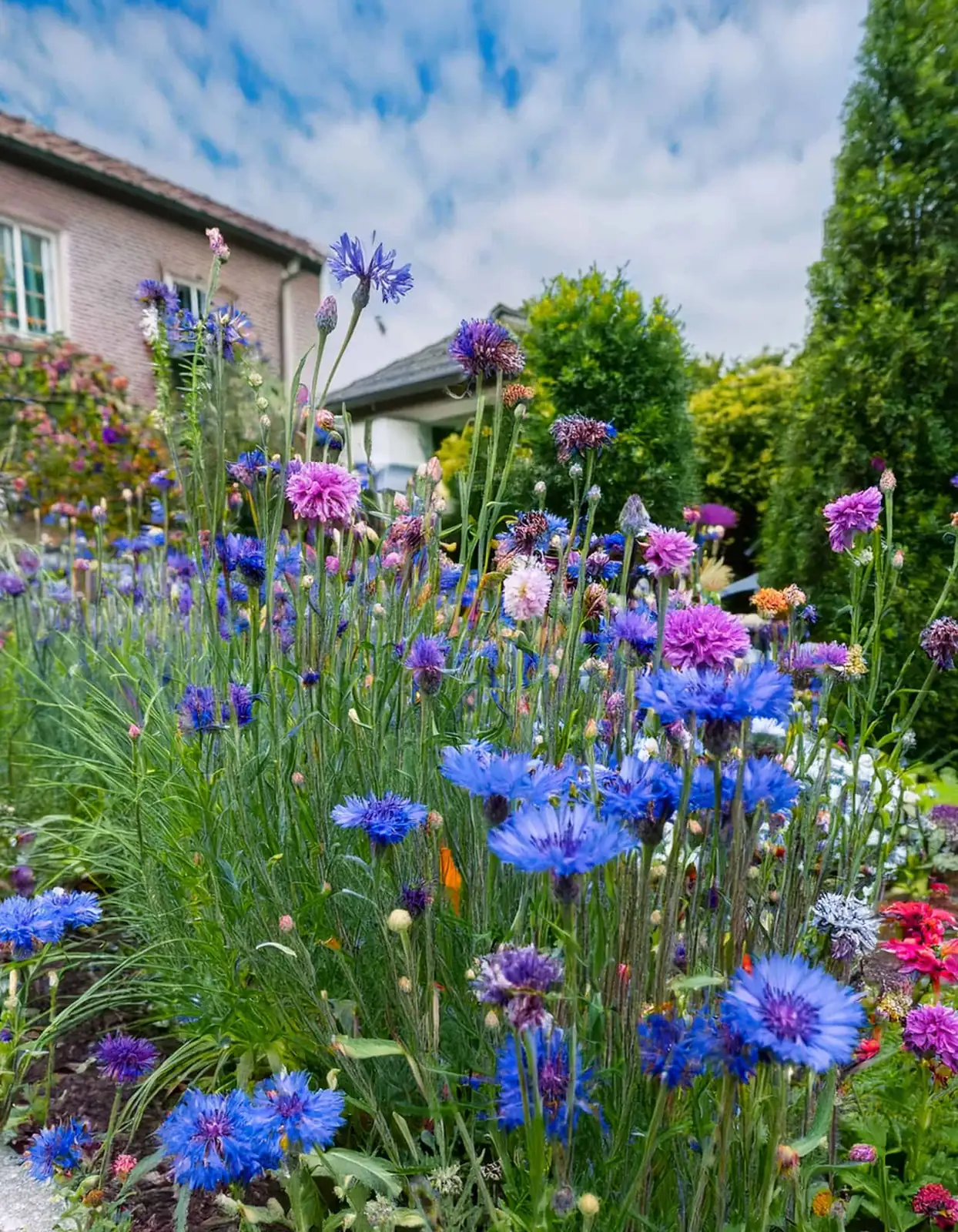
Incorporate these cheerful blooms into your garden, and you’ll not only enjoy their beauty but also the ecological benefits they bring. Whether in a sunny border or a cottage garden, Cornflowers are sure to make a stunning statement.