

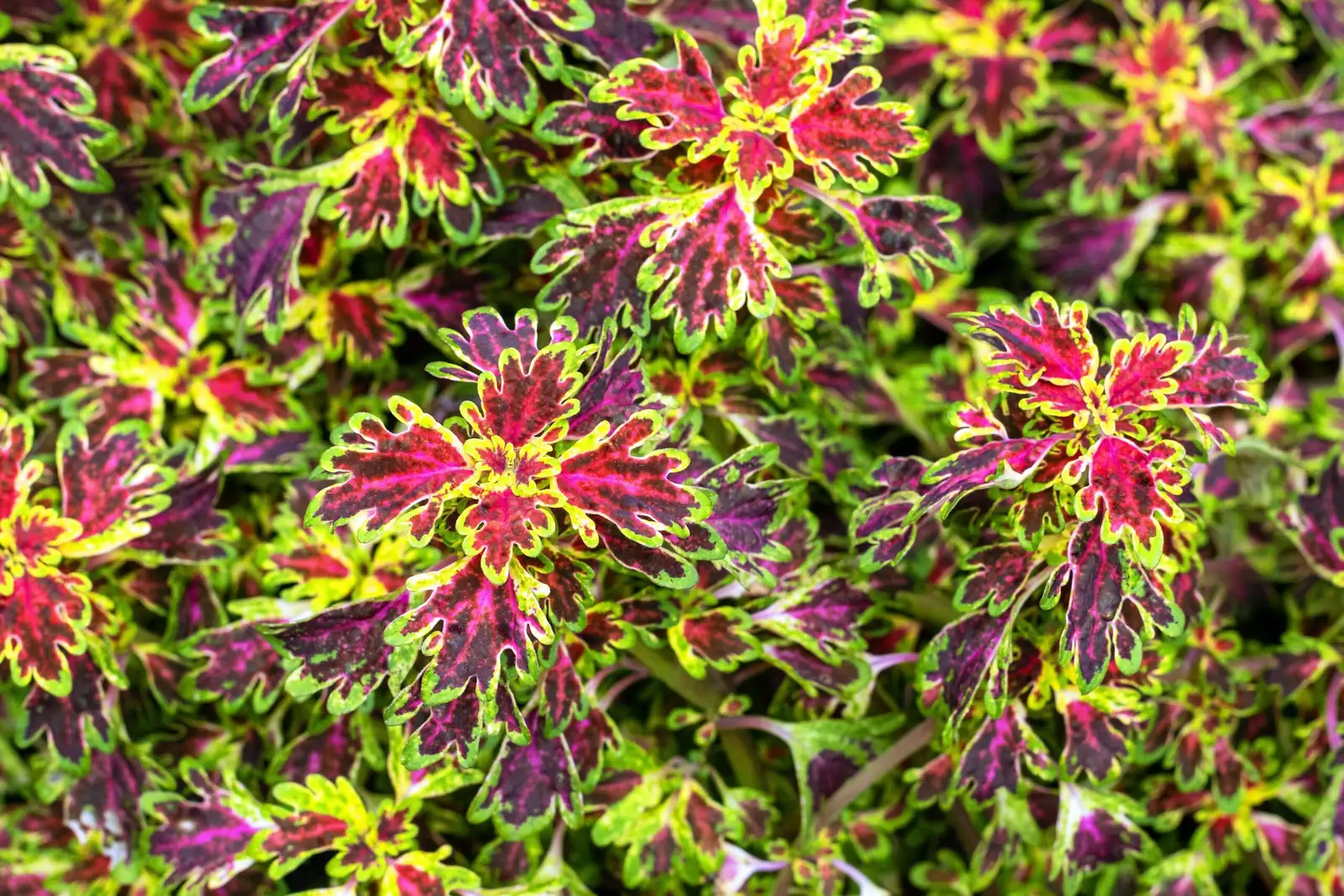
Imagine a garden bursting with an eclectic mix of colors—vibrant lime greens, rich burgundies, and fiery oranges blending together in a kaleidoscope of foliage. This is the magic of Coleus, scientifically known as Plectranthus scutellarioides, a plant that turns any garden into a vibrant tapestry. Whether you’re a seasoned green thumb or a budding plant enthusiast, propagating Coleus can be a rewarding and straightforward journey. Let’s dive into the step-by-step guide on how you can propagate these stunning plants from both cuttings and seeds, transforming your garden into a sea of color.
Propagating Coleus from Cuttings
Step 1: Choosing the Right Cutting
To start your propagation journey, begin by selecting a healthy Coleus plant that’s free from any signs of disease or pest infestation. Look for a stem that’s about 10–15 cm (4–6 inches) long, just under a leaf node. This is where new roots will emerge, so it’s crucial to make a clean cut using sterilized scissors or pruning shears. Remember, smaller cuttings tend to root more successfully than larger ones, so avoid the temptation of snipping off a giant branch.
Step 2: Preparing the Cutting
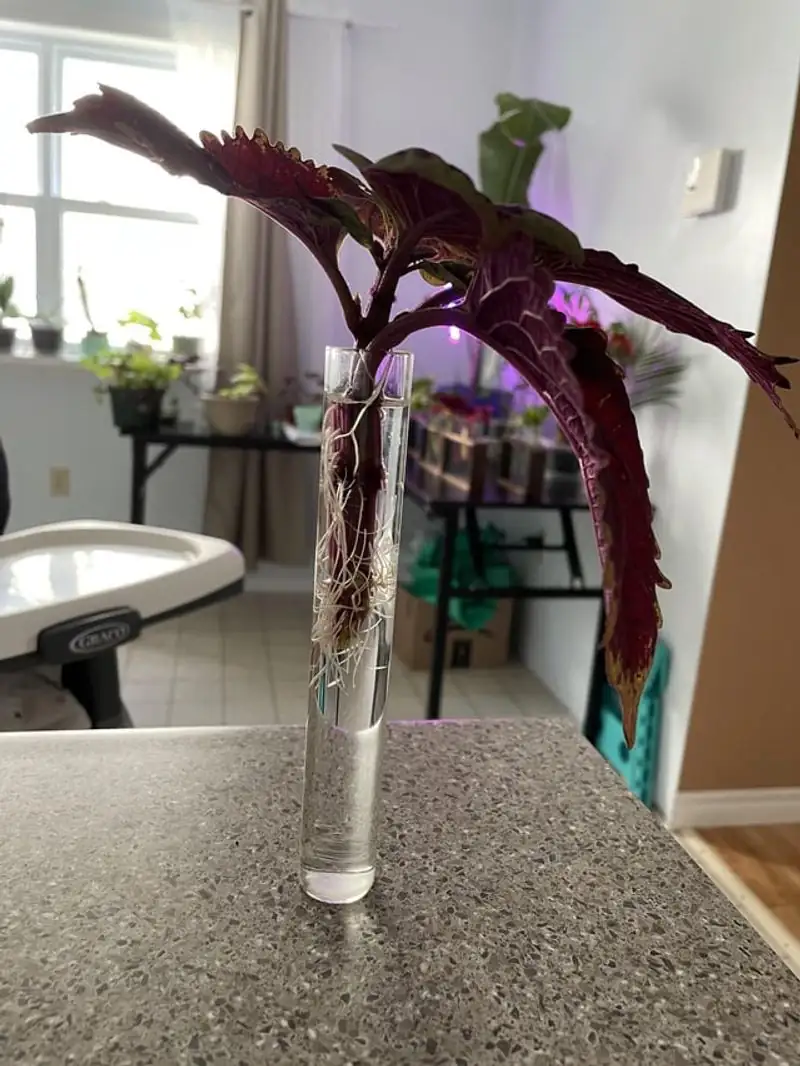
Once you have your cutting, remove the lower leaves, leaving just the top set of leaves intact. This prevents the leaves from rotting in water and ensures that the cutting focuses its energy on root development rather than sustaining unnecessary foliage. If your cutting has flower buds, pinch these off as well; the aim is to channel all the plant’s energy into rooting rather than flowering.
Step 3: Rooting in Water
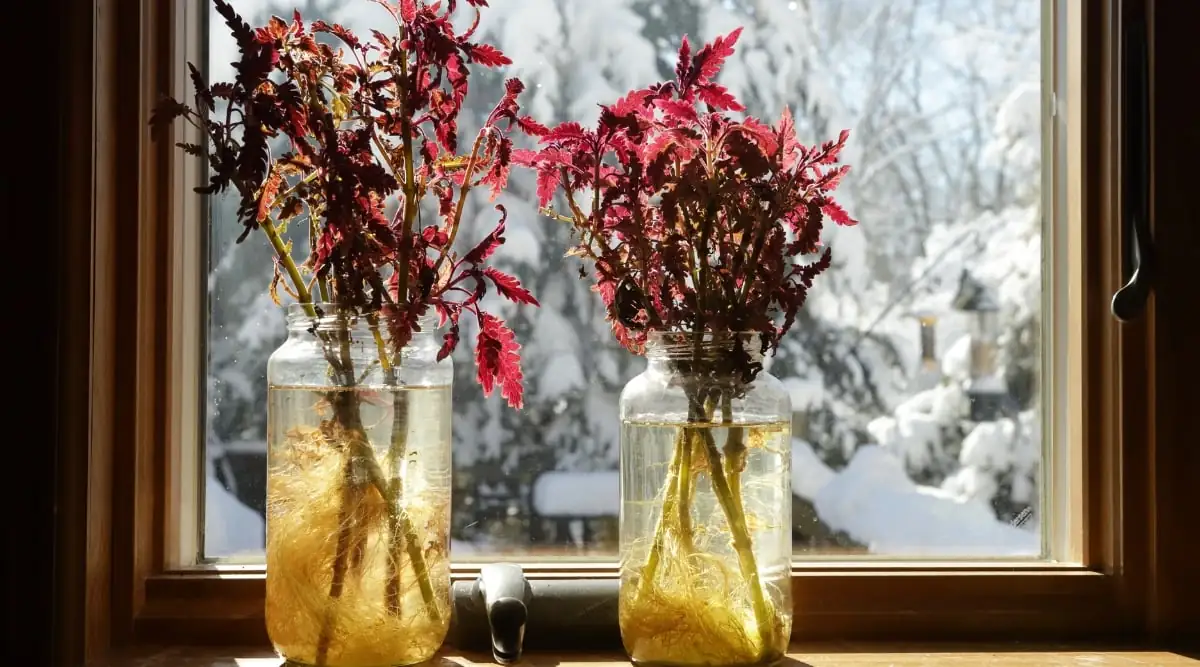
Fill a glass jar with fresh water and place your prepared cuttings inside, ensuring that the leaves are above water to avoid rot. Place the jar in a bright spot, out of direct sunlight, where temperatures are consistently warm—around 21–24°C (70–75°F). This cozy environment encourages root development, which typically begins in about two to three weeks. For those who like a bit of extra assurance, adding a rooting hormone can speed up the process, but it’s not a necessity.
Step 4: Potting Up
Once you notice roots that are a few centimeters long, it’s time to transfer your cuttings into soil. Choose a pot with good drainage and fill it with a well-draining potting mix. Plant the rooted cuttings carefully, water them in, and place them in a location with bright, indirect light. Over the next few weeks, keep the soil moist but not soggy, allowing your new plants to establish themselves.
Propagating Coleus from Seeds
Step 1: Sowing the Seeds
Propagating Coleus from seeds is a bit like baking a cake from scratch—it requires patience but yields rewarding results. Begin by filling a seed tray with a moist potting mix. Surface sow the seeds, pressing them gently into the soil without covering them; Coleus seeds need light to germinate. Keep the tray at a warm temperature, ideally between 21–24°C (70–75°F), and ensure the soil remains consistently moist.
Step 2: Germination
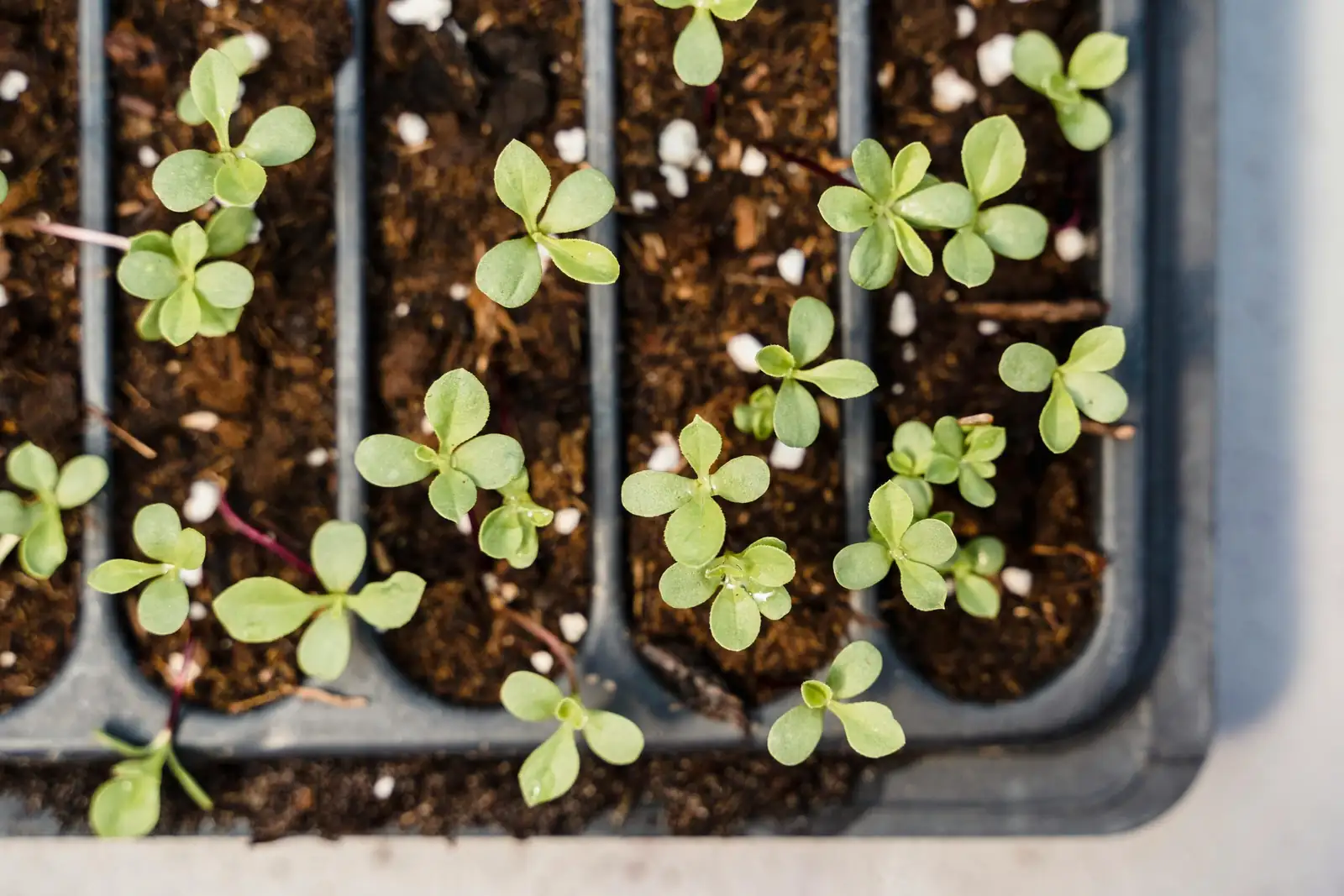
In about 10 to 21 days, you’ll see tiny seedlings begin to emerge. This is a delicate stage, requiring careful watering to avoid dislodging the fragile roots. A gentle mist from a spray bottle is ideal. As the seedlings grow, ensure they have plenty of light—a spot with bright, indirect light or supplemental grow lights can prevent them from becoming leggy.
Step 3: Transplanting Seedlings
Once the seedlings have developed a couple of true leaves and are sturdy enough to handle, it’s time to transplant them into individual pots. Use the same well-draining potting mix as you would for cuttings. Handle them carefully to avoid damaging their delicate roots. Continue to provide them with good light and keep them evenly moist as they grow.
Creating a Lush Coleus Garden
With your propagated Coleus plants thriving, you’re ready to incorporate them into your garden. These versatile plants are perfect for adding drama to shady corners, brightening up containers, or even creating a striking indoor display. Remember, Coleus loves warmth and humidity, so keep them cozy and well-watered, especially during the hotter months. Regular pinching will promote bushier growth, turning each plant into a vibrant focal point of foliage.
A Word on Safety and Care
While Coleus is a feast for the eyes, it’s important to note that its sap can irritate sensitive skin. Always handle with care and wash your hands after touching the plant. Additionally, Coleus is toxic to pets, so keep your furry friends away from these colorful beauties.
By following these simple propagation techniques, you can enjoy the endless variety and stunning colors of Coleus in your garden year after year. Whether you choose to grow them from cuttings or seeds, these adaptable plants will reward you with their lush and vivid displays, making your garden a true masterpiece.


