

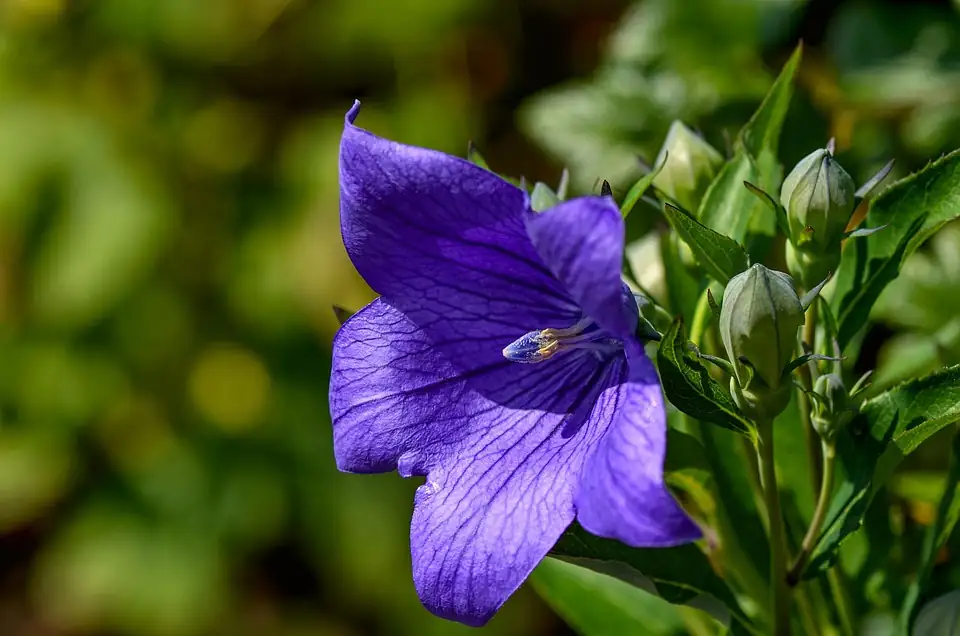
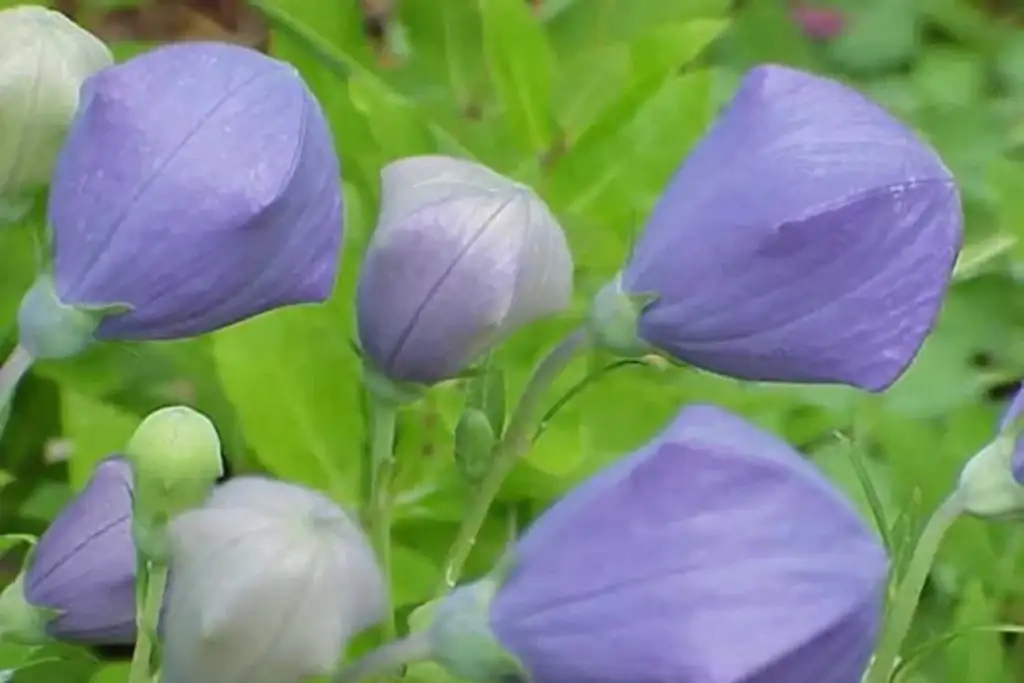
If you’re a gardener looking to add a unique and charming perennial to your landscape, look no further than the Balloon Flower, scientifically known as Platycodon grandiflorus. With its signature balloon-like buds that burst into star-shaped blossoms, this plant is not just a visual delight but also a symbol of enduring love and devotion in East Asian cultures. However, just like any treasured plant, it requires the right care to thrive. Here’s your comprehensive guide to nurturing this East Asian gem.
Light Up Their Life
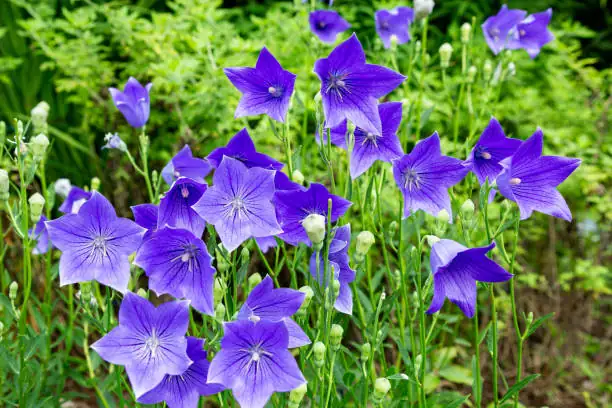
Balloon Flowers are sun lovers at heart. For the most vibrant blooms, plant them in a location where they can soak up at least six hours of sunlight each day. If you’re living in a particularly hot climate, consider giving them a reprieve from the harsh afternoon sun with a bit of partial shade. This balance ensures they don’t suffer from sun stress while still producing those captivating starry blooms.
Watering Wisdom
While Balloon Flowers are fairly drought-tolerant once established, they do appreciate consistent moisture, especially during their early growth stages. Aim to keep the soil evenly moist—never waterlogged. Think of watering as a gentle conversation with the plant: enough to keep it satisfied, but not so much that it drowns in your enthusiasm. During dry spells, offer a bit of extra water, but always prioritize good drainage to keep root rot at bay.
Soil Solutions
The ideal soil for these perennials is rich, loamy, and well-drained. Imagine creating a cozy, breathable bed for their roots—avoid heavy clay soils that could suffocate them. They prefer slightly acidic to neutral pH levels, around 5.5 to 7.5, which you can achieve by mixing in some organic compost at planting time. This not only enriches the soil but also provides a slow-release feast for your plants.
Temperature and Climate Considerations
Balloon Flowers thrive in USDA Zones 3 to 8, relishing cool to moderate climates. They flourish best with temperatures ranging from 15 to 28°C (60 to 80°F). And while they can withstand winter chills down to -29°C (-20°F), prolonged hot summers might require a bit of extra afternoon shade to keep them stress-free.
The Taproot Tango
One of the most distinctive features of the Balloon Flower is its deep taproot, which lends the plant its drought resilience but also makes it a bit of a homebody. Once planted, it’s best to let them be. If you must move them, do so with care and only when absolutely necessary. Opt for direct sowing or planting young seedlings in their permanent spots to avoid disturbing this vital root system.
Fertilization and Feeding
To encourage a spectacular show of blooms, feed your Balloon Flowers with a balanced fertilizer every 7 to 10 days during their active growth phase. Lean towards fertilizers with higher phosphorus content as buds form, and consider a slow-release feed in early spring to set the stage for a blooming bonanza.

Pruning and Maintenance
For a neat and continuous display of flowers, deadhead spent blooms regularly. If your Balloon Flowers start looking leggy, a gentle trim in late spring will encourage bushier growth. As they settle into winter dormancy, cut back the top growth to keep your garden tidy.
Propagation Pointers
While growing Balloon Flowers from seed is common, they can also be propagated through spring stem cuttings. If sowing seeds, do so in spring after the last frost, or in fall—just be sure to barely cover them. With a bit of patience, you’ll see them germinate in about 15 to 25 days.
Pests and Problems
Though generally hardy, Balloon Flowers can fall prey to rot-related diseases in poorly drained conditions. Ensure good airflow around them, avoid overhead watering late in the day, and occasionally check for slugs or snails, which may nibble on young shoots.
Fun Facts and Folklore
Did you know that the Balloon Flower is the sole member of its genus, Platycodon? Its unique buds and blooms have inspired cultural symbols, especially in Japan, where they are linked to the five senses and elements. The plant even has culinary and medicinal uses, but always remember: the root must be prepared and cooked properly to avoid gastrointestinal distress.
By following these care tips, you’ll not only enjoy a garden filled with the enchanting beauty of Balloon Flowers but also cultivate a perennial that symbolizes steadfast devotion—perfect for those who treasure beauty and resilience in their garden. So plant, nurture, and let the Balloon Flowers lift your spirits with their starry blossoms!


