

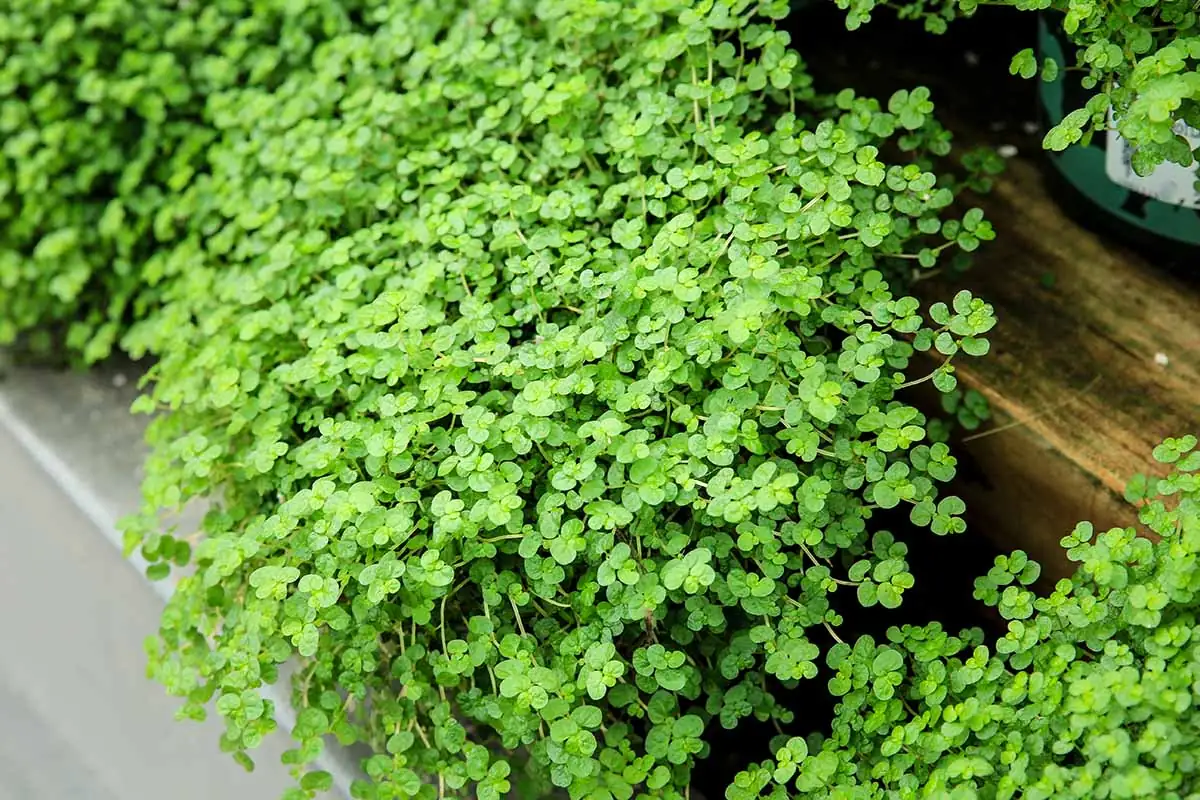
If you’re looking to add a charming splash of greenery to your indoor spaces or garden, Soleirolia soleirolii, affectionately known as “Baby’s Tears,” is your go-to plant. This delightful plant, native to the Mediterranean islands of Corsica and Sardinia, truly embodies its nickname—it looks like a lush, green cushion teeming with tiny, delicate leaves. But don’t let its soft appearance fool you; this plant is resilient, thriving in the right conditions with ease. Let’s dive into the secrets of keeping Baby’s Tears happy and healthy.
Light Requirements
Baby’s Tears love bright, indirect light. Think of it as the dappled sunlight filtering through a lace curtain—gentle and never harsh. While it can tolerate lower light levels, especially indoors, giving it several hours of soft, filtered light will keep it at its lush best. Avoid direct sunlight, which can scorch its delicate foliage, turning those tiny leaves from vibrant green to crispy brown.
Watering Schedule
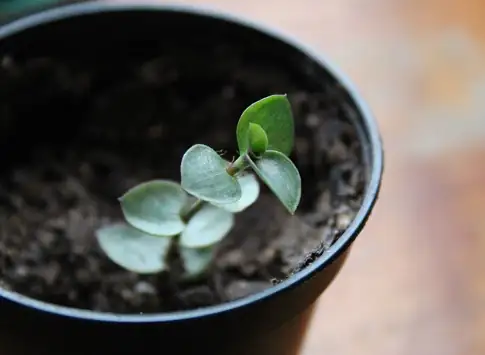
When it comes to watering Baby’s Tears, consistency is key. This plant detests drying out and will let you know with a dramatic wilting display if it’s thirsty. Aim to keep the soil evenly moist, neither bone-dry nor swampy. During the growing seasons of spring and summer, this might mean watering every 1–3 days, particularly if it’s in a small pot. In fall and winter, reduce the frequency but never let the root ball dry out completely. Remember, happy plants are hydrated plants!
Humidity and Temperature
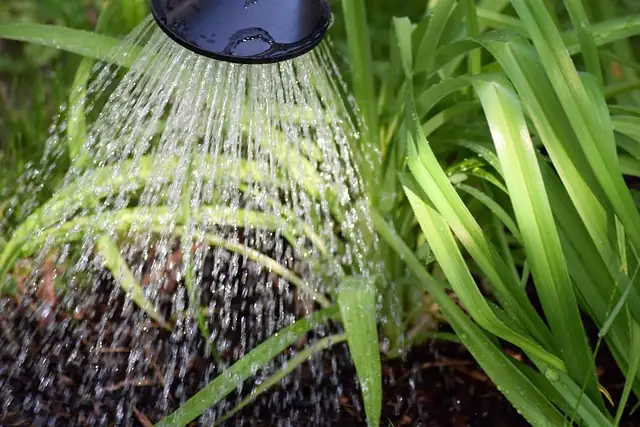
Baby’s Tears thrives in high humidity, making it the perfect candidate for a terrarium or a cozy spot in a bathroom or kitchen. If your home air is on the dry side, consider using pebble trays, grouping it with other plants, or investing in a humidifier. Temperature-wise, aim for a comfortable range between 15–24°C (60–75°F). While it can handle slight variances, prolonged exposure to cold can damage its foliage.
Soil and Fertilization
Opt for a rich, loose, and well-draining soil mix. A quality all-purpose potting mix with added compost and perlite will provide the perfect balance of nutrients and drainage. Baby’s Tears also enjoy a slightly acidic environment, around pH 6.0–6.5. During the active growth periods, feed it monthly with a balanced liquid fertilizer at half strength, but hold off on feeding during winter when growth naturally slows.
Pruning and Propagation
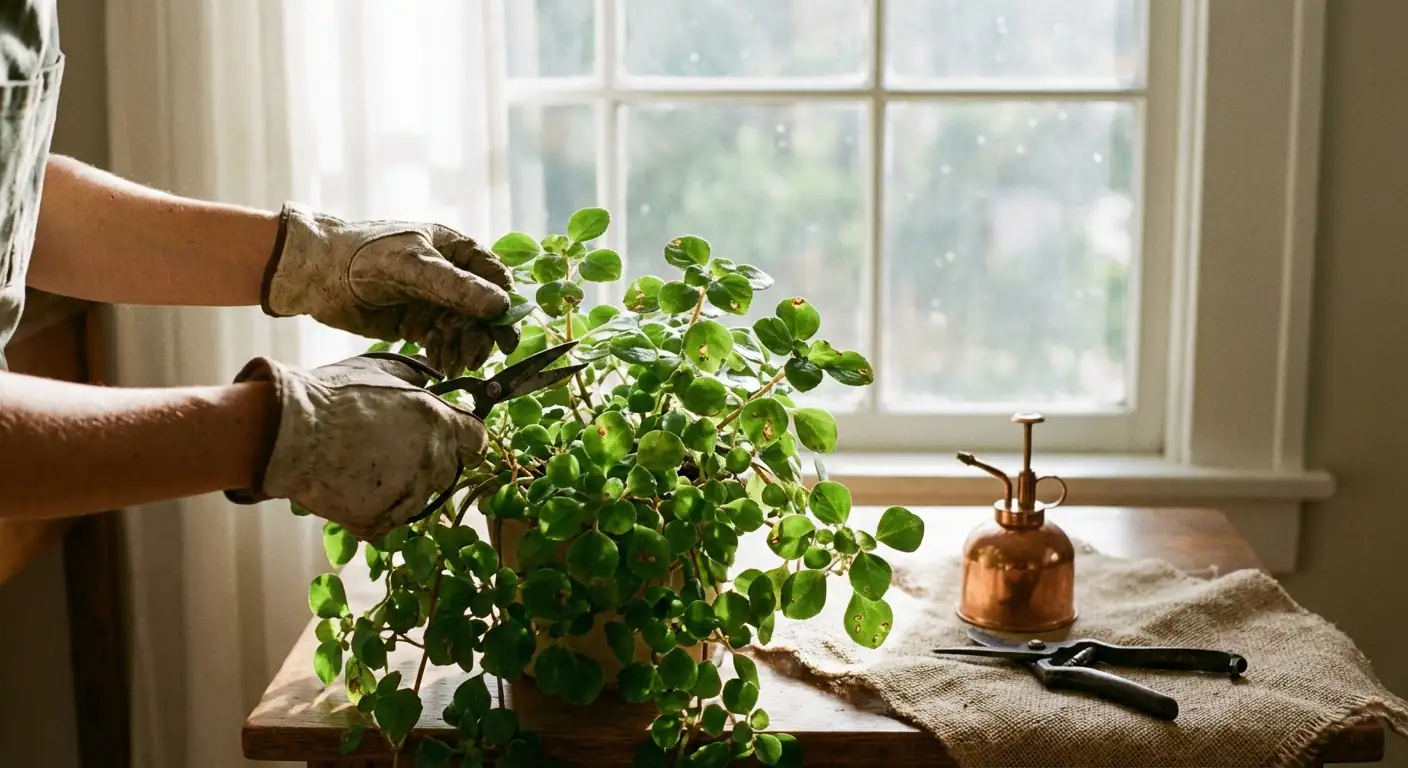
Regular pinching and trimming will keep Baby’s Tears dense and tidy. This encourages branching, helping the plant maintain its charming cushion-like appearance. If you’re growing a variegated cultivar, watch out for all-green shoots that can take over and prune them back. Propagation is a breeze—simply take stem tip cuttings, remove the lower leaves, and root them in water or moist potting mix. You can also divide a thick mat into smaller sections or let the stems naturally root where they touch moist soil.
Seasonal Care Tips
- Spring: This is the season of vigorous growth. Water more frequently, start feeding monthly, and take advantage of the new growth for propagation.
- Summer: Maintain high moisture and humidity levels, keep an eye out for pests, and trim to shape.
- Fall: Gradually reduce feeding and watering as growth slows.
- Winter: Keep the plant lightly moist and place it in the brightest indirect light available. Pause fertilization until growth picks up again.
Common Issues and Solutions
- Wilting: Typically a sign of thirst. Water immediately, and the plant should perk up within a day.
- Brown or Crispy Leaves: Usually caused by too much direct sunlight or dry air. Relocate to a spot with bright, indirect light and increase humidity.
- Bad Odor and Dark Leaves: Indicates root rot. Remove the plant, trim mushy roots, repot in fresh soil, and adjust your watering habits.
Symbolism and Fun Facts
Symbolically, Baby’s Tears represent softness, calm, and resilience—qualities that make it a favorite in many homes. Its love for water aligns with emotional flow and adaptability in feng shui, making it a soothing presence in your living space. Fun fact: despite its moss-like appearance, Baby’s Tears is a flowering plant in the nettle family, and it doesn’t sting!
With these care tips in hand, you’re well on your way to cultivating a thriving patch of Baby’s Tears, adding a touch of verdant joy to your home or garden. Happy growing!


