

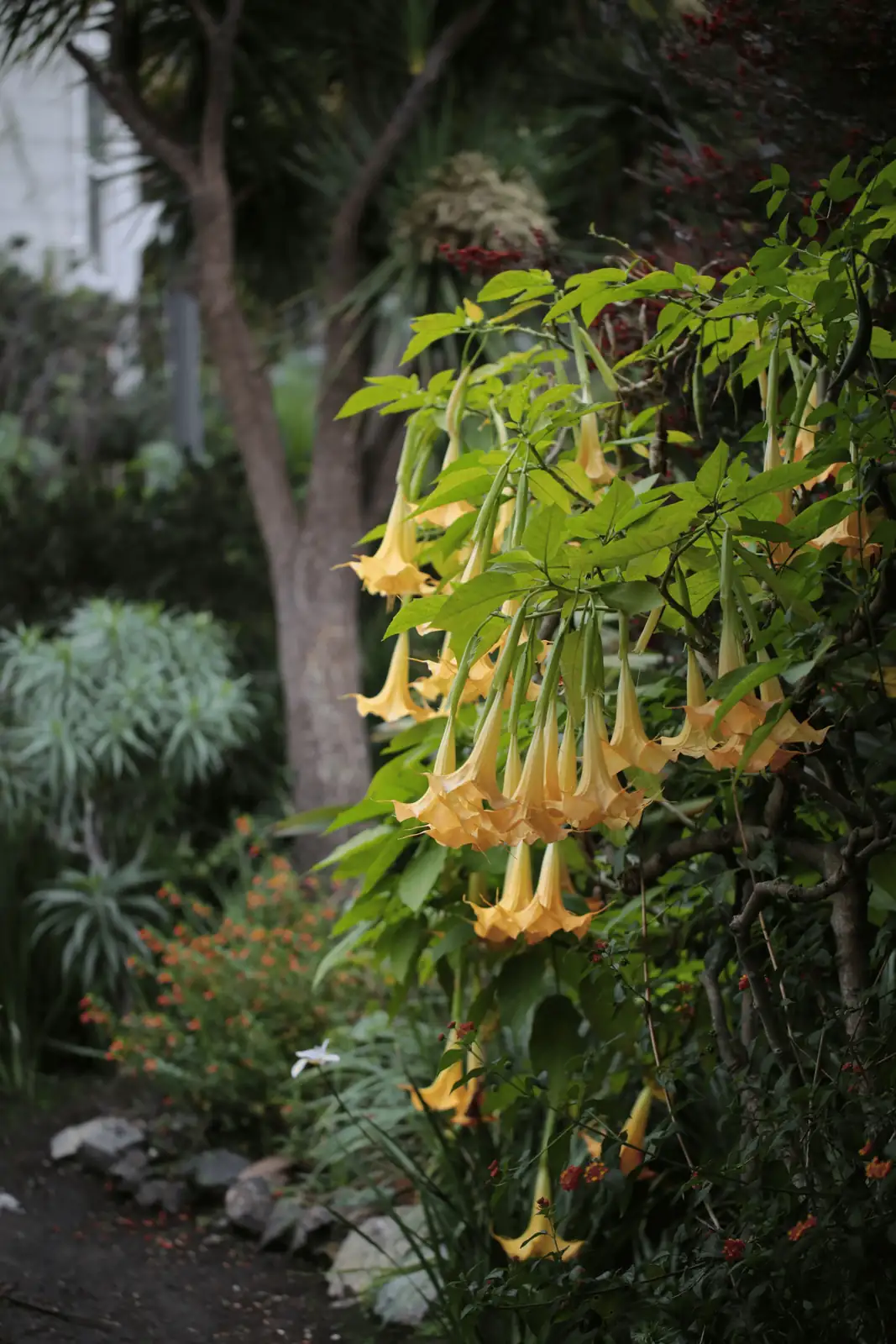
Whether you call it the Angel’s Trumpet or Brugmansia, this plant is nothing short of a showstopper. With its cascading trumpet-shaped flowers and intoxicating evening fragrance, it’s the kind of plant that transforms any garden or patio into a tropical paradise. But beware—this beauty comes with a dark side. Every part of Brugmansia is highly toxic, so handle it with care, especially around children and pets.
If you’re ready to dive into the magical world of Brugmansia, let’s explore how to nurture this striking plant to achieve those envy-inducing blooms.
Light Up Your Life
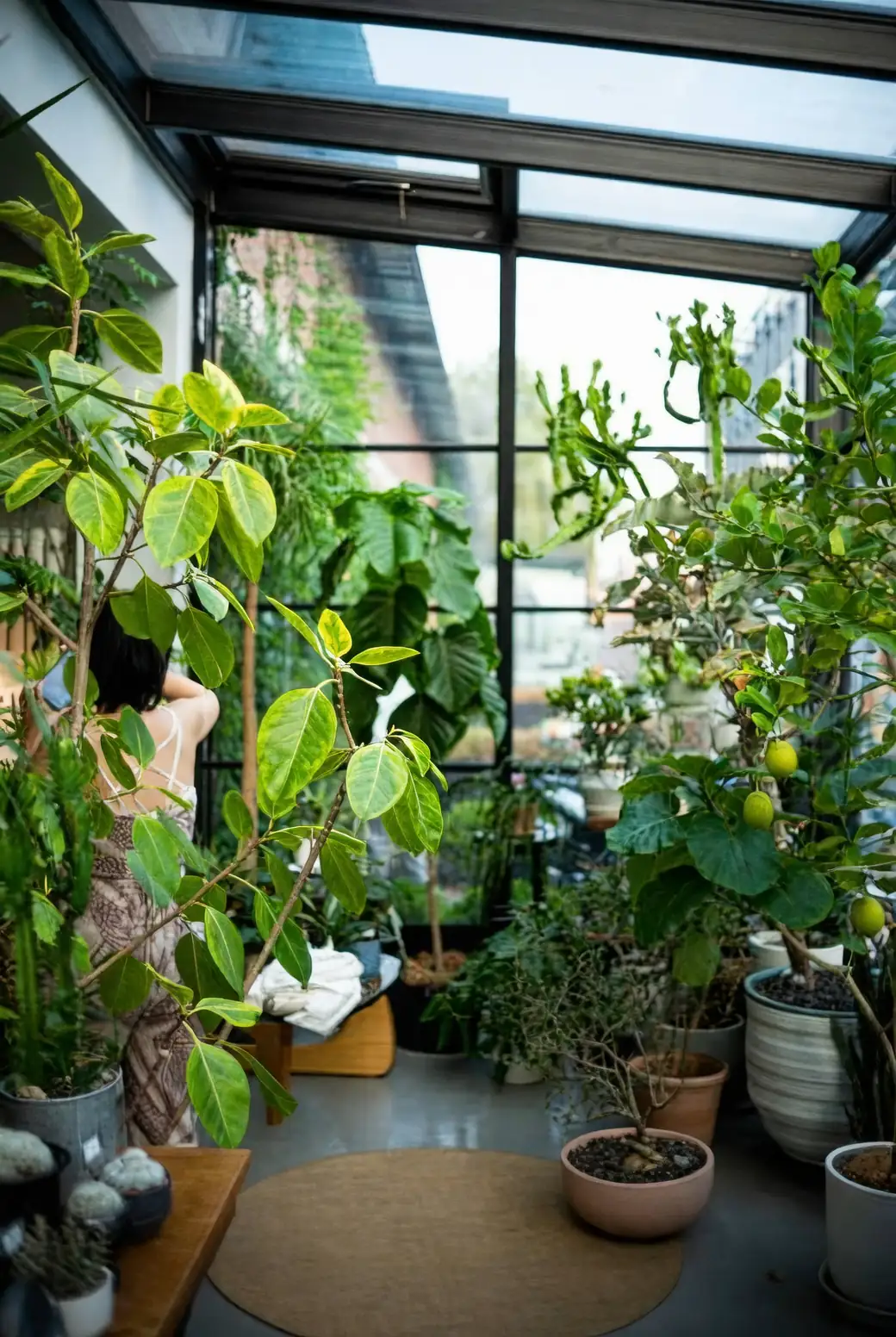
Imagine basking in the warmth of a sun-drenched afternoon—this is where Brugmansia thrives best. Ideally, these plants prefer full sun to partial sun, making them perfect for bright conservatories or sunrooms. In scorching climates, a little afternoon shade helps prevent stress and keeps your Angel’s Trumpet looking its best. Indoors, position it in the brightest spot available to mimic its native tropical habitat.
Water: The Lifeblood of Angel’s Trumpet
Brugmansia is a bit of a diva when it comes to water. It demands attention but rewards you with a breathtaking floral display. During the active growing season from spring through early autumn, keep the soil consistently moist—think of the ground after a light rain, moist but not a swamp. In winter, reduce watering to keep the soil just barely moist; it’s like giving your plant a cozy winter nap.
Soil and Potting
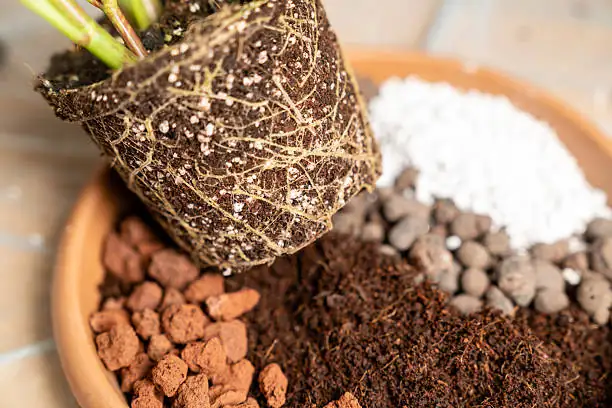
Picture a rich, fertile cake mix—this is what Brugmansia needs to sink its roots into. A well-draining potting mix is crucial to prevent root rot. For container-grown plants, a 20–30 cm (8–12 in) pot is ideal, but be ready to size up if your plant becomes root-bound. A biennial repotting schedule with fresh soil keeps your plant happy and thriving.
Temperature and Humidity
Angel’s Trumpet is a tropical dreamer at heart, flourishing in temperatures between 16–25°C (61–77°F). It’s not frost-hardy, so when temperatures dip below 10°C (50°F), bring it indoors to a cool, bright space. Moderate humidity and good airflow are also essential for keeping pests at bay and ensuring vigorous growth.
Feeding Your Blooming Beauty
Brugmansia is a gourmand, requiring a feast during its growing season. In spring, treat it monthly with a balanced liquid fertilizer. As summer rolls in, switch to a high-potassium fertilizer to fuel those spectacular blooms. Remember, moderation is key: follow the label instructions to avoid fertilizer burn.
Pruning for Perfection
After the flowering season, it’s time for a little grooming. Wear gloves—remember, it’s toxic—and prune to maintain a compact, well-branched shape. Avoid drastic cuts, as they can hinder flowering. Instead, focus on encouraging new growth that will host next season’s blooms.
Propagation: Multiply the Magic
Want more of these enchanting plants? Brugmansia is easily propagated from semi-ripe or softwood cuttings. Simply take cuttings during the growing season, place them in a warm, bright location, and watch roots form as if by magic.
Common Challenges and Solutions
Despite its easy-care reputation, Brugmansia is not immune to pests like whitefly, aphids, and spider mites. Increase airflow and rinse foliage if you spot these tiny invaders. Use insecticidal soap or horticultural oil for early treatment.
A Word on Safety
While Brugmansia is a visual delight, remember that its beauty is laced with danger. All plant parts contain potent tropane alkaloids, so it’s crucial to keep it out of reach from curious hands and paws. Wear gloves when handling and wash your hands afterward.
Brugmansia is more than just a plant; it’s an experience, a fragrant reminder of tropical nights and magical gardens. By understanding its needs and respecting its power, you can cultivate a garden of enchantment right at home. So, are you ready to let the Angel’s Trumpet cast its spell over your garden?


