How to Propagate Cypress Trees: A Step-by-Step Guide for Gardeners
Imagine standing beneath the towering presence of a cypress tree, its dense, aromatic foliage whispering secrets of resilience and longevity. Whether you’re drawn by their architectural beauty or their symbolic strength, propagating cypress trees can be a rewarding endeavor for gardeners of all levels. Here’s how you can cultivate these majestic conifers from seeds and cuttings to grace your garden with their serene elegance.
Understanding Cypress: A Botanical Prelude
Cypress trees, belonging to the genus Cupressus, are renowned for their clean, columnar silhouettes and dense, evergreen foliage. While many cypresses remain lush year-round, the Bald Cypress (Taxodium distichum), also often called a “cypress,” offers a beautiful twist with its deciduous habit and coppery fall color. These trees are native to various regions across the Northern Hemisphere, thriving in temperate and subtropical climates.
Propagating Cypress from Seeds
Growing cypress trees from seeds is a journey of patience and anticipation. Here’s a comprehensive guide to getting started:
Step 1: Collect the Seeds
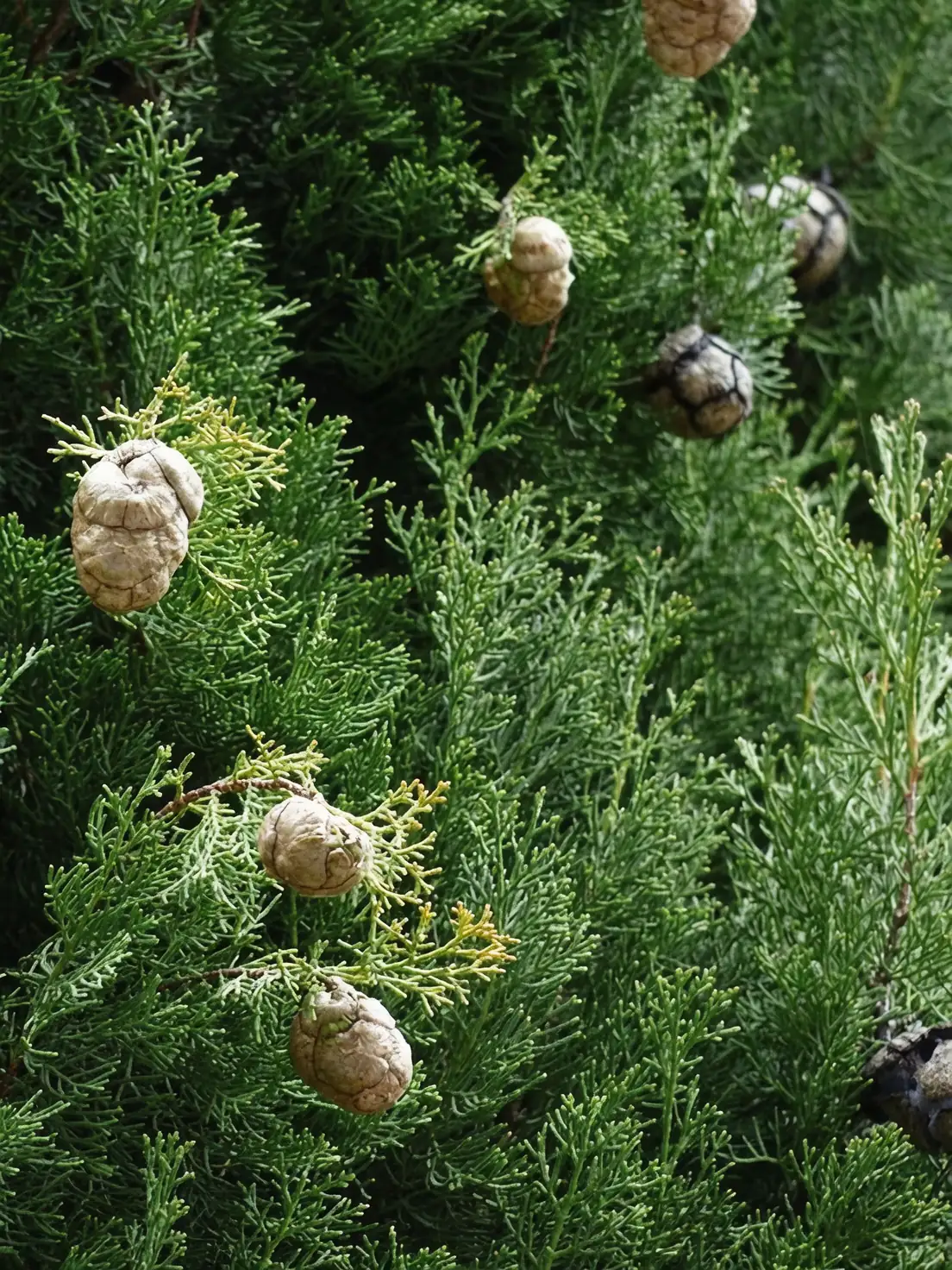
- Timing is Key: Gather mature cones in the fall, around September to October, when they have turned brown and are ready to release seeds.
- Extract the Seeds: Once collected, place the cones in a warm, dry location to encourage them to open and release seeds. You can gently shake or tap the cones to assist this process.
Step 2: Prepare for Stratification
- Cold Stratification: Cypress seeds benefit from a period of cold stratification to break dormancy. Place the seeds in a moist medium, such as sand or peat, and refrigerate them for about 2-3 months.
Step 3: Sow the Seeds
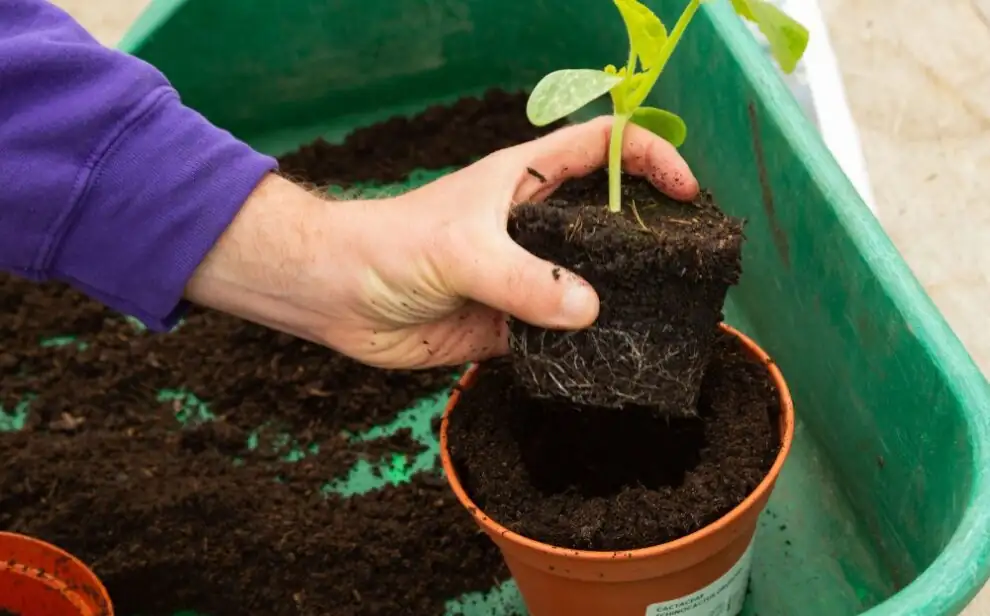
- Spring Sowing: After stratification, sow the seeds in a well-draining potting mix in early spring. Lightly cover them with the soil and keep them in a location with bright, indirect light.
- Watering: Maintain consistent moisture without waterlogging. Mist the soil surface to keep it evenly damp.
Step 4: Care for Seedlings
- Germination Patience: Seedlings can take several weeks to appear. Once they do, ensure they have ample sunlight to develop strong, healthy growth.
- Transplanting: When seedlings are a few inches tall and have developed several sets of true leaves, they can be carefully transplanted into larger containers or directly into the garden.
Propagating Cypress from Cuttings
For those eager to see quicker results, propagating cypress trees from cuttings is an excellent choice. This method is particularly effective for creating clones of a parent plant with desirable traits.
Step 1: Select Your Cuttings
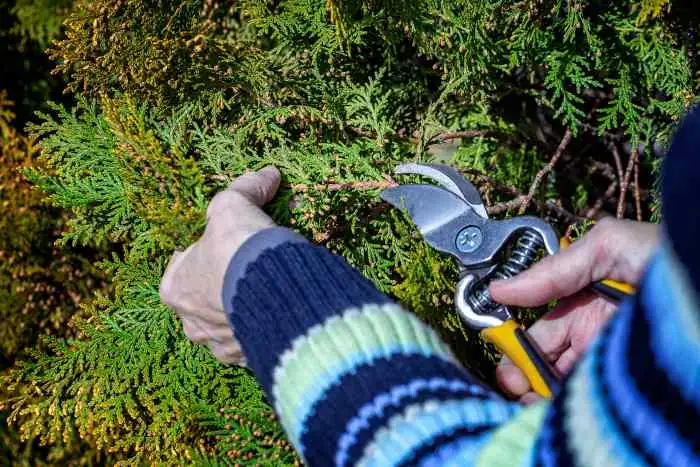
- Timing and Material: Take semi-hardwood cuttings in spring or early summer. These should be 6-8 inches long and taken from healthy, disease-free branches.
- Preparation: Remove the foliage from the bottom two-thirds of the cutting to prevent rot and promote root development.
Step 2: Apply Rooting Hormone
- Boosting Success: Dip the bottom of the cutting into a rooting hormone powder or gel to encourage faster root formation. Shake off any excess hormone.
Step 3: Plant the Cuttings
- Ideal Medium: Use a sandy, well-draining potting mix. Insert the cuttings about 2 inches deep, ensuring they stand upright.
- Humidity Control: Create a mini greenhouse effect by covering the pot with a clear plastic bag or placing it under a humidity dome. This helps retain moisture and warmth.
Step 4: Foster Root Development

- Location and Care: Place the cuttings in indirect light, avoiding direct sun, which can overheat and damage them. Keep the medium lightly moist and mist the cuttings daily.
- Root Check: After several weeks, gently tug on the cuttings. Resistance indicates root development. Once rooted, gradually acclimate the new plants to lower humidity before transplanting.
Nurturing Your Cypress Saplings
Cypress trees, once established, are known for their low maintenance and resilience. However, young plants need careful nurturing:
- Watering: Ensure consistent deep watering, especially during the first few years. Avoid frequent shallow watering which encourages weak root systems.
- Sunlight: Provide your young cypress with full sun, as this promotes dense growth and a strong form.
- Fertilization: After the first year, a light application of balanced, slow-release fertilizer in spring can support vigorous growth.
Embrace the Legacy of Cypress
Propagating cypress trees allows you to partake in a legacy of endurance and grace. These trees have stood the test of time, from ancient Chinese temples to modern memorial plantings. By growing your own cypress, you not only add beauty to your landscape but also contribute to a tradition of planting for the future.
Whether from seed or cutting, each cypress you nurture is a testament to nature’s quiet strength—a living symbol of longevity, resilience, and the passage of time. So, roll up your sleeves, gather your seeds and cuttings, and let the journey of cultivating cypress trees fill your garden with timeless beauty.