

Unlocking the Secrets to Year-Round African Violet Blooms
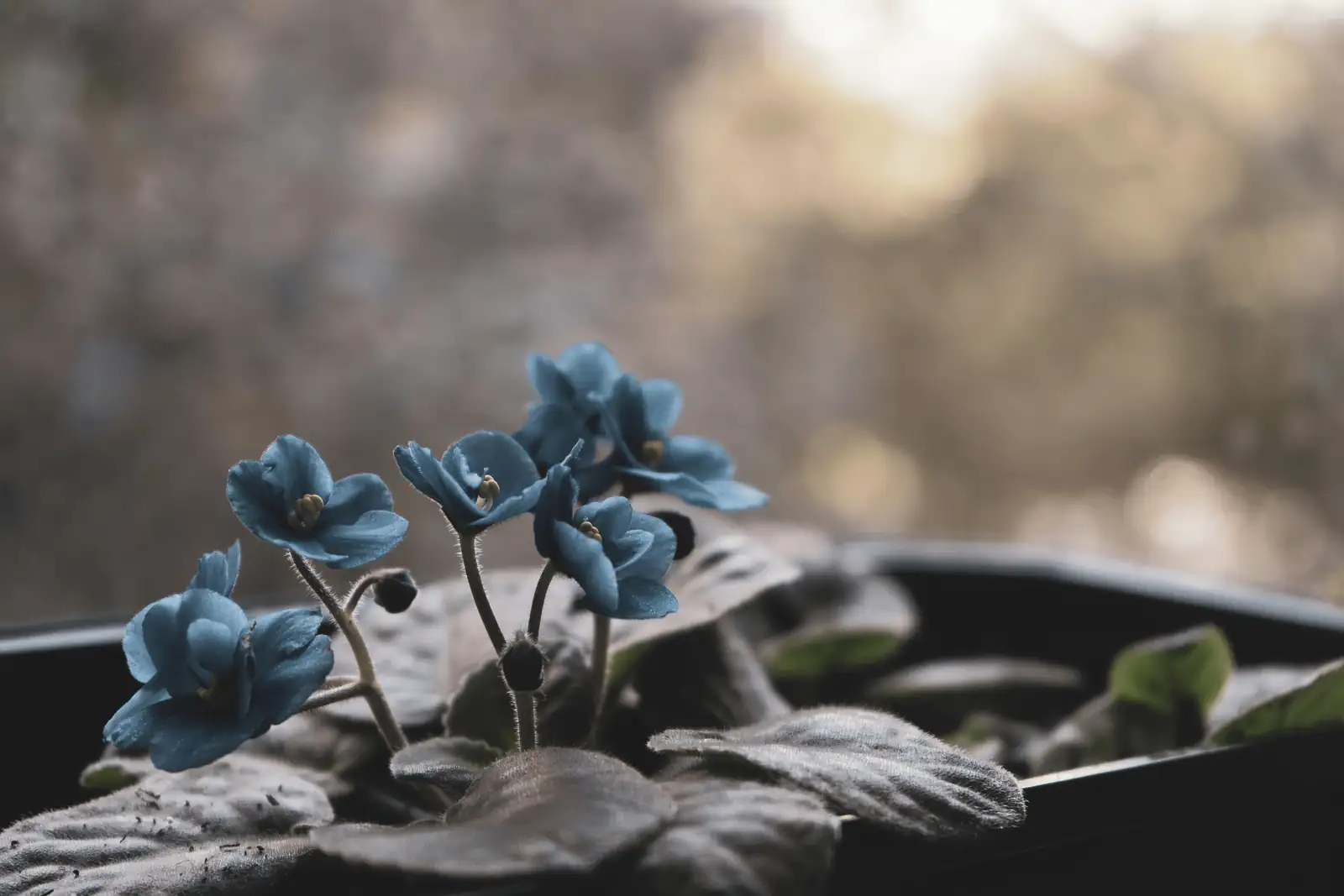
Imagine a tiny, vibrant garden residing right on your windowsill. That’s the magic of the African violet, scientifically known as Streptocarpus ionanthus (formerly Saintpaulia ionantha). With their lush velvety leaves and colorful blooms, these compact houseplants bring a cheerful touch to any indoor space. But how do you keep these delightful plants in bloom all year round? Let’s dive into the art of African violet care, where light, water, and a little bit of love make all the difference.
The Spotlight on Light
African violets are like Goldilocks when it comes to light—they need just the right amount. Too much direct sunlight can scorch their delicate leaves, while too little light can leave them sulking with minimal blooms. The sweet spot? Bright, indirect light.
- Natural Light: An east-facing window is your plant’s best friend, offering gentle morning rays without the harsh midday sun. Rotate your pot a quarter-turn with each watering to ensure even growth and prevent your violet from leaning towards the light.

- Artificial Light: If natural light is scarce, consider using grow lights set on a 12-hour cycle. This consistent light source can ensure your violet stays in a perpetual state of blissful bloom.
Watering Without Worry
Watering an African violet can feel like a high-stakes game of Operation—one wrong move, and you might trigger a crisis! But fear not, with these tips, you’ll be a watering pro in no time.
- Bottom Watering: Love your plant from the bottom up. Place your violet’s pot in a shallow tray of lukewarm water, allowing it to soak for about 20 minutes. This method keeps the fuzzy leaves dry, reducing the risk of unsightly spots and rot. Remember, never let your plant sit in water for too long—nobody likes soggy feet!
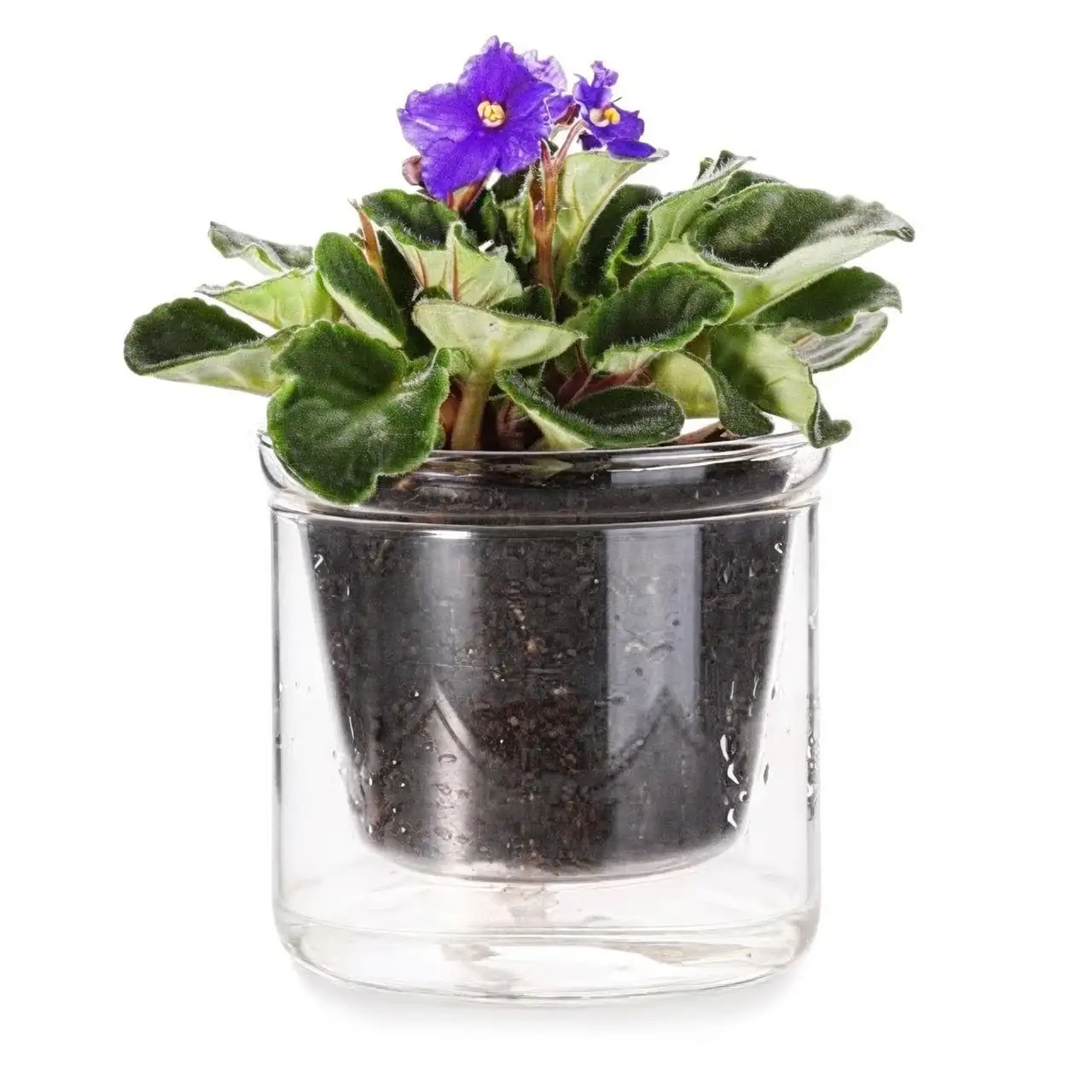
- Water Temperature: Always use water that’s room temperature or slightly warm. Cold water can shock your plant’s roots, causing more harm than good.
Soil and Potting: The Foundation of Health
African violets thrive in a potting mix that feels like a cozy, breathable blanket for their roots. The right soil and pot size are crucial for their well-being.
- Soil Mix: Opt for a light, airy mix, often peat-based, with added perlite for drainage. This ensures your violet’s roots have access to air, preventing the dreaded root rot.
- Pot Size: Keep it snug! African violets prefer being slightly root-bound, which encourages blooming. A pot about one-third the diameter of the plant’s leaf span is ideal. Repot only when necessary, using a mix that’s fresh and well-draining.
Temperature and Humidity: The Climate of Comfort
African violets hail from the warm, humid regions of Eastern Africa, so replicating these conditions is key to their happiness.
- Temperature: Maintain a cozy climate between 16–24°C (61–75°F). Keep your plant away from cold drafts and avoid exposing it to temperatures above 30°C (86°F), which can stress the plant.
- Humidity: A moderate level of humidity (40-60%) is just right. If your home is dry, consider using a pebble tray or a room humidifier to keep the air around your violet pleasantly moist.
Feeding and Fertilizing: Fuel for Blooms
African violets aren’t heavy feeders, but a little nutrition goes a long way in supporting their flowering efforts.
- Fertilization: Use a balanced, water-soluble fertilizer every two weeks during active growth periods. A formula slightly higher in phosphorus and potassium can give your blooms a boost, but moderation is key. Ease up on feeding during the cooler months when growth naturally slows.
Pruning and Propagation: Encouraging New Life
Keep your African violet looking its best with a bit of grooming and propagation know-how.
- Pruning: Regularly remove spent blooms and any yellowing or damaged leaves. This tidies up the plant and encourages more flowers to flourish.
- Propagation: African violets are incredibly easy to propagate from leaf cuttings. Simply root a healthy leaf with its stalk in a light, moist medium, and watch new life emerge!
Seasonal Care: Adapting to Changes
African violets, like us, thrive on consistency but can adapt to seasonal changes with a little help.
- Spring to Summer: Keep your violet warm and well-lit, watering as needed to maintain even moisture. Increase humidity without wetting the leaves.
- Autumn: Gradually reduce watering while keeping the soil lightly moist. Adjust light exposure as natural daylight decreases.
- Winter: Move your plant closer to brighter light, protect it from drafts, and reduce watering frequency. Use lukewarm water and consider supplemental lighting during the darkest months.
Common Challenges and Solutions
Even the most experienced plant parents encounter challenges. Here’s how to tackle them head-on:
- Root Rot in Winter: Avoid using cold water and ensure good drainage. Keep your plant warm and in bright light to facilitate proper water use.
- Small, Pale Flowers: Check your light levels and temperature. Ensure your plant is not too hot and receives adequate indirect light.
By understanding and catering to the needs of African violets, you can enjoy their charming blooms year-round. As you nurture these little wonders, they offer enduring beauty and a gentle reminder of nature’s resilience, right in the heart of your home. Happy growing!


