
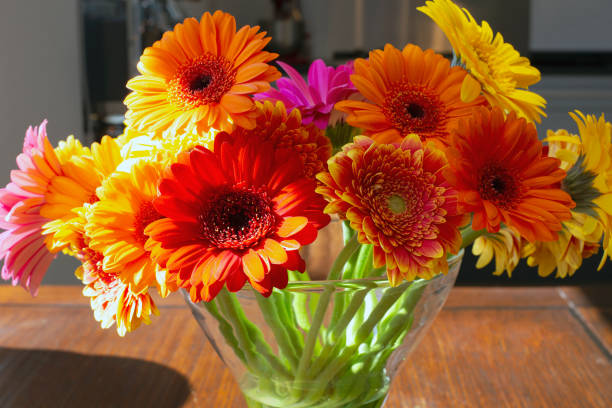
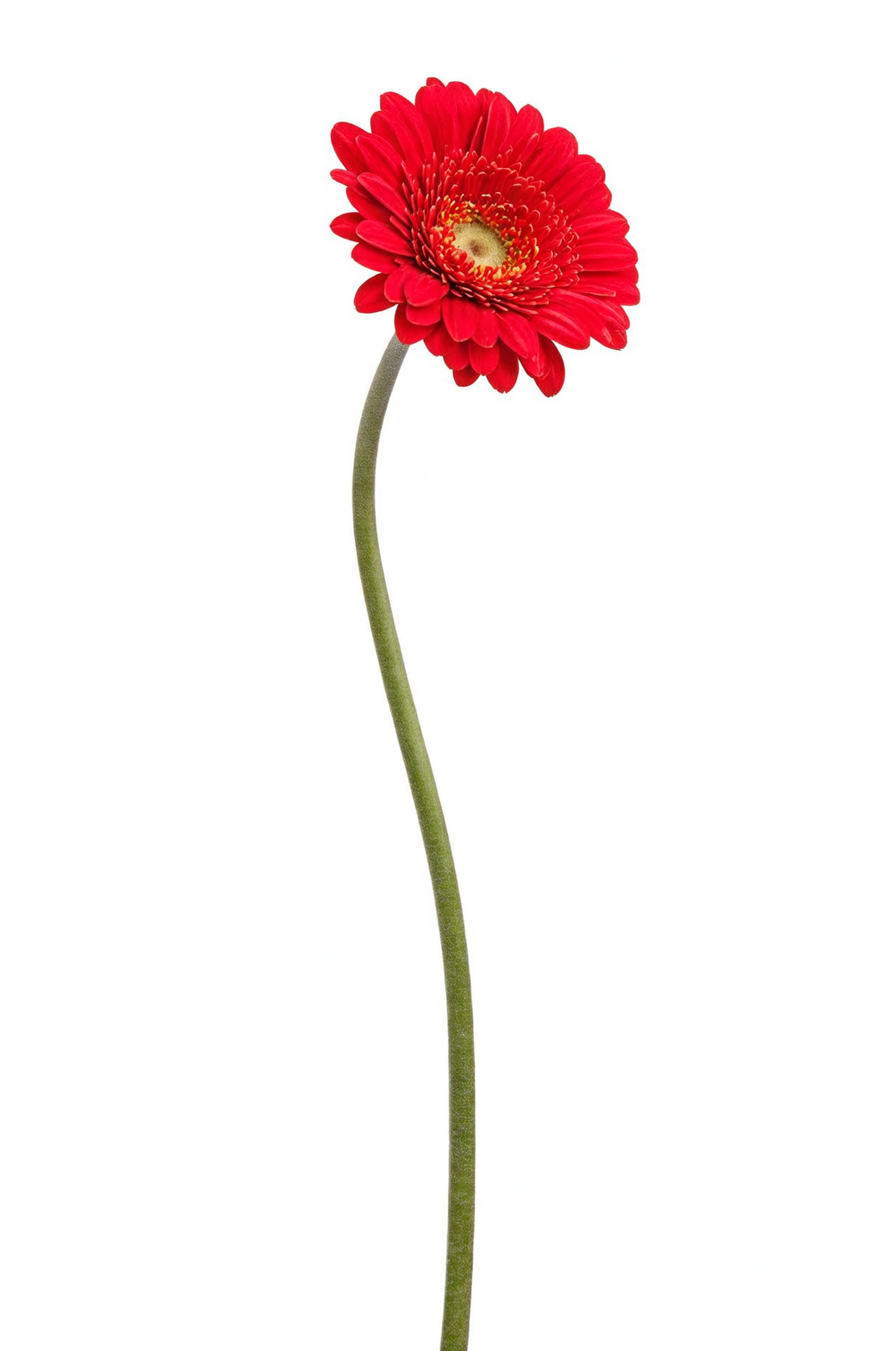
Gerbera jamesonii, the Gerbera Daisy, is the smile in a vase: big, sunburst blooms on elegant, leafless stems that lift any room. But these beauties have one quirk—soft, pithy stems that can clog and bend if you treat them like roses. Here’s the pro playbook to keep your gerberas standing tall and glowing for as long as possible.
Meet the bloom (and why handling matters)
- Origin: Southern Africa, especially around Barberton in South Africa and Eswatini—the “Transvaal/Barberton daisy.”
- Look: A single “flower” is actually a composite head of many tiny florets (Asteraceae family) in white, yellow, orange, salmon, pink, and red, with single to densely double forms.
- Why gerberas droop: Their leafless stems are soft and easily colonized by bacteria. If stems sit deep in water or in a dirty vase, they get slimy, uptake fails, and that classic “bent neck” appears.
The pro’s playbook for longer vase life
1) Start squeaky‑clean
Gerbera stems are unforgiving of grime.
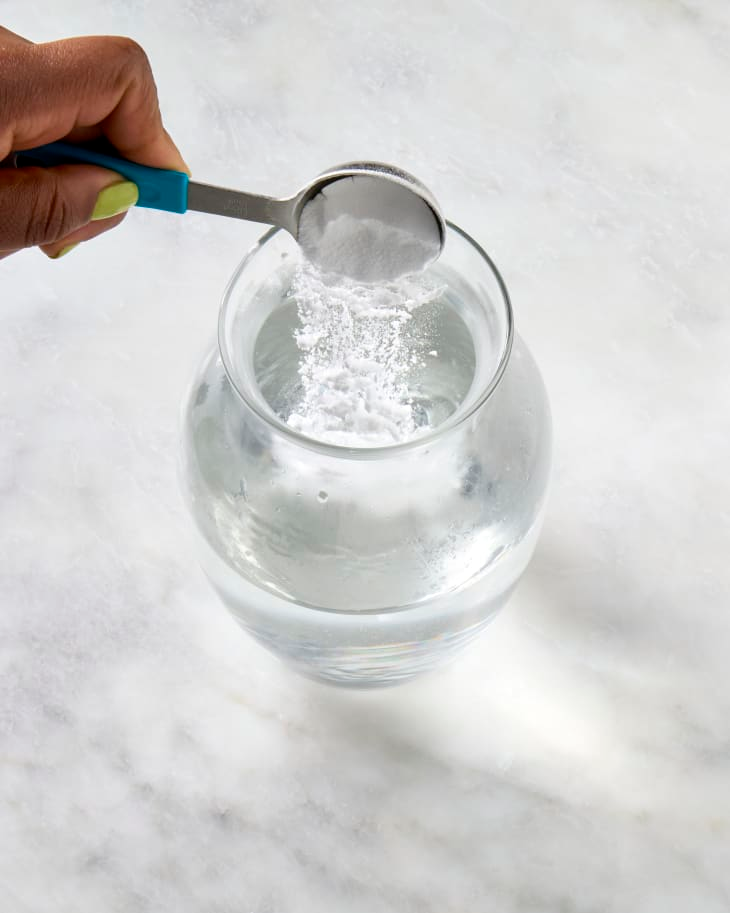
- Scrub vases and tools with hot soapy water, rinse, then sanitize (a mild bleach solution—about 1 tsp bleach per quart/liter—works) and air-dry.
- Wash your hands or wear clean gloves; avoid touching the cut ends.
2) Prep stems like a florist
- Recut 1–2 cm (about 1/2–1 in) from each stem at a 45° angle. Do it under water if possible to avoid drawing air into the xylem.
- Immediately place stems into a clean vase of fresh preservative solution. No air-drying of ends, no delays.
- Florist tip (optional): A quick-dip hydrating solution can jump‑start uptake before you arrange, then move them into preservative.
3) Shallow water is the secret
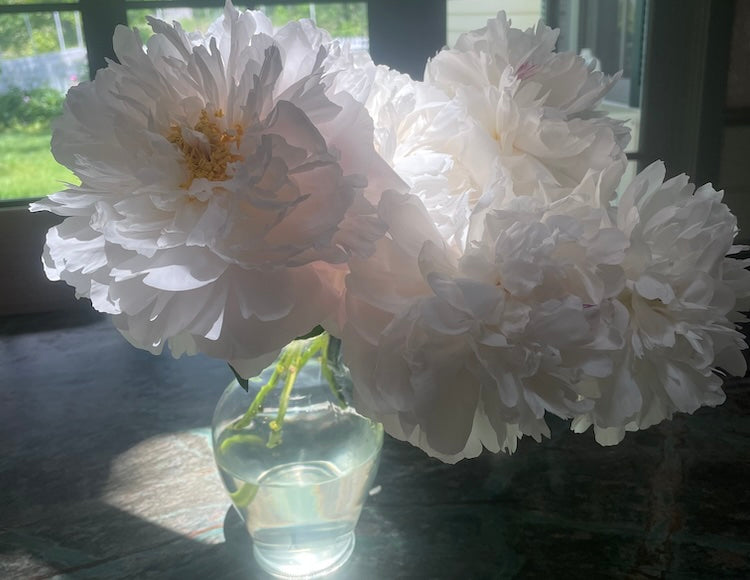
- Use just 2.5–5 cm (1–2 in) of solution—enough to cover only the bottom of the stems.
- Why shallow? Deep water softens the pithy stem and accelerates bacterial growth, leading to slumping.
4) Feed, refresh, repeat
- Always use a commercial floral preservative/biocide mixed to label directions.
- Top up daily to maintain shallow depth, and fully change the solution every day or two.
- Each time you change water, rinse the stems, recut a thin slice, and wash the vase. This single habit is a game‑changer for gerberas.
5) Keep it cool and ethylene‑safe
- Display cool, in bright but indirect light, away from heating vents, sunny windows, and drafts.
- Keep flowers far from ripening fruit, cigarette smoke, and vehicle exhaust—ethylene gas speeds aging.
- Conditioning in a floral cooler is excellent; avoid a home fridge that houses fruit.
6) Support to prevent bending
Even perfectly conditioned stems can arch under big, double heads.
- Use gerbera support collars (clear plastic “lifesavers”) around the neck of each bloom.
- Sleeve stems with a clear drinking straw or purpose‑made tube as an external support. Cut to size so it’s discreet above the vase rim.
- Arrange tightly or use a grid/frog to keep stems upright and reduce leverage on the neck.
- Keep flower heads dry—wet centers invite Botrytis (gray mold).
7) Foam, if you must
Gerberas perform best in water. If using floral foam:
- Pre‑soak foam thoroughly in preservative solution.
- Keep stems short and well‑supported.
- Expect a shorter vase life than in clean water.
Day‑by‑day care checklist
- Day 0 (arrival): Sanitize vase and tools, recut stems, place in shallow preservative solution, and condition somewhere cool.
- Daily: Top up preservative solution to maintain 1–2 inches depth; keep arrangement cool and away from fruit.
- Every 24–48 hours: Rinse stems, recut a sliver, scrub/sanitize the vase, and replace with fresh preservative.
- Always: Keep heads dry; re‑position supports if blooms enlarge or shift.
Troubleshooting like a pro
- Bent neck within 24–48 hours:
- Likely bacterial blockage or too‑deep water. Recut under water, switch to a spotless vase with fresh preservative, reduce depth to 1–2 inches, and add support collars/tubes.
- Cloudy water or slime on stems:
- Bacteria bloom. Immediate full clean, fresh preservative, shallow depth, and stricter change schedule (daily).
- Moldy/fuzzy flower centers:
- Botrytis. Remove affected stems; improve airflow, keep heads dry, and avoid crowding.
- Stems feel spongy at the base:
- Water too deep or stale. Recut and return to shallow, freshly mixed preservative.
- Flowers fade quickly despite care:
- Suspect heat or ethylene exposure. Move to a cooler spot, away from fruit and sun; recut and refresh solution.
Smart selection and conditioning tips
- Choosing stems: Look for firm, clean stems and flower heads with the outermost ring of florets fully open and fresh (not tight, not shedding). Avoid slime, spots, or gray fuzz.
- On arrival: Many stems ship with face guards; remove gently once blooms are hydrated and supported.
A quick note on symbolism and safety
- Symbolism: Gerberas radiate cheer, admiration, and warmth—colors amplify the message: yellow for joy and friendship, pink for gentle affection, orange for enthusiasm, red for passion, white for purity. These meanings are modern “flower language” conventions used in gifting rather than ancient doctrine, but they’re widely recognized and perfect for tailoring a bouquet’s mood.
- Pet‑friendly: Commonly listed as non‑toxic to cats and dogs. Still, discourage nibbling to avoid tummy upsets.
Why this method works
Gerbera stems are essentially hollow, pithy straws feeding a large, thirsty bloom. Shallow, clean, biocide‑charged water keeps the uptake path clear; cool temps slow metabolism; ethylene avoidance delays aging; and external supports defeat gravity’s leverage on a long, delicate neck. Nail these and you’ll routinely see 7–10 days of fresh, perky color—sometimes more.
Gerbera jamesonii may come from the sunny south of Africa, but on your table it thrives on cool elegance, crisp hygiene, and just a sip of water. Keep it shallow, keep it clean, and let those joyful disks do what they do best: shine.