

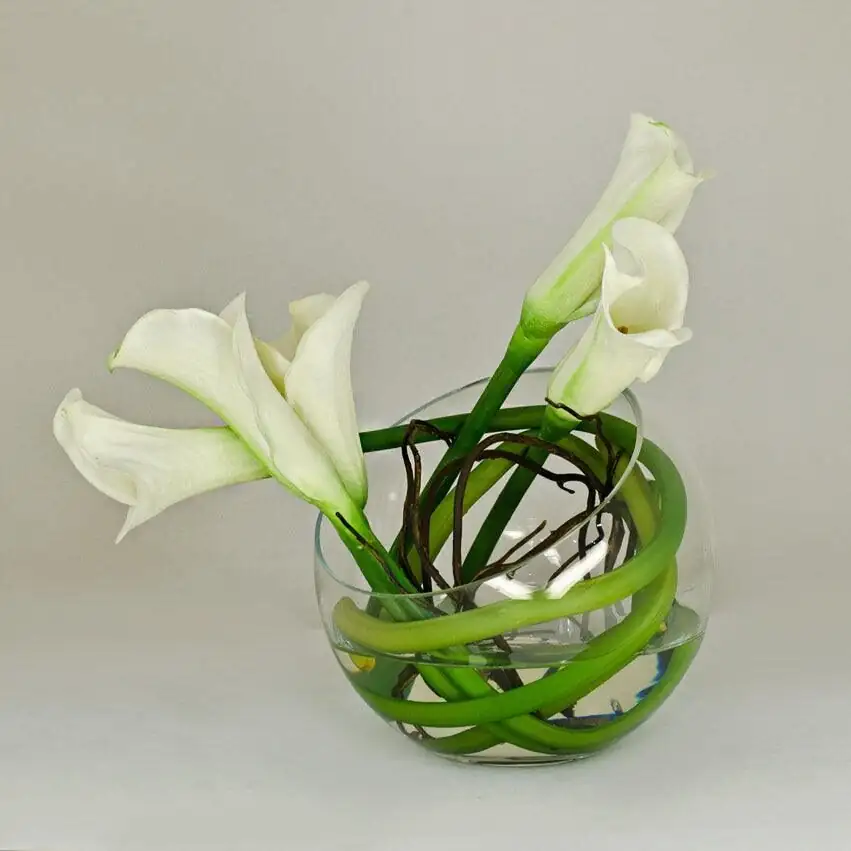
Velvet-white curves, architecture in bloom—calla lilies (Zantedeschia aethiopica) are the sculptural showpieces pros reach for when they want instant elegance. But that sleek spathe is also unforgiving: one bruise, one splash, one warm room, and the look slips. Here’s the insider playbook to harvest at the perfect moment, prep stems so they drink, keep those spathes flawless, and slow the fade long enough to enjoy every last curve.
Harvest like a pro: the perfect stage
- Cut at “nearly unfurled.”
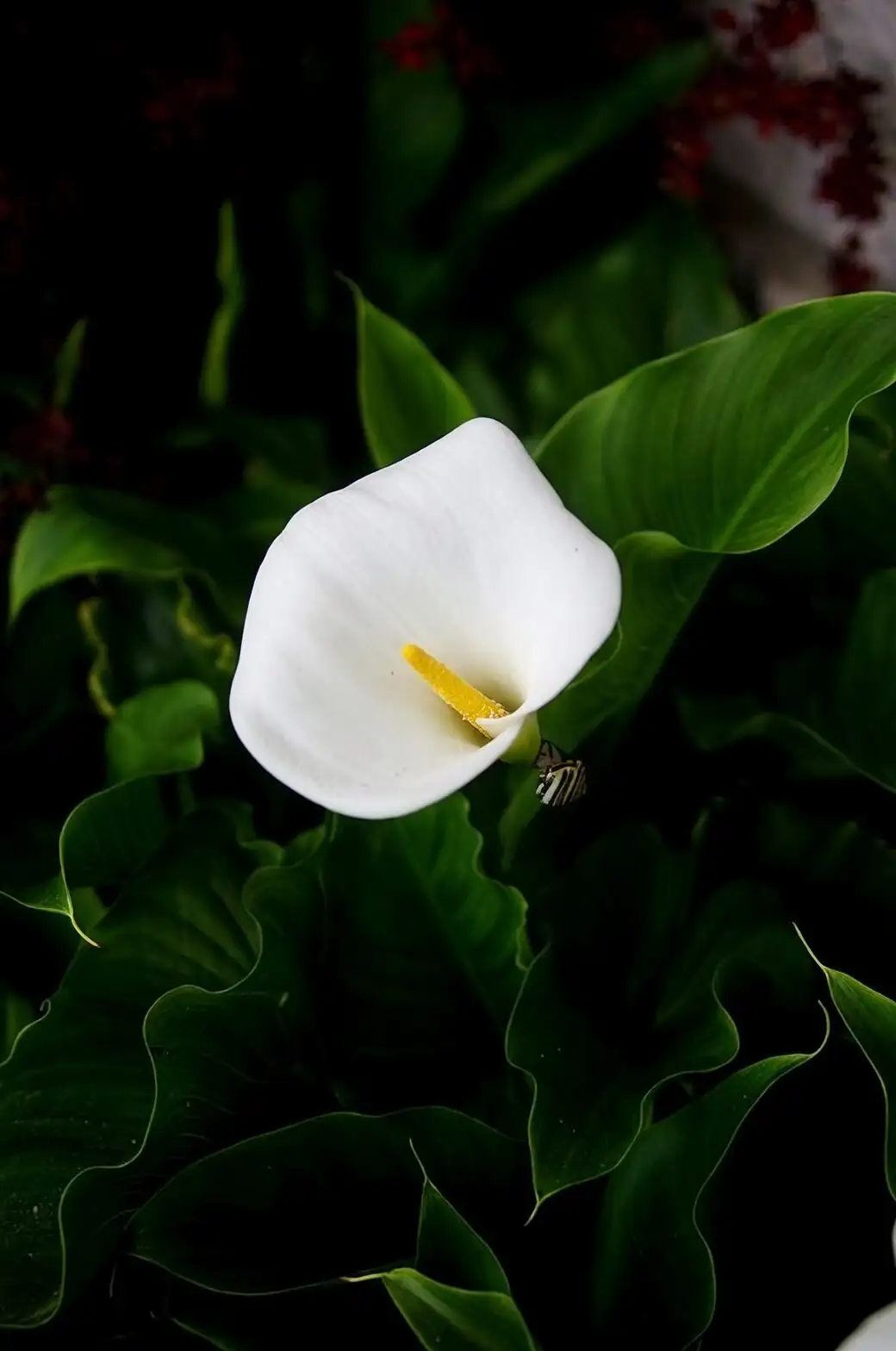
- Choose stems whose spathes are almost fully opened, with the spadix clearly visible but not shedding any powdery pollen. A tidy, clean spadix signals freshness and best vase life.
- Avoid buds cut “too tight”—they often never open properly. Over-mature flowers (edges soft, spadix dusty) bruise easily and fade fast.
- Inspect for flawless form.
- Spathe: uncreased, unbruised, edges white/clean (or crisp, even color in colored cultivars).
- Stem: firm and smooth—pliable, not snappy; no sliminess.
- Garden/greenhouse harvest note.
- Early morning is best. Support the stem and gently twist-pull it free from the clump (a common pro technique), then re-cut immediately to open water pathways.
Vase-life target: With good handling, expect about 5–10 days.
Stem prep that extends vase life
- Sanitize first.
- Clean clippers, clean hands, clean buckets. Calla stems are thick and soft; any bacteria on tools becomes slime in a hurry.
- Re-cut under water.
- Trim 1–2 cm (about 1/2 inch) off the base at a sharp angle while the stem end is submerged or immediately after lifting from water. This minimizes air entry.
- Strip leaves below the waterline.
- Foliage in the vase fuels bacterial growth. Remove anything that would sit in solution.
- Pre-hydrate in a cool spot.
- Stand stems in deep, clean solution for 2–4 hours before designing or placing on display. Cool conditioning “sets” the curve and improves uptake.
Pro miss list: No hammering/crushing stems, no flame-searing, no boiling water. These injure calla tissue and invite rot.
Hydration and vase hygiene: fight slime, not the clock
- Use proper flower food.
- A bulb-friendly, properly mixed flower-food solution helps keep stems hydrated, slows bacterial growth, and supports color. Avoid softened water; use clean, room-temperature water.
- Change solution often.
- Replace water and clean the vase every 24–48 hours. Rinse stem bottoms and re-cut 0.5–1 cm each refresh to remove slimy tissue.
- Sanitize lightly.
- Between changes, a quick vase rinse and a tiny dash of household bleach (just a few drops per liter/quart) can help—never splash the blooms.
- Don’t overcrowd.
- Give stems breathing room. Tight, humid clusters and warm temps are a botrytis playground.
Keep the spathes dry (dry = divine)
- Never mist the flowers.
- Moisture on the spathe leads to spotting, edge browning, and botrytis. If a droplet lands, blot gently with soft tissue—don’t wipe.
- Handle by the stems, not the blooms.
- The spathe surface bruises with the lightest pressure or fingernail nick.
- Watch temperature swings.
- Moving from a very cold space to a warm, damp room can cause condensation on blooms. Sleeve lightly or let flowers acclimate to room temperature before unwrapping.
The right room to slow the fade
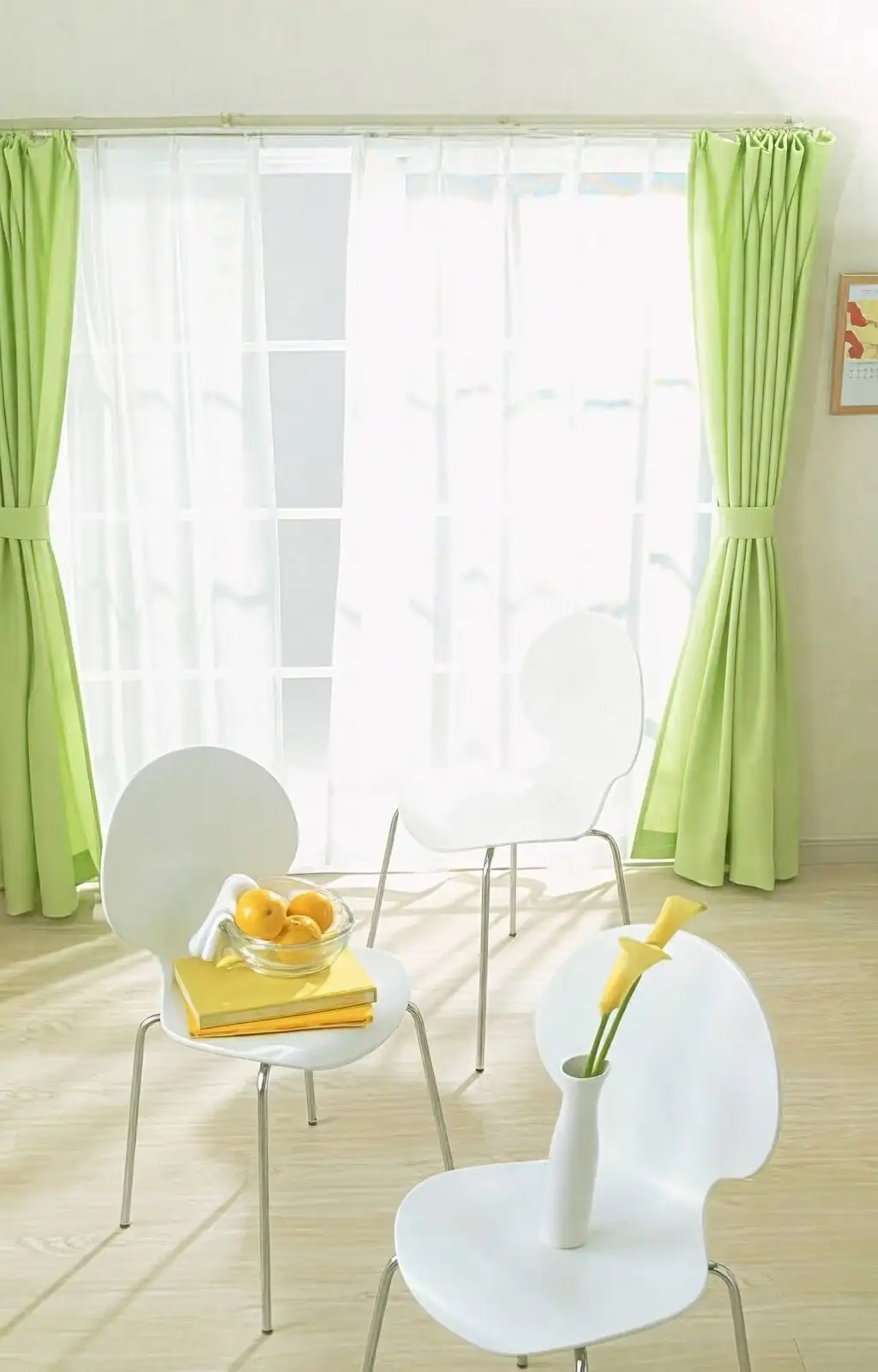
- Keep it cool and bright—but not sunny.
- Best display conditions: a cool room around 10–20°C (50–68°F), bright filtered light, no direct sun. Heat speeds aging; prolonged warmth (above ~25°C / 77°F) can hasten decline.
- Avoid drafts and vents.
- Heaters, radiators, fireplaces, and AC blasts dehydrate stems; fans are fine if gentle and not aimed at the blooms.
- Mind the ethylene and odors.
- While callas are generally low in ethylene sensitivity, it’s still smart to keep them away from ripening fruit and smoke.
- Event pro tip (storage before use):
- Short-term cold storage at about 1–3°C (34–38°F) keeps quality high. Store upright and supported to prevent bending; avoid temperature fluctuations.
Design notes from the studio
- Vases win over foam.
- Callas last longer in water than in floral foam. If foam is required, use a low-density type and pre-soak thoroughly; expect a shorter life.
- Gentle “assist” if needed.
- A spathe can be carefully eased a touch more open by hand—go slowly, and only on sturdy, mature blooms.
- Secure for transit.
- Soft, fleshy stems bruise. Pack snugly but not squeezed; don’t strap bunches so tightly they crease.
- Wearables and textiles.
- Sap can stain fabrics (sometimes only showing after washing). In bouquets and boutonnieres, cover cut ends and avoid dripping on garments.
Troubleshooting quick fixes
- Slimy water, funky smell
- Immediate full refresh: scrub vase, re-cut stems, use fresh flower food, and keep stems spaced.
- Spathe edge browning
- Typically age, moisture spotting, or handling injury. Keep blooms dry, avoid touching the spathe, and lower the room temperature.
- Flowers not opening
- Likely cut too tight. A slightly warmer (not hot) room can coax a bit, but very tight callas often never fully open—choose the right stage next time.
- Curving/bending stems
- Warm storage and horizontal packing promote bends. Store cool and upright; give a cool, deep drink before arranging.
Safety and symbolism
- Toxicity note
- All parts are toxic if ingested (insoluble calcium oxalate). Keep away from pets and children. If you have sensitive skin, wear gloves; avoid contact with sap.
- The “flower language” behind callas
- In Victorian floriography and later Western symbolism, white calla lilies became emblems of purity and sympathy—hence their starring role in weddings and memorials. Their serene, sculptural form reads as both bridal and reverent across many cultures today, though exact meanings vary by tradition. Colored hybrids often carry the same elegance with a modern twist rather than a strict new “meaning.”
Pro checklist (tear-and-use)
- Select nearly unfurled spathes with a clean, tidy spadix; stems firm, unbruised.
- Sanitize tools and vases; strip leaves below waterline.
- Re-cut 1–2 cm under water; pre-hydrate 2–4 hours in cool, clean flower-food solution.
- Display in a cool room (10–20°C / 50–68°F), bright filtered light, away from sun and vents.
- Keep spathes dry—no misting, blot droplets only.
- Refresh water and re-cut every 1–2 days; don’t overcrowd.
- Prefer vases to foam; handle by stems; pack to prevent bruising.
- Keep away from ripening fruit and smoke; protect fabrics from sap.
- Expect 5–10 days of polished elegance when you stick to the plan.
Calla lilies reward careful hands: give them cool air, spotless water, and a dry, untouched spathe, and they’ll hold that effortless, gallery-worthy poise right to the end.