

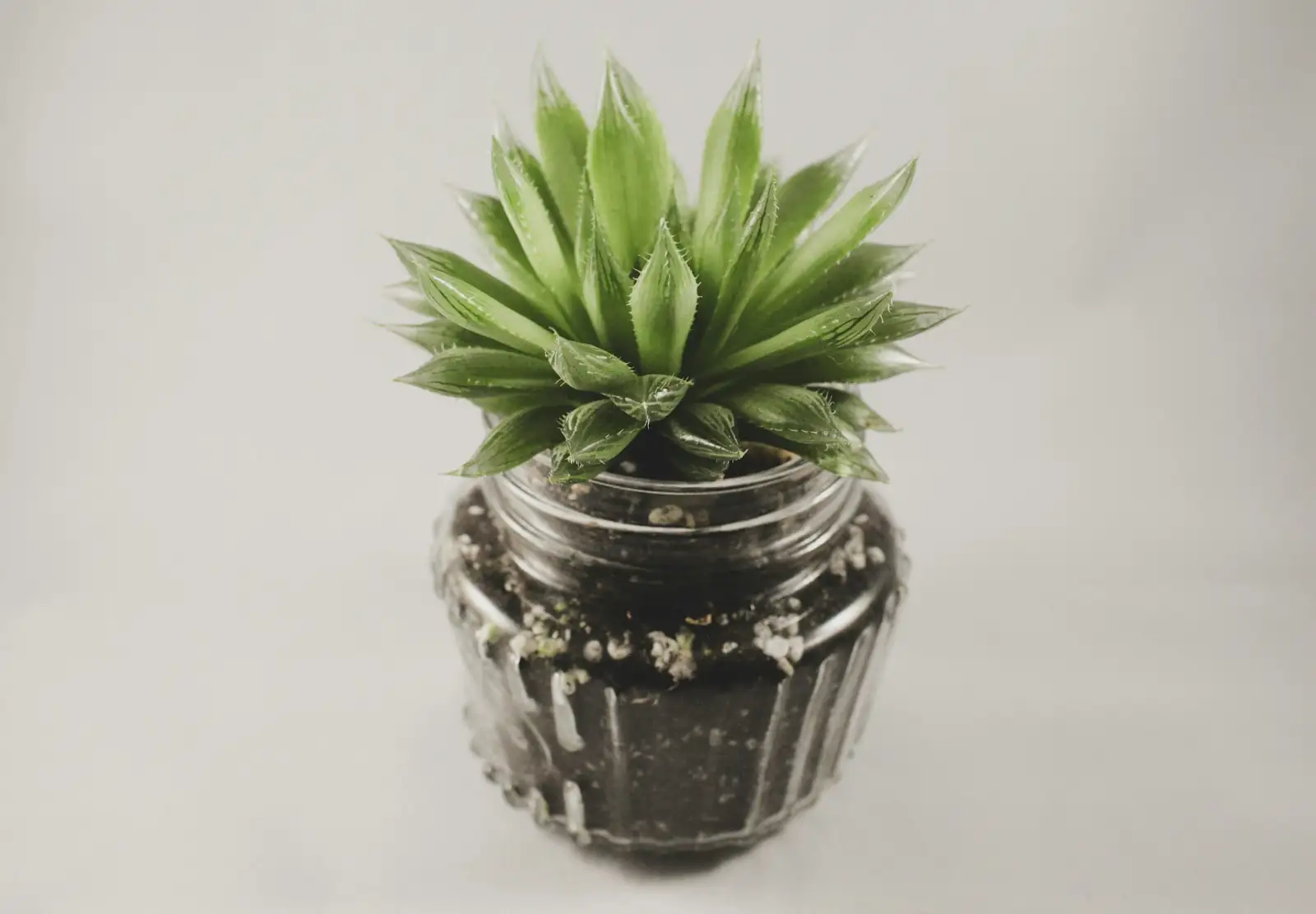
Imagine a tiny rosette that looks like it swallowed moonlight. That’s Haworthia cooperi—plump, jewel-like leaves with translucent “windows” that glow in bright, filtered light. Keep it dry, keep it airy, and it will reward you with compact perfection on a desk or bright windowsill. Below is your step-by-step, beginner-friendly playbook—plus the pro moves that keep those windows crystal-clear without flirting with scorch or rot.
Meet Cooper’s Haworthia (Haworthia cooperi)
- Also known as: Crystal Haworthia, Window Haworthia, Cooper’s Haworthia
- Family: Asphodelaceae; genus: Haworthia
- Origin: Southern Africa (especially the Eastern Cape of South Africa)
- Look: Tight, compact rosette (about 10 cm / 4 in across) with thick, fleshy, light-to-medium green leaves and darker, vein-like markings. The leaf tips are translucent “windows.”
- Growth: Slow, clump-forming through offsets
- Flowers: Slender stalk with small, pale tubular blooms in spring (cute but modest—the foliage is the star)
Light: Make Those Leaf Windows Glow (Without Scorch)
Bright, filtered light is the sweet spot. Think “east window morning sun, sheer-curtained south light, or bright shade with dapple.”

- Best placements:
- East-facing window (gentle morning sun)
- Lightly shaded south-facing window (use a sheer curtain or set back from glass)
- Bright, filtered light on a desk near a window
- Avoid:
- Harsh, direct midday sun—leaf scorch shows as brown, papery marks
- Dim corners—leads to stretching (etiolation), sapped color, and a looser rosette
- Pro tip: If moving to brighter light, acclimate over 1–2 weeks. Add brightness in small steps to avoid sunburn.
Water: The Precise Dry-Down Routine
This species thrives on a deep drink followed by a real dry spell.
- Core rule: Water thoroughly only after the potting mix is fully dry.
- How to nail the timing:
- Check dryness at depth (use a wooden skewer/chopstick; if it comes out clean/dry, it’s time)
- Learn the pot’s “dry weight” by lifting it after watering vs. when fully dry
- Slightly softening leaves = time to water soon; very soft and wrinkled = overdue
- Technique:
- Water until you see runoff from the drainage hole
- Then drain completely; never let the pot sit in water
- Avoid splashing water into the rosette/crown—tilt the plant or bottom-water if needed
- Seasonal rhythm:
- Spring and autumn (active growth): often about weekly in warm, bright conditions—adjust to your home
- Hot midsummer: growth may slow; water significantly less to prevent basal/crown rot
- Winter: water very sparingly; the cooler and darker it is, the less often you should water
- Pro tip: If you do get water in the leaf bases, gently blow it out or wick it with a corner of tissue.
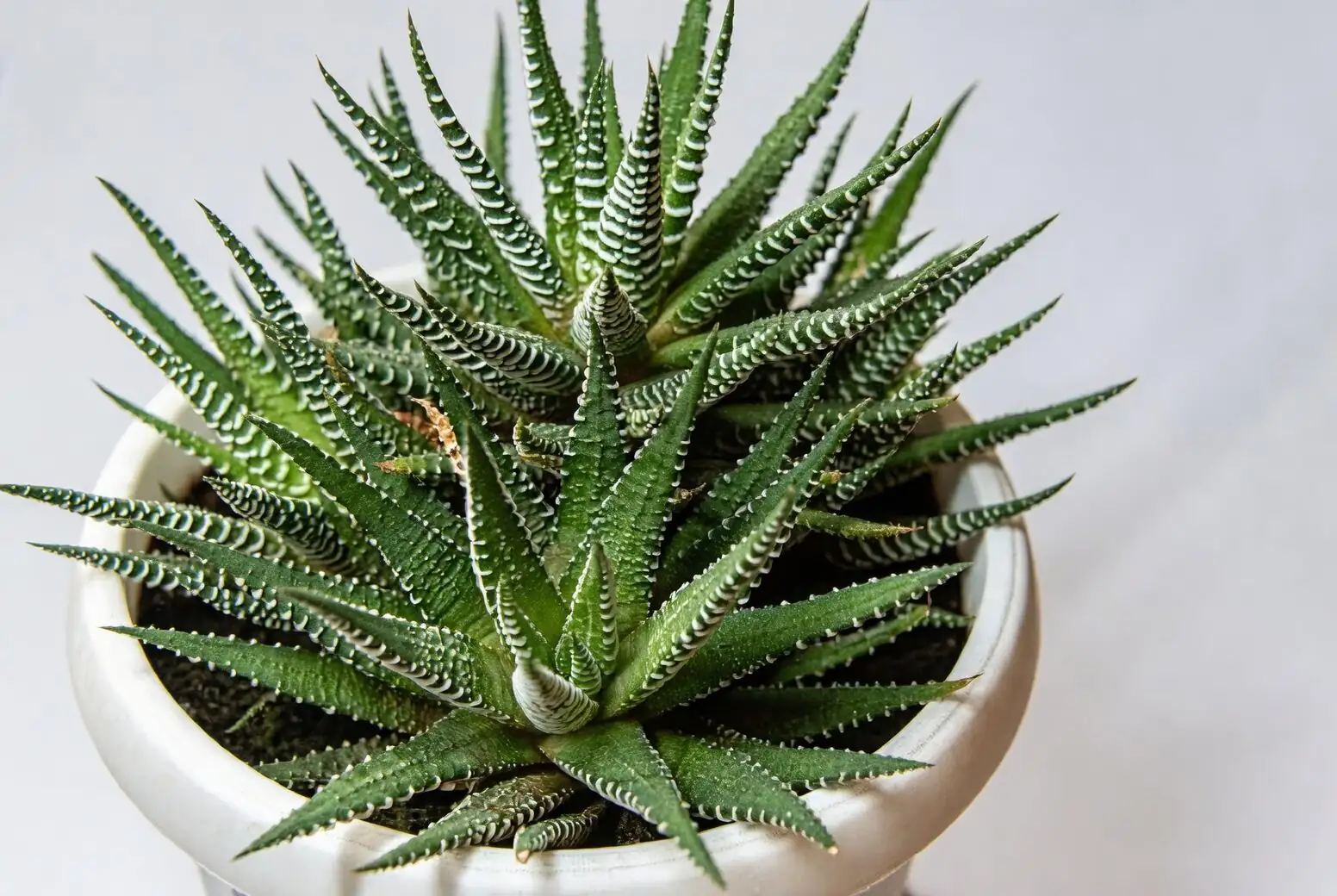
Temperatures, Seasons, and the Summer Heat Rest
- Ideal growth: 18–22°C (64–72°F)
- Winter minimum: Keep above 5°C (41°F); protect from frost
- Summer strategy (the “heat rest”):
- In high heat, growth can stall
- Reduce watering sharply, increase shade/airflow, and do not feed
- Never trap it in hot, humid, enclosed “bottle” conditions—rot risk skyrockets
- Pro tip: A quiet fan or open window (when conditions allow) encourages airflow that keeps rot and pests at bay.
Soil, Pot, and Repotting
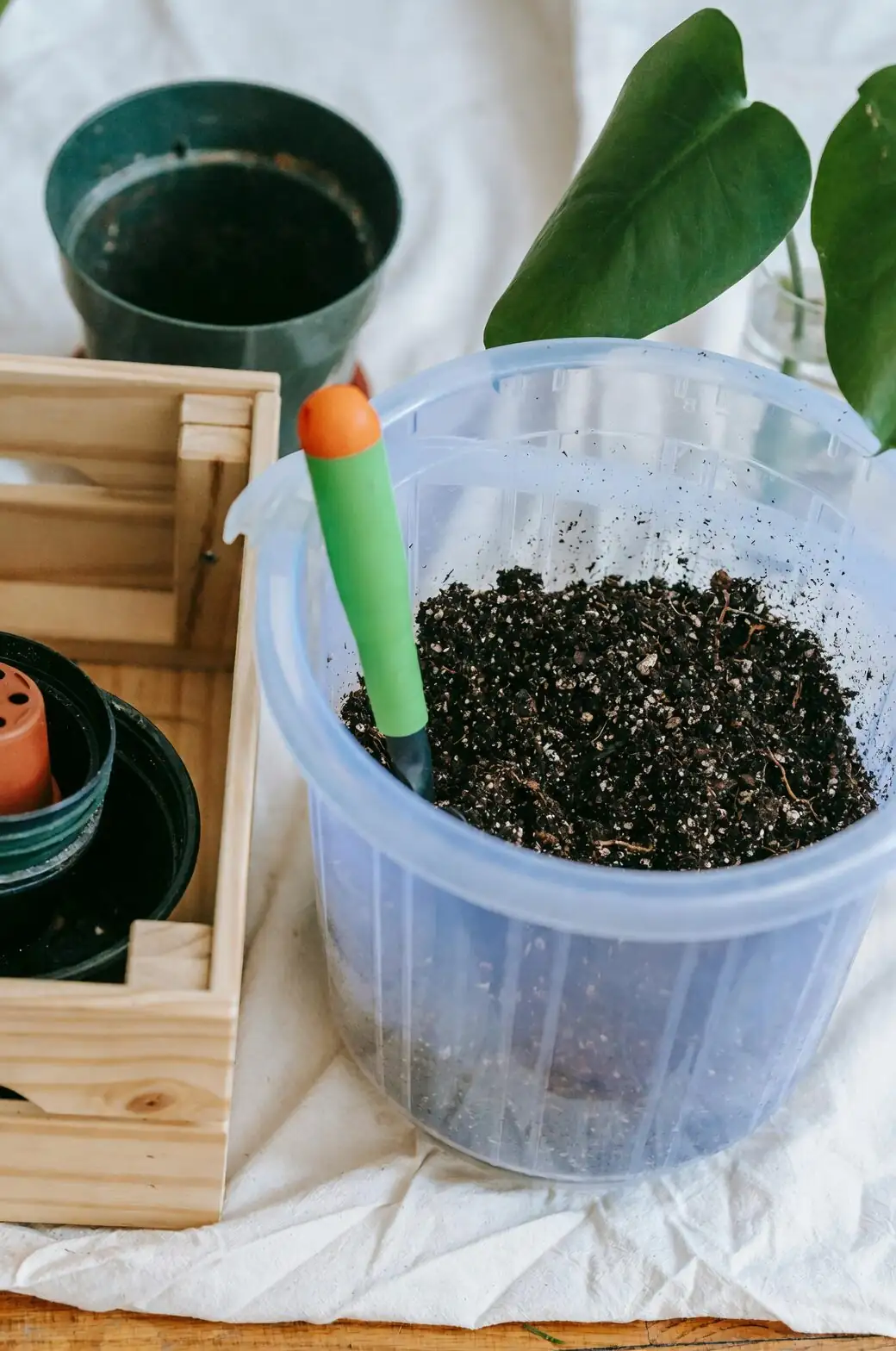
- Soil: Very free-draining, gritty succulent mix. Use cactus soil amended with coarse sand, pumice, or grit. Avoid moisture-retentive ingredients.
- Pot: Must have a drainage hole. Haworthia cooperi has a shallow root system—avoid very deep pots.
- Size: A 12–15 cm (4.7–5.9 in) pot suits mature clumps; it often looks best slightly pot-bound in a gritty mix.
- Repotting:
- Typically in spring, as needed when the clump fills the pot
- Clean up: remove dried lower leaves; trim old, hollow, or overly long roots
- If rot is present: cut to healthy tissue, let callus, then repot into a dry, gritty mix
- Pro tip: Top-dress with fine grit or pumice to keep the crown dry and leaves clean; it also deters fungus gnats.
Feeding, Pruning, and Cleanliness
- Fertilizer: In active growth (often spring and fall), feed monthly with a diluted balanced or low-nitrogen succulent fertilizer. Do not fertilize stressed plants or during heat rest/winter.
- Avoid getting fertilizer solution in the rosette.
- Pruning: Minimal—mainly remove shriveled leaves. You can cut flower stalks early to conserve energy for the rosette.
Humidity and Airflow
- Prefers dry to average indoor humidity; dislikes prolonged dampness
- If air is extremely dry, you can lightly mist the air around the plant—not into the rosette—and prioritize airflow so water never lingers at leaf bases
- Pro tip: Good ventilation is the “invisible insurance” against rot and mealybugs.
Placement Ideas (Indoors and Out)
- Indoors: Desk, bedside table, or bright windowsill with filtered light
- Outdoors (mild climates): Sheltered balcony under shade cloth, with excellent drainage and airflow
- Hardiness: Not frost-hardy; best indoors or outdoors only in USDA Zones 10–11 with protection from cold and wet
Propagation Playbook
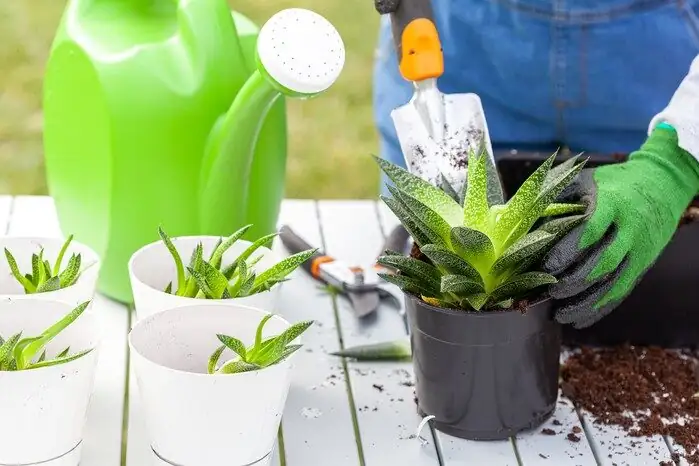
- Offsets (easiest):
- Gently lift the clump in spring.
- Separate pups with some roots attached.
- Let cut surfaces dry and callus.
- Pot in a gritty mix; water lightly at first.
- Leaf cuttings (late spring–early summer):
- Detach a healthy leaf cleanly; allow to callus thoroughly
- Set into free-draining medium; water sparingly until rooted
- Seeds (spring):
- Sow in a sterile, gritty medium; aim for 21–24°C (70–75°F)
- Bright light, steady warmth; germination commonly around two weeks
Troubleshooting: Keep Leaves Plump, Avoid Scorch and Rot
- Leaves losing translucency, looking dull: Increase brightness (indirect), check you’re fully drying the mix before watering again.
- Shriveling leaves: Usually underwatering—or a long dry spell after a recent repot. Water thoroughly once dry; adjust frequency slightly upward.
- Yellowing from the base, mushy crown: Overwatering in heat or stagnant air. Unpot, remove rot, let callus, repot drier; increase airflow.
- Reddish or bronzed leaves: Light stress from strong sun. Provide filtered light and acclimate more slowly.
- Tall, stretched growth: Not enough light. Move to a brighter, filtered spot.
Buying Checklist
Choose a compact, symmetrical rosette about 10 cm (4 in) across with:
- Firm, plump leaves and clear, glassy windows
- No brown scorch marks
- No soft or rotting spots
- No visible pests (check leaf bases and between offsets)
Pests and Diseases
- Common issues: Root/crown/leaf rot from excess moisture; mealybugs and whitefly can appear
- Response:
- Improve drainage and airflow immediately
- Remove affected tissue promptly
- Treat sap-sucking pests with insecticidal soap or labeled systemic controls
- Pro tip: A gritty top-dress and careful dry-down watering reduce fungus gnat pressure.
Safety
Generally considered non-toxic to humans and pets. Still, ingestion may cause mild stomach upset—keep out of reach of curious pets and children.
Symbolism and the “Window Plant” Backstory
Haworthia cooperi is often linked with resilience and quiet determination—thriving on little water, little fuss, and just-right light. The famed “leaf windows” evolved in bright, dry habitats: translucent tips capture and channel light into the leaf interior while minimizing exposure and water loss. While it isn’t tied to ancient floral lore, modern plant-lovers read its glassy calm as a sign of inner strength, clarity, and steady growth under gentle care.
Fun Little Extras
- Those see-through tips are true “windows”—an adaptation shared by other South African succulents.
- It often looks its best slightly pot-bound—as long as the mix is very gritty and the pot drains freely.
FAQ: How do I make the leaves look clearer and more “crystal-like”?
- Prioritize bright, indirect light with a dash of gentle morning sun.
- Use a gritty, fast-draining mix and water only after the soil dries fully; plump, well-hydrated leaves display windows best.
- Some growers briefly use a clear cover to raise humidity while rooting or recovering a plant, but it must be well-ventilated and avoided in hot weather to prevent overheating and rot.
A Simple Seasonal Calendar
- Spring (active growth):
- Water when dry (often about weekly)
- Monthly dilute feeding
- Repot/divide offsets; clean old leaves/roots
- Summer (possible heat rest):
- Bright, filtered light with shade in midday
- Water much less; maximize ventilation
- Skip fertilizer; avoid enclosed humid setups
- Autumn (growth often resumes):
- Return to water-when-dry
- Light feeding if growth is steady
- Winter (minimalism mode):
- Keep above 5°C (41°F)
- Maximize light
- Water very sparingly; no fertilizer
With a bright, filtered perch and a precise dry-down routine, Haworthia cooperi stays compact, its leaf windows gleam, and your risk of scorch or rot stays low. It’s the perfect small statement piece—subtle, crystalline, and quietly resilient.