

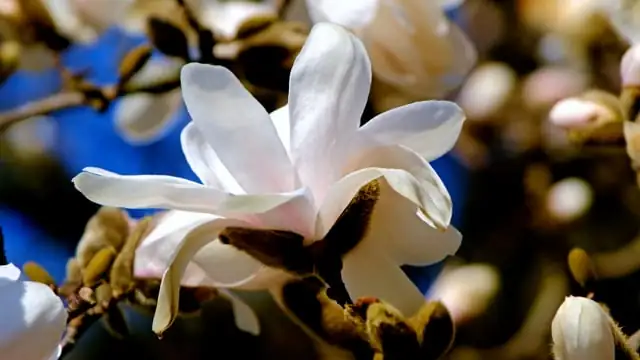
Unveiling the Timeless Elegance of Magnolias: From Ancient Forests to Modern Gardens
Imagine strolling through a spring garden, where the air is perfumed with a sweet, intoxicating fragrance. The source? Majestic magnolias, with their grand, bowl-shaped blooms that seem to defy gravity as they perch on bare branches. Welcome to the world of Magnolia spp., an ancient lineage that has captivated humans for centuries.
A Journey Through Time
The tale of the magnolia is as old as time itself, tracing back roughly 100 million years to the Cretaceous period. Picture this: dinosaurs roamed the Earth, yet the now-familiar buzzing of bees was absent. Instead, magnolias relied on beetles for pollination—a relationship that persists to this day. This unique bond led to the evolution of tough floral structures, designed to withstand the probing mandibles of beetles.
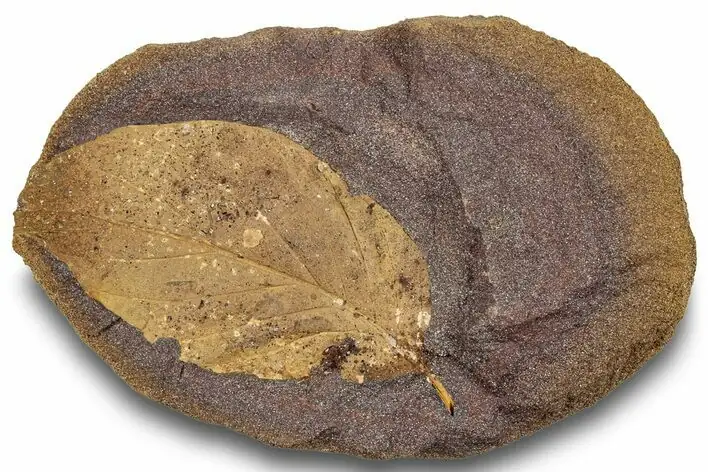
Magnolias’ journey from ancient forests to our gardens is a testament to their resilience and adaptability. Fossil records show their presence in Europe, North America, and Asia long ago, but today they are native primarily to East Asia and the Americas. Despite climate shifts and habitat changes, magnolias persist, a living bridge between the past and present.
The Botanical Marvel
Magnolias are more than just pretty faces. Their flowers, which range from 7.5 to 30 cm across, are not just visually striking but also a marvel of evolutionary design. The tepals—petal-like structures—are a blend of petals and sepals, a feature that makes magnolias stand out amongst flowering plants.
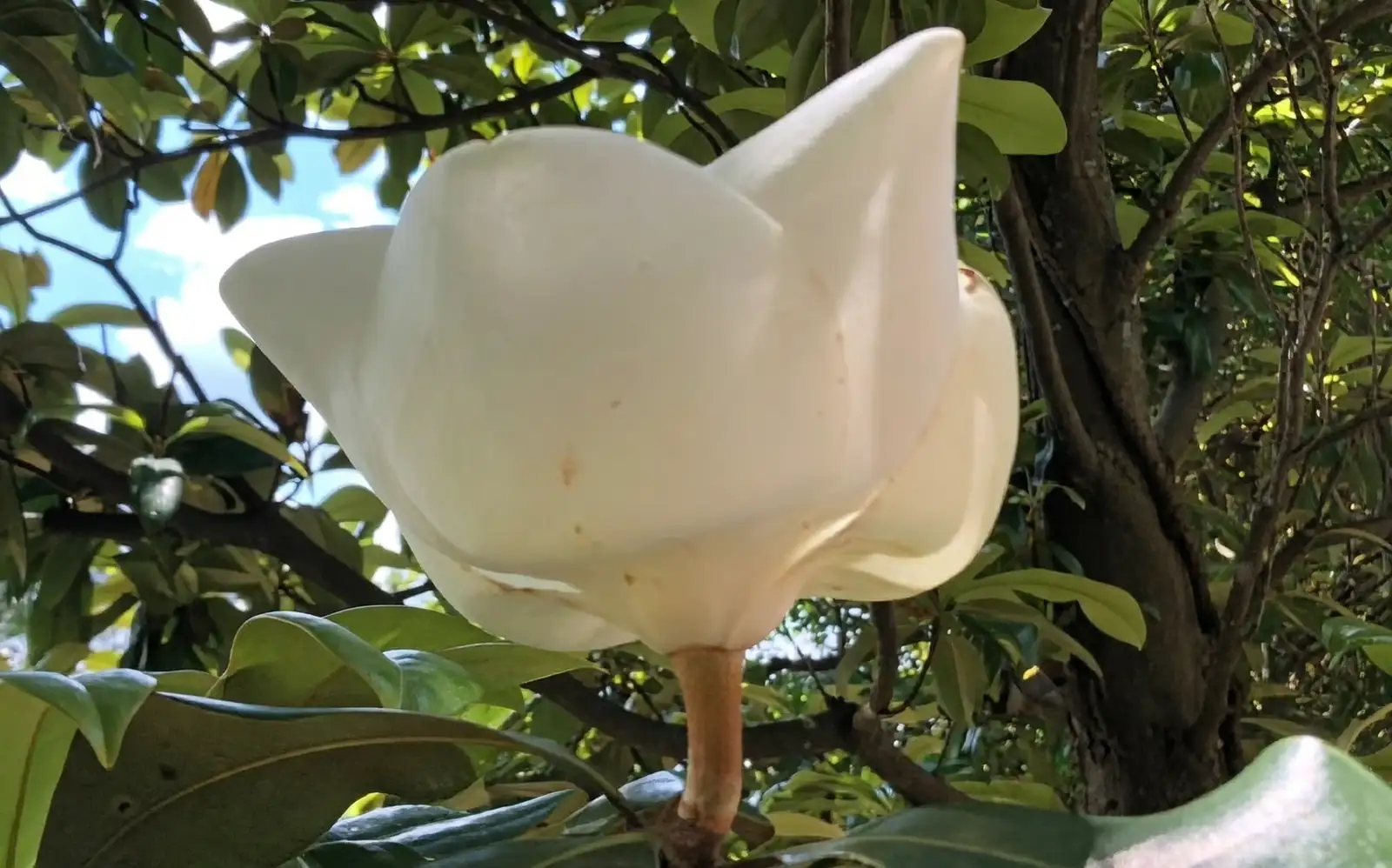
These flowers open in early spring, sometimes before the leaves, making them a vibrant herald of the season’s change. Their colors—white, cream, pink, purple, and yellow—add a splash of color to any landscape. And the fragrance? It’s nothing short of enchanting, inviting anyone nearby to stop and savor the moment.
Magnolias in Culture and Symbolism
With their timeless beauty, it’s no surprise that magnolias hold deep symbolic meaning. In Chinese culture, they embody feminine sweetness and beauty, while in the American South, they represent hospitality and grace. Each bloom carries a message: white for purity, pink for fondness, and purple for passion. These meanings have been woven into the cultural fabric, enhancing the magnolia’s allure.
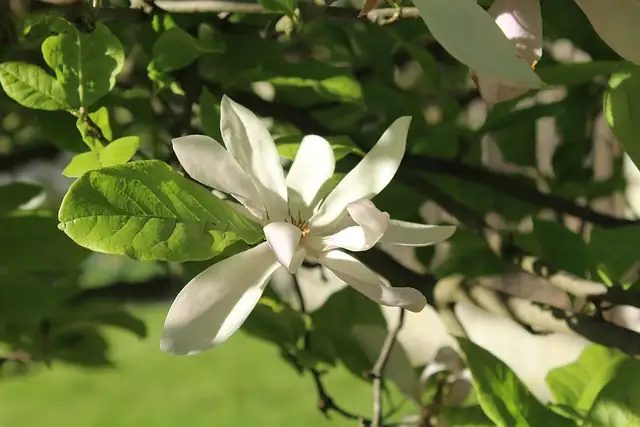
Cultivation Tips for Gardeners
Magnolias are not just for admiring from afar. They can be a prized addition to gardens with a little care and knowledge:
- Sunlight and Soil: Magnolias thrive in full sun to partial shade, preferring fertile, well-drained soil with a slightly acidic to neutral pH.
- Watering: Consistent moisture is key, especially during establishment. Mature plants benefit from extra water during dry spells.
- Pruning: Less is more. Prune lightly after flowering to maintain health and shape, avoiding cuts in late winter or fall.
- Protection: Shelter from strong winds and protect young plants from harsh winter conditions.
A Botanical Legacy
Magnolias are more than just garden ornamentals; they are botanically significant. They are among the oldest flowering plant lineages, offering insights into plant evolution and the intricate dance of pollination strategies.
From medicinal uses in traditional practices to their role in regional cuisines, magnolias continue to be a source of fascination and utility. Their wood, too, is valued in woodworking and crafts, adding another layer to their multifaceted legacy.
Fun Facts to Bloom Your Knowledge
- Did you know? Magnolia is the state flower of both Mississippi and Louisiana.
- Longevity: Some magnolia trees can live for over a century, becoming living landmarks in gardens and parks.
- Pollination Prowess: Magnolias evolved before bees and still rely on beetles for pollination, a testament to their ancient origins.
So next time you encounter a magnolia, take a moment to appreciate its rich history and enduring beauty—a true testament to nature’s artistry and resilience. Whether in a quiet forest or a bustling garden, magnolias stand as a timeless symbol of elegance, bridging the ancient with the modern in a fragrant, floral embrace.


