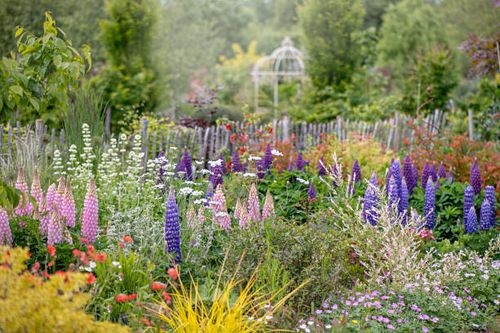
Stand in front of a blooming clump of Lupinus polyphyllus and you can almost hear the hush of an audience as the curtain lifts. Those tall, candle-bright spires rise stage-right and stage-left, a whole chorus line of color. Little wonder this cottage-garden classic collected a rich “flower language” of its own—one that dances between imagination, happiness, generosity, and a mischievous, even “voracious,” twist.
Meet the plant behind the poetry
Before we decode the symbolism, it helps to know the star.
- Botanical name: Lupinus polyphyllus (aka Bigleaf/Big-Leaved Lupine, Garden Lupine, Russell Lupine)
- Family: Fabaceae (the pea family)
- Native range: Western North America, especially the Pacific Northwest; now widely cultivated and naturalized in many cool-summer regions
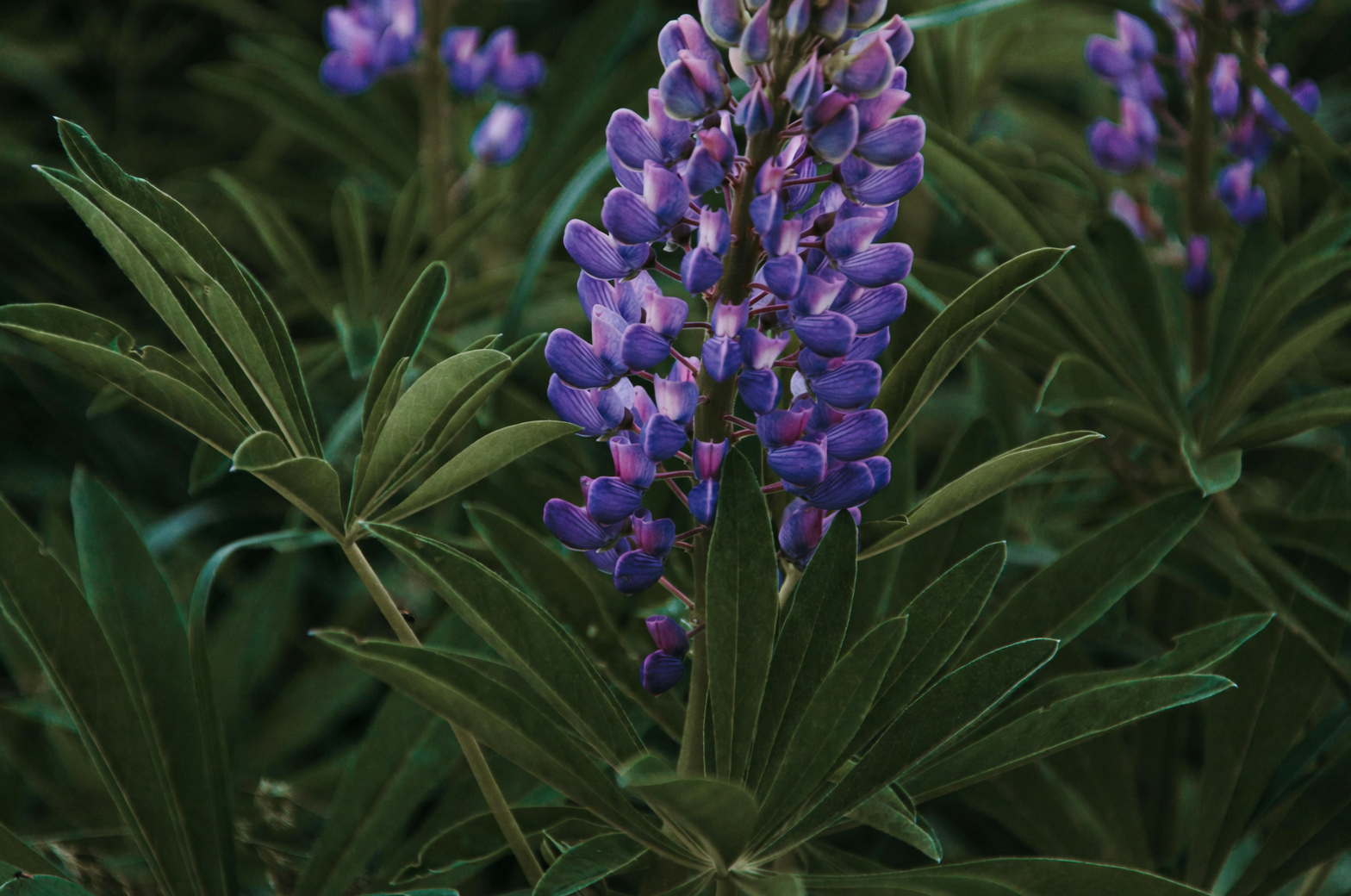
- Look: Handsome, fan-shaped palmate leaves and tall, densely flowered spires of pea blossoms in blues, purples, pinks, reds, whites, and joyful bicolors
- Season: Spring to early summer, often with a smaller encore if deadheaded
- Secret superpower: As a legume, it partners with soil microbes to fix nitrogen—quiet generosity beneath the show
How a “wolf” birthed a flower language
The very word “lupine” springs from Latin lupus—wolf. Early European observers believed these plants “wolfed down” the soil’s goodness. Ironically, lupines do the opposite over time, adding nitrogen to lean ground. That early misunderstanding stuck to the name and fed a streak of symbolism that still surfaces today: appetite, intensity, even greed. But gardeners who know lupines also see the opposite traits shining through—nurture, color, uplift.
The Victorians, connoisseurs of coded messages, wove this wolf-born plant into floriography. In their parlors and posies, lupines carried layered notes that later garden lore amplified: a salute to imagination and happiness, an emblem of generous, nurturing love—and yes, a wry nod to “voraciousness,” whether that meant hungry ambition or an over-eager heart. In the 20th century, breeder George Russell transformed the look into the iconic rainbow spires we adore, helping those meanings travel from Victorian bouquets into modern garden memory.
The meanings, unspooled
Imagination and creativity
- Why it fits: Each spike opens from base to tip like a fuse of color igniting skyward—an almost theatrical reveal. In many modern flower-language (花语) lists, lupine nods to inventive thinking and an artist’s eye.
- Color cue: Purples and bicolors especially lean “imaginative,” hinting at daydreams with a backbone.
Happiness and uplift
- Why it fits: The architecture points upward, carrying the gaze (and mood) with it. Beds of lupine are famous for lifting a garden’s spirit in late spring when we’re ready to celebrate color again.
- Gift note: A vase of mixed lupines is a natural “cheerleader” gift after exams, for new jobs, or when someone needs skyward momentum.
Generosity and nurturing love
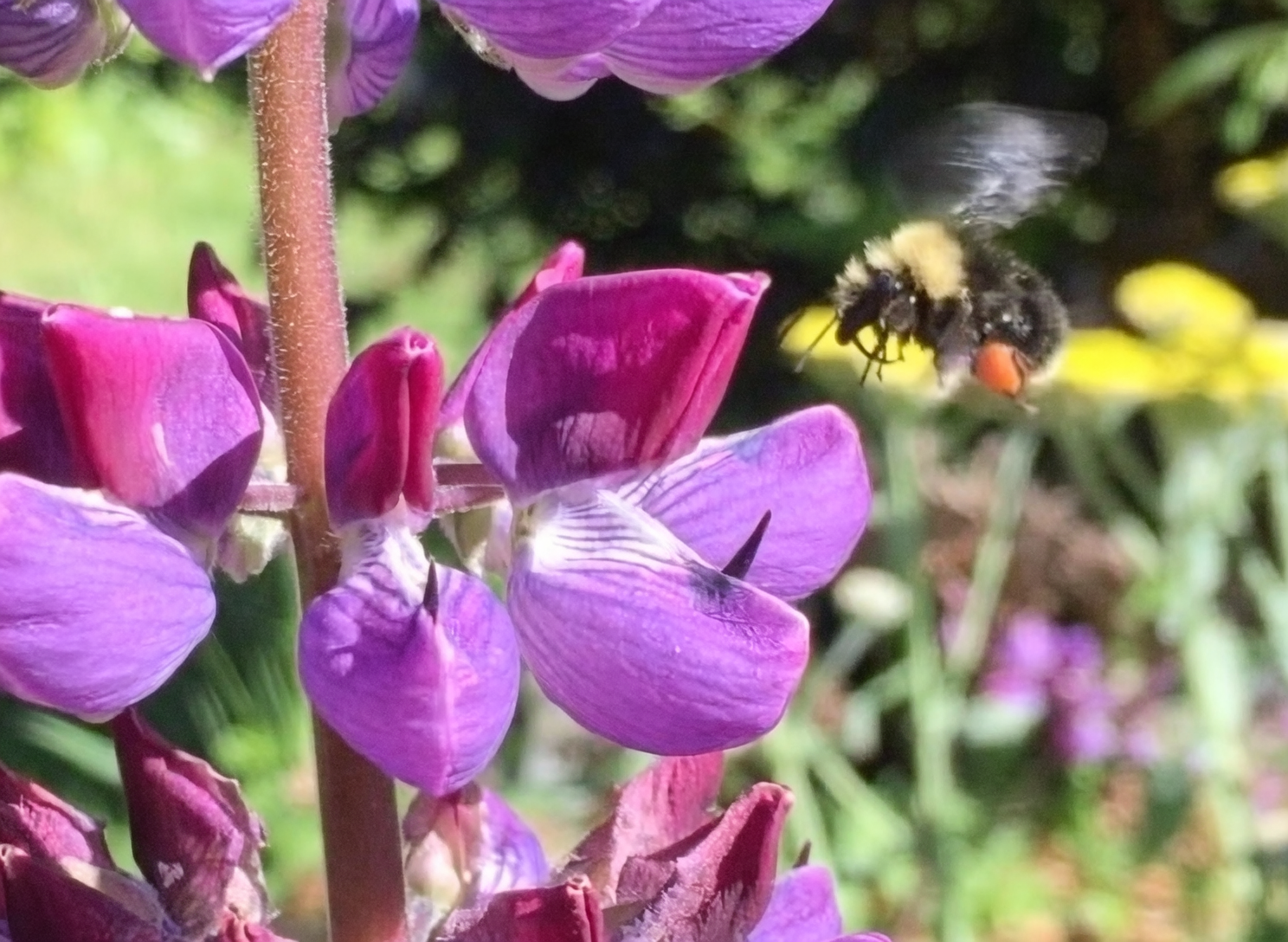
- Why it fits: Below ground, lupines share—their nitrogen-fixing symbiosis benefits neighboring plants in lean soils. Above ground, they feed pollinators all season.
- Story thread: In popular garden lore and children’s literature, the “Lupine Lady” who scatters seeds to beautify her world cemented the flower as a symbol of giving forward.
The voracious (or “wolfish”) twist
- Why it fits: That old Latin root adds bite. In some traditions, lupine symbolizes voraciousness or greed—sometimes as caution, sometimes as praise for a “hunger for life.”
- How to use it: A winking message for the entrepreneur or artist racing after a dream—“May your appetite for possibility stay bright, not biting.”
Victorian floriography, modern 花语, and how meanings evolve
- Victorian code: Floriography thrived on doubleness—beauty edged with moral. Lupine’s wolfish etymology allowed a sly note about appetite, while its uplifting spires and garden usefulness made it a positive emblem in many circles.
- Later garden lore: Russell Hybrids made lupines fashionable centerpieces. Garden writers leaned into their buoyant color (happiness), strong silhouettes (imagination reaching), and leguminous generosity (nurture).
- Today’s compilations (including East Asian 花语): Lists commonly highlight imagination, happiness, and generosity, while keeping the “voraciousness” footnote as a culturally memorable aside. In short: the meanings matured as we learned the plant’s true nature.
Gifting with intention: what a lupine says on the table
Occasions it suits beautifully
- New beginnings: graduations, career pivots, housewarmings (happiness + imagination)
- Creative milestones: book launches, exhibitions, auditions (imagination + “hunger for life”)
- Thank-yous and care packages: to mentors, volunteers, and generous friends (nurture)
- Spring festivities: Easter brunches, garden parties, seasonal centerpieces
Color cues (gentle guides, not iron rules)
- Purple: imagination, vision, a confident creative voice
- Blue: calm optimism, steady hopes, skyward thinking
- Pink: affectionate joy, warmth, a heartfelt thank-you
- White: fresh starts, sincerity, a clean page
- Bicolors: playful curiosity, versatility
Styling tips for décor
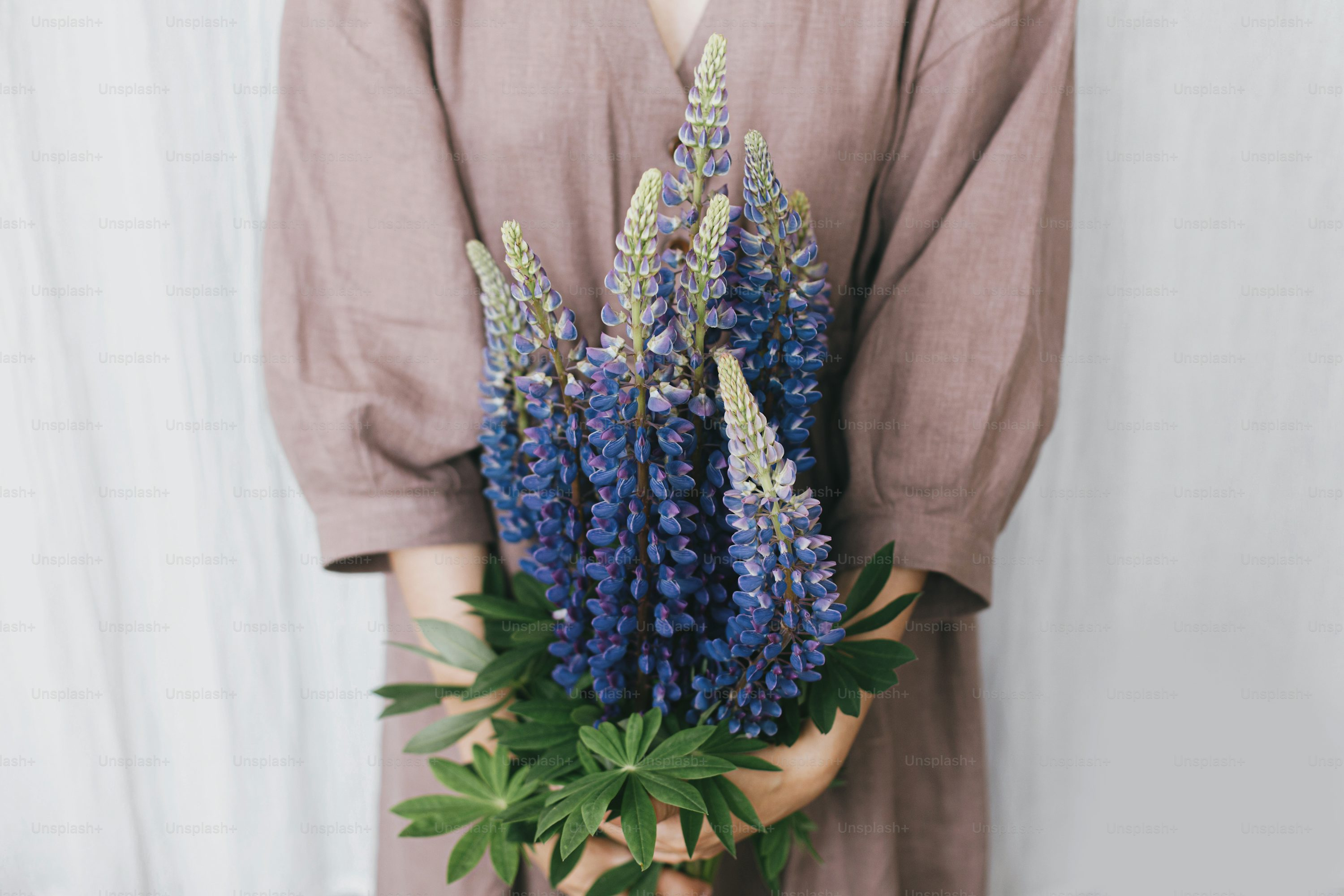
- Make it sing: Showcase long spires in tall cylinders or trumpet vases; stagger heights for a “skyline” effect.
- Mixed company: Pair with foxglove, delphinium, allium, peonies, or airy grasses for a painterly cottage look.
- Cutting tip: Harvest when about half the florets are open; recut stems, strip lower leaves, and place in deep, fresh water. They’re surprisingly long-lasting if you start with sturdy spikes.
Note: Lupines are toxic if ingested—especially the seeds—so keep bouquets and potted plants away from children, pets, and grazing animals. Enjoy with eyes, not taste buds.
A cultural footnote: when hunger becomes virtue
That “voracious” label can sound unflattering. But in many modern readings, it softens into appetite for life—an ardent zeal. If you’re gifting to a big-dreamer, let lupine’s wolfish etymology be the friendly nudge: may your drive stay generous, your imagination expansive, and your happiness sky-high.
For gardeners who fall in love at first sight
Where they thrive
- Climate: Cool-summer regions are ideal; USDA Zones 4–8 (often best in 4–6)
- Sun: Full sun in cool climates; light afternoon shade where summers run hot
- Soil: Well-drained, slightly acidic, and on the lean side—too much nitrogen = leaves over flowers
Care shorthand
- Water: Evenly moist in spring growth; never waterlogged
- Feeding: Often minimal in-ground due to nitrogen fixation; in containers, use light, low-nitrogen feeds
- Maintenance: Deadhead promptly for a smaller second flush; cut back after foliage yellows
- Patience with roots: They form deep taproots and dislike disturbance—plant young, move seldom
Why they’re adored
- Border drama with cottage-garden charm
- Pollinator-friendly and deer-resistant
- Long, colorful spikes that translate superbly from bed to vase
The takeaway
Lupinus polyphyllus is a flower that tells a full-bodied story. Its spikes point up like exclamation marks for happiness; its generous biology writes a quiet love letter to the garden; its wolfish name adds a witty caution about appetite. Wrapped together, the lupine’s flower language invites us to dream boldly, give freely, and pursue life with bright, upward-looking joy—without ever forgetting to share the light we’ve gathered.