

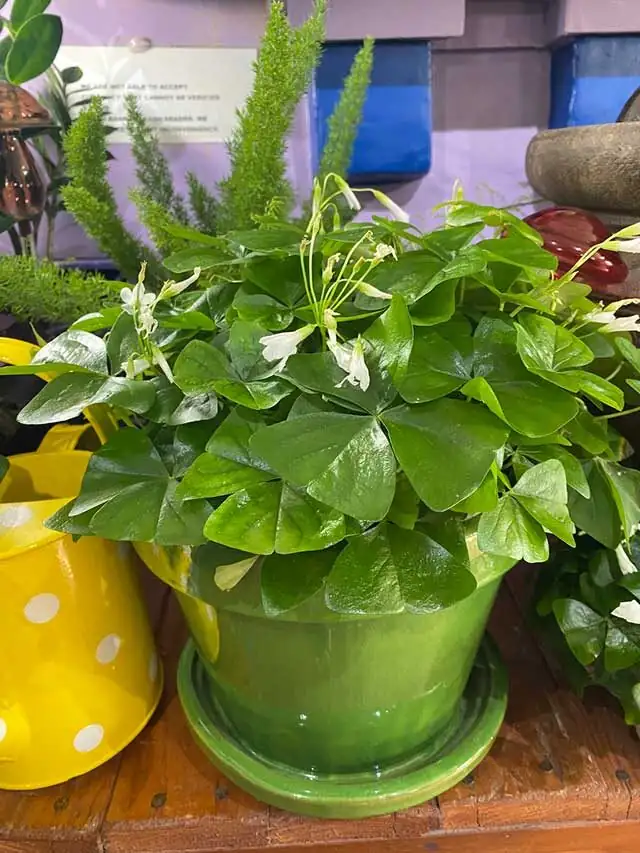
Sun-bright flowers, shamrock-like leaves, and a knack for bouncing back after a summer nap—Oxalis pes-caprae, often called Cape shamrock, is the kind of plant that seems to carry its own pocketful of good fortune. Today, it’s a favorite emblem for “good luck” and the “return of happiness.” But how did a South African bulb with buttercup-yellow blooms become entwined with Irish lore and Victorian flower codes? Let’s follow the threads of symbol and season to see how this cheery oxalis came to speak the language of luck and renewal.
Meet Cape Shamrock (Oxalis pes-caprae)
Native to the Cape region of South Africa, Oxalis pes-caprae is a bulb-forming perennial prized for:
- Shamrock-like, bright green leaves that cluster low and lush (typically 10–30 cm tall)
- Dense clusters of soft, buttercup-yellow flowers held above the foliage
- A long flowering stretch from autumn to spring
- Easy vigor in pots and, in mild climates, as a seasonal groundcover
It’s wonderfully enthusiastic—great in containers, but in some places it spreads so readily that it’s considered invasive. That’s why it shines brightest in pots on sunny windowsills, patios, and balconies.
You may also see it sold as Bermuda buttercup, buttercup oxalis, or soursob. Whatever the tag, its sunny demeanor and “shamrock” profile are unmistakable.
What this oxalis “says” today: good luck and the return of happiness
Modern flower language—those meanings we attach to plants when we gift them or dress a celebration—often assigns Cape shamrock two warm messages:
- Good luck: The trifoliate leaf echoes the shamrock, a long-standing emblem of fortune and identity for Irish communities worldwide. Even beyond Ireland, three-part leaves suggest balance, steadiness, and a friendly nudge of serendipity.
- Return of happiness: Oxalis pes-caprae goes gently dormant in summer, then reappears with fresh leaves and bright flowers from fall through spring. That reliable comeback makes it a living metaphor for renewed joy after a quiet season. Its daily rhythm—leaves opening in light and relaxing in darkness—adds another layer of “back again, brighter than before.”
A quick note on “flower language” itself: Victorian-era floriography was never a single rulebook. Meanings varied from one guide to another. Oxalis often carried associations like joy and tenderness in 19th‑century sources; today’s “return of happiness” reading grows naturally from this species’ visible life cycle of retreat and exuberant return.
Why Cape shamrock isn’t the “true” Irish shamrock
The resemblance is real—but botanically, they’re different plants:
- The Irish shamrock is a clover (genus Trifolium), most commonly thought to be Trifolium dubium (lesser trefoil) or sometimes Trifolium repens (white clover).
- Oxalis pes-caprae belongs to the genus Oxalis, with heart-shaped leaflets that look clover-like but come from a different plant family—and from Southern Africa, not Ireland.
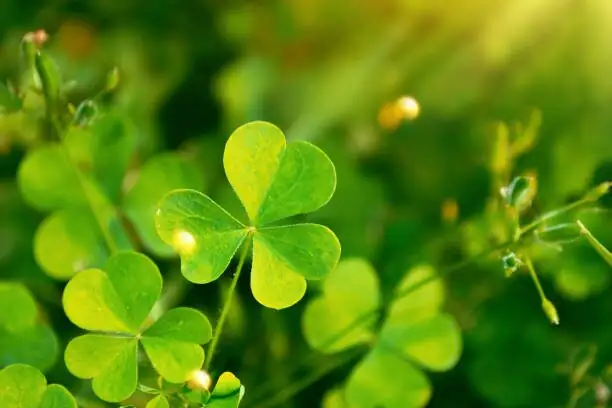
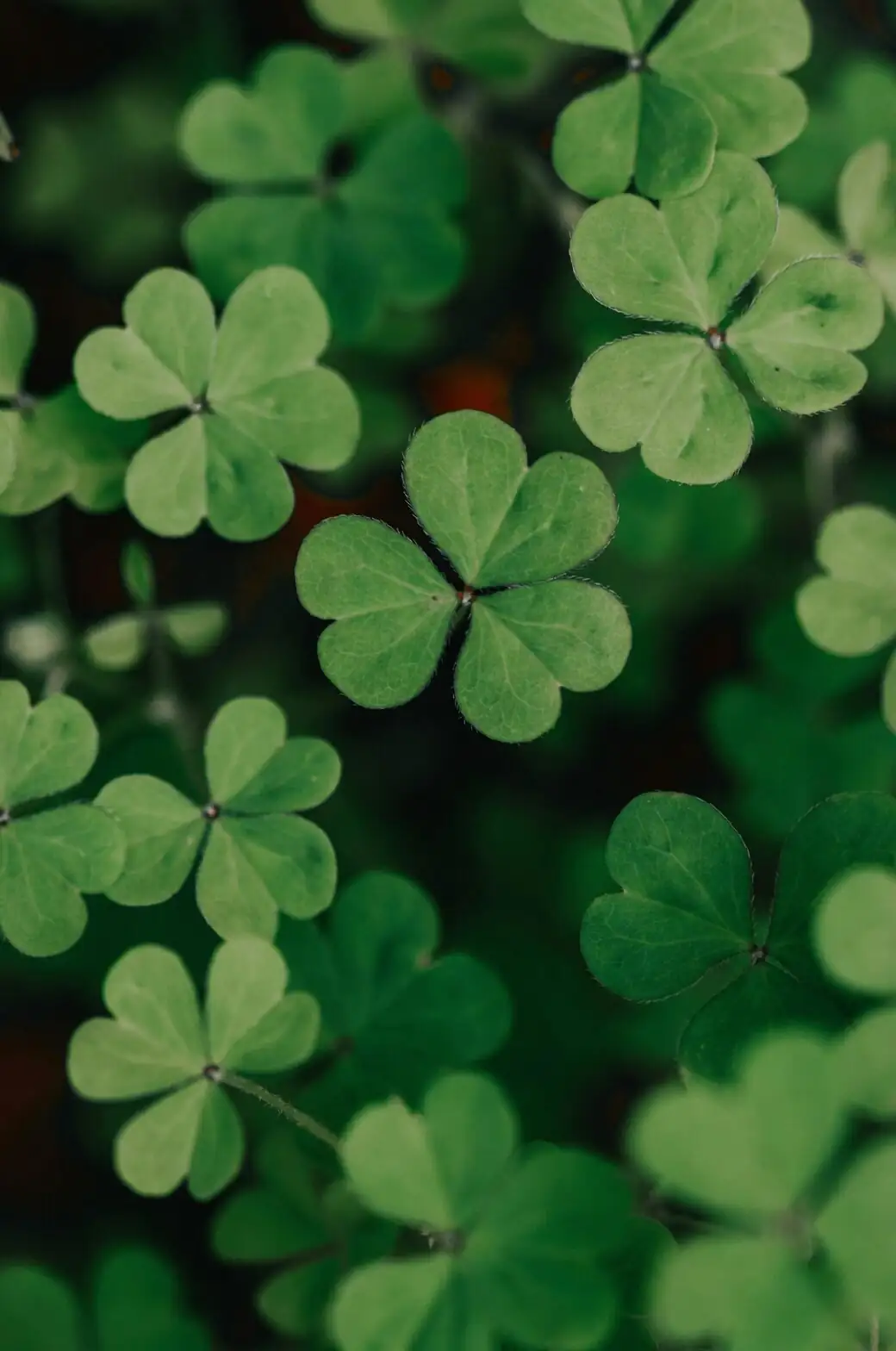
So why the mix-up? Those charming trifoliate leaves. They made oxalis an easy stand-in for shamrock imagery, especially for seasonal decor and gifting. One extra twist: another species, Oxalis tetraphylla, naturally has four leaflets and is widely sold as a “lucky clover.” Cape shamrock, by contrast, sticks to three.
The roots of the symbolism: from shamrock lore to floriography
Shamrock lore
In Irish tradition, the three-part shamrock leaf became a powerful emblem—famously used in teaching and widely embraced as a national symbol. Over time, this leaf came to signal identity, faith, resilience, and, in popular culture, plain good luck. Oxalis species, with their similar leaves, were swept into this symbolic orbit, especially in global, modern celebrations.
Victorian floriography
In the 19th century, people traded bouquets like secret notes. Oxalis often meant joy or maternal affection in those guides, but meanings weren’t fixed; presentation, pairings, and context shaped interpretation. In today’s language of flowers, Cape shamrock’s seasonal rhythm and buoyant bloom feed an intuitive meaning: happiness returns.
How the symbolism blooms today: gifting and celebrations
St. Patrick’s Day
- A sunny stand-in: Cape shamrock’s trifoliate leaves give a festive nod, even if it isn’t botanically the Irish shamrock.
- Styling ideas: Cluster small pots on a bar cart or windowsill; tuck a ribbon in emerald or gold around the planter; pair with simple white linens so the yellow blooms glow.
- A note for purists: If you’re highlighting heritage, call it “Cape shamrock (Oxalis)” on the tag. Celebrate the spirit of the shamrock while honoring the botany.

New Year and fresh starts
- Return of happiness in a pot: Its fall‑to‑spring flush feels tailor‑made for turning the calendar—new intentions, renewed joy.
- Corporate and team gifting: A compact, low-fuss pot on a desk says, “May luck and bright days return again and again.”
Homecomings, reconciliations, and recovery
- The message writes itself: “I can’t wait for our happiness to return.” Its dependable comeback after summer dormancy makes the symbolism personal and heartfelt.
Exams, milestones, and moves
- Good-luck charm: Send a small plant with a note—“For steadiness, bright focus, and a pinch of luck.”
Pairing ideas for bouquets and tables
- With daffodils (new beginnings) or primroses (youthful hope) for optimistic spring tables
- With baby’s breath for a cloudlike calm
- With sprigs of heather (good luck) to gently amplify the theme
Gentle etiquette, care, and safety notes for gifting
- Keep it contained: In regions where Oxalis pes-caprae is invasive, gift it in a decorative pot and avoid planting out in beds. Never dispose of bulbs outdoors—wrap and bin them responsibly.
- Pet safety: Like many oxalis, it contains oxalates and can be mildly to moderately toxic if eaten, especially for cats and dogs. Place out of nibbling range and include a safety note on your card.
- A sunny personality: It loves full sun to very bright light and flowers best with good airflow.
- Watering smarts: Keep soil evenly moist during active growth; never soggy. Reduce watering in summer dormancy. Avoid wetting open blooms to prevent spotting.
- Easygoing by nature: Feed lightly every couple of weeks in active growth. Pinch spent blooms for neatness. Expect that “happy return”—fresh leaves often appear within about a month after planting offsets.
- Seasonal rhythm: It thrives in mild warmth and tolerates brief light frosts outdoors in mild zones, but protect potted plants from hard freezes.

Message ideas to tuck into the pot
- “Here’s to luck at your elbow and happiness returning, brighter than ever.”
- “For new chapters and the sure return of good days.”
- “A shamrock-hearted sunshine plant—may it cheer your window and your week.”
The quiet magic of Cape shamrock
Perhaps the loveliest thing about Oxalis pes-caprae is how it makes its meaning visible. It opens and lifts its leaves with the light. It rests through the heat and then, as days cool, returns with a small fanfare of yellow. No need to overexplain: Cape shamrock shows us what we hope to hear—good luck is near, and happiness can, and does, return.