


If you’ve ever wished your home could feel like a lush, low-stress jungle that’s kind to both beginners and pets, start with Chamaedorea elegans—the parlor palm. A graceful understory native of southern Mexico and Guatemala, it’s famously forgiving indoors, happy in bright filtered light yet tolerant of lower light, and slow enough to stay tame on desks, shelves, and cozy corners. Even better: it sets the rhythm for other easygoing, pet-safe plants that enjoy similar light, watering, and humidity—so you can curate a micro-jungle that thrives as one.
Meet the anchor: Parlor palm at a glance
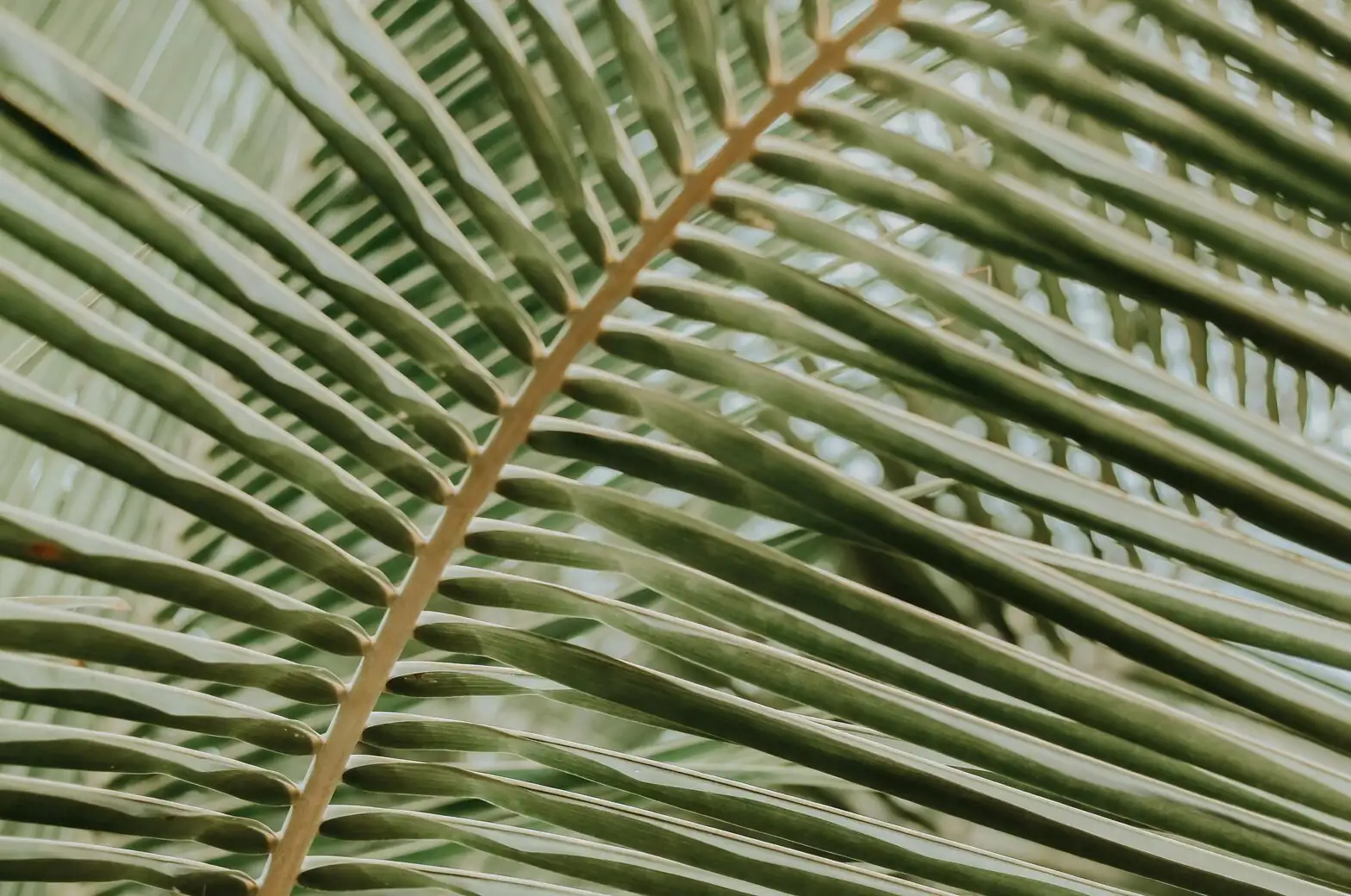
- Light: Bright, indirect is ideal (think dappled forest light). Tolerates medium to low light; avoid harsh midday sun or use a sheer curtain (about 30%–50% shade).
- Water: Water thoroughly, then let the top 2–3 cm (about 1 in) of mix dry before watering again. Evenly moist, never soggy; reduce in winter. Never let the pot sit in water.
- Temperature: Best at 18–24°C (64–75°F). Keep above 10°C (50°F). Protect from drafts.
- Humidity: Prefers moderate to higher but adapts to average home levels. In dry seasons, use a pebble tray, occasional misting, or a humidifier—avoid continually wet foliage in cool rooms.
- Soil: Loose, well-draining potting mix (add perlite/coarse sand and/or bark). Good drainage is essential.
- Size & habit: Clumping; 60–120 cm (2–4 ft) indoors, often sold as multiple seedlings for a mini-grove look.
- Pet safety: Generally non-toxic to cats and dogs.
- Bonus: Mature plants may toss up small yellow sprays of flowers—more a charming footnote than a focal point.
The secret to happy plant housemates
Before you start mixing species, match them on three traits so you can care for the whole group with one easy routine:
1) Light: Similar tolerance for bright, indirect to medium light.
2) Water: Plants that like evenly moist (not wet) soil with a brief surface dry-down.
3) Humidity: Comfortable in average homes but appreciative of a little boost.
Tip: Skip cacti and ultra-droughty succulents in the same watering zone—different rhythms cause overwatering or underwatering mishaps.
Pet-safe, palm-compatible picks
All of the plants below are widely listed as non-toxic to cats and dogs and play nicely with parlor palm light and humidity.
Low-light lounge (shelves, hallways, north/east windows)
- Maranta leuconeura (Prayer Plant): Loves medium to low light, appreciates steady moisture and humidity. Color and movement as its leaves lift and rest through the day.
- Calathea/Goeppertia spp. (varieties like orbifolia, lancifolia): Velvety, patterned foliage. Enjoys bright indirect to medium light, evenly moist soil, and soft water—perfect alongside the palm’s tip-sensitive fronds.
- Pteris cretica (Cretan brake fern) or Adiantum raddianum (Maidenhair fern): Featherlight texture complements palm fronds; keep evenly moist and protect from hot sun.
- Soleirolia soleirolii (Baby’s Tears): A mossy-looking groundcover for trays or a nearby pot; moisture lover that thrives in the palm’s humidity zone.
Bright-indirect living room cluster
- Chamaedorea seifrizii (Bamboo Palm): A taller cousin with the same calm demeanor—great for layered, tropical structure.
- Nephrolepis exaltata (Boston Fern): Fluffy, arching fronds; bright, filtered light and consistently moist soil keep it full.
- Chlorophytum comosum (Spider Plant): Adaptable, forgiving, and happy in bright, indirect light. Tolerates a slight dry-down but enjoys the same humidity island.
- Hypoestes phyllostachya (Polka Dot Plant): Sprinkles of pink/white/green; prefers evenly moist soil and bright filtered light.
Desk-friendly, pet-safe minis
- Pilea peperomioides (Chinese Money Plant): Cheerful, coin-like leaves; likes bright, indirect light and a moderate dry-down—place it on the edge of the group so you can water it a day later if needed.
- Peperomia caperata, P. argyreia (Watermelon Peperomia), and kin: Compact, pet-safe companions that enjoy bright, indirect light and modest humidity. Let them dry a bit more than the ferns, or cluster them slightly apart on the same pebble tray.
Build a “humidity island” (without overdoing it)

- Pebble tray: Fill a wide tray with pebbles and water to just below the pebble tops; set grouped pots on top. Evaporation raises local humidity while pots stay out of standing water.
- Smart spacing: Keep a few centimeters between pots for airflow—crowded leaves invite pests and leaf spots.
- Gentle misting: Occasional, fine misting during warm, dry spells is helpful. Avoid frequent misting in cool rooms, which can encourage leaf spots.
- Clean leaves, fewer pests: Spider mites adore dry, dusty foliage. A soft, damp cloth wipe keeps fronds breathing and pests at bay.
One watering rhythm for many plants
- Use the palm’s cue: Water when the top 2–3 cm (about 1 in) of mix is dry. Drench thoroughly, then drain completely.
- Match the mix: A unified, well-draining blend (all-purpose potting mix plus perlite/coarse sand and/or bark) keeps moisture even and prevents waterlogging—the palm’s arch-nemesis.
- Winter slowdown: Shorter days? Let the mix dry a bit more between sips, and stop fertilizing until new growth resumes.
- Soft water helps: If you notice brown tips on moisture-loving leaves, consider filtered or rainwater to reduce mineral buildup.
Micro-jungle recipes you can copy today
1) The Low-Light Reading Nook
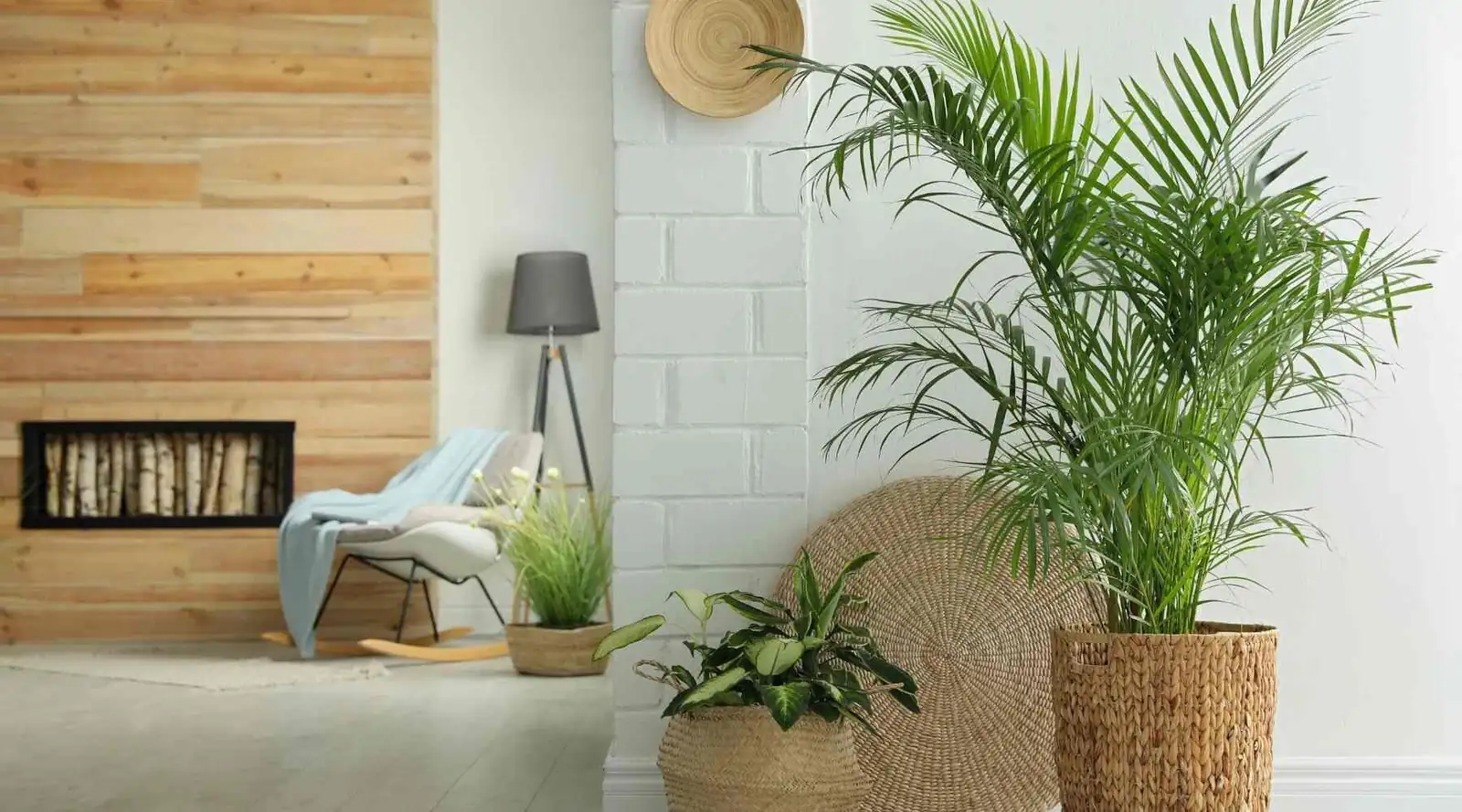
- Centerpiece: Parlor palm in a 15–20 cm (6–8 in) pot
- Companions: Maranta + Calathea + Baby’s Tears in smaller pots
- Setup: All on a single, long pebble tray; sheer-curtained window or a few feet back from a brighter exposure
- Care rhythm: Water the palm and Marantaceae when the surface dries; peek at Baby’s Tears sooner (it hates drought)
2) Bright-Indirect Living Room Trio
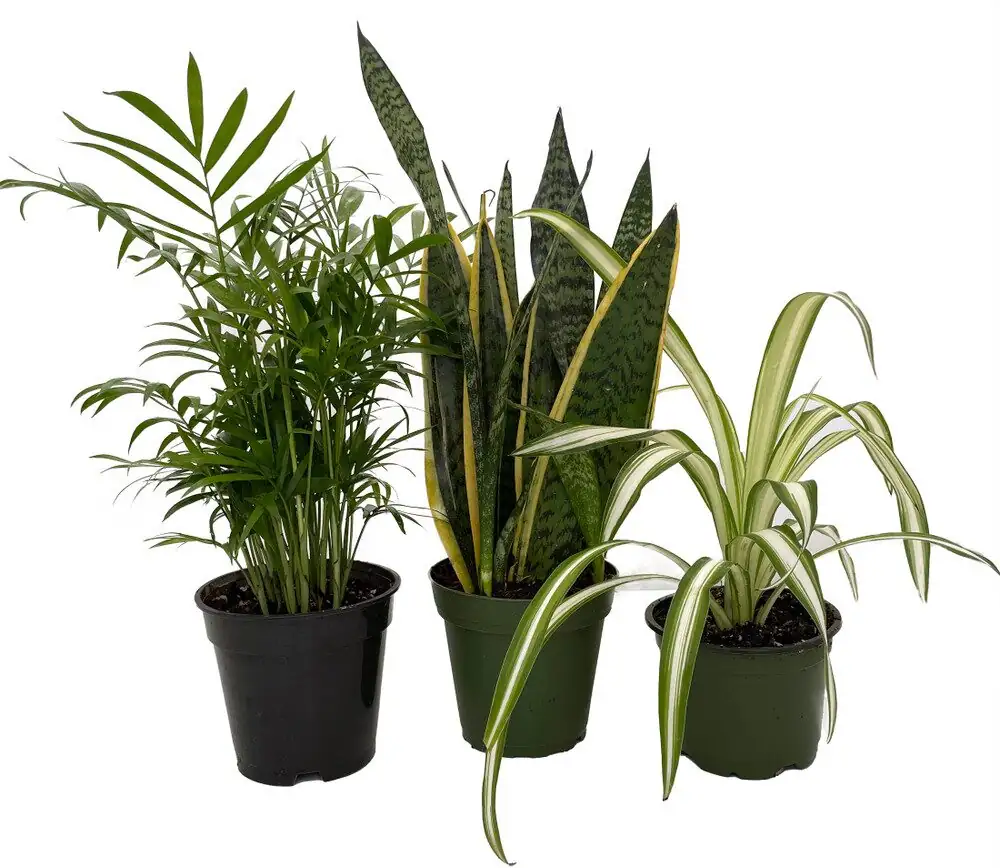
- Centerpiece: Parlor palm, flanked by a Boston fern and a Spider Plant
- Setup: East window or filtered south/west with a sheer curtain (30%–50% shade)
- Care rhythm: Water when the surface dries; don’t let the fern crisp. Monthly feeding spring–early autumn, or every 2 weeks at half strength.
3) The Bathroom Spa Corner
- Centerpiece: Parlor palm (if there’s a window with bright, filtered light)
- Companions: Bamboo palm and Cretan brake fern
- Setup: Natural steam boosts humidity; keep foliage off cold tile and away from heater drafts
- Care rhythm: Check soil a bit sooner thanks to warmth and airflow
Styling and safety tips for pet parents
- Non-toxic ≠ snack time: These plants are generally safe, but discourage nibbling to avoid tummy upsets.
- Elevate and cascade: Use plant stands and shelves to create vertical layers; trailing Spider Plants can drape without tempting curious paws.
- Stable warmth: Keep above 10°C (50°F), aim for 18–24°C (64–75°F). The palm shows cold stress as browning tips if chilled.
Advanced corner: Try a mini hydro “water bar”
Parlor palm can grow in water with care—great as a modern accent beside a few other hydro-friendly, pet-safe plants (like Spider Plant) in separate jars.
- How-to: Gently rinse soil off roots, trim any rot, and keep the stem base above the waterline.
- Refresh rhythm: Change water frequently—about every 3–5 days in summer, every 10–15 days in cooler seasons. Once stable, add a small dose of hydroponic nutrient.
- Keep it clean: Clear containers show when it’s time to refresh; bright, indirect light is best.
Seasonal tune-ups for the whole grove
- Spring–summer: Bright, filtered light; water when the surface dries; feed lightly while new fronds emerge.
- Autumn: Slightly reduce watering; maintain indirect light.
- Winter: Brightest safe spot, sparing water, no fertilizer; keep warm and away from drafts.
- Repotting: Every 2–3 years in spring; go up just one size and refresh the mix. Always use a pot with drainage holes.
Troubleshooting the vibe
- Browning tips: Often dry air, mineral-heavy water, inconsistent watering, or chills. Boost humidity, use room-temp filtered/rainwater, and keep away from cold drafts.
- Yellowing + soggy mix: Usually overwatering, especially in cool rooms. Improve drainage, let the top layer dry between waterings, and keep warmth above 10°C (50°F).
- Pests (spider mites, scale, mealybugs): Inspect undersides; treat early with insecticidal soap or horticultural oil. Improve airflow and avoid persistently wet leaves.
A little lore: elegance, welcome, and quiet good luck
Victorian homes made the parlor palm a celebrity, precisely because it handled indoor life with long-lived grace. While “flower language” traditions often center on blooms, this palm’s symbolism grew from culture and setting: a sign of everyday elegance, hospitality, and the gentle, enduring vitality of a plant that can live with you for years. Its occasional yellow flower sprays indoors are a botanical wink—charming, but it’s the feathery foliage and calm presence that inspired associations with good luck and “youthfulness” over time.
Do’s and don’ts cheat sheet
- Do: Give bright, indirect light; use a fast-draining mix; water thoroughly, then let the top 2–3 cm dry.
- Do: Group with pet-safe, humidity-loving housemates for an easy, unified routine.
- Do: Use pebble trays or a humidifier in dry seasons; keep foliage from staying wet in cool rooms.
- Don’t: Park any pot in standing water or overpot the palm.
- Don’t: Bake the group in harsh, direct sun.
- Don’t: Forget airflow—healthy leaves need space.
Curate your palm-led plant cast with the same light, watering, and humidity cues, and you’ll have a serene, pet-safe micro-jungle that practically cares for itself—fronds up, stress down.