

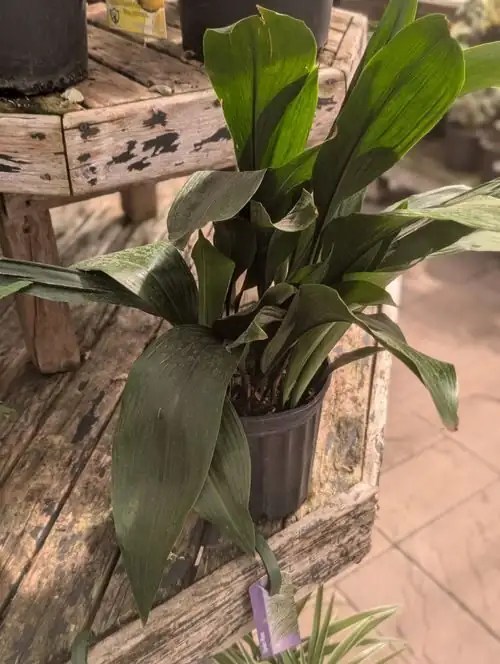
If plants could roll their eyes, Aspidistra elatior would every time someone calls it a “no-light, water-whenever” survivor. The cast-iron plant is genuinely tough—but it’s not a stunt performer. Treat it like a living thing with a few simple preferences, and it will reward you with years (decades!) of glossy, dignified foliage, even in the quiet, shaded corners of your home.
Meet Aspidistra elatior: the original tough beauty
- Common names: Cast-Iron Plant, Bar-Room Plant
- Family: Asparagaceae; Genus: Aspidistra
- Native range: Japan (especially the Ryukyu Islands) and Taiwan
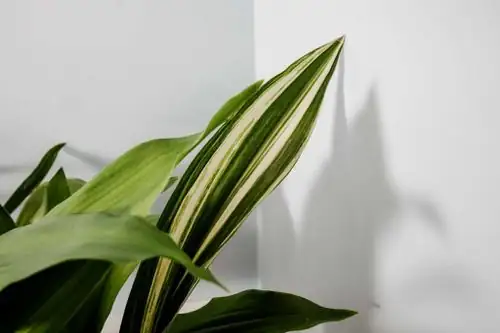
- Look and habit: Slow-growing, clump-forming perennial from rhizomes, with long, leathery, arching leaves in deep green. Some cultivars show creamy stripes or speckles for extra indoor sparkle.
- Size indoors: About 60 × 60 cm (24 × 24 in)
- Flowers: Small, bell-shaped, brownish-purple blooms right at soil level—easy to miss and sporadic indoors (late winter to spring)
Tough-love myth-busting (so your plant stays truly tough)
Myth 1: “No light needed”
Reality: Shade-loving isn’t the same as light-free.
- What it wants: Partial to full shade; bright, indirect light is perfectly fine.
- What to avoid: Harsh direct sun, which can bleach and scorch leaves.
- Where to put it: Dim rooms, hallways, shaded corners, a few feet back from a bright window.
- Variegated tip: Cream-striped or speckled forms appreciate gentle, indirect brightness to keep patterns crisp.
Myth 2: “Water whenever”
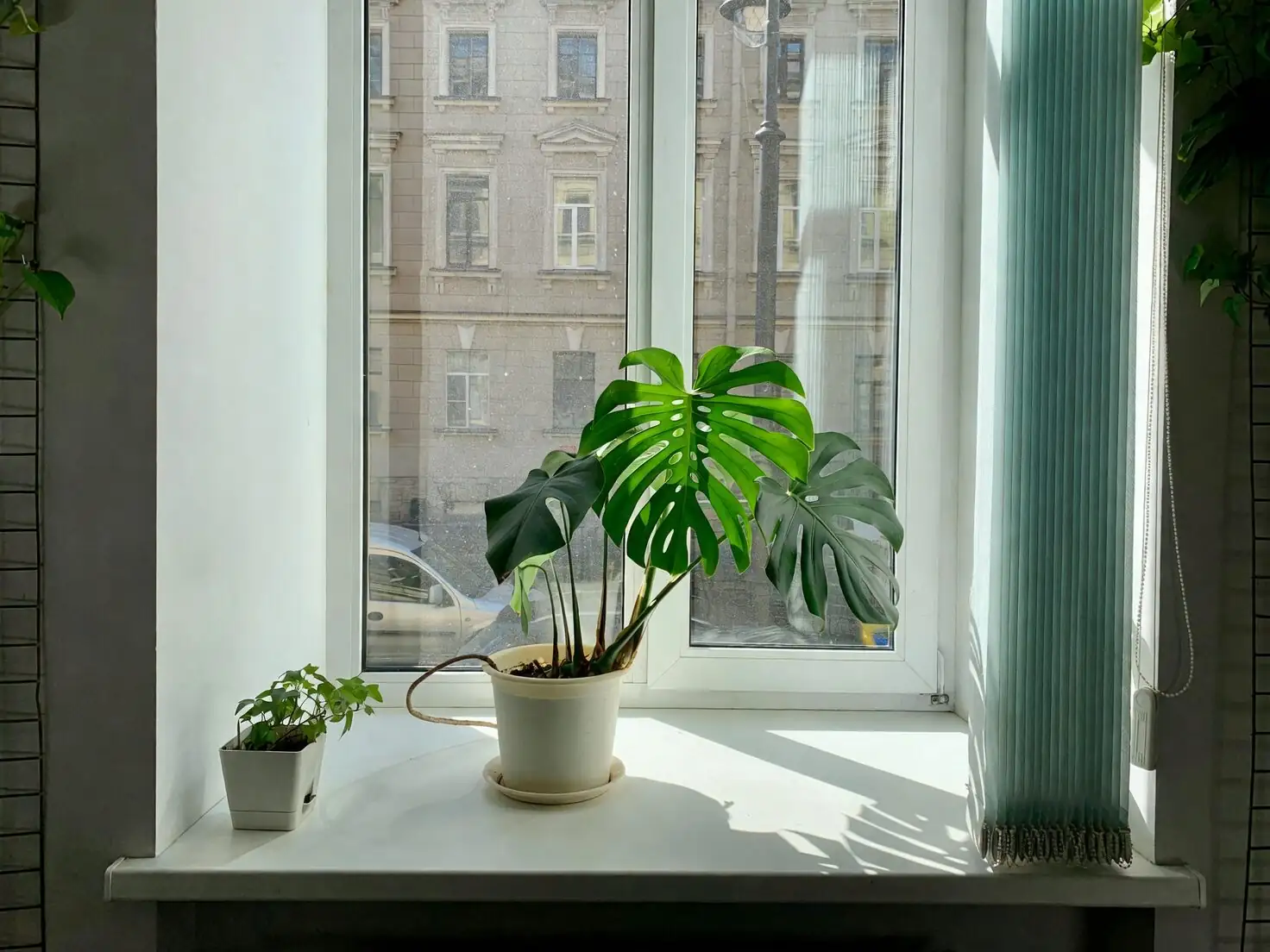
Reality: It dislikes soggy feet more than a little drought.
- Simple rule: Water when the surface of the mix has dried. In winter, water less.
- Technique:
- Water thoroughly until it drains, then empty saucers—never let it sit in water.
- If the top feels dry but the pot is still heavy, wait; cast-iron roots resent waterlogging.
- What goes wrong: Constantly wet soil invites root rot and yellowing leaves.
Myth 3: “Fertilizer will ruin a tough plant”
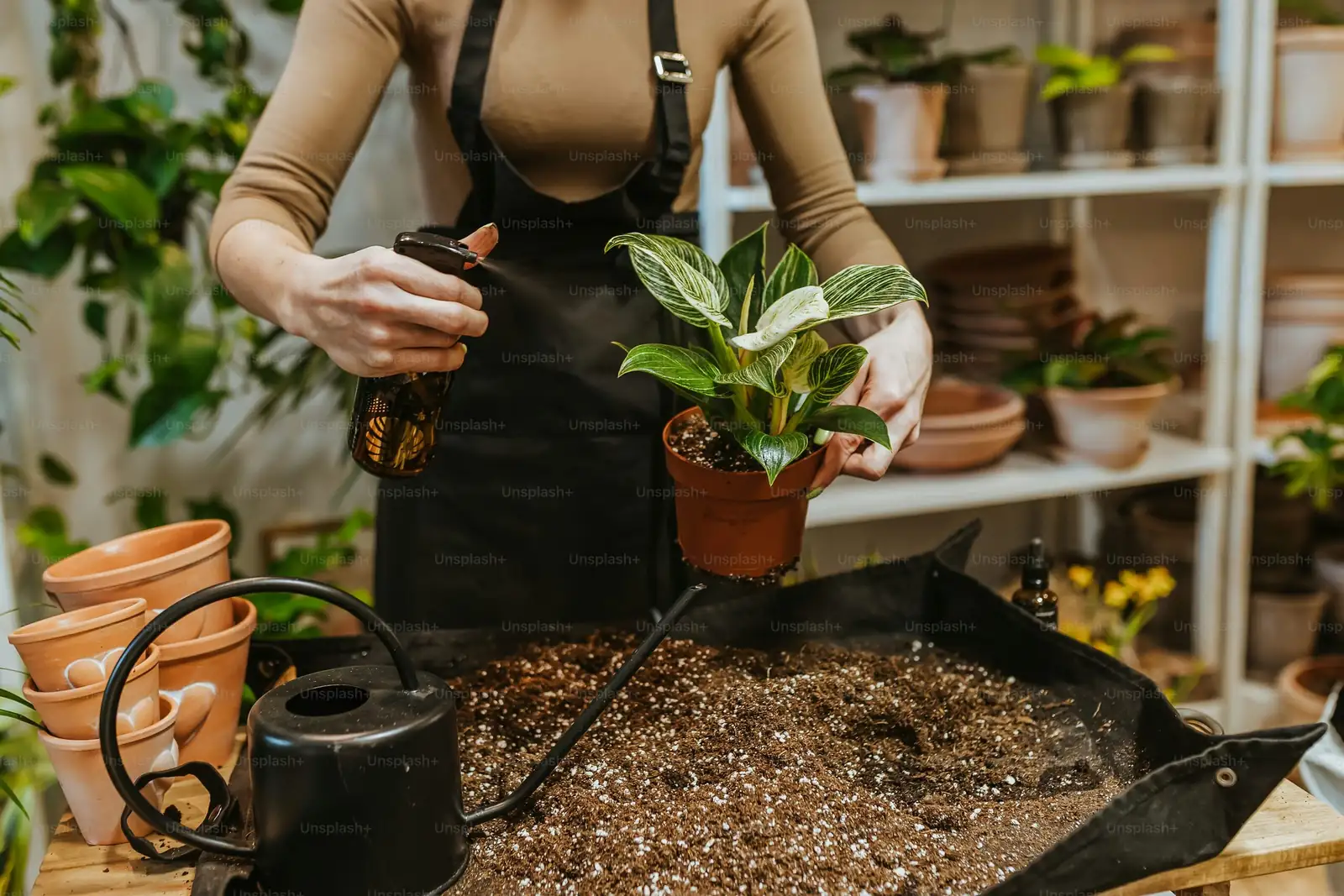
Reality: It’s not a heavy feeder, but gentle feeding keeps foliage lush.
- From spring through late summer: Feed monthly with a balanced liquid fertilizer at half strength.
- Skip in winter.
- Bonus tip: If you’re nervous, feed every 6–8 weeks instead—consistency beats intensity.
Myth 4: “Never repot”
Reality: It likes a snug pot—but not forever.
- Cadence: Repot every 2–3 years, moving up only one pot size.
- Typical container: 12.5–20 cm (5–8 in) is often plenty.
- Why: Fresh mix improves drainage and oxygen, keeping roots sturdy.
- Red flags: Crowns pushing against the rim, water rushing straight through, or very slow drying can all signal it’s time.
The light, soil, and temperature sweet spot
- Sunlight: Partial shade to full shade. Bright, indirect light works; keep out of strong direct sun.
- Soil: Loose, well-draining. A practical blend is 1:1 standard potting soil and multi-purpose mix, kept airy with added perlite if needed.
- Temperature: Prefers cool to mild rooms at 5–20°C (41–68°F). It tolerates cooler spells but protect from hard frost.
- Humidity: Unfussy—low to average indoor humidity is fine; no misting routine required.
- Outdoors: Generally hardy in USDA Zones 8–11; shelter from severe freezes and hot afternoon sun.
Your simple, sustainable care routine
- Watering: Let the surface dry, then water thoroughly and drain. Reduce in winter.
- Feeding: Monthly at half strength from spring to late summer; none in winter.
- Pruning: Clip yellowing or damaged leaves cleanly at the base; otherwise minimal.
- Cleaning: Wipe leaves gently with a damp cloth now and then to remove dust.
- Placement: Keep away from heat vents and midday sun patches.
Repotting and propagation, the easy way
- Repotting steps:
- Choose a pot just one size larger with drainage holes.
- Use a loose, well-draining mix; set the crowns (leaf bases) slightly above the soil line.
- Water once to settle, then let the surface dry before the next drink.
- Propagation by division:
- During repotting, separate sections of rhizome with roots attached.
- Pot each division snugly; treat like a mature plant, watering lightly at first.
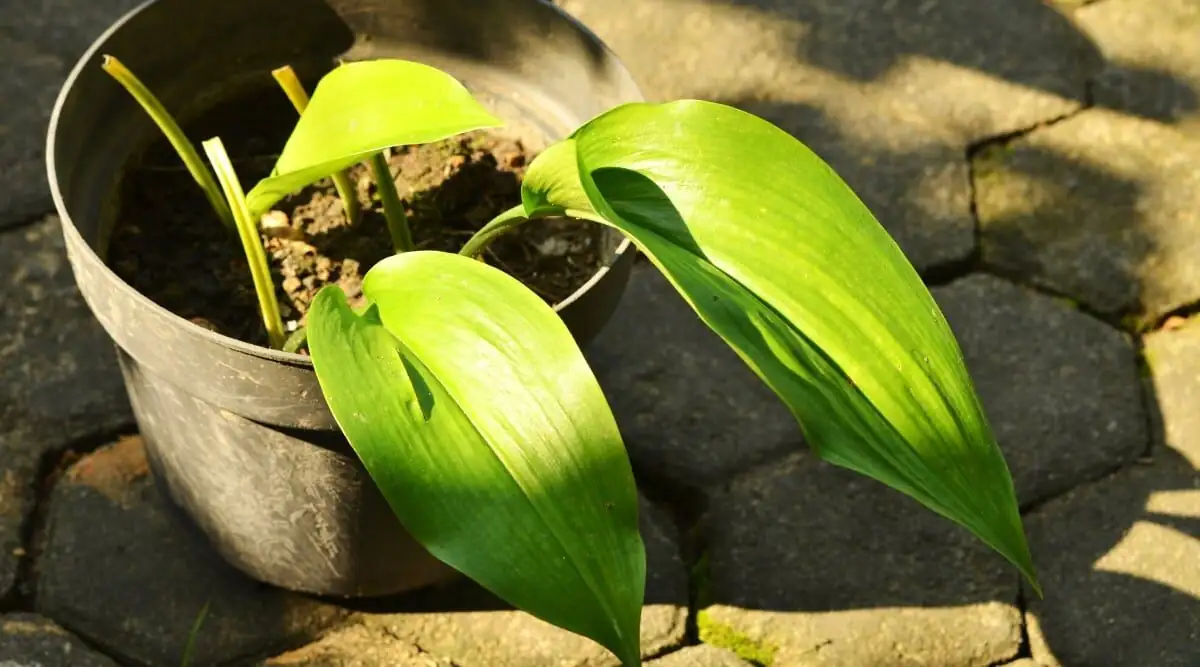
Buying smart: pick a plant that’s cast-iron on day one
- Look for firm, upright leaves and healthy crowns where leaves emerge.
- Avoid pots that feel perpetually wet, smell sour, or show lots of yellowing—classic overwatering signs.
Troubleshooting: what the leaves are telling you
- Yellowing leaves: Often overwatering or mix staying wet too long—improve drainage and let the surface dry between waterings.
- Pale or scorched patches: Too much direct sun; move to brighter, indirect light or deeper shade.
- Stalled growth: Normal in low light or winter; resume gentle feeding in spring.
- Pests: Occasionally scale, mealybugs, or spider mites in dry indoor air. Wipe leaves, isolate, and treat early. Good drainage prevents root rot.
Styling and placement ideas
- Hallways, bedrooms, shaded living room corners—spots where other plants sulk.
- Pairs elegantly with calm, matte planters or dark ceramics that echo its rich green.
- Variegated cultivars brighten low-light vignettes without shouting.
Safe by design
- Commonly regarded as non-toxic to cats, dogs, and people—one less worry at home.
Flower language and lore
- Symbolism: Endurance and resilience—fitting for a plant that kept its cool in dim, smoky interiors long before air purifiers existed.
- Origin of the meaning: Its ability to thrive with modest light, infrequent fussing, and time is what earned the “cast-iron” moniker and the Victorian-era nickname “bar-room plant.” The understated, soil-level flowers whisper rather than shout—another nod to quiet strength.
Quick answers to common questions
- Is it good for beginners? Absolutely—few foliage plants handle shade and occasional neglect as gracefully.
- How much light? Partial to full shade; bright, indirect light is fine. Avoid strong direct sun.
- How should I water? When the surface of the potting mix feels dry; water less in winter. Never let it sit in water.
- When should I fertilize? Monthly from spring through late summer at half strength.
- When should I repot, and to what size? Every 2–3 years, one pot size up. A 12.5–20 cm (5–8 in) pot is usually sufficient.
Bottom line: Treat Aspidistra elatior like a resilient friend, not an indestructible prop. Give it shade, a breathable mix, water only after the surface dries, modest food in the growing season, and an occasional pot refresh. Do that, and your cast-iron plant will live up to its legend—without you testing its limits.