

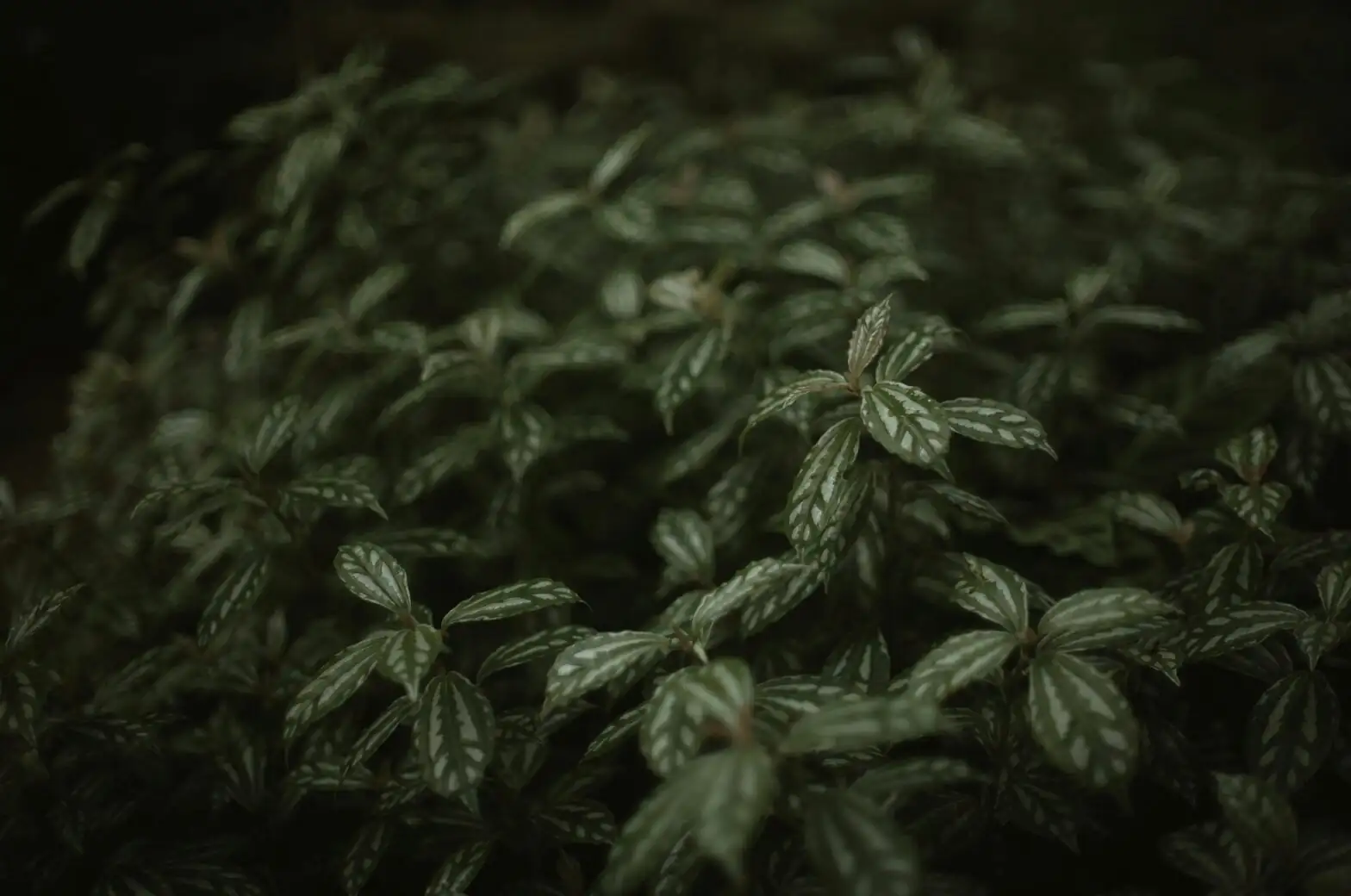
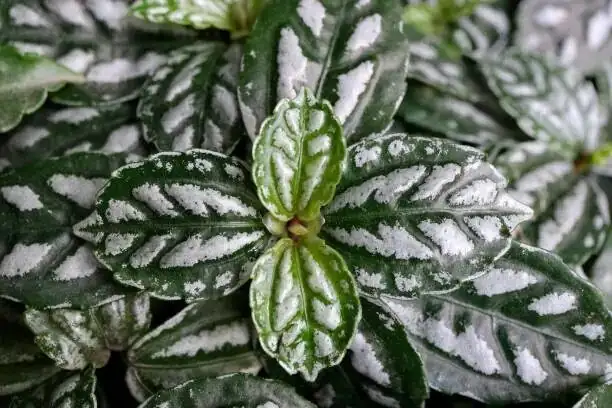
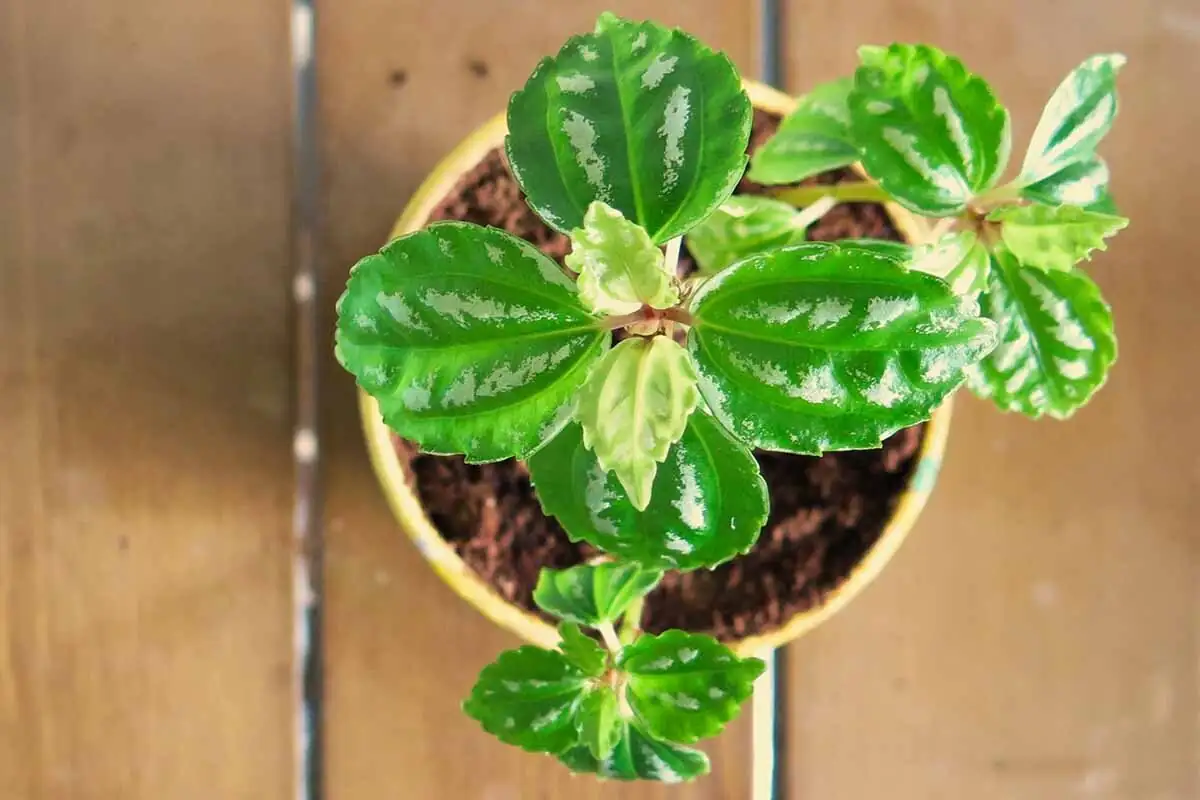
Meet the Aluminum Plant (Pilea cadierei): your sparkly, compact companion from Vietnam with quilted green leaves brushed in metallic silver. When it’s happy, it’s a neat, mounded cushion that shines across a room. When it isn’t, the clues are clear: the silver fades, stems stretch and flop, and the whole plant looks a little… deflated. The good news? This is a fast, forgiving species. A few smart tweaks to light, pinching, cutbacks, rotation, and feeding will bring back the glow.
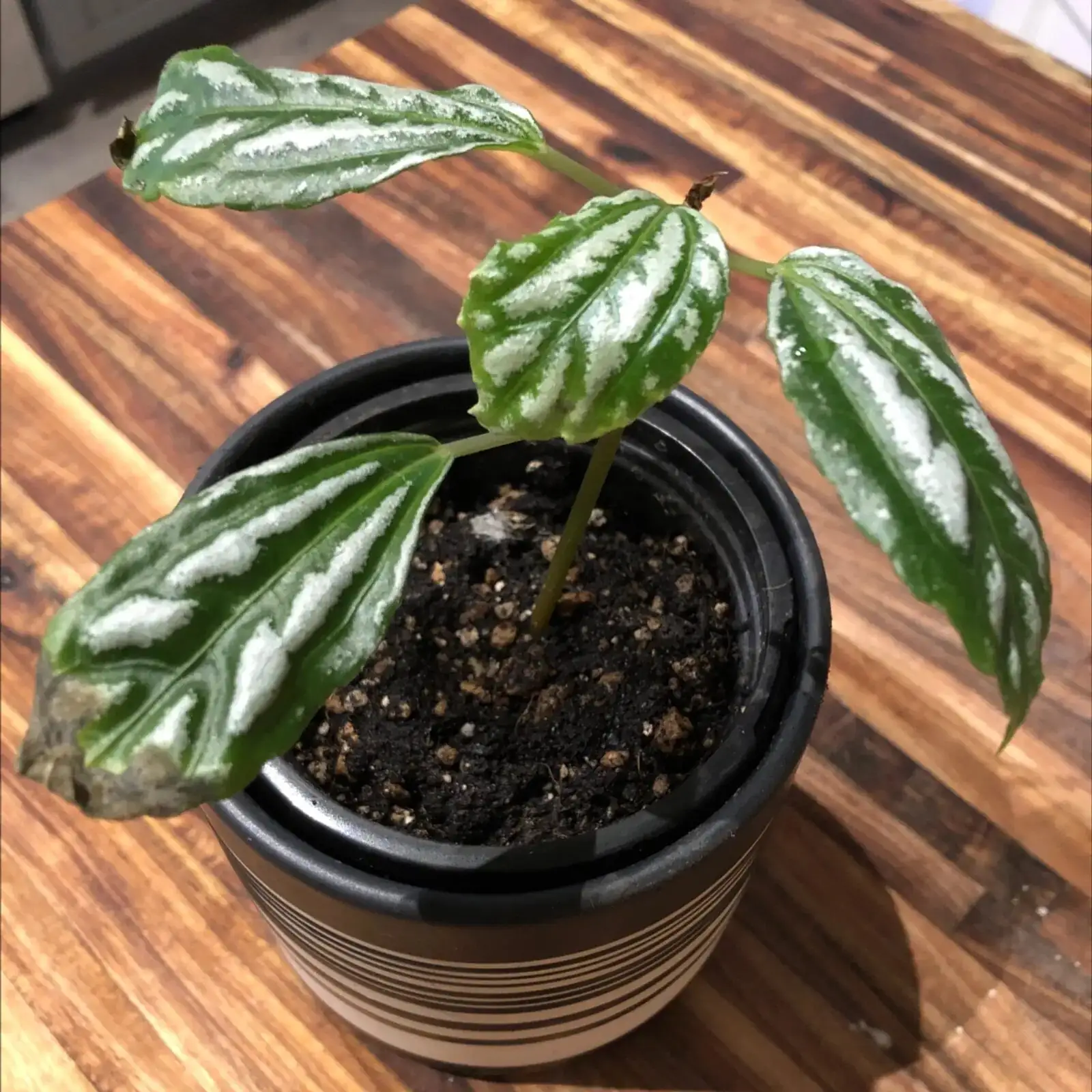
Diagnose: Fading Silver and Floppy Stems
Think of your plant as broadcasting its needs through its leaves and posture.
- Silver markings fading or dulling:
- Most common cause: not enough light.
- Supporting clues: leaves may shrink, edges or tips may brown; the overall pattern looks washed out.
- Stems becoming long, weak, and floppy (leggy):
- Primary cause: low light.
- Secondary cause: not enough tip-pinching, so the plant doesn’t branch.
- Scorched or crisp patches:
- Harsh direct midday sun is too strong.
- General droop with yellowing lower leaves:
- Often from overwatering or a heavy, soggy mix.
- Winter leaf drop:
- Chilly drafts or temps below about 8–10°C (46–50°F), plus low light.
The Fix, Step by Step
1) Smarter Light: Bright Indirect Wins
Give Pilea cadierei the “brilliant but filtered” spotlight:
- Best placements:
- East window (gentle morning sun).
- North window (all-day soft light).
- A few feet back from a bright south or west window with a sheer curtain.
- Avoid: harsh, direct midday sun that can scorch and dull variegation.
- What to watch for:
- In 2–4 weeks of better light, new leaves should emerge with crisper silver and tighter spacing between leaves (shorter internodes).
Pro tip: If you rely on artificial light, aim the fixture 20–30 cm (8–12 in) above the plant and run it 10–12 hours daily for even, bright coverage.
2) Pinch for Bushiness (Your Free Makeover)
Aluminum plants branch when you remove their tip. This stops flopping before it starts.
- How: With clean fingers or snips, remove the soft tip just above a leaf node (where leaves join the stem).
- When: Every time stems hit about 10–15 cm (4–6 in).
- Result: Two side shoots replace one, creating a dense, cushiony mound and stronger stems.
3) Strategic Cutbacks: Reset Leggy Growth
If the plant is already stretched:
- Do a spring reset: Cut leggy stems back to a couple of healthy nodes near the base. New shoots will break from below.
- Nervous? Stagger it: Trim one third of the longest stems every 2 weeks until the shape evens out.
- Bonus: Use the trimmings as tip cuttings to start fresh plants (details below).
4) Rotate for Even, Upright Growth
Light has a “pull.” Without rotation, one side leans and stretches.
- Rotate the pot half a turn weekly.
- After each watering, check that the plant is centered and not shaded by neighbors.
5) Gentle Feeding That Supports, Not Stresses
Feed lightly during active growth; this is a foliage-forward plant, not a heavy feeder.
- Two easy options (pick one):
- A balanced liquid houseplant fertilizer every 2 weeks at label rate or half-strength, spring to fall.
- A gentler plan: about once every 2 months from May–August using a diluted organic liquid or balanced/bloom-leaning formula used sparingly.
- Pause or reduce to monthly in winter if growth slows.
- Avoid splashing fertilizer on leaves.
6) Watering and Soil: Evenly Moist, Never Soggy
This plant likes consistency:
- Water thoroughly when the top 1–2 cm (0.4–0.8 in) begins to dry; then empty the saucer.
- Winter: water more sparingly—often around every 2 weeks, depending on indoor heat and light.
- Soil mix: loose, airy, and fast-draining. Try about 2 parts quality potting mix to 1 part perlite (and/or a bit of coarse sand).
- Overwatering flags: yellowing leaves, limp stems, sour-smelling soil. If you see this, increase drainage and let the top dry a bit more between waterings.
7) Temperature and Humidity Sweet Spot
- Temperature: 15–25°C (59–77°F) is ideal. Protect from drafts.
- Problems can start around 8–10°C (46–50°F).
- Below about 5°C (41°F), leaves may yellow and drop quickly.
- Humidity: moderate to high (roughly 40–60%+).
- Light misting in summer is fine; also try a pebble tray or group plants.
- Keep airflow decent to prevent leaf spot.
A 6-Week Rehab Plan for Silver and Structure
- Week 1:
- Move to bright, indirect light and start weekly rotation.
- Pinch all tips above a node.
- Water thoroughly, then drain; check soil aeration.
- Week 2:
- Begin gentle feeding if growth is active.
- Remove one or two of the longest, flopping stems (use as cuttings).
- Week 3:
- Pinch new tips again to multiply shoots.
- Week 4:
- If still uneven, do a light cutback on remaining lanky stems.
- Weeks 5–6:
- Continue rotation, even moisture, and bright, filtered light.
- You should see crisper silver on new leaves and a tighter, fuller mound.
Pruning and Propagation: Turn Trimmings into Twins
- Tip cuttings:
- Take 5–12 cm (2–4.7 in) cuttings, remove lower leaves, and root in water or a moist, airy mix (perlite + peat-style or potting mix + perlite).
- Warmth helps: 18–22°C (64–72°F).
- Roots often form quickly—pot up once roots are 2–5 cm (0.8–2 in).
- Hard cutbacks:
- Best in spring, often alongside repotting. It refreshes older plants and re-sets the mound.
- Division:
- Established clumps can be split when you repot.
Repotting Without Upsizing Too Much
- Timing: spring, every 1–2 years (young plants may enjoy a yearly refresh).
- Size: step up just one pot size (commonly to 12–15 cm / 5–6 in; up to 18–20 cm / 7–8 in for fuller specimens).
- Use a free-draining mix and consider light root pruning on pot-bound plants.
Pests, Leaf Spots, and How to Prevent Them
- Common pests indoors: spider mites (especially in dry air), mealybugs, aphids.
- Rinse foliage, boost humidity and airflow, then treat early with insecticidal soap or horticultural oil as directed.
- Leaf spot:
- Often from wet leaves + stagnant air. Mist early in the day and ensure some airflow.
- Hygiene:
- Remove damaged leaves promptly; avoid letting the plant sit in water.
Where It Thrives (Indoors and Out)
- Indoors: shelves, desks, and hanging baskets near bright, filtered light—even bathrooms with good light and humidity.
- Outdoors (very warm, frost-free climates only, roughly USDA Zone 11–12): a shiny, low groundcover in shade or filtered light.
Quick Profile
- Botanical name: Pilea cadierei
- Common names: Aluminum Plant, Watermelon Pilea
- Family: Urticaceae (nettle family)
- Origin: Vietnam
- Size: typically 20–30 cm tall and 20–30 cm wide (8–12 in); forms a compact mound
- Flowers: tiny and inconspicuous; may appear in summer but are irregular indoors
- Difficulty: easy and forgiving when kept in bright, indirect light and evenly moist soil
Safety Note
Households with curious pets or small children: treat this plant as potentially mildly toxic if chewed or swallowed. Keep it out of reach and consult a professional if ingestion occurs.
Year-Round Care Cheatsheet
- Spring: repot if needed; hard cutback/pinch to rebuild a tight mound; start light feeding.
- Spring–Fall: keep lightly and evenly moist; bright, indirect light; pinch tips often.
- May–August: continue gentle feeding (biweekly at label or half-strength, or a diluted dose every 2 months).
- Summer: support humidity; shield from harsh midday sun.
- Autumn: a great window for taking cuttings.
- Winter: water sparingly after the surface dries; keep bright and warm; protect from cold drafts and temperatures below 8–10°C (46–50°F).
Symbolism and “Flower Language”
While there isn’t a deep, traditional “flower language” attached to Pilea cadierei, modern plant lovers often link it with freshness and vitality. The lively, reflective silver patches make the plant look energized—almost sparkling in low light—so it’s become a small symbol of brightness in shaded corners and workspaces.
—
When the silver dims and stems droop, think: more filtered light, regular pinching, occasional strategic cutbacks, consistent rotation, and gentle feeding. With those simple habits, your Aluminum Plant will bounce back into a bright, compact, and captivating cushion—like it’s been hand-polished with a touch of starlight.