

Chinese pink (Dianthus chinensis) loves two things you can absolutely control: sharp drainage and a just‑slightly alkaline root zone. Nail those, and this compact, clove‑scented charmer will throw crisp, patterned blooms from cool spring through early summer (and even winter to spring in mild climates). Miss them, and you’ll be staring at sulking foliage and sudden rot after a wet spell. Here’s the soil science made practical—what to add, how to build mixes for beds and pots, and how to steer your plants safely through soggy winters.
Meet Chinese pink, quickly
- Botanical: Dianthus chinensis (family Caryophyllaceae), native to China
- Habit: Compact, clump‑forming; typically 20–40 cm tall, 15–30 cm wide
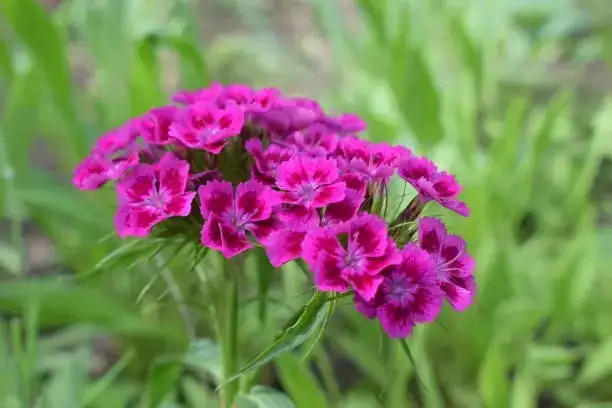
- Flowers: Fringed petals in pinks, reds, whites, purples, and bicolors, often with a darker “eye”; light, spicy clove-like scent common
- Season: Best in cool, bright weather—spring to early summer in most temperate gardens
- Likes: Full sun (6–8 hours), excellent airflow, and loose, gritty, neutral-to-slightly alkaline soil
- Dislikes: Heavy, water‑retentive clay and winter wet; stagnant, humid air
Why sharp drainage is non‑negotiable
The root‑level story
Dianthus roots want oxygen. In saturated soil, pore spaces fill with water and push out air, triggering hypoxia (low oxygen). The result:
- Starved roots that can’t move nutrients efficiently
- An open invitation to damping‑off, crown rot, and root rots
- Plants that “melt” after cold, wet spells, even if temperatures weren’t extreme
What “gritty” actually means
Think structure, not just ingredients:
- Particle sizes: mix fine (0.5–1 mm), medium (1–3 mm), and coarse (3–6 mm) particles
- Examples: sharp sand (not play sand), poultry grit, fine gravel, pumice, perlite, and small bark fines
- Goal: water drains fast, but the mix holds just enough moisture between particles to keep roots evenly supplied—never soggy
Signs your mix is too tight
- Water beads or lingers on top
- Pot stays heavy 24–48 hours after watering in cool weather
- Leaves yellow from the base upward, growth stalls, or you see rust/rot creep in despite careful watering
Build the right medium: bed and container recipes
Garden beds (best where winters aren’t swampy)
If your native soil is already a sandy loam, you’re halfway there. For anything denser:
- Don’t add “a little sand” to clay—it can form brick. Use coarse grit and organic matter, or build up in raised beds.
- Amendment recipe for the top 20–25 cm (8–10 in):
- 30–40% coarse mineral drainage (poultry grit 2–6 mm, fine gravel, or pumice)
- 50–60% existing loam
- 10% well‑matured compost (lightly—too much can hold water)
- Technique:
- Create a low berm so the crown sits 2–3 cm (about an inch) above the surrounding grade
- Top‑dress around, not over, the crown with a 5–10 mm (¼–⅜ in) layer of fine grit to keep the neck dry
- Space plants for airflow; avoid mulch hugging the crown
Pro tip: In heavier soils or where winter rain lingers, build a raised bed 15–30 cm high with a gritty mix rather than battling the subsoil.
Containers (the easiest way to control drainage)
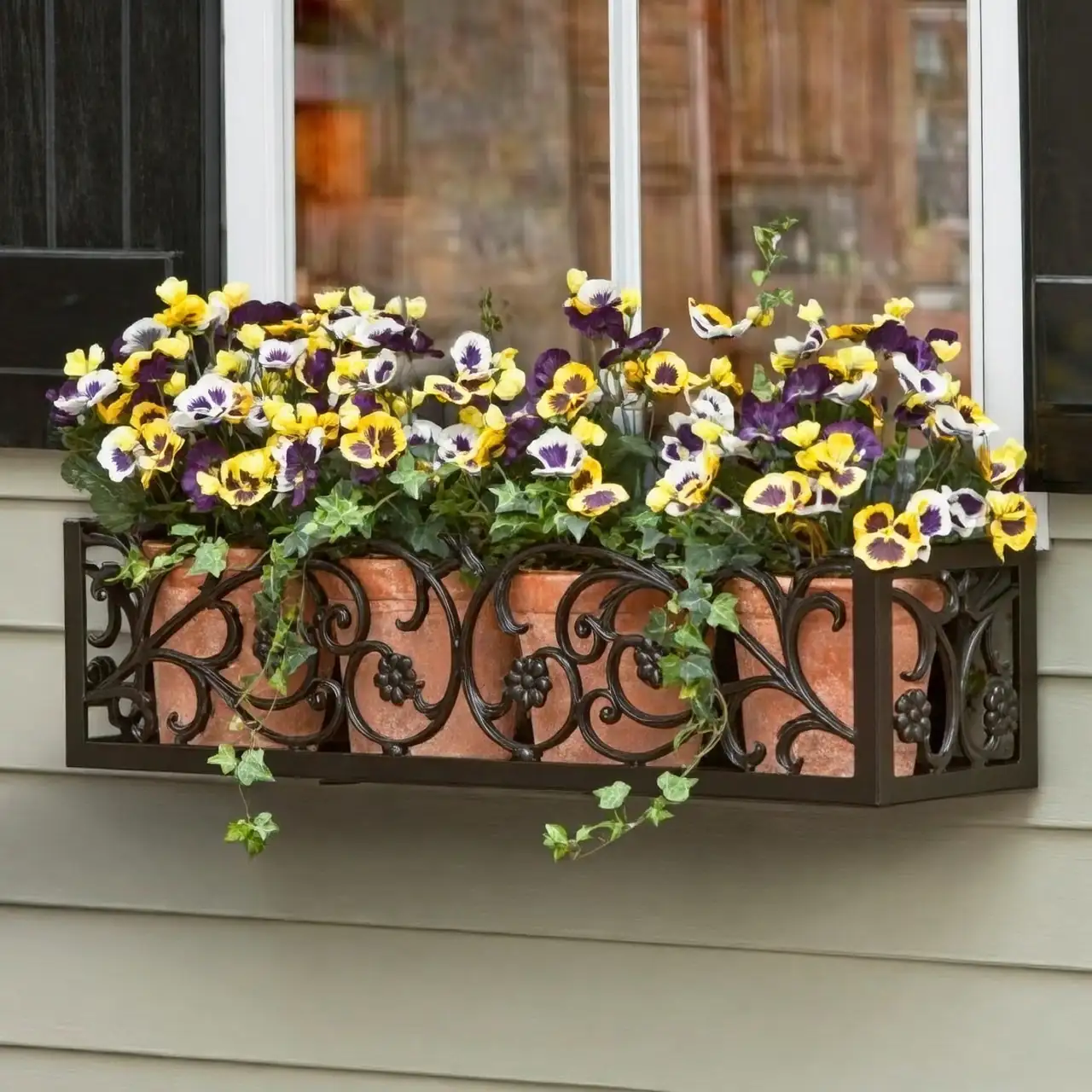
Dianthus shines in pots and window boxes where you can fine‑tune the mix and keep roots drier between waterings.
- Fast‑drain container mix (by volume):
- 45–50% high‑quality potting mix
- 20–25% pumice or coarse perlite
- 15–20% sharp sand or poultry grit
- 10–15% fine bark (improves structure and airflow)
- Setup:
- Pot with generous drainage holes; terracotta breathes and sheds moisture faster
- Use pot feet; never let pots sit in saucers of water
- Avoid overpotting—start around 10–12 cm (4–5 in) wide for seedlings
Slightly alkaline, please: the lime lesson
Chinese pink often performs best in neutral to slightly alkaline, lime‑containing soils. That “lime” is calcium (and often magnesium) carbonate, which:
- Buffers acidity, nudging pH into a friendlier range for Dianthus nutrient uptake
- Supplies calcium for sturdy cell walls and resilient growth
Target pH
- Aim roughly pH 6.8–7.4 (neutral to slightly alkaline)
- Above ~7.8 you risk iron lockout and leaf chlorosis; below ~6.2 many mixes get too acidic for peak performance
How to add lime
- Choose dolomitic lime (adds magnesium) or calcitic lime (calcium only)
- Containers (peat‑based mixes): start with 1 tablespoon per gallon (3.8 L) of mix; blend evenly and water in
- Beds: if the soil is acidic, start light—about 100–200 g per square meter, then retest in 6–8 weeks
- Go slow. It’s far easier to add a little more than to undo over‑liming
Test, don’t guess
- Do a quick slurry test (1 part soil to 1–2 parts distilled water; use a pH strip/meter)
- Consider your irrigation water: hard, alkaline water may supply enough carbonate on its own
If you overshoot
- Symptoms: yellowing between veins on young leaves (iron chlorosis), stalled growth
- Fixes:
- Water once or twice with collected rainwater if your tap is alkaline
- Add a light top‑dress of compost and recheck pH
- Use a chelated iron drench as a temporary assist while pH settles
Raised beds vs. pots: which to choose?
Raised beds
- Best for: sunny sites with passable native soil; gardeners who want drifts and borders
- Advantages:
- Warms and drains faster; crowns can sit above splash zone
- Looks seamless in the landscape
- Tips:
- Height: 15–30 cm is plenty for Dianthus
- Cap planting zones with a thin grit mulch to keep the neck dry
- Avoid dense organic mulches around crowns—use mineral mulches instead
Pots and window boxes
- Best for: heavy clay gardens, balconies, and regions with wet winters
- Advantages:
- Total control of mix; easy rain avoidance under eaves or on a covered patio
- Quick refresh: root‑prune and repot if drainage declines
- Tips:
- Choose footed terracotta or well‑drained resin pots
- Add a handful of grit over the drainage holes (inside) to prevent mix loss, not as a “false layer”
- Slide pots out of relentless winter rain; never leave in standing water
How to avoid root rot in wet winters
- Site and soil first:
- Plant crowns a bit high; never bury the neck
- Incorporate coarse mineral materials; think “rock garden,” not “vegetable bed”
- Watering:
- In cool weather, water when the top layer dries—lightly and at the base
- Let containers drain completely; empty saucers immediately
- Airflow:
- Full sun and breathing room lower rust and rot pressure
- Water at soil level to keep foliage dry
- Rain management:
- Tuck containers under cover during multi‑day rains
- In beds, use a subtle slope or French drain nearby if water lingers

- Hygiene:
- Remove spent blooms and any mushy tissue early
- Start seeds in sterile, fast‑draining mix to dodge damping‑off
Feeding without making soup
Dianthus likes to eat lightly—especially in cool weather when it’s actively blooming.
- In growth: feed about monthly with a balanced fertilizer at half strength
- Containers in cool, active bloom: a low‑nitrogen, higher‑potassium feed every 10–14 days can help—use lightly and only while growth is steady
- Avoid heavy, fast‑acting nitrogen (it invites soft, rot‑prone growth)
Quick seasonal checklist
- Autumn:
- Great time to sow: cover seed very lightly (about 3 mm), keep at 13–15°C; expect germination in 7–10 days
- Pot on seedlings once they have 4–5 true leaves; don’t overpot
- Spring:
- Full sun, sharp drainage; pinch once at 10–15 cm tall for bushier plants
- Deadhead to extend bloom
- Summer:
- In heat, bloom quality dips; offer light afternoon shade and keep drainage extra sharp
- Watch for spider mites in hot, dry spells—improve airflow and treat early with gentle soap/oil if needed
- Winter:
- The real test is wet, not just cold (roughly hardy around USDA 6–9, cultivar and winter wet dependent)
- Keep evenly moist but never sodden; move pots under cover during long rains
Troubleshooting the tough stuff
- Crown/root rot:
- Symptoms: sudden wilt despite moist soil, brown mush at the crown, roots smell sour
- Rescue: unpot, trim to healthy white roots, replant in a drier, grittier mix; raise the crown and reduce watering
- Yellow leaves:
- From below upward: likely overwatering/poor drainage
- Young leaves interveinally yellow: possible high pH/iron lockout—adjust as above
- Fewer blooms:
- Check light first (need 6–8 hours), then excess nitrogen or too‑wet media
- Rust:
- Encouraged by still, humid air and wet foliage—space plants, water at soil level, improve airflow
Edible? With caution
Petals are sometimes used as a garnish with a faint clove note—only from plants specifically grown for culinary use and never treated with pesticides. For pets, it’s generally low‑toxicity, but nibbling may cause mild stomach upset—discourage chewing.
A short note on “flower language”
Dianthus has long been linked with affection and admiration; Chinese pink in ornamental use is often associated with joy, honor, and good fortune. These meanings arise from centuries of garden use and cultural storytelling rather than botany itself—they’re poetic lenses, not prescriptions. Enjoy the symbolism, but let the plant’s performance be your guide: in bright sun, with grit underfoot and a pinch of lime, Chinese pink practically writes its own happy ending.
—
Bottom line: Give Dianthus chinensis a mineral‑rich, fast‑draining home and a nudge toward neutral‑alkaline pH. Whether you build a low, gritty berm in the border or mix a foot‑loose, lime‑kissed potting medium, you’ll sidestep winter rot and keep those fringed blooms coming.


