

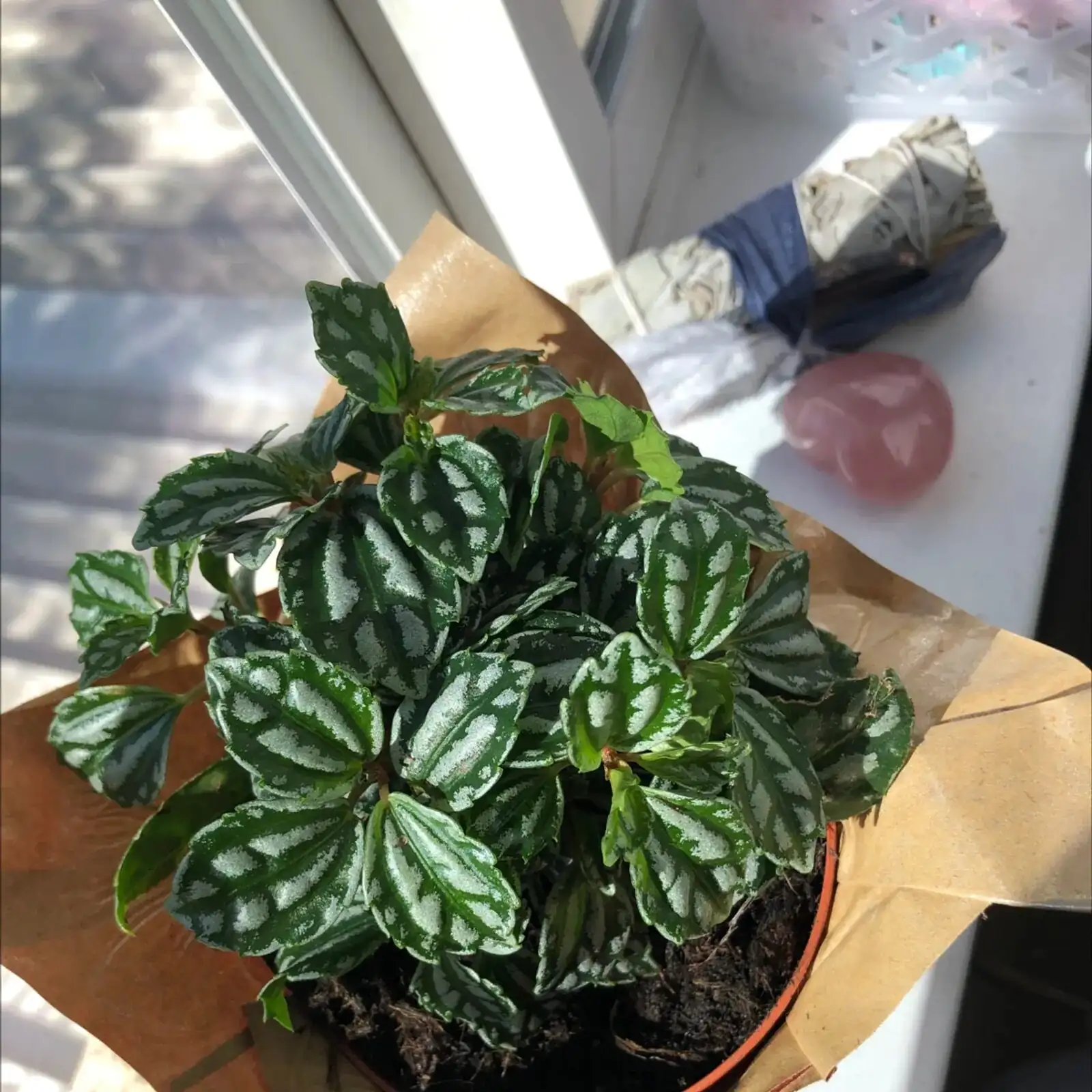
Silver-splashed and satisfyingly plump, Pilea cadierei (the Aluminum Plant) is a small-houseplant powerhouse. Keep its metallic patches crisp and the leaves lush by syncing your care with the seasons. Think: the right seat by the window, a watering rhythm that changes through the year, a gentle humidity bump, and a little shaping to fend off leggy stems.
Meet the Aluminum Plant (Pilea cadierei)
- Origin: Vietnam; family Urticaceae.
- Look: Deep green, slightly quilted leaves brushed with bright silver—like metallic paint along the veins.
- Size and habit: Compact, mounding, and easy to keep tidy in 12–15 cm (5–6 in) pots; typically 20–30 cm (8–12 in) tall and wide. Pinching turns it into a dense cushion.
- Where it shines: Bright shelves and desks, hanging baskets where the stems can soften an edge, and bathrooms with good light. In warm, frost-free climates, it doubles as a glossy groundcover in shaded beds.
Light placement that keeps the silver crisp
Bright, indirect light is the sweet spot. Too much harsh sun can scorch and shrink leaves and dull the pattern; too little light fades the silver, encourages brown tips/edges, and stretches stems.
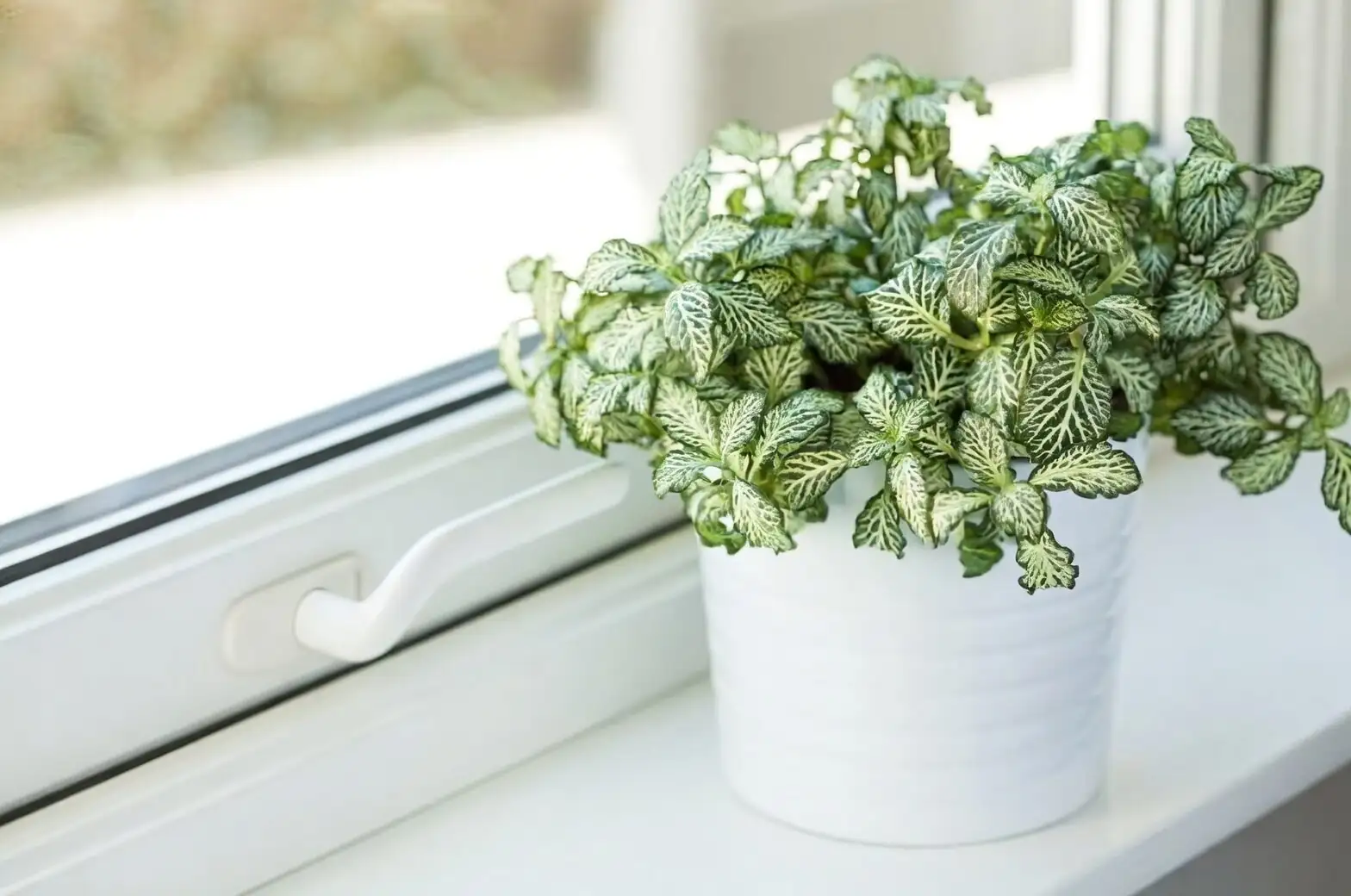
- Best indoor spots:
- East window: first choice. Place on the sill or within 0.5–1 m (1.5–3 ft).
- North window: on the sill or very close.
- South or west window: set back a few feet or soften with a sheer curtain.
- Signs to watch:
- Too bright: bleached or scorched patches; leaves shrink or feel papery.
- Too dim: silver fades, stems elongate, tips brown, mound loses its tidy form.
- Pro move: Rotate the pot a half turn weekly so the mound grows evenly.
Watering rhythms, season by season
Aim for evenly moist, not soggy. Always empty the saucer—standing water is the express lane to root rot and yellowing leaves.
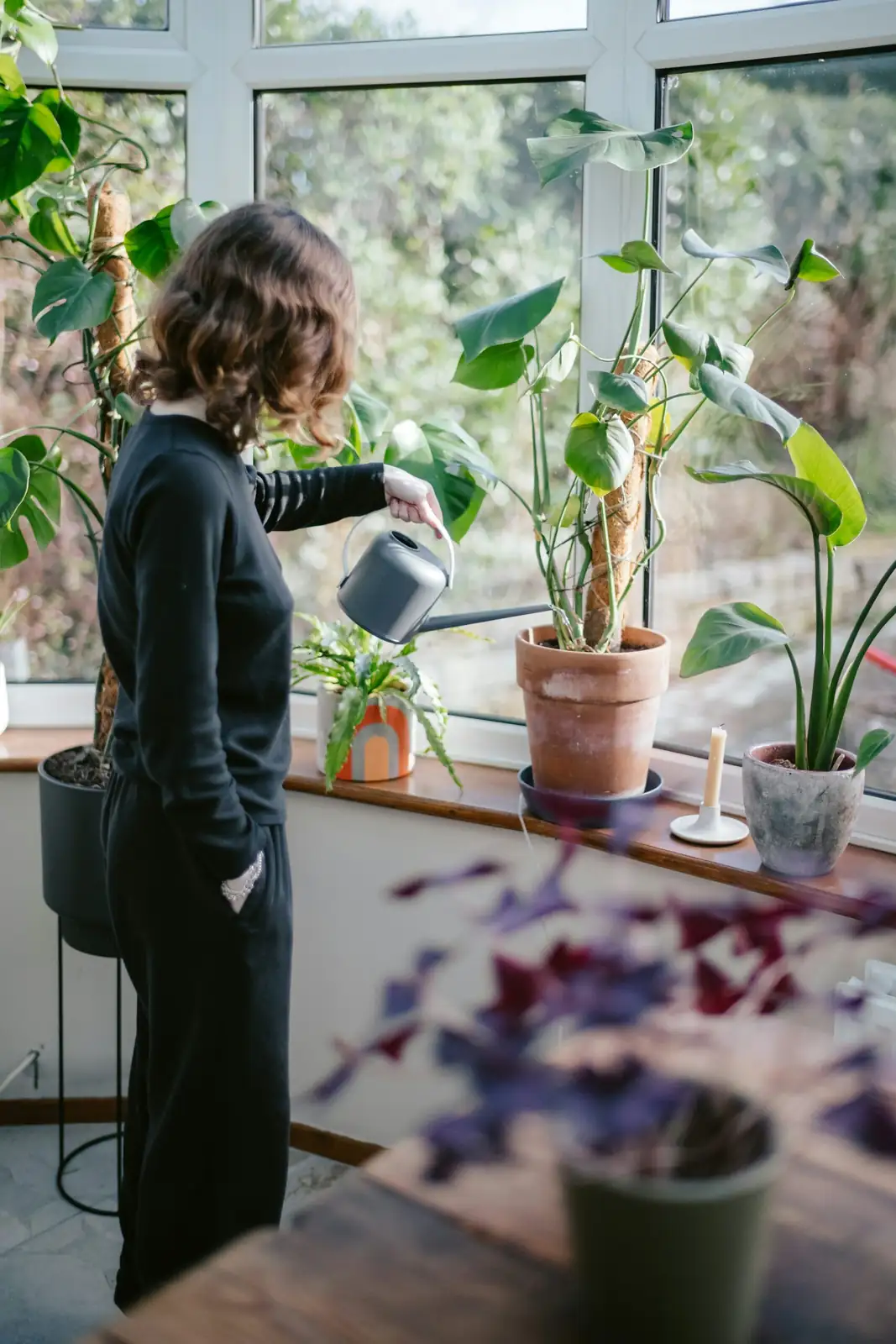
- How to check: Let the top 1–2 cm (0.4–0.8 in) dry before watering during active growth.
- Spring: Growth ramps up. Resume thorough waterings when the surface dries; restart light feeding (see Fertilizer).
- Summer: Warmth = thirstier plant. Expect more frequent waterings. Keep to the “evenly moist” lane.
- Autumn: Daylight dips. Slow the pace—allow the surface to dry a bit more between waterings.
- Winter: Go sparing. Often about every 2 weeks (adjust to your light/heat). Keep bright and warm to avoid leaf drop.
Watering red flags:
- Consistently wet soil, limp or yellowing lower leaves, and a sour smell = overwatering.
- Entirely dry pot, crispy edges, drooping = underwatering or too-low humidity.
Humidity that keeps leaves plump
Target moderate to high humidity—roughly 40–60%+—with decent airflow.
Easy boosts:
- Pebble tray: Set the pot on pebbles above water level.
- Grouping: Cluster with other plants to raise local humidity.
- Misting: Light, occasional misting in summer feels great—just keep air moving to discourage leaf spot.
- Room choice: A bright bathroom can be perfect.
Tip: Spider mites thrive in dry indoor air. A small humidity lift plus regular rinses of the foliage helps keep them at bay.
Temperature and airflow
- Ideal: 15–25°C (59–77°F).
- Protect from chills: Issues can start around 8–10°C (46–50°F). Below ~5°C (41°F), leaves may yellow and drop quickly.
- Winter reminders: Keep away from drafty windows and blasting heaters; maintain bright light to prevent stretch.
Soil and repotting for happy roots
- Mix: Loose, airy, and fast-draining. A good recipe is about 2 parts peat-based houseplant mix to 1 part perlite (or coarse sand/perlite blend).
- Potting: Use a pot with drainage; step up just one size when rootbound.
- Repot timing: Spring is ideal. Young plants may enjoy a yearly refresh; otherwise every 1–2 years. Repot day is also the perfect time for light root pruning and a shape reset.
Fertilizing for steady color (not speed)
Feed lightly during active growth.
- Option A: Balanced liquid houseplant fertilizer every 2 weeks at label rate or half-strength, spring through fall.
- Option B (gentler): Once every 2 months from May–August with a diluted organic liquid feed or a balanced formula used sparingly.
- Winter: Reduce to monthly or pause if growth slows.
- Avoid splashing fertilizer solution on leaves.
Pruning, pinching, and shaping: your anti-leggy plan
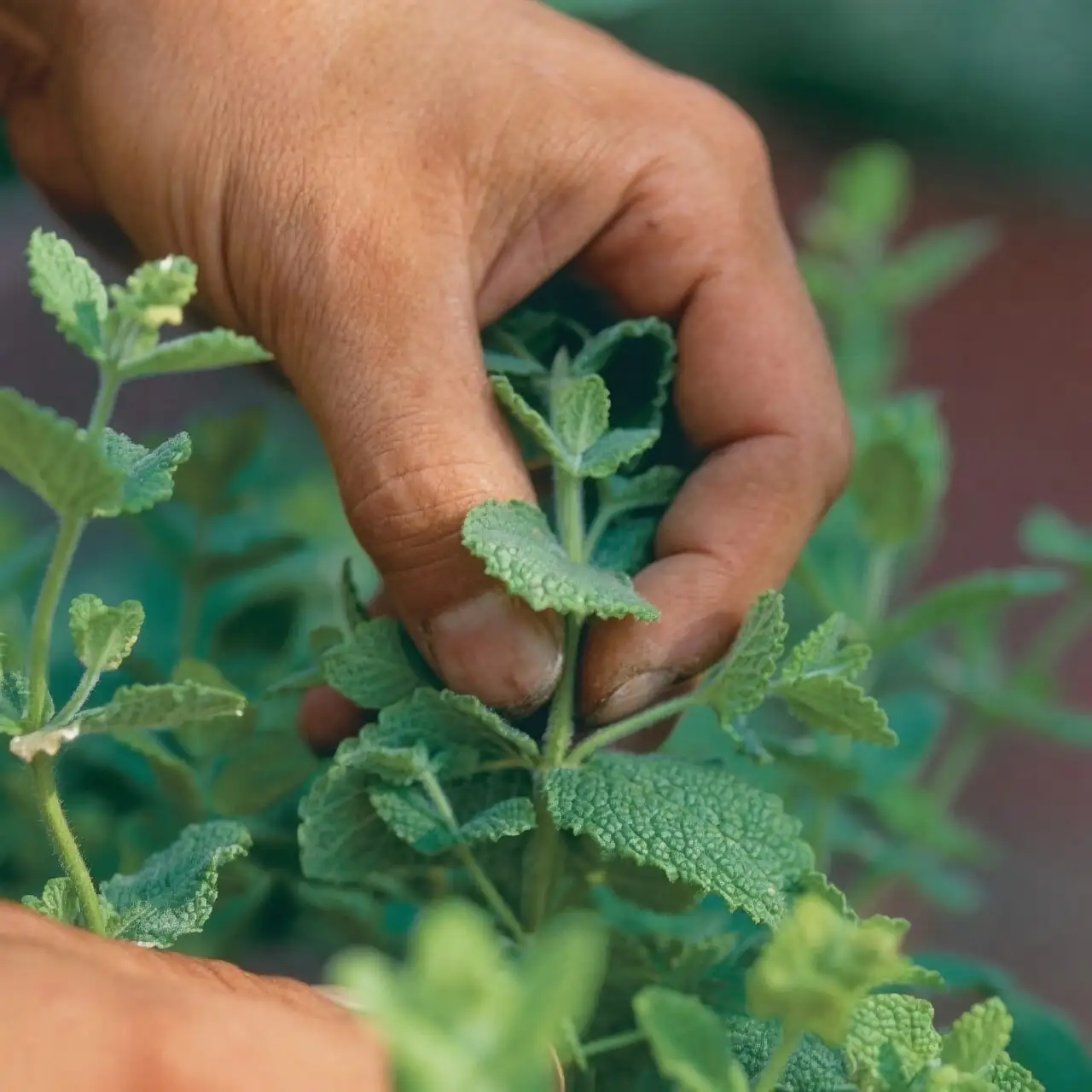
- Pinch tips often to trigger branching and a compact, cushiony shape.
- If stems hit ~15 cm (6 in) and look lanky, pinch back to just above a leaf node to force side shoots.
- Spring reset: You can cut back hard—down to a couple of basal nodes—to refresh an older, stretched plant. It rebounds quickly.
- Bonus: Those trimmings become cuttings (see next section).
Propagation: a super-speedy backup plan
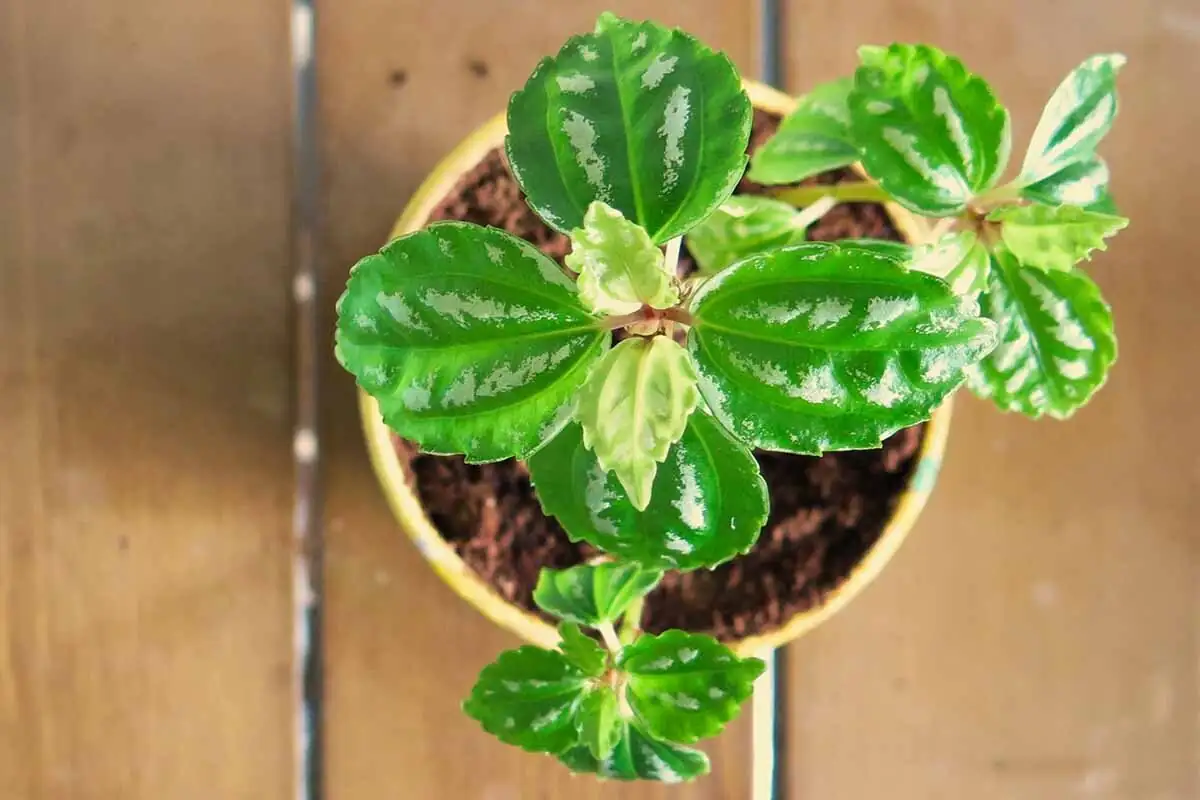
Pilea cadierei is famously easy to propagate.
- Take 5–12 cm (2–4.7 in) tip cuttings; remove lower leaves.
- Root in water or a moist, airy medium (perlite/peat or sand blend).
- Keep warm: ~18–22°C (64–72°F).
- Roots can appear fast—often around 1 week in good conditions.
- Pot up when roots reach ~2–5 cm (0.8–2 in) or after a few weeks in mix.
Quick seasonal checklist
- Spring
- Repot if needed; combine with a shape refresh.
- Resume steady watering and begin light feeding.
- Start frequent tip-pinching.
- Summer
- Bright, indirect light; shield from harsh midday sun.
- Maintain even moisture; boost humidity (pebble tray/misting).
- Keep airflow good; watch for spider mites.
- Autumn
- Take cuttings for backups and gifting.
- Ease off watering pace as days shorten; keep light bright to prevent stretch.
- Winter
- Warm, draft-free placement; bright spot near an east or filtered south window.
- Water sparingly after the surface dries; rotate weekly.
- Avoid temperatures below 8–10°C (46–50°F).
Note for warm-climate gardeners: Outdoors in frost-free regions (approx. USDA 11–12), it makes a handsome low groundcover in shade/filtered light. If you’re borderline, bring plants indoors well before temperatures dip below about 10°C (50°F).
Troubleshooting: crisp silver, happy leaves
- Silver fading, floppy/leggy stems
- Cause: Not enough light and/or too little pinching.
- Fix: Move to brighter indirect light (closer to an east window or behind a sheer south window), rotate weekly, and pinch tips regularly. A spring cutback can reset the shape fast.
- Brown tips/edges
- Commonly linked to low light; often worsened by very dry air or erratic watering.
- Fix: Increase bright, indirect light; keep humidity ~40–60%+; maintain even moisture without overwatering.
- Scorched or dulled leaves
- Cause: Harsh direct midday sun.
- Fix: Pull back from the window or add a sheer curtain.
- Yellowing leaves, soggy soil, sour smell
- Cause: Overwatering/poor drainage.
- Fix: Let the top 1–2 cm dry before watering; empty saucers; repot into a free-draining mix if needed.
- Sudden winter leaf drop
- Cause: Chill and low light.
- Fix: Keep warm (ideally 15–25°C / 59–77°F), away from drafts, in bright indirect light; water less frequently.
- Leaf spot
- Cause: Foliage staying wet in still air.
- Fix: Water at soil level, ensure airflow, avoid crowding, and remove damaged leaves.
Pests and plant health
- Likely culprits indoors: Spider mites (especially in dry air), mealybugs, and aphids.
- First response: Rinse foliage gently, raise humidity modestly, and improve airflow.
- Treatments: Insecticidal soap or horticultural oil used early and per label directions.
- Disease prevention: Avoid soggy soil and standing water; use a free-draining mix; keep general hygiene. If leaf spot persists, consider locally approved fungicide options and always follow label guidance.
- Outdoors in warm climates: Keep an eye out for occasional chewing pests like scarab beetles.
Safety note
Best treated as potentially mildly toxic if chewed or swallowed. Keep out of reach of pets and curious kids, and seek professional advice if ingestion occurs.
Flower language and symbolism
While it’s grown almost entirely for foliage, Aluminum Plant is often linked with freshness and vitality—the lively, reflective silver patches make a corner feel brighter and more energized. The “sparkle” reads as renewal and alertness, which is why it’s a favorite for desks and home offices.
Where it looks best
- On a bright shelf or desk where its silver flashes catch the light.
- In a hanging basket with regular pinching for a rounded, cascading effect.
- In a bright bathroom or kitchen with filtered light and naturally higher humidity.
- In very warm, frost-free gardens, massed as a low, gleaming groundcover in shade.
Common mistakes to avoid
- Parking it in harsh midday sun: leads to scorch and dull color.
- Letting it sit in water: fast track to root rot and yellowing.
- Keeping it too dark: silver fades, tips brown, stems stretch.
- Ignoring humidity and airflow: invites spider mites and leaf spot.
- Skipping pinching: compact plants come from regular tip-snipping.
Treat Pilea cadierei like a small jewel that prefers bright shade, a steady sip, and a light breeze. Do that, and those silver patches stay crisp while the leaves stay satisfyingly plump—season after season.