

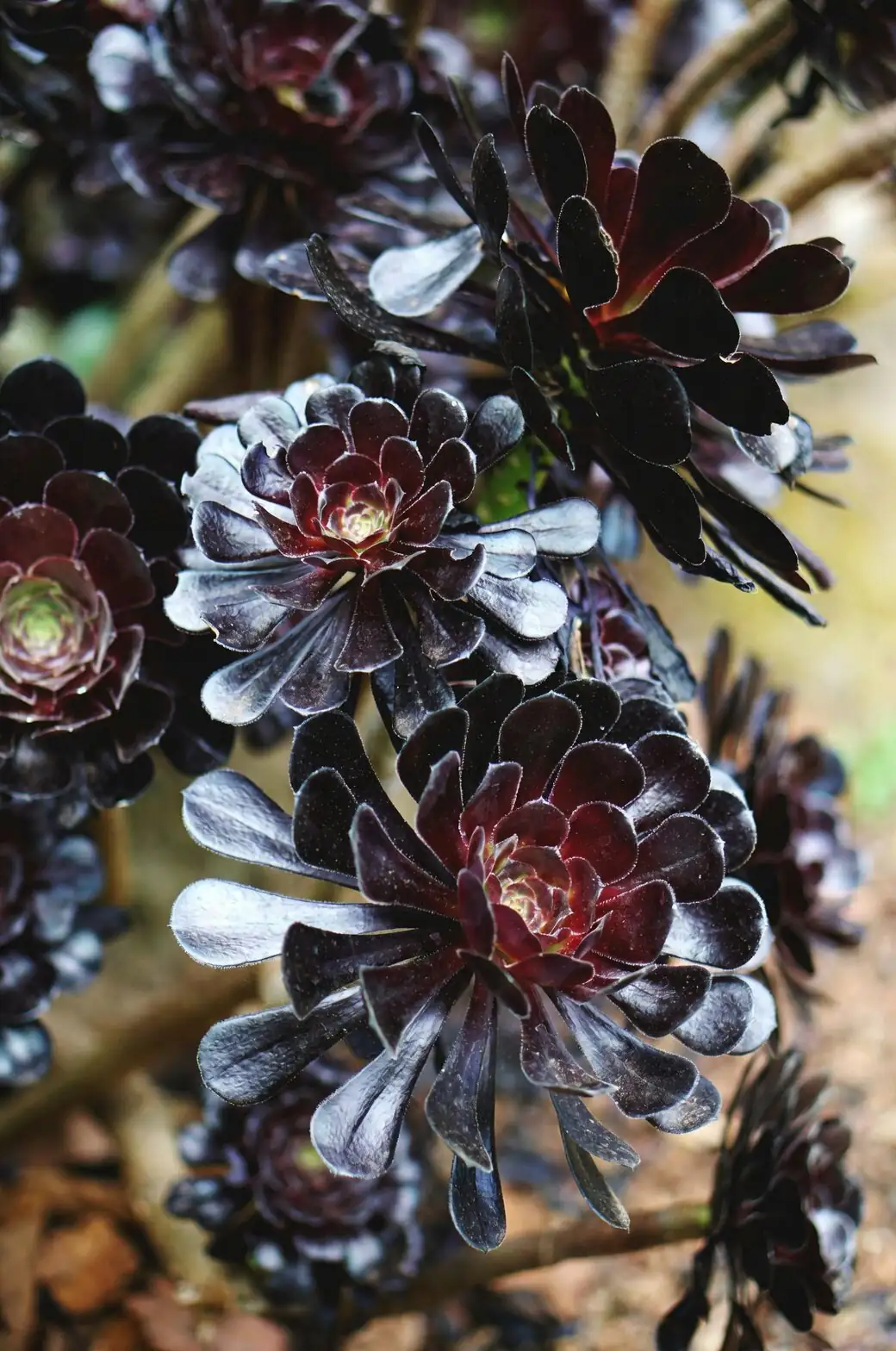
Think of Black Rose Aeonium as a living bouquet of near-black roses poised on woody stems—sleek, sculptural, and dramatic. When it’s happy, the rosettes glow glossy burgundy to almost black; when it’s not, it tells you fast. Use this rapid triage to diagnose color fade, soggy soil woes, cool‑wet stress, and mistimed feeding—and then hit the reset button with a confidence-boosting “chop‑and‑prop” to rejuvenate your plant almost overnight.
Aeonium arboreum ‘Zwartkop’ at a glance
- Origin and identity: A dark-leaved cultivar of Aeonium arboreum (species native to the Canary Islands), widely grown in cultivation.
- Habit: Upright, branching succulent with tight rosettes that can clump into a small “tree” over time.
- Rhythm: Grows strongest in the cool season (autumn through spring), then slows or semi-rests in hot summer.
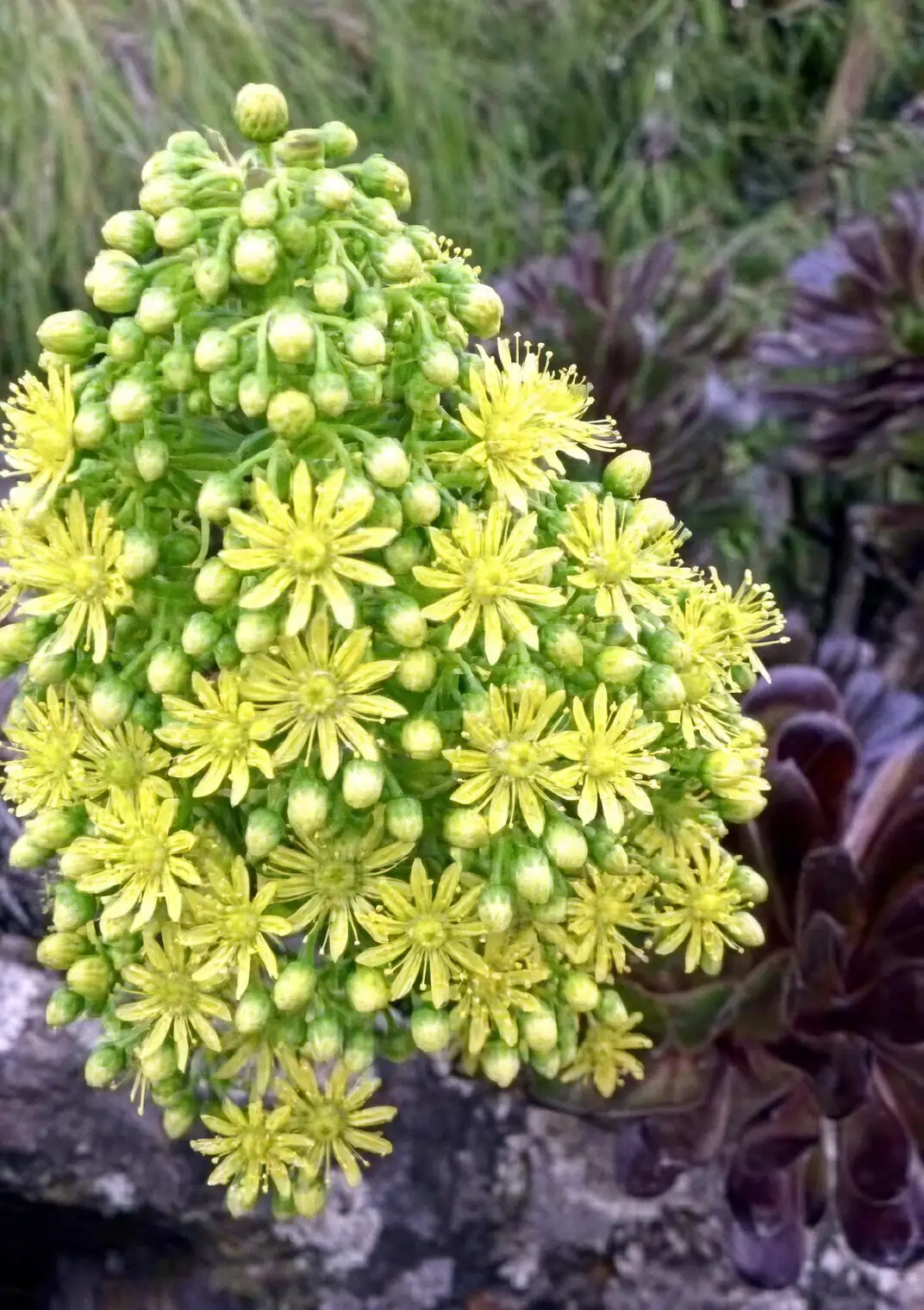
- Flowers: Mature rosettes may produce clusters of small, starry yellow flowers in spring; that rosette then declines while side rosettes carry on.
Fast triage: fix what fails first
Follow this quick diagnostic ladder. Stop when you find the culprit.
1) Light shortfall (fading color, leggy stems, loose rosettes)
- Symptoms
- Rosettes turn greener or ruddy instead of near-black.
- Stems elongate; rosettes open wide and look “loose.”
- New leaves are thinner, smaller, or pale.
- Quick test
- Is your plant getting less than “brightest window” conditions? Is there little or no direct sun?
- Immediate fix
- Move to the brightest window you have (south or east is great). Aim for abundant brightness with several hours of direct sun, especially morning sun. Indoors behind glass in summer heat, buffer harsh midday rays with sheer curtains or pull the pot back slightly.
- If upgrading light fast, acclimate over 10–14 days to avoid scorch.
- Under grow lights: 10–12 hours/day of high-output LEDs placed close (but not hot).
- Prevention pattern
- The darkest color appears in strong light and cooler seasons. Keep airflow good; high humidity plus low light = stretch and rot.
2) Soggy mix (mushy leaves, blackened stems, that “uh‑oh” smell)
- Symptoms
- Leaves develop soft, translucent patches or detach with a slight tug.
- Stem base darkens; pot feels heavy long after watering.
- Mix stays wet for days; no drainage hole; peat-only compost; roots look brown/black and slimy.
- Immediate fix
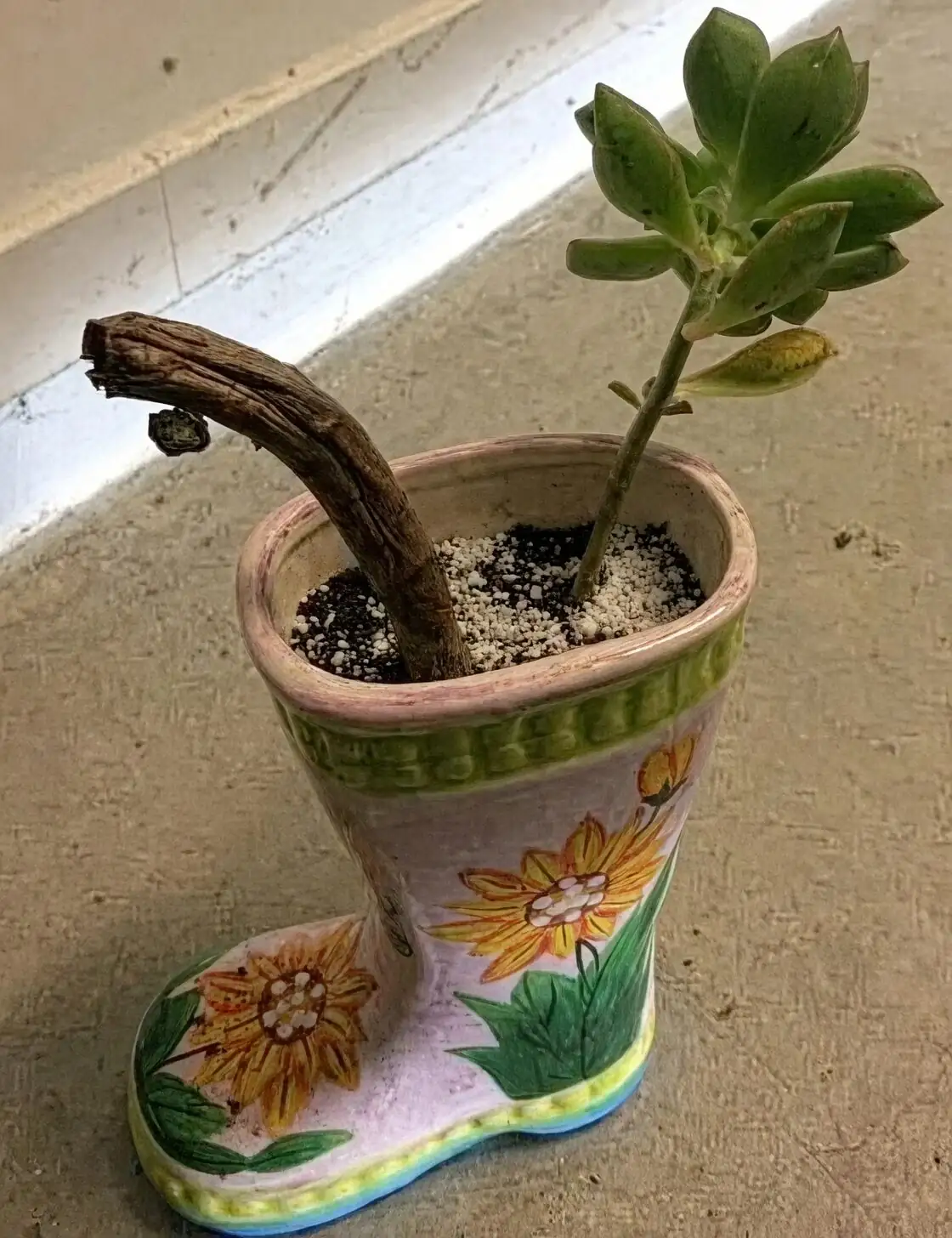
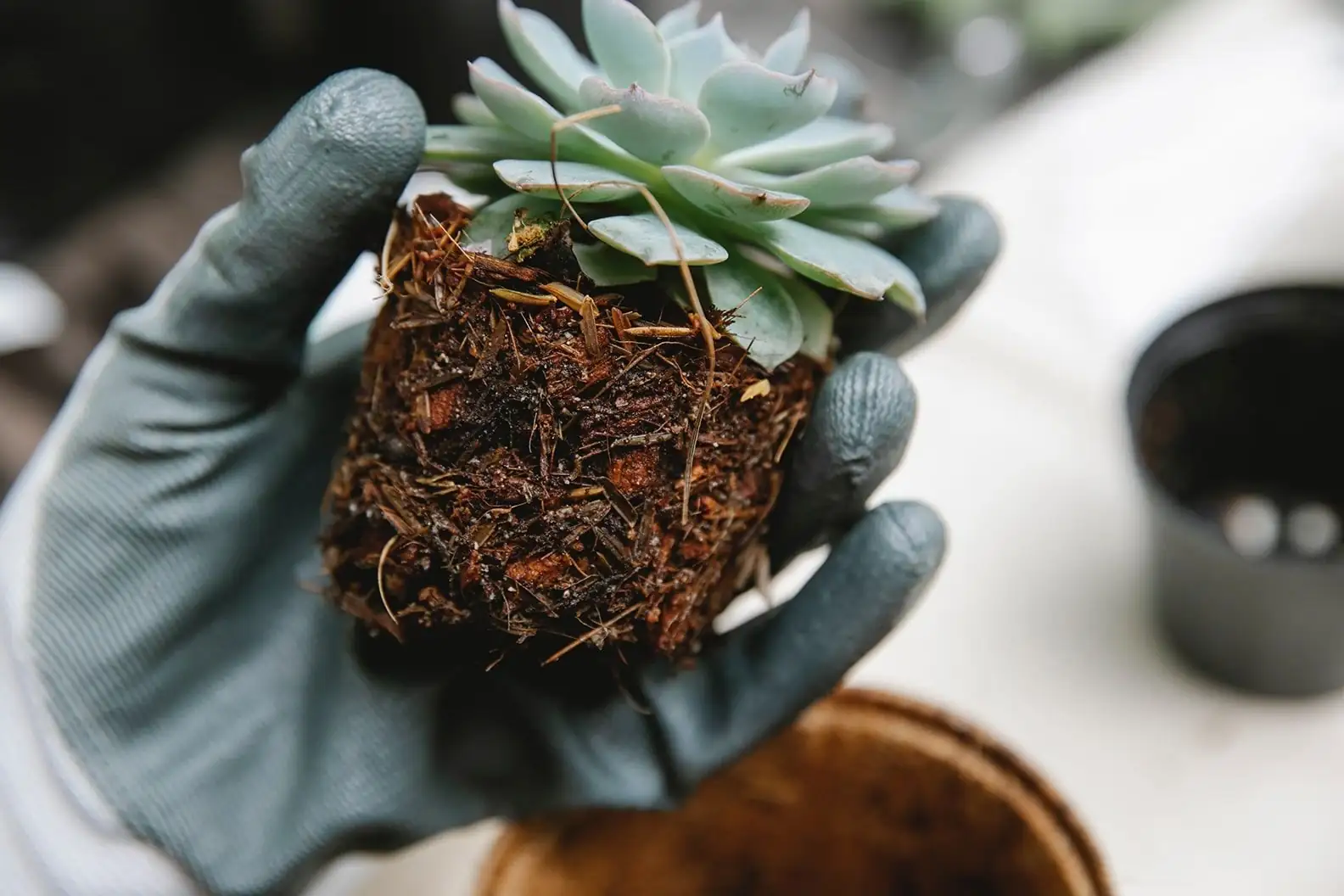
- Unpot, trim any brown/black mushy roots and stem back to healthy tissue.
- Repot into a fast‑draining succulent/cactus mix generously cut with mineral grit (pumice/perlite/grit/coarse sand). Terracotta helps evaporation.
- First watering: wait 5–7 days post‑repot to allow tiny wounds to dry; then water deeply and let excess drain—no standing water.
- Prevention pattern
- Let the top layer dry between waterings during the cool‑season growth window. In summer heat (semi‑dormancy), keep the mix almost dry and offer only small sips if rosettes wrinkle.
3) Cool‑wet stress (the silent plant killer)
- Symptoms
- After a chilly, damp spell, centers darken or collapse; lower leaves yellow and drop.
- Pot sat on a cold windowsill; nighttime temps dipped; watering didn’t change.
- Immediate fix
- Keep frost‑free; aim generally for 10–24°C (50–75°F), with strong growth near 20–25°C (68–77°F). Protect carefully as temps approach 0°C (32°F); a practical minimum is above ~6°C (43°F).
- Move off cold glass at night; improve airflow; keep foliage dry late in the day.
- Water much less in cool rooms—cool + wet is the fastest path to rot.
- Prevention pattern
- In winter or any cool setting, err dry. Bright light + drier mix + airflow = safety.
4) Nutrient timing (stretch vs. strength)
- Symptoms
- Overfeeding: soft, fast, pale, or stretched growth; salt crust on soil.
- Underfeeding (during peak growth): slow, small, lackluster foliage despite great light.
- Immediate fix
- Feed only in the main growth windows: autumn through spring (and especially spring and autumn). Use a balanced fertilizer at 1/2 strength or a low‑nitrogen succulent feed about monthly.
- Skip feeding during hot summer dormancy and go very light in cold mid‑winter if growth pauses.
- Prevention pattern
- Nutrients support good light—never compensate for low light with more fertilizer.
5) Need an instant glow‑up? Chop‑and‑prop
- When to do it
- Leggy, stretched plants; post‑flowering rosette decline; tired multi‑year specimens.
- Instant benefits
- You get a tidy mother trunk that will branch anew plus fresh, compact cuttings that root quickly for a fuller display.
The “chop‑and‑prop” rejuvenation playbook
- Step 1: Choose the cut
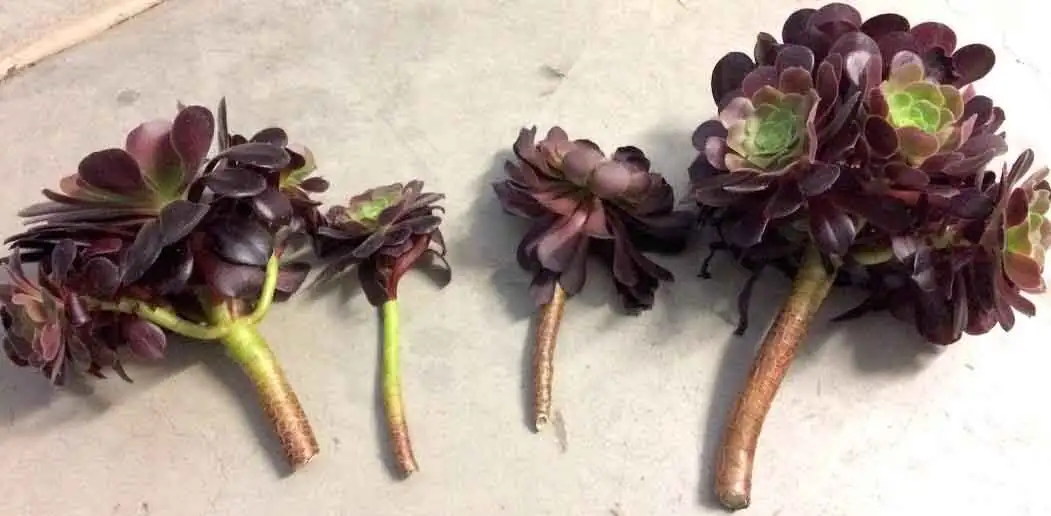
- Select healthy rosettes on leggy stems. Aim to leave 5–10 cm (2–4 in) of clean stem below the rosette.
- Step 2: Sterilize
- Use a razor‑sharp, clean blade; wipe with alcohol between cuts.
- Step 3: Make the cut
- Cut cleanly just below a node. Remove any tattered lower leaves on the cutting’s stem.
- Step 4: Callus
- Air‑dry cuttings on a tray in bright, indirect light for several days until the cut end is dry and matte (typically 3–7 days).
- Step 5: Pot into grit
- Use a dry, airy succulent mix with plenty of mineral content (pumice/perlite/grit). Insert the cutting so it stands stable; don’t bury the rosette.
- Step 6: Hold water, then ease in
- Don’t water yet. After roots form (often 3–4 weeks in warm, bright conditions), begin with a light drink. Then adopt the “water deeply, drain fully” rhythm—only when the surface dries.
- Step 7: Let the stump re‑sprout
- The beheaded base often pushes multiple new heads. Keep it bright and on the dry side for a couple of weeks after cutting to avoid rot.
Pro tip timing
- Best season: spring or early autumn for quick rooting and branching.
- Result: a compact, multi‑headed “tree” within a season, and spare cuttings to share.
Light, water, soil: your durable daily pattern
Light that keeps it dark
- Indoors: very bright window, ideally with several hours of direct sun. East windows give gentle morning rays; south windows are excellent with light filtering at midday in heatwaves.
- Outdoors (frost‑free seasons): full sun to bright light; protect from harsh midday scorch behind glass.
Watering by season
- Autumn–spring (main growth): water deeply, let excess drain, and water again when the top layer dries. Keep lightly moist but never soggy.
- Summer heat (semi‑dormancy): keep the mix almost dry. Offer small sips only if rosettes wrinkle.
- Winter in cool rooms: go sparing—cool + wet invites rot.
Soil and pots
- Use a fast‑draining succulent/cactus mix cut generously with mineral grit (pumice/perlite/grit/coarse sand). The goal: rapid drainage and airy roots.
- Terracotta and pots with drainage holes help; never let the pot sit in a saucer of water.
- Repot in spring every 2–3 years (or sooner if the mix compacts or stays wet). Size up modestly; refresh the mix for oxygen.
Temperature, airflow, humidity
- Happy range: about 10–24°C (50–75°F); strong growth around 20–25°C (68–77°F).
- Minimum: keep frost‑free and above ~6°C (43°F). Guard against near‑freezing conditions, especially when soil is wet.
- Airflow: good ventilation beats high humidity. High humidity + low light boosts rot risk.
Placement
- Brightest indoor windowsill or sunroom; strong grow lights also work.
- Balconies with morning sun or filtered south light are ideal in warm seasons.
- Avoid closed terrariums—this aeonium prefers brighter light and stronger airflow than sealed containers can provide.
Size, shaping, and flowering
- Size
- As a young rosette in a small pot: often 10 cm (4 in) tall/wide.
- With age, pruning, and container size: up to about 60 × 60 cm (24 × 24 in) as a branching specimen.
- Shaping
- Remove shriveled lower leaves as they age.
- Post‑flowering, the blooming rosette typically declines; once dry, remove it to tidy the plant.
- For compact silhouettes, cut back leggy stems—“chop‑and‑prop” every 2–3 years is common.
- Flowers
- Early to late spring clusters of small, star‑shaped yellow blooms on mature rosettes. The flowering rosette is monocarpic (declines after), but side rosettes carry on.
Seasonal quick-plan (repeat this rhythm)
- Autumn–spring
- Bright light to sun; water when the surface dries; feed monthly at half strength.
- Early spring
- Watch for bloom stalks; remove the spent rosette after it dries.
- Spring (as needed)
- Repot, clean basal leaves, prune to shape, start chop‑and‑prop.
- Summer
- Shield from harsh midday heat behind glass; keep nearly dry; no fertilizer.
Pests, diseases, and the red flags to catch early
- Usual suspects
- Mealybugs (cottony clusters in leaf axils), aphids on flower stalks, whiteflies, and scale.
- Response
- Treat early with insecticidal soap or horticultural oil; repeat weekly until clear. Improve airflow, isolate infested plants, and wipe residues.
- Biggest risk: rot
- Overwatering, poor drainage, or cool‑wet conditions lead to root/stem rot. If centers blacken or stems feel soft, unpot, trim back to healthy tissue, repot into airy mix, and reset watering.
Safety note
- Not considered highly toxic, but sap can irritate sensitive skin. Keep away from pets/children; wash hands after pruning if you’re sensitive.
Symbolism (flower language), with a reality check
While not rooted in ancient lore, Black Rose Aeonium has become a modern design icon—its near‑black rosettes signal resilience, bold elegance, and drama that endures even in lean, sunny, low‑humidity conditions. If you see it used in bouquets or container “sculptures,” the message is clear: strength under bright scrutiny, and beauty that doesn’t beg for pampering.
Quick reference: what great health looks like
- Color: deep burgundy‑purple to near‑black in strong light (often darker in cooler seasons), with firm, glossy leaves.
- Texture: no mushy patches; no blackened centers; leaves hold tight, symmetrical rosettes.
- Growth rhythm: steady from autumn through spring; slows in hot summer—don’t fight the pause, lean into it.
Optional advanced note: water culture
- Possible but riskier than soil. If you experiment, keep only part of the roots in water (some above the waterline). Use nutrients during spring/autumn growth, and plain water through summer and winter. Watch closely for rot.
Bottom line
If color fades, add light. If stems droop and leaves go mushy, fix the mix. If nights are cool, keep soil drier. Feed only when growth is actually happening. And when in doubt—or when you just want an instant makeover—chop and prop. Your Black Rose will repay the reset with a flush of new heads and that moody, architectural glamour it’s famous for.