

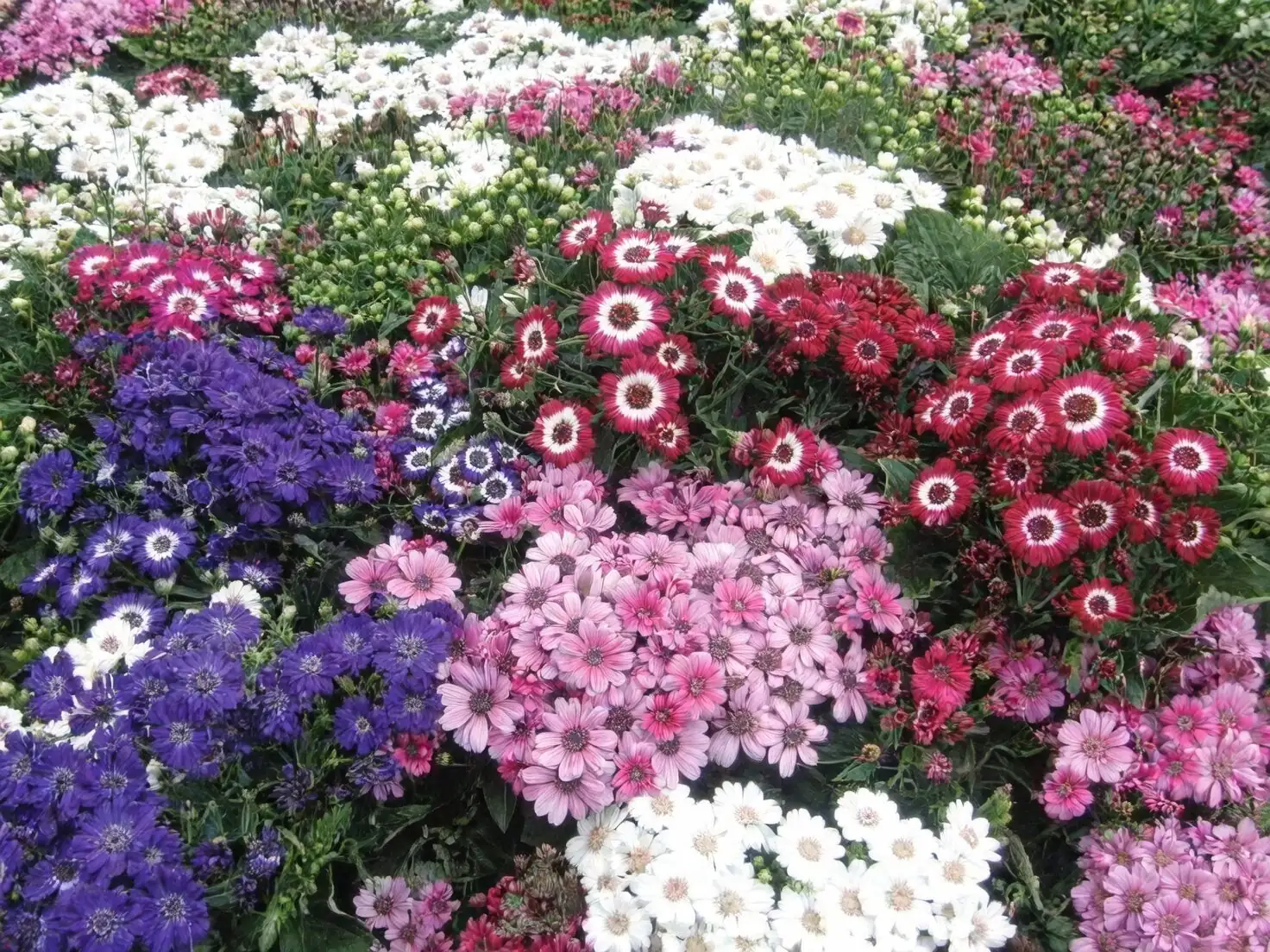
Florist’s cineraria (Pericallis × hybrida)—that brilliant, domed bouquet of purples, pinks, and rare true blues—can look showroom-perfect for weeks, or go floppy and faded in days. The difference? Four culprits nearly always decide the outcome: heat, low light, watering swings, and poor airflow. Use the quick flow below to spot what’s off and make fast, gentle tweaks that bring back compact growth and saturated color.
The 60‑Second Diagnostic Flow
Work through these in order. One “yes” often explains everything you’re seeing.
1) Temperature check
- Ask: Is the room consistently above 20°C (68°F), or is the plant near a heater/radiator?
- If yes → Diagnosis: Heat stress. Expect lanky stems, thinner leaves, loose flower canopy, short bloom life.
2) Light check
- Hand-shadow test at plant level for late morning: Do you see a crisp, well-defined shadow for several hours? If not, light is too low.
- If no → Diagnosis: Low light. Expect pale foliage, stretched stems leaning to the window, fewer/smaller blooms.
3) Moisture rhythm check
- Feel the top 1–2 cm (about 1/2–3/4 in): Is it swinging from soggy to bone-dry between waterings, or is the pot heavy/wet for days?
- If yes → Diagnosis: Watering swings (or poor drainage). Expect sudden wilting, yellowing lower leaves, fungus gnats, or root rot risk.
4) Airflow and humidity check
- Look for gray fuzz on old petals, powdery dusting on leaves, or a musty smell. Are blooms frequently wet or the plant crammed among other pots?
- If yes → Diagnosis: Stagnant air and damp flowers. Expect gray mold (Botrytis) or powdery mildew, and a messy, short-lived display.
Now jump to the matching fix set below.
Fast Fixes That Restore Compact Growth and Color
If it’s HEAT: tighten the plant’s silhouette by cooling it down
What you’ll notice
- Stems “reach” and un-domed flower clusters loosen.
- Leaves thin out and color loses intensity.
- Bloom period crashes early.
Immediate tweaks
- Move to your coolest bright spot: 10–15°C (50–59°F) is the sweet spot; keep it under 20°C (68°F).
- Park it right at a very bright east or south window, but shield harsh midday sun to prevent scorch.
- Keep it away from radiators, heater vents, and hot drafts. A cracked window for fresh, cool air works wonders (protect from frost).
- On mild days, a sheltered balcony/patio with morning sun and afternoon shade is ideal in cool weather.
Pro tip
- Feed lightly only; excess nitrogen in warm rooms makes softer, weaker growth.

If it’s LOW LIGHT: densify growth by boosting brightness (without cooking it)
What you’ll notice
- Paler leaves, longer petioles, and a plant leaning toward the window.
- Buds form sparsely; flower dome looks loose.
Immediate tweaks
- Upgrade the seat: the brightest window you have (east or south) wins. Keep buds in the sunniest bright spot available.
- Filter or pull back at midday if leaves risk scorch; morning sun is golden, midday blaze is not.
- Rotate the pot a quarter turn every few days for even mounding.
- Clean the glass and declutter the sill—every lumen counts.
- If windows are dim, add a small LED grow bulb positioned 20–30 cm (8–12 in) above the canopy to extend bright hours.
If it’s WATERING SWINGS: aim for “evenly moist, never swampy”
What you’ll notice
- Quick wilting after a missed watering; or yellowing, soft growth and gnats if the mix stays wet.
- Brown edges can come from both extremes.
Immediate tweaks
- Water when the surface just begins to dry. Then drench thoroughly and empty the saucer—do not let roots sit in water.
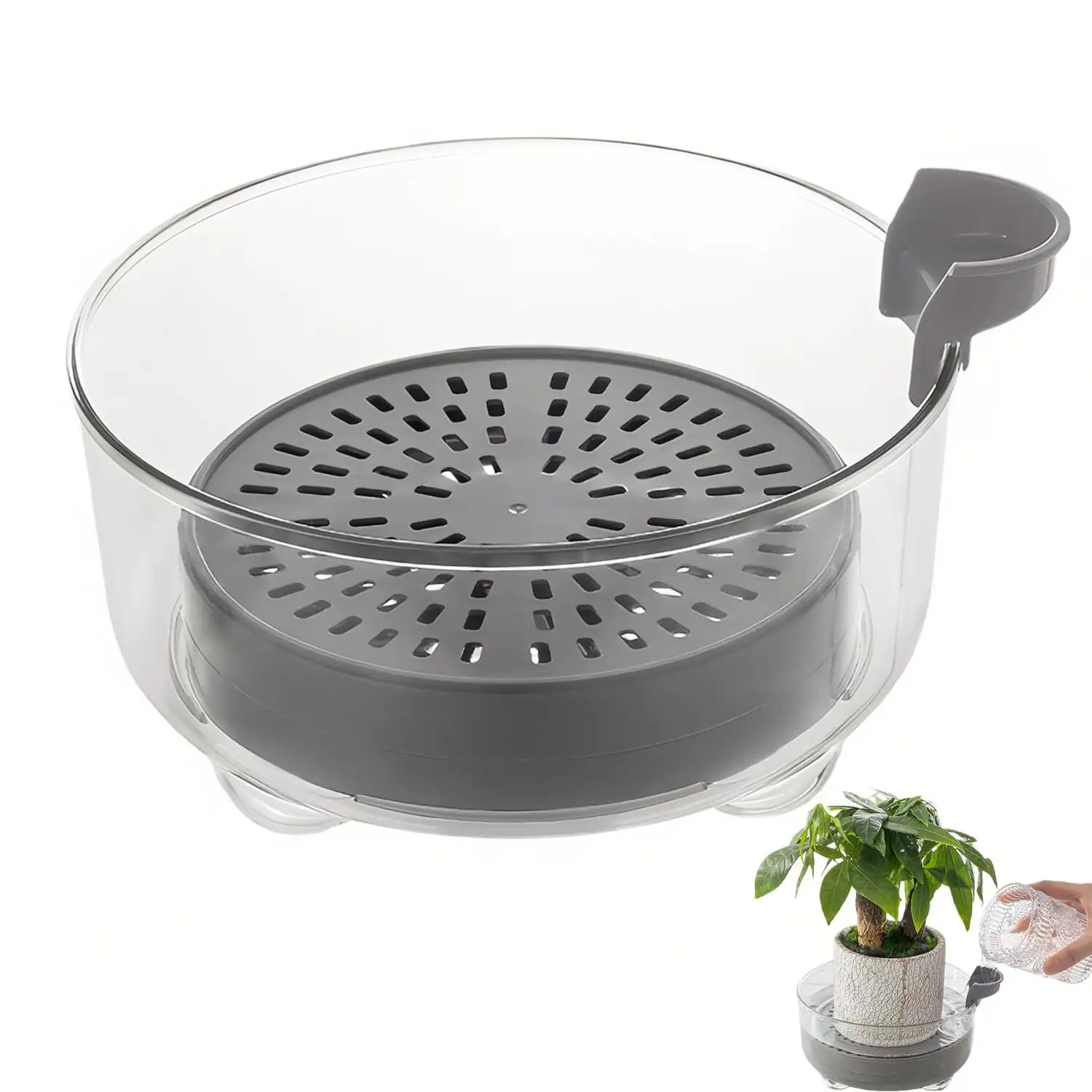
- Avoid wetting flowers and late-day splashing; bottom-water by standing the pot in a shallow tray, then drain.
- Check the pot: ensure a drainage hole and avoid oversized containers that stay wet too long.
- Improve aeration: repot only if rootbound, but you can top-dress or mix in perlite/sand next time to keep the medium loose.
- In warm, bright spells, expect to water roughly twice per week; cooler rooms slow it down.
If it’s POOR AIRFLOW (and damp blooms): keep the show clean and crisp
What you’ll notice
- Gray mold on old petals, mushy flower parts, or powdery patches on leaves.
- The display deteriorates fast even if watering seems right.
Immediate tweaks
- Thin the crowd: give the plant breathing room and avoid tucking it behind curtains.
- Run gentle airflow (a small fan on low across the room) and crack a window in cool weather.
- Deadhead promptly—remove spent blooms and any affected parts.
- Water at soil level in the morning and avoid wetting the flowers.
- If disease appears, remove affected tissue, improve ventilation, and consider a suitable fungicide if needed.

The Compact-and-Colorful Setup (Cheat Sheet)
- Light: Very bright light is essential. Indoors, an east or south window is ideal; outdoors in cool weather, give morning sun, afternoon shade. Avoid harsh midday sun.
- Temperature: Cool is king—5–21°C (41–70°F), with best performance at 10–15°C (50–59°F). Avoid sustained days above 20°C (68°F). Protect from frost.
- Water: Keep evenly moist, never waterlogged. Let the surface dry slightly between waterings. Always empty saucers.
- Air: Moderate humidity plus fresh air. Don’t mist the blooms; stagnant, damp conditions invite mold.
- Soil and pot: Fertile, loose, well-draining potting mix (all‑purpose mix improved with compost/leaf mold plus perlite/sand). Use a pot with drainage holes; avoid oversizing.
- Feeding: Light but regular. Every 2 weeks with a diluted balanced liquid feed during growth and bloom; optionally give 1–2 bloom‑formula feeds when buds appear. Avoid excess nitrogen. Stop feeding as flowering finishes.
- Grooming: Deadhead to stay tidy. After the first flush, cutting stems back to 10–15 cm (4–6 in) may trigger a smaller second round if conditions remain cool and bright.
- Placement: A cool, bright room away from heaters, or a sheltered balcony/patio during cool weather. If you display it away from the window, rotate and return it to bright light frequently.
Symptom-to-Solution Quick Match
- Leggy, thin leaves, loose flower canopy → Too warm and/or too dim. Cool it to 10–15°C and upgrade to very bright light with gentle morning sun.
- Pale foliage, leaning toward window → Low light. Move to the brightest window; rotate; consider a supplemental light.
- Wilts fast, then perks up → Underwatering swings. Water when the surface dries slightly; soak and drain thoroughly.
- Yellowing lower leaves, heavy pot, gnats → Overwatering/poor drainage. Lighten the mix, ensure drainage, let the surface dry a touch between waterings.
- Gray fuzz on petals, powdery leaves → Poor airflow and wet blooms. Space out, add airflow, water at soil level, deadhead.
Choose a Winner from the Start
- Look for an evenly domed, compact plant with plentiful, thick leaves.
- Best stage: about one-quarter to one-third of flowers open with plenty of tight buds.
- Skip plants with blemishes, any sign of mildew or gray mold, or sticky clusters of aphids.
- Avoid pots that feel heavy and waterlogged, or plants shedding lots of pollen (often past peak).
Pests and Health Notes
- Watch for aphids in spring; whitefly and spider mites can appear in warm, dry rooms. Treat early and improve airflow.
- Root rot is a major risk in soggy media—free-draining mix and disciplined watering prevent it.
- Safety: Guidance on toxicity varies by reference. As a precaution, keep it away from pets and small children; avoid ingestion and wash hands after handling.
Can It Rebloom?
Sometimes. After the main flush, cut stems back to 10–15 cm (4–6 in) and keep it very bright, cool, and evenly moist. You may get a smaller encore. Many people still treat it as a seasonal star and replace it for next year’s show.
A Note on Origin and Why Care Matters
Pericallis × hybrida is a garden hybrid derived mainly from Canary Islands species. That maritime lineage explains its preferences: cool, bright, breezy days; porous, well-aerated soils; and even moisture. Recreate those cues indoors, and you’ll keep the plant compact, the blues vivid, and the flower dome tight.
Flower Language, Thoughtfully Considered
Florist’s cineraria is often linked with lasting joy and steady cheer—fitting for a plant that lights up late winter windowsills. While “flower language” traditions are a blend of Victorian sentiment and modern marketing, the symbolism rings true here: under cool, bright care, this plant delivers a sustained, uplifting display just when we need it most.
Quick Seasonal Notes (for the keen grower)
- From seed: Usually sown indoors in late summer to autumn (surface-sow; do not cover). Germination in about 1–2 weeks at 21–24°C (70–75°F). Flowering commonly 3–5 months from sowing.
- Named hybrids may not come true from seed, so many gardeners simply buy a fresh, compact plant each season.
With this fast diagnostic flow and a few targeted tweaks—cooler air, brighter light, steadier moisture, and fresher airflow—you’ll trade sprawl and dullness for the tight, mounded, color‑popping cineraria you brought home for in the first place.