

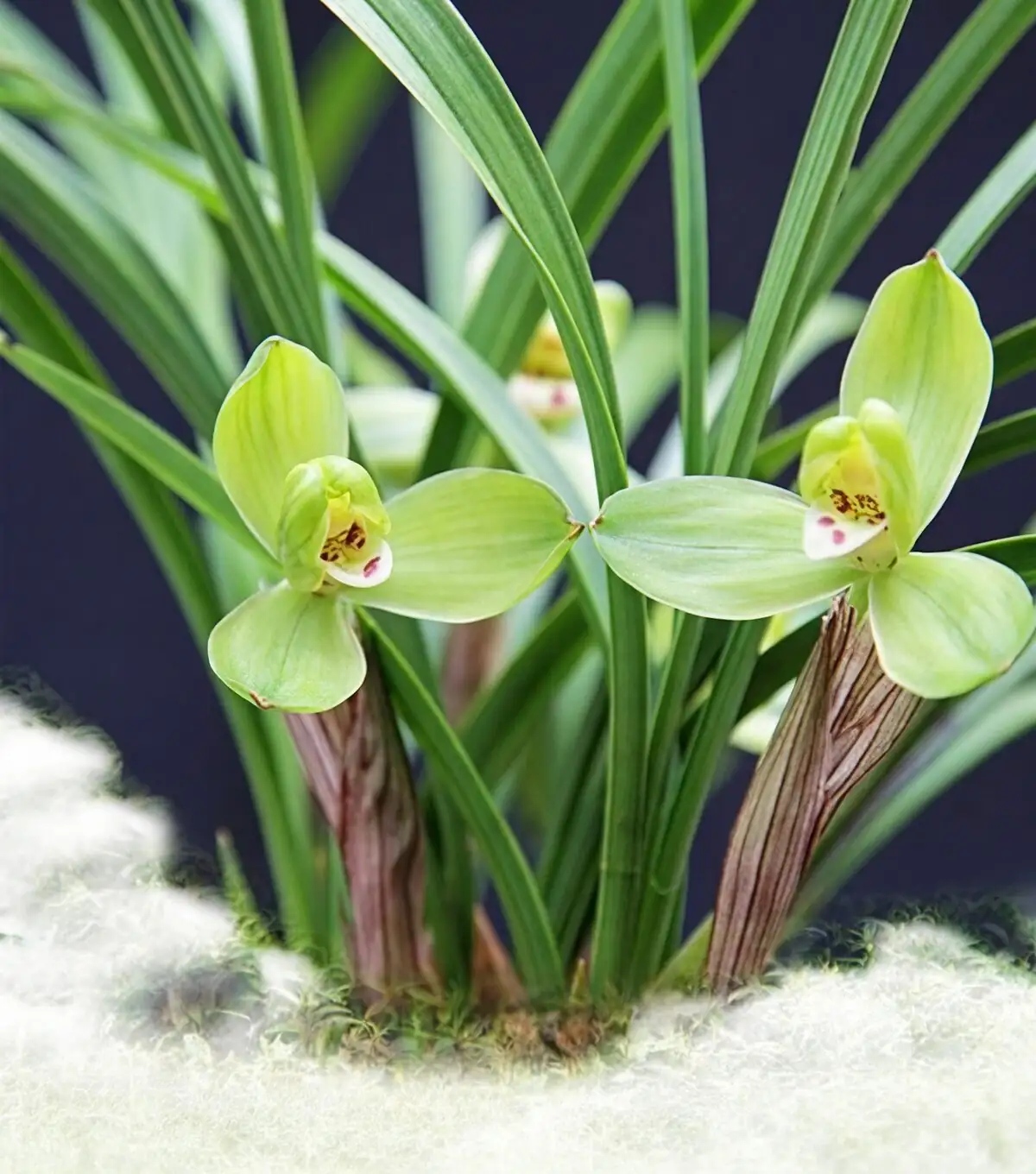
Cymbidium goeringii has a reputation for quiet elegance: neat, grassy leaves, winter-to-spring stars of waxy bloom, and a fragrance that can stop you in your tracks. It also has a reputation for sulking when airflow, moisture, and light fall out of balance. The good news? Most problems show early warnings, and with timely fixes—especially better ventilation, smart watering, and a clean repot—you can steer a declining plant into a strong rebound.
Below is your practical, season-aware troubleshooting guide.
Fast diagnosis: what’s normal—and what’s trouble
- Normal for Chinese Cymbidium
- Tidy, clump-forming growth 20–40 cm tall, slowly widening each year
- Winter–spring bloom cycle; new growths develop after flowering
- Slight leaf-tip bronzing in brighter winter light or a little tip-dryness from low winter humidity
- Early warning signs to act on
- Leaves losing their satin green and turning dull or blotchy; tiny translucent or brown specks that expand (leaf spot risk)
- Pseudobulbs wrinkling even when you’re watering (root trouble or stale, airless mix)
- “Sour” or swampy smell from the pot; white fungal growth or algae on the medium surface
- New shoots stall, yellow at the base, or collapse (soft rot risk)
- Roots look tea-brown and mushy instead of firm, silvery-white to green
- In hot, still weather, leaves feel limp by afternoon even though the mix is wet (airflow problem more than water)
Know the comfort zone: bright shade (roughly 60–80% shade in summer), moving air, and cool-to-moderate temperatures around 15–25°C. It dislikes harsh midday sun, bone-dry air, and soggy media. Growth slows above 35°C; flower initiation is encouraged near 12–13°C.
Airflow: the quiet cure that prevents most crises
Great growers treat air like a second root system. Moving, clean air keeps leaves dry between waterings, discourages leaf spot and soft rot, and lets you run healthier humidity.
Quick airflow wins (outdoors, balcony, or shade house)
- Space plants so leaves don’t touch; aim for a 5–10 cm gap between pots.
- Use slatted benches or bricks to lift pots; never park them on solid, wet surfaces.
- Shield from heavy rain and harsh midday sun with 60–80% shade cloth; diffuse light encourages sturdy growth without scorch.
- Create a cross-breeze: open two sides of a balcony/porch or use a small, quiet fan angled past—not at—the plant.
Indoors in winter
- Place near a bright window with softened light; typical windowsills are often too bright and too dry unless you add humidity and airflow.
- Run a gentle oscillating fan on low, 12–16 hours/day. Aim for leaf flutter, not wind.
- Maintain humidity around 60–70%, but never in stagnant air. Use a pebble tray where the pot sits on the pebbles above water, not in water.
Humidity sweet spot
- Baseline 50–60% is workable; 80–90% during active growth is fine only with strong airflow.
- On muggy, windless days, lower humidity and increase fan time—this plant prefers moving, moderately moist air over sealed “sauna” conditions.
Watering and mix: rescuing a plant from a sour pot
This species is sensitive to waterlogging. Your goal: an airy, fast-draining mix that holds a touch of moisture but never stays soggy.
- Good mixes: combinations of composted bark/wood chips, moss, coconut coir, leaf mold, peat, charcoal, pumice, brick chips, and vermiculite. Some growers succeed with mostly moss—but only with excellent ventilation and meticulous watering.
- Seasonal rhythm:
- Summer: water more often, but protect from heavy rain and don’t allow standing water.
- Autumn: water in the morning; nights get cooler and leaf-spot risk rises.
- Winter: water less; choose sunny midday on bright days so foliage dries before dusk.
Pro tip: Use clean water at room temperature. If using tap water, let it stand so chlorine dissipates. Never let water pool in the plant’s crown.
Signs your mix is suffocating the roots
- Sour smell; green algae and/or white fungal film on the surface
- Water takes ages to drain; the pot stays heavy long after watering
- Leaves fade while pseudobulbs shrivel, despite frequent watering
Emergency “stabilize” steps (when you can’t repot today)
- Move to bright shade with stronger airflow.
- Water early in the day; don’t splash dirty runoff onto leaves.
- Tilt the pot after watering to drain pockets; wick out excess moisture with a folded paper towel at the rim.
- Skip fertilizer until the plant improves.
The repot-and-trim that turns decline into recovery
Plan to repot every 2–3 years. Best timing: before new roots elongate—commonly March or around September. Let the mix dry slightly beforehand to reduce breakage.
Step-by-step
- Prepare
- Clean shears/knife and bench; sterilize tools between cuts (70% alcohol or flame).
- Have fresh, airy mix ready and a deep, well-drained pot with coarse drainage material at the base (shards/brick chips).
- Unpot and clean
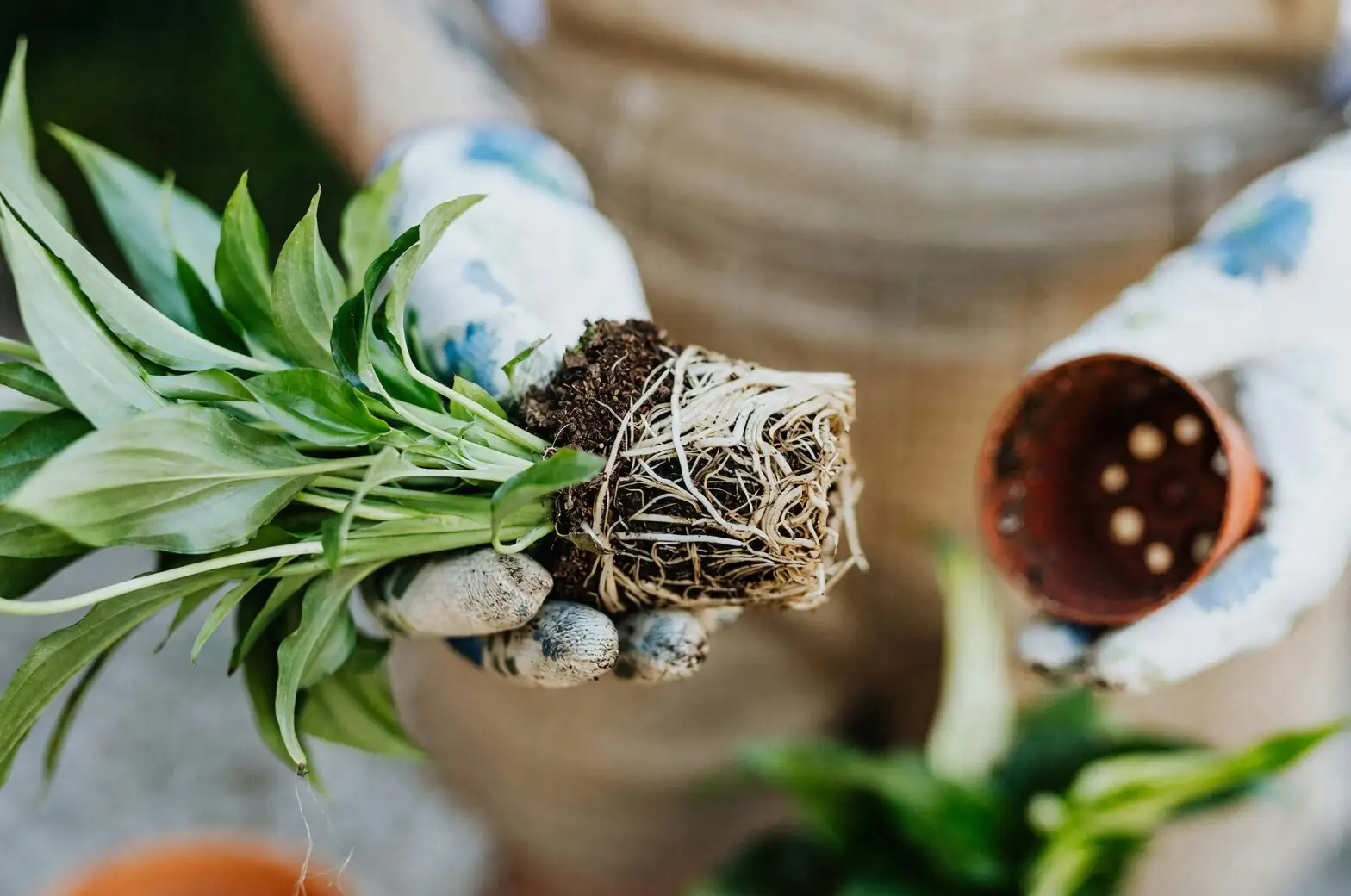
- Gently loosen the plant; remove all old medium.
- Rinse roots to see what you’re working with.
- Trim strategically
- Cut away dead, mushy, or hollow roots and any rotted tissue.
- Remove yellowed or diseased leaves.
- If the plant is weak, reduce excess flower buds to redirect energy.
- For divisions, keep modest clumps—often 2–3 growths per piece. Make clean cuts and dust wounds with elemental sulfur. Let cuts air-dry briefly.
- Replant
- Spread roots naturally; don’t cram them.
- Backfill with airy mix, firming gently so the plant is stable but not buried. Leave about 2 cm headspace.
- Many growers pot 3–5 shoots together for a fuller clump.
- Water-in and aftercare
- Water thoroughly to settle the mix, then place in bright shade with strong airflow.
- Hold fertilizer for 1–2 weeks; resume very dilute feeding during active growth.
- Keep the crown dry and avoid wet, chilly nights.
Spot it early: common problems and exact fixes
Leaf spot (fungal complex)
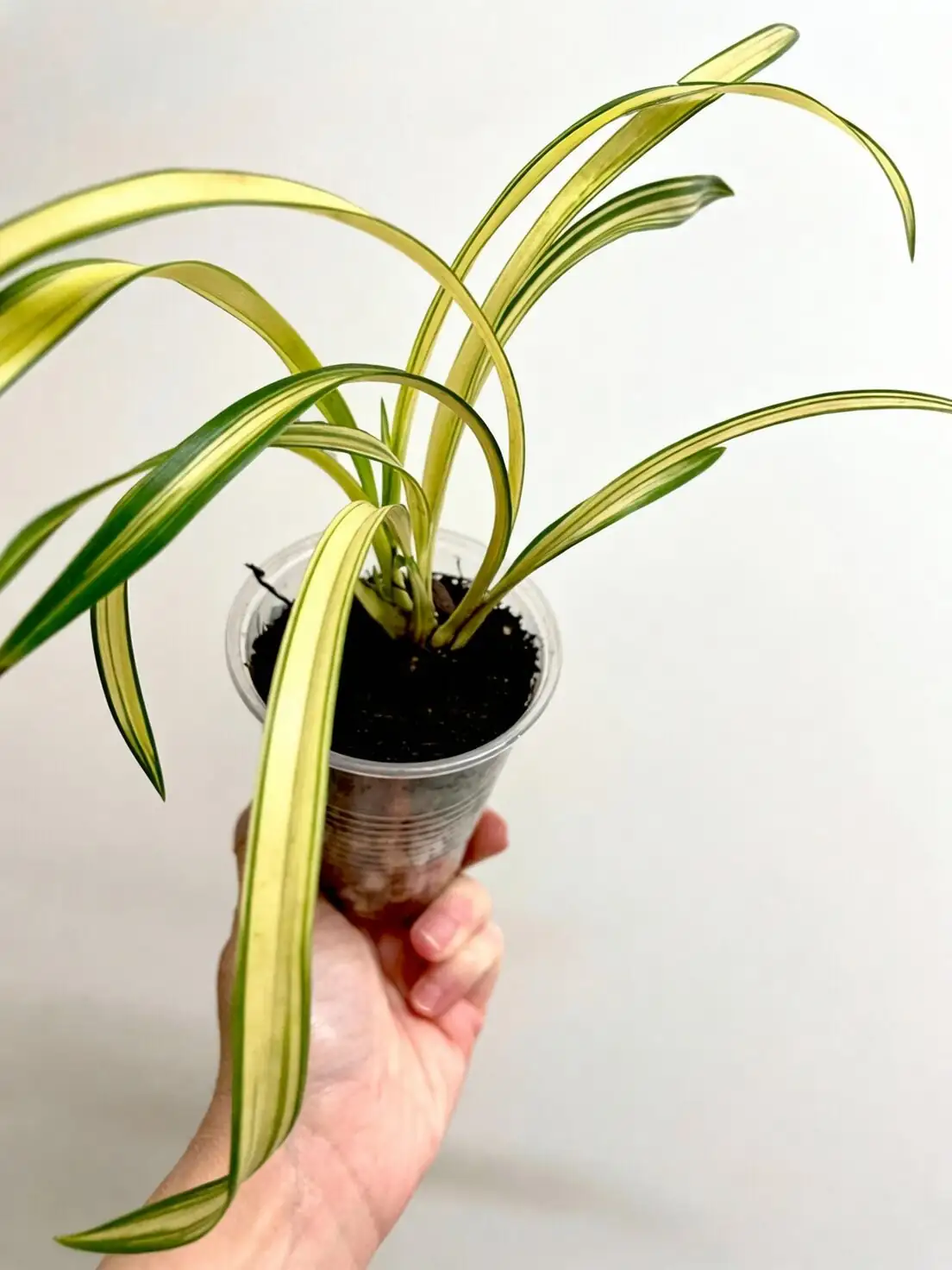
- Early signs: tiny translucent dots or olive-brown specks, especially on crowded leaves after damp, still nights; spots may expand with a yellow halo.
- Immediate actions:
- Improve airflow and morning light; avoid evening wetting.
- Remove badly spotted leaves; bag and bin, don’t compost.
- Sanitize tools between cuts.
- When to consider a fungicide:
- If new spots appear despite cultural fixes, choose a product labeled for ornamental orchids and follow the label. Test on a small area first; avoid spraying open blooms and avoid heat/sun until dry.
Soft rot/basal rot (often bacterial)
- Early signs: water-soaked, mushy patches at leaf bases or new shoots; sudden collapse; a foul smell.
- Immediate actions:
- Isolate the plant; cut away all affected tissue into healthy green/white.
- Flush the area with clean water; dab cuts dry; dust with sulfur.
- Increase airflow; keep the plant drier and warmer during the day, cooler and drier at night.
- When to consider a bactericide or disinfectant:
- If spread continues, use an orchid-appropriate product per label. Some growers spot-treat small areas with 3% hydrogen peroxide, but avoid soaking roots and monitor for sensitivity.
Root rot (airless, stale medium; fungi and water molds)
- Early signs: roots turn brown and mushy; plant shrinks, pseudobulbs wrinkle; potting mix compacts and stays wet.
- Immediate actions:
- Repot-and-trim as above, replacing the medium completely.
- Strengthen airflow; water mornings only; keep fertilizer very dilute until new roots form.
- When to consider a fungicide drench:
- If rot was extensive or recurs, a labeled orchid-safe drench can help. Products targeting water molds (phosphite/phosphorous acid) are commonly used for Pythium/Phytophthora; follow label directions and local regulations.
White growth on the medium surface
- Usually saprophytic fungi thriving in persistently damp, still air.
- Fix: Increase airflow, water earlier in the day, and let the top layer dry slightly between waterings. If the plant is vigorous and roots are fine, skip chemicals; if combined with decline, repot and refresh the mix.
When to use orchid-safe fungicides: a simple decision map
- Use cultural controls first and always: airflow, spacing, dry nights, clean water, and careful timing of irrigation.
- Reach for a fungicide/bactericide when:
- You see active spread over several days despite cultural corrections.
- Weather will remain hot, humid, and still for an extended period.
- The plant has a history of the same disease each season.
Guidelines for safer use
- Choose products specifically labeled for ornamental orchids or for the disease you’ve identified; follow local regulations and all label directions.
- Test-spray a small section and wait 48 hours to check for phytotoxicity.
- Apply in the early morning; keep out of harsh light until dry.
- Ensure strong airflow during drying; never close plants in a sealed space after spraying.
- Avoid copper on tender new growth or blooms unless specifically labeled safe for orchids.
- Disinfect benches, pots, and tools separately (e.g., 10% bleach for pots, alcohol/flame for blades). Do not rely on plant fungicides as tool disinfectants.
Seasonal troubleshooting checklist
- Summer (60–80% shade)
- Heat + still air = leaf spot and root stress. Boost airflow; water more often but never let the pot stay wet. Shield from heavy rain.
- Autumn
- Leaf-spot season in many regions. Water mornings; avoid rain-soaking. Increase light within bright shade.
- Winter
- Brighter placement indoors, gentler sun is fine. Water less; target sunny midday so leaves dry before evening. Aim for 60–70% humidity with airflow.
- Repot/divide
- Every 2–3 years, ideally March or around September, just before new roots run.
Feeding and small tweaks that speed recovery
- Fertilizer: very dilute, every 2–3 weeks during active growth; pause in winter and around flowering. Keep feed out of the plant’s center.
- Water quality: let tap water rest to dissipate chlorine; use room-temperature water.
- Light tuning: filtered, bright shade. Too dark = lanky, weak growth; too bright = bleached, crispy tips.
Quick answers to common “why is it shrinking?” moments
- Roots are breathless: mix too fine or compacted; repot into something airier.
- Air is stagnant: add a fan and space pots; this species loves moving, gentle air.
- Windowsill is too dry/bright: soften light, add humidity to 60–70% in winter, and keep air moving.
- Water swings: avoid “parched then flooded.” Aim for even moisture with fast drainage.
Why this plant is worth the fuss: meaning and fragrance
In classical East Asian literature, this spring orchid stands for refined character—beauty that doesn’t shout, integrity that reveals itself in close company. Its fragrance is famously sweet yet restrained, a metaphor for virtue appreciated up close rather than ostentation. Modern “flower language” often boils this down to purity and elegance, which fits—but the deeper meaning is about poise under moderation: balanced light, steady breath of air, and measured water. Give it that, and it will return the favor with one of the finest scents in the plant world.
Keep your eyes on the early signs, let the air do half the work, repot cleanly when the mix goes sour, and save the fungicide for when you truly need it. That’s the path from decline to a clump that carries winter’s most memorable perfume.