

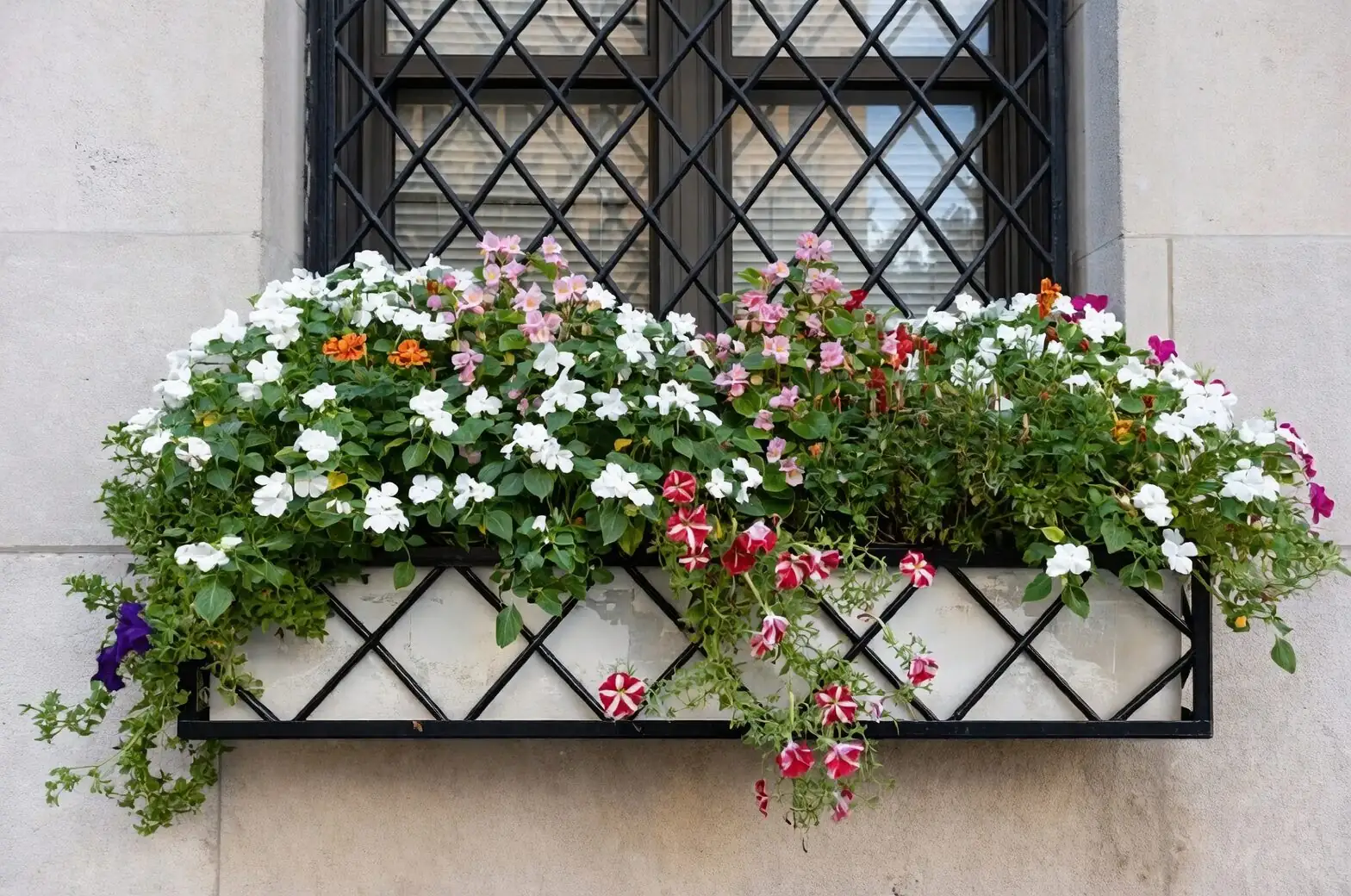
Meet Busy Lizzie (Impatiens walleriana): a nonstop bloomer with glossy leaves, juicy stems, and a flair for telling you exactly how it feels. When conditions slip, it sends quick “SOS” signals—yellowing, stretching, flower/bud drop, and crispy tips. Use this fast, symptom-first guide to decode what’s wrong and fix it before the display fizzles.
What this plant wants by default
- Light: Bright, filtered light or morning sun with protection from harsh midday/afternoon rays (40–50% shade outside in very bright spots). Avoid deep, dim corners.
- Temperature: Sweet spot is 17–20°C (63–68°F). Keep above 10°C (50°F) in winter; big heat over 30°C (86°F) often triggers bud/flower drop.
- Moisture: Evenly moist, never swampy—think “wrung sponge,” not a bog. Water at soil level; keep blooms dry to prevent spots and gray mold.
- Humidity and airflow: Likes 50%+ humidity plus good air movement. Stagnant, damp air + wet foliage = fungal trouble.
- Soil: Rich but free-draining (peat/coco or leaf mold + a little loam + coarse sand/perlite).
The fast diagnosis playbook
Yellowing leaves (sometimes dropping)
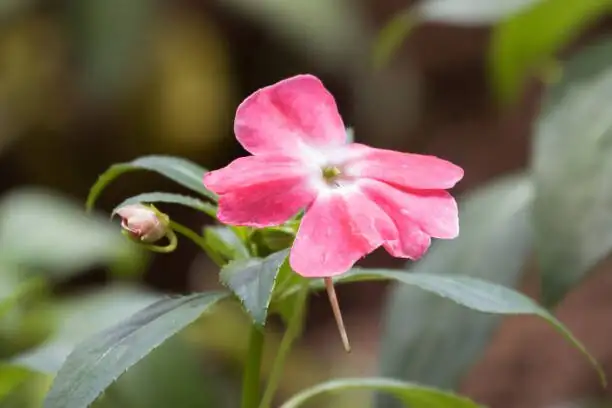
Most likely causes and the instant checks
- Cold draft or chill: Did temps dip below 12°C (54°F) after you brought it home, or is it near a wintery window? Remedy: Move to a warmer, draft-free spot; aim for 17–20°C (63–68°F).
- Heat spike: Was there a hot, sunny afternoon or heatwave? Remedy: Shift into bright filtered light; provide 40–50% shade outdoors and keep soil evenly moist.
- Drought swings: Is the pot light as a feather and leaves limp before you water? Remedy: Water deeply, then keep the top 1–2 cm (½–¾ in) from bone-drying between waterings.
- Waterlogging/root stress: Is the pot heavy and cold with a sour smell or yellowing marching upward? Remedy: Improve drainage immediately. Let excess drain, then water only when the top layer dries. Consider repotting into a freer-draining mix.
- Low light over time: Is the plant getting lanky and pale? Remedy: Upgrade to a brighter, indirect spot; rotate weekly.
- Nutrient gaps: Is growth thin, pale, and slow in season? Remedy: Feed March–October about every 2 weeks with a balanced fertilizer (e.g., 20-20-20 at label rate). Reduce feeding during extreme heat; pause in winter if growth stalls.
- Pests: Sticky residue, stippling, or tiny movers under leaves? Think aphids, spider mites, or whiteflies. Remedy: Rinse foliage gently, then treat with insecticidal soap or horticultural oil; repeat per label.
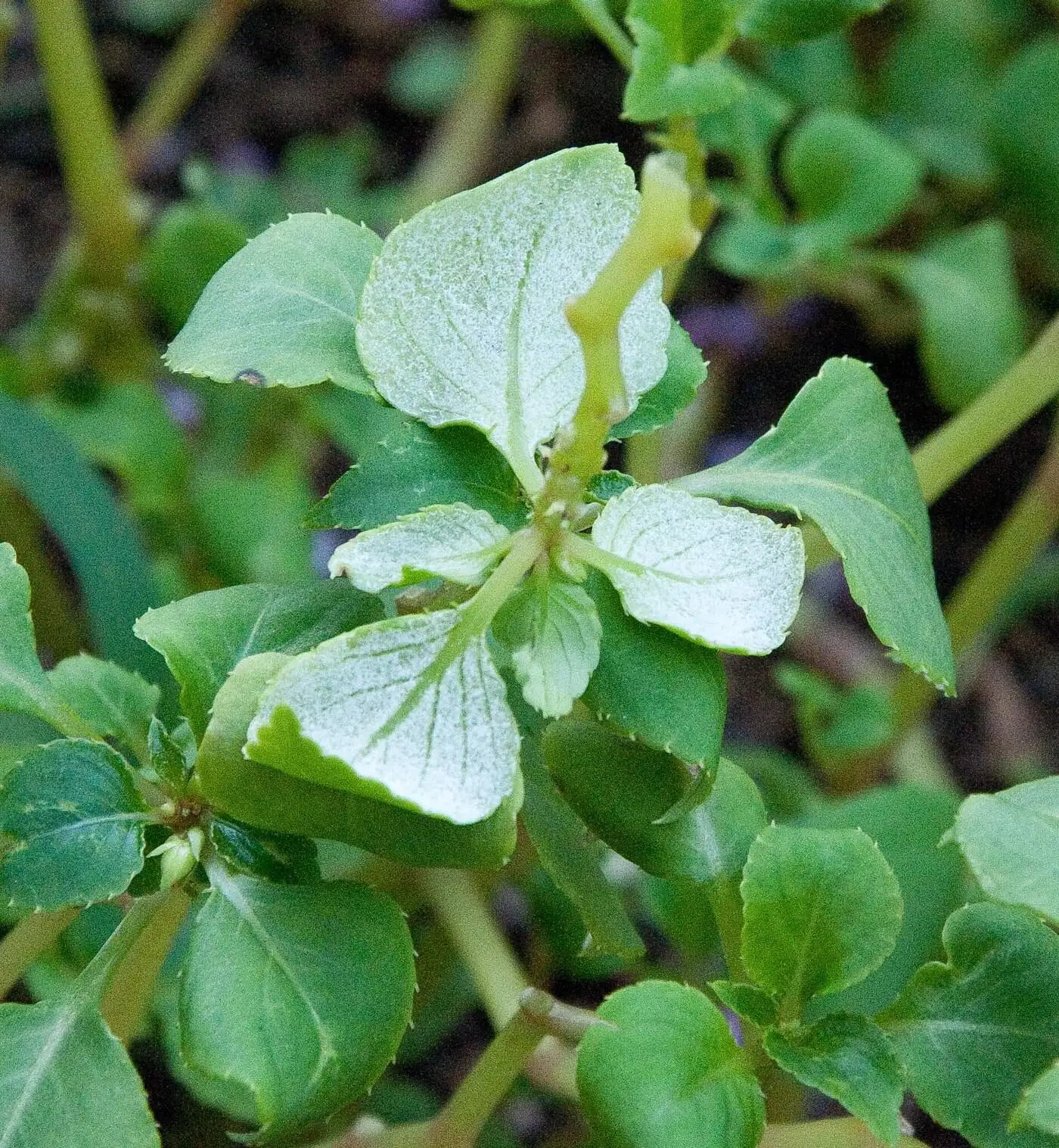
- Disease (watch this one): Downy mildew on I. walleriana starts with yellowing and leaf down-curl, often with white moldy growth underneath; plants can defoliate fast. Remedy: Remove and discard infected plants (do not compost), avoid overhead watering, increase airflow. If replanting, choose resistant series such as Beacon or Imara XDR.
Stretching (leggy, sparse, flopping growth)
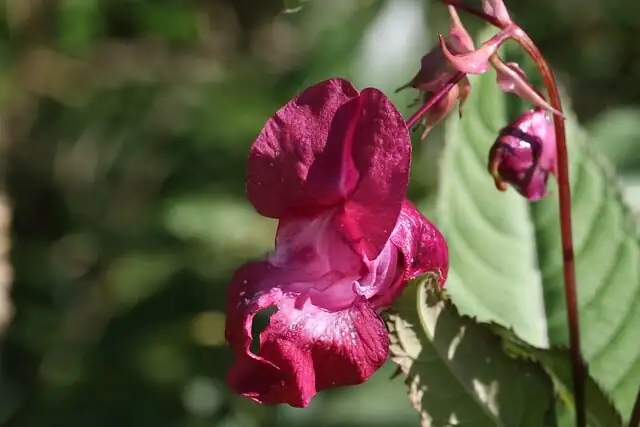
- Low light is the top culprit. Remedy: Move to a brighter, indirect location; provide morning sun with midday shade.
- Excess nitrogen can push leaf/stem over bloom. Remedy: Switch to balanced feeding, and during heavy bloom add 2–3 doses of a bloom-leaning formula higher in P/K over the season.
- Lack of pinching. Remedy: Pinch once at ~10 cm (4 in) to branch and bulk up. Snip soft, overly long shoots to restore shape.
- Overcrowding or one-sided light. Remedy: Space baskets for airflow, rotate weekly, and repot if roots are circling hard.
Flower and bud drop (or buds that never open)
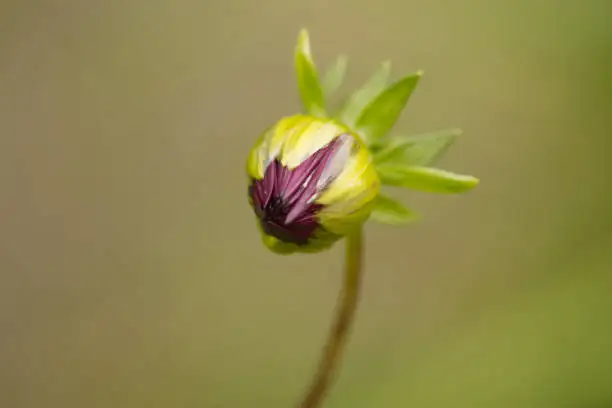
- Heat >30°C (86°F): the classic trigger. Remedy: Shift to bright filtered light with afternoon shade; water evenly and reduce fertilizer during heat spikes.
- Harsh sun scorch: Midday sun can stress petals and buds. Remedy: Provide shade cloth or relocate to gentler light.
- Water stress (too dry or too wet): Swings cause buds to abort. Remedy: Keep a steady “evenly moist” rhythm; don’t let it yo-yo.
- Splashing petals: Wet blooms spot and fail fast. Remedy: Water at soil level only, preferably in the morning.
- Nutrient imbalance: Lots of leaves, few flowers often means too much N or too little P/K. Remedy: Balance feeding; add a couple bloom-boost feedings in peak season.
- Thrips/pests on buds: Deformed or failing buds with flecked petals point to thrips; aphids also congregate on new growth. Remedy: Inspect flowers and new tips; treat with insecticidal soap or oil, repeating per label.
- Poor airflow/fungal issues: Gray mold (Botrytis) thrives on wet petals. Remedy: Keep blooms dry, deadhead promptly, and improve ventilation.
Crispy, brown tips or edges
- Drought or hot, dry drafts: Soft-stemmed impatiens crisp quickly when they dry. Remedy: Water thoroughly, then keep the top slightly dry between waterings; shield from hot air blasts.
- Sun scorch: Direct, intense sun fries edges. Remedy: Give filtered light or morning sun only.
- Low humidity or salt buildup: Browning margins can follow dry air or excess salts from fertilizer. Remedy: Target ~50%+ humidity and flush the pot with plain water monthly to leach salts; resume moderate feeding.
Your 5-minute triage checklist
1) Touch-test the mix: Top 1–2 cm should be just drying before you water. Heavy and cold = too wet; feather-light = too dry.
2) Check drainage: Is water pooling? Clear blocked holes; consider a coarser mix with perlite/sand.
3) Read the light: Can you comfortably read fine print without switching on a lamp? If not, it’s too dim.
4) Temperature audit: Day 17–20°C (63–68°F); never below 10°C (50°F). Shield from cold or hot drafts.
5) Flip a leaf: Look under for mites (speckling/webs), aphids (clusters), whiteflies (tiny moths), or white downy-mildew growth.
6) Sniff/peek at roots: Sour smell or brown mush hints at rot—adjust watering and airflow; repot if needed.
7) Fertilizer sanity check: In season, feed every 2 weeks; dial back in extreme heat and stop if winter growth pauses.
Prevention blueprint for months of color
- Light: Morning sun + afternoon shade, or bright filtered light. Outdoors in bright sites, aim for 40–50% shade.
- Water: Spring ~2× weekly; summer as needed without keeping soil saturated; autumn every 2–3 days; winter about weekly if growth slows. Always water at soil level—keep petals dry.
- Feeding: March–October, balanced feed every ~2 weeks; add 2–3 bloom-favoring doses in peak flowering. Reduce during heatwaves.
- Pruning: Pinch once at ~10 cm (4 in) to branch; remove spent blooms and any soft/diseased tissue for tidiness and airflow.
- Potting: Single plants look great in 10 cm (4 in) pots; baskets of 12–15 cm (4.7–5.9 in) often hold 3 young plants for a full cascade. Use a rich, well-drained mix.
- Climate notes: Frost tender (roughly USDA 10–11). Indoors or in frost-free climates, it may flower nearly year-round if kept warm and bright.
- Air and hygiene: Space plants, avoid overhead watering, and clean up fallen petals/leaves to deter gray mold.
Pest and disease watchlist (and what to do)
- Spider mites, aphids, whiteflies: Cause stippling, leaf curl, honeydew, or sooty mold. Action: Rinse, then treat with insecticidal soap or horticultural oil; repeat as labeled.
- Thrips: Distort flowers/buds and can vector viruses. Action: Inspect blooms; treat as above and remove badly damaged flowers.
- Gray mold (Botrytis), leaf spots, stem/root rot: Favored by wet petals and stagnant air. Action: Keep blooms dry, thin growth for airflow, remove affected parts early.
- Impatiens downy mildew (Plasmopara destructor) on I. walleriana: Early yellowing, down-curling leaves, and white growth under leaves; rapid defoliation possible. Action: Remove infected plants, avoid overhead water, increase airflow, and consider resistant series (Beacon, Imara XDR) for replanting.
Design notes and placement
- Best looks: Mounding to gently trailing, 20–45 cm (8–18 in) tall and wide—made for window boxes, sheltered balconies, bright porches, and hanging baskets.
- Keep it cozy: Warm, bright, and evenly moist with humidity around 50%+ and decent airflow for a lush, compact silhouette.
A quick word on names (and lookalikes)
- Impatiens walleriana is the classic “Busy Lizzie” from tropical East Africa. You’ll often see closely related New Guinea impatiens and SunPatiens sold nearby; they look and perform similarly in many gardens but are different lineages. Care overlaps—bright filtered light, warmth, steady moisture—but choose your plant by label, especially where downy mildew is a concern.
Symbolism, lightly rooted
- Busy Lizzie’s near-constant bloom ties it to cheerful, lively energy—the plant that’s always “busy” with color. Its genus name, Impatiens, nods to those seed pods that spring open at a touch—an impatient little firecracker of life.
Safety
- Generally considered low-toxicity for people and pets. As with most ornamentals, nibbling may cause mild stomach upset in sensitive individuals.
In short: keep it warm, bright-but-gentle, and evenly moist, and your Busy Lizzie will keep hustling with color. When it sends a signal—yellowing, stretching, dropping buds, or crispy tips—now you know exactly which knob to turn.