Ever noticed your plant leaves changing color and wondered what’s going on? You’re not alone! Leaf color changes are often a plant’s way of signaling it’s missing essential nutrients. Let’s dive into what those colors might mean and how you can help your green friends thrive.
The Color Code: What Your Leaves Are Telling You
Plants, much like us, need a balanced diet to thrive. When they’re lacking in certain nutrients, their leaves will often change color, which is your first clue in solving the mystery of what’s missing. Here’s what to look out for:
Yellowing Leaves: Common Culprits
- Nitrogen Deficiency: If your plant’s older leaves are turning yellow and the growth is stunted, nitrogen might be the missing link. Unlike some nutrients, nitrogen is mobile, meaning the plant moves it to new growth, leaving older leaves to suffer first. Remedy this by adding a nitrogen-rich fertilizer.
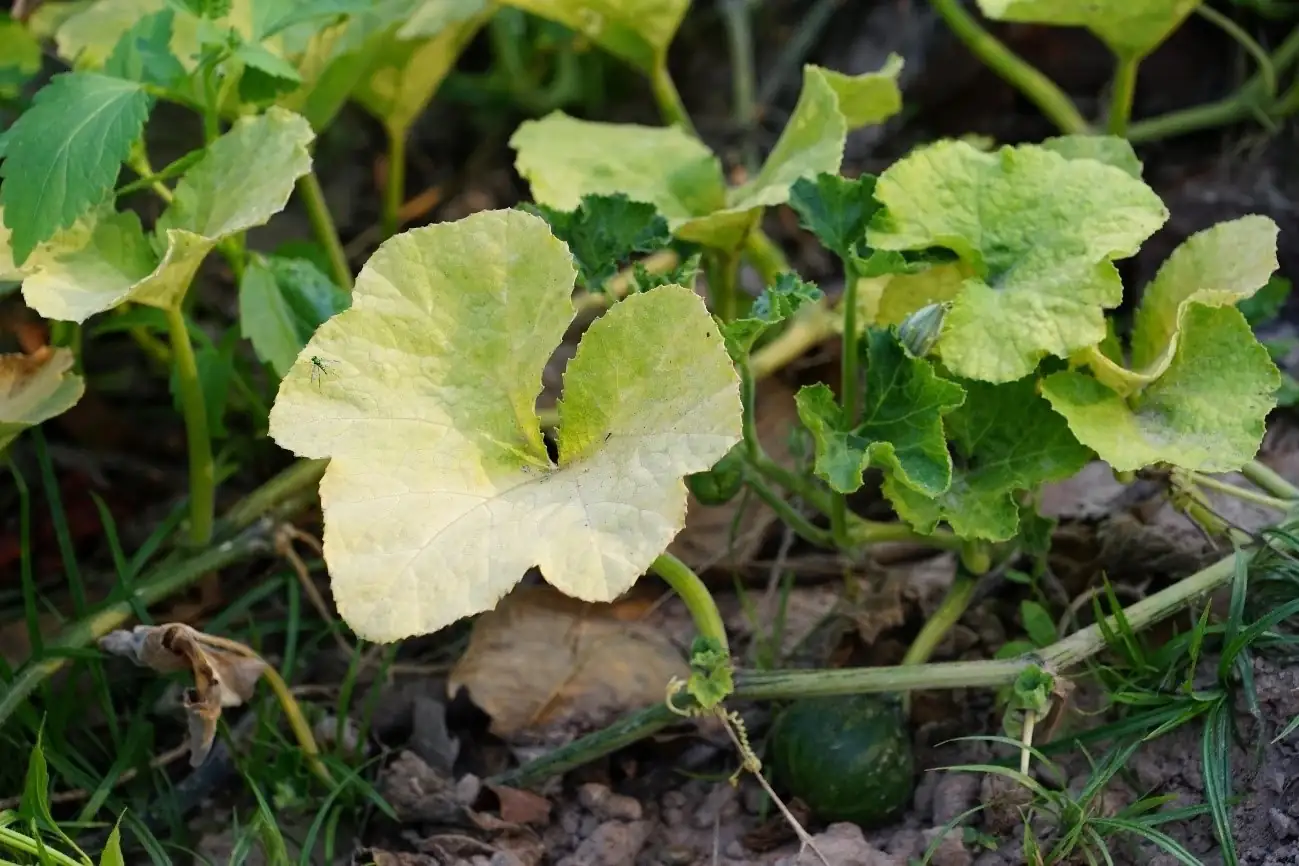
- Sulfur Deficiency: Often mistaken for nitrogen deficiency, sulfur deficiency also causes yellowing but affects newer leaves. Correct this by ensuring your soil has adequate sulfur, perhaps with a specific sulfur supplement.
Purple or Reddish Leaves: A Phosphorus Problem
If your plant’s leaves are turning a dull dark green or even purple, especially on the undersides, phosphorus might be lacking. This nutrient is crucial for energy transfer in plants. Consider a phosphorus-rich fertilizer to get your plant back on track.
Brown or Scorched Edges: Potassium is Key
Leaves with brown, scorched edges might be crying out for potassium. This deficiency often shows up in older leaves first. Potassium helps plants manage water and synthesize proteins, so ensuring it is available in your soil is crucial.
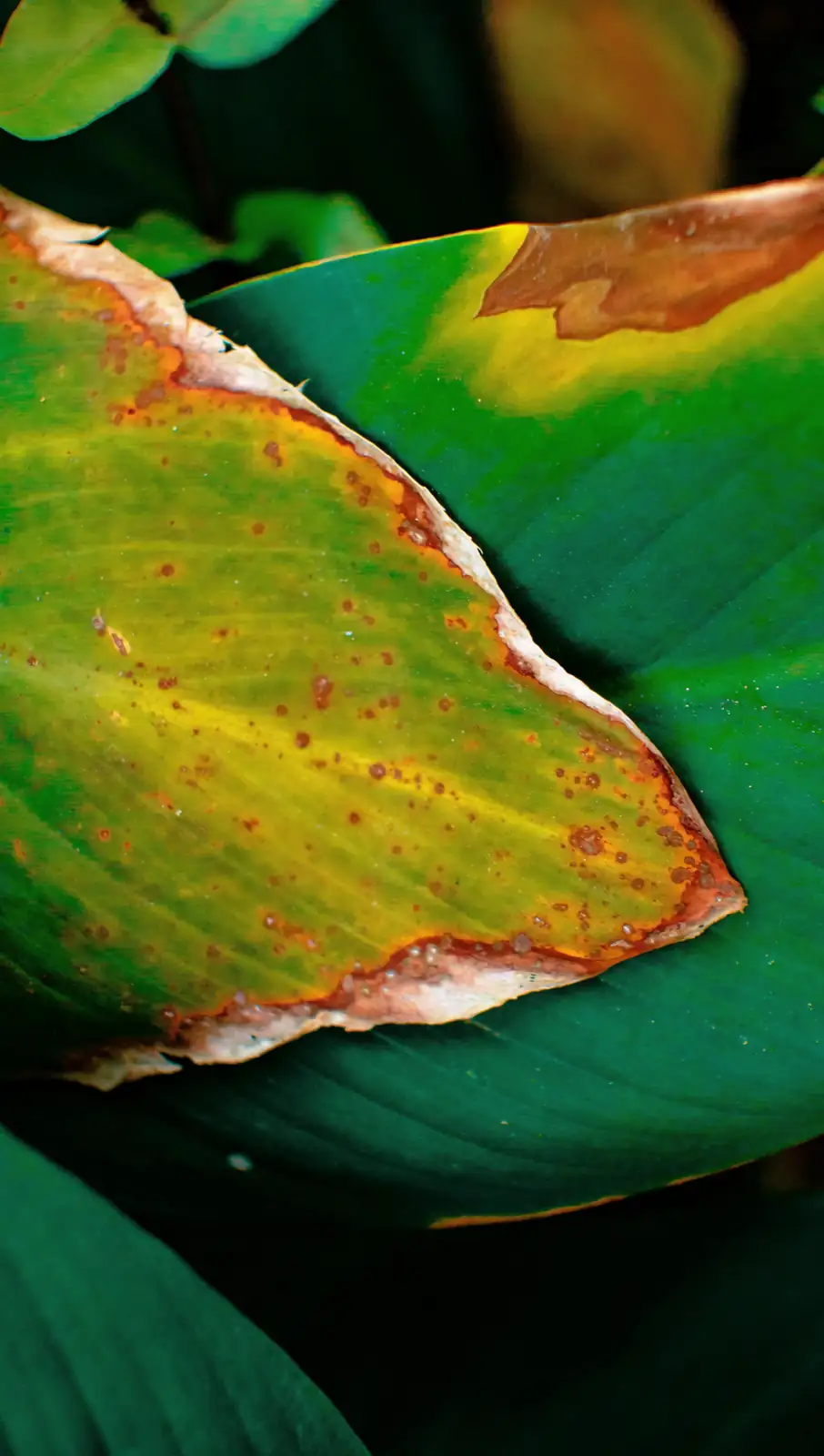
Interveinal Chlorosis: The Magnesium Mystery
If the area between leaf veins turns yellow (interveinal chlorosis), magnesium might be the missing nutrient. Leaves often appear marbled and this condition starts with older leaves. Adding a magnesium supplement or using Epsom salts can help restore balance.
Leaf Location Matters
It’s not just the color but also the location of affected leaves that can guide you to the root of the problem:
- Older Leaves: If older leaves show symptoms first, you’re likely dealing with a deficiency in mobile nutrients like nitrogen, phosphorus, or potassium.
- Younger Leaves: Problems in new growth often indicate issues with immobile nutrients such as calcium or iron.
Practical Tips for Plant Care
- Observe and Record: Regularly check your plants and take note of any changes. Photos can be a great help in tracking progress or regression.
- Test Your Soil: If you’re unsure, a soil test can help pinpoint what’s missing. Many garden centers offer this service, or you can buy a kit to do it yourself.
- Choose the Right Fertilizer: Use fertilizers that address the specific deficiencies you’ve identified. Look for balanced products or those tailored to your plant’s specific needs.
- Monitor and Adjust: After treating for a deficiency, continue to monitor your plants. Sometimes more than one treatment is necessary, or other issues like pH imbalance might need addressing.
Leaf color changes can be your plant’s SOS signal, a cry for help that you can answer. By becoming a leaf detective and understanding these signs, you’ll not only save your plants but also enjoy watching them flourish. Happy gardening!