

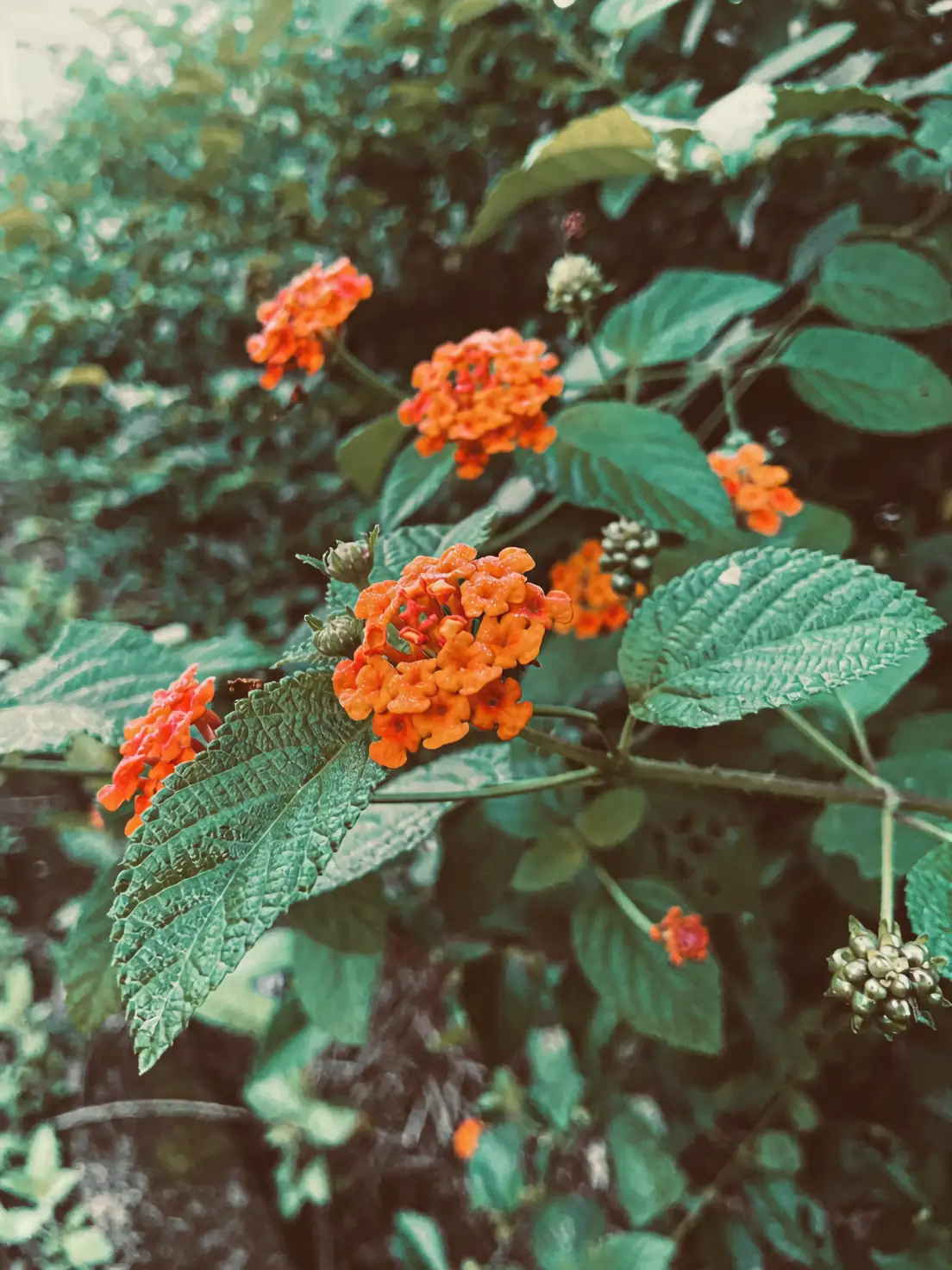
Lantana camara: A Symbol of Resilience and Change
Lantana camara, often simply called lantana, is a botanical marvel that beckons us into a world of vibrant colors and deeper meanings. This enchanting plant, with its kaleidoscopic blooms, is more than just a feast for the eyes. It speaks a rich language of resilience, transformation, and cultural significance that echoes across continents.
A Colorful Symphony: The Language of Lantana
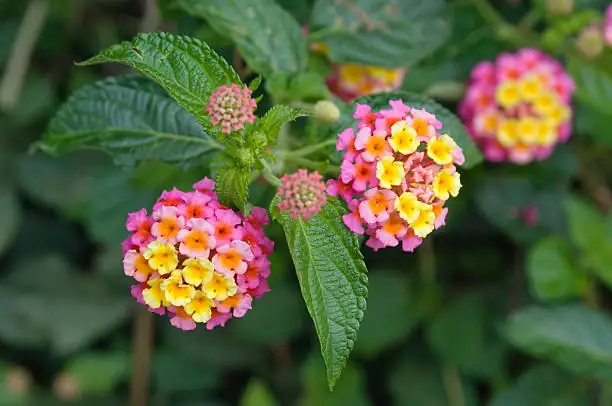
Imagine a garden where flowers dance between shades of yellow, orange, red, pink, and purple. Such is the spectacle of lantana, where each cluster undergoes a mesmerizing transformation, echoing the very essence of change. This color shift, akin to a natural mood ring, is a nod to life’s dynamic nature and the beauty of evolution.
In the world of flower language, lantana is a symbol of joy and positivity. Its riot of colors isn’t just a visual delight but a representation of happiness, akin to a cheerful embrace that lifts spirits and brightens any space. Each hue carries its own story: yellow for intellect and creativity, pink for love and romance, and red for passion and energy. Together, they create a symphony of colors that celebrates life’s vibrant spectrum.
Resilience in Full Bloom
Lantana’s tenacity is legendary. It thrives in hot, dry environments where many plants would wither, embodying resilience like a botanical superhero. This robust nature makes it a symbol of strength, urging us to persevere through challenges and adapt to changing circumstances.
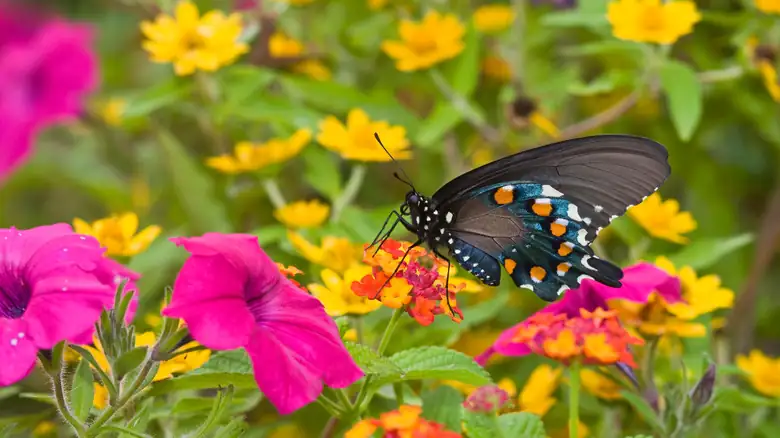
In gardens, lantana’s continuous bloom from spring through fall (and even year-round in frost-free climates) is a testament to its enduring spirit. It attracts butterflies and hummingbirds, contributing to ecological balance and symbolizing a harmonious coexistence with nature.
Cultural Threads: Lantana’s Global Significance
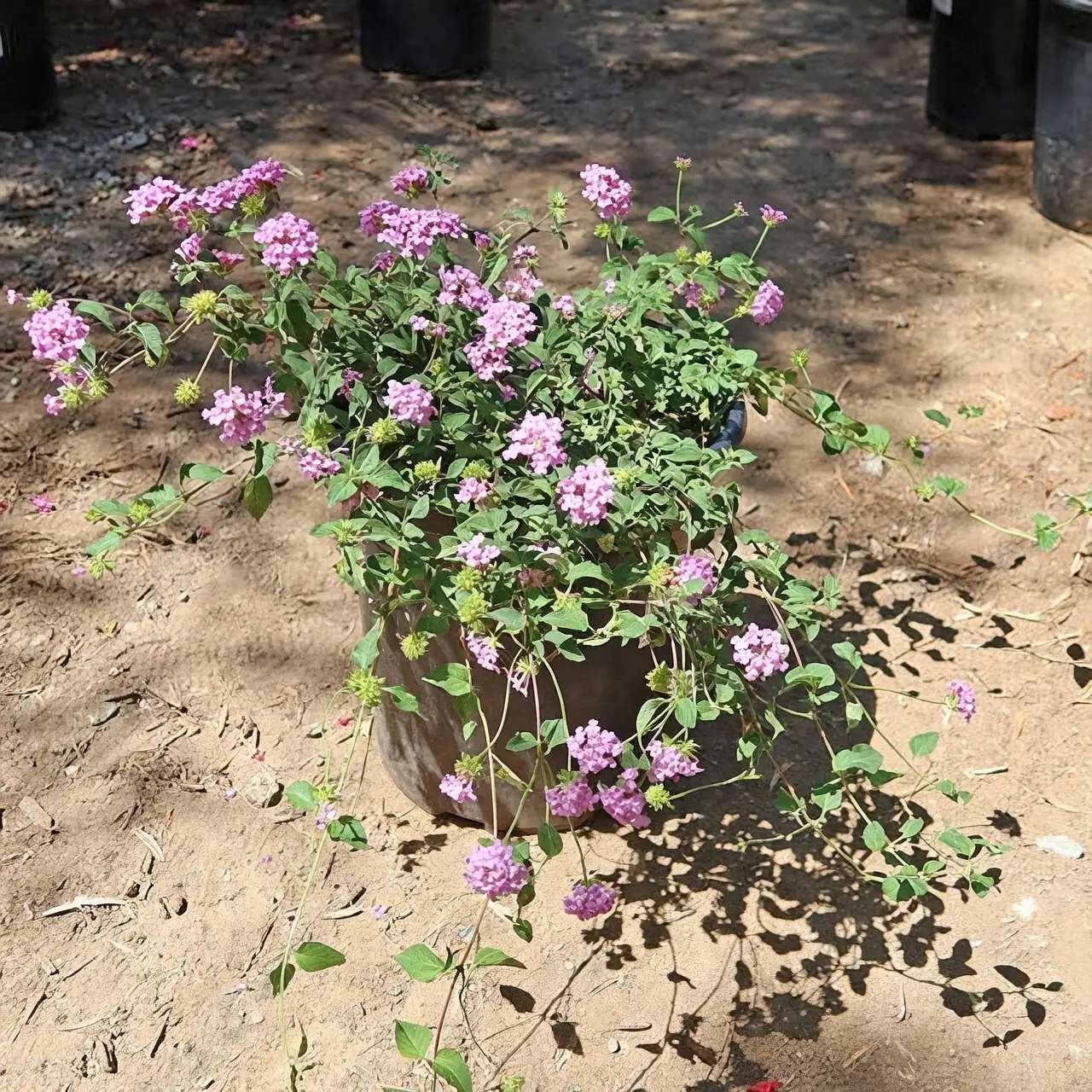
Lantana’s journey from tropical Central and South America to far-flung gardens across the globe is a tale of both admiration and caution. In European folklore, lantana is often linked to protection and luck, believed to ward off evil spirits and bring good fortune. Its presence in traditional ceremonies and rituals highlights its role as a symbol of spiritual growth and transformation.
However, lantana’s adaptability has also earned it a reputation as a botanical renegade. In regions like Australia and parts of Africa, its ability to naturalize aggressively has made it a notorious invasive species. This dual nature—a cherished garden gem and a challenging weed—reminds us of the delicate balance between cultivation and ecological responsibility.
Embracing Change: A Lesson from Lantana
As we admire lantana’s vibrant blooms, we are invited to reflect on the nature of change. Much like the plant itself, life is a series of transformations, each stage bringing new beauty and challenges. Lantana teaches us to embrace these shifts with grace and positivity, finding joy in the journey of growth.
Incorporating lantana into your garden is more than an aesthetic choice; it’s a celebration of life’s resilience and the ever-present potential for personal transformation. Whether adorning a sunny border or gracing a cocktail as a bold garnish, lantana brings with it a story of adaptability, joy, and the enduring power of nature.
Care Tips: Nurturing Your Lantana
- Sunlight: Give lantana plenty of sunlight—at least 6–8 hours per day for the best blooms.
- Watering: Water deeply but let the soil dry between sessions to prevent root rot.
- Pruning: Regularly deadhead spent flowers to encourage new growth and maintain a tidy appearance.
- Fertilization: A light feed in the spring can enhance blooming, but avoid over-fertilization to prevent lush, flowerless foliage.
In the language of flowers, lantana’s story is one of hope and resilience. Its blooms whisper secrets of the earth, urging us to find beauty in change and strength in adversity. So, plant a lantana, watch it thrive, and let it remind you of the vibrant dance of life that surrounds us all.


