The Victorian Language of Flowers: Impatiens Balsamina and the Whisper of Ardent Love
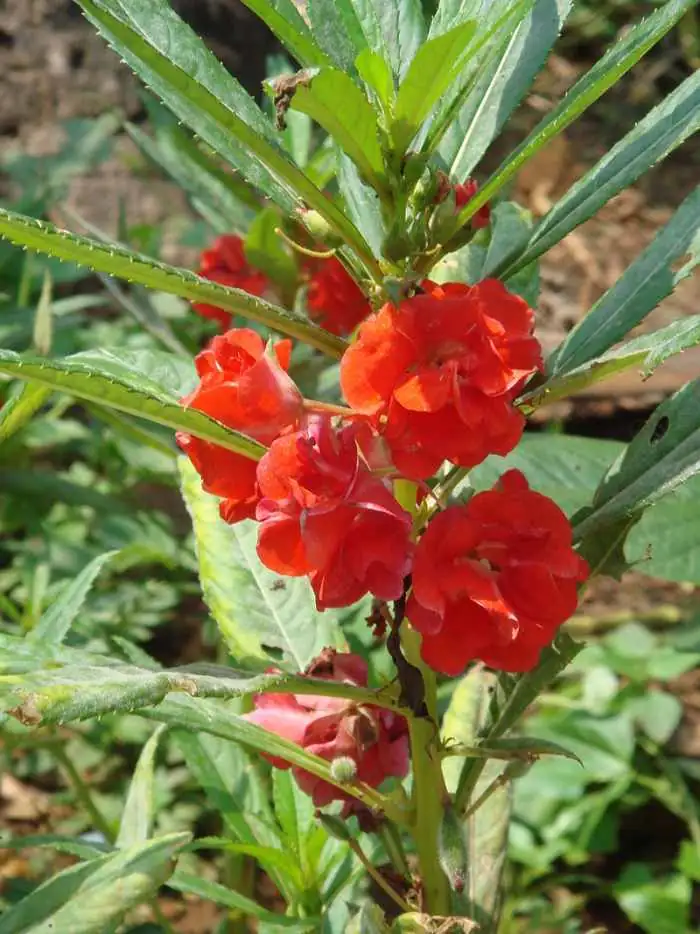
Imagine strolling through a Victorian-era garden, your senses enveloped by vibrant colors and fragrant blooms. Among these treasures, you might find the garden balsam, or Impatiens balsamina, a plant that doesn’t just catch the eye with its ruffled, camellia-like flowers, but also whispers tales of ardent love and heartfelt emotion. But what makes this charming bloom such a poignant symbol in the secretive language of flowers?
The Explosive Charm of Impatiens Balsamina
Native to the warm climates of India, Myanmar, China, and Malaysia, Impatiens balsamina, also affectionately known as touch-me-not or spotted snapweed, has captivated hearts worldwide. This heirloom annual is beloved in cottage gardens for its bright, pompom-like blooms that come in a palette of pink, red, purple, and white. These flowers nestle snugly against their sturdy stems, creating a delightful display from late spring until the first frost.
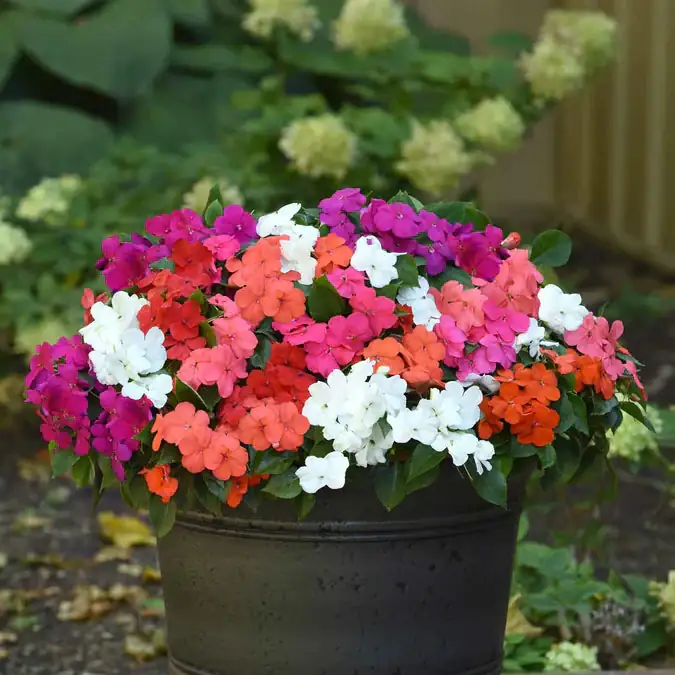
But it’s not just their beauty that has made garden balsams a favorite. Their unique trait lies in their “impatient” seed pods, which burst open at the lightest touch, flinging seeds in an exuberant display of nature’s ingenuity. This explosive seeding habit symbolizes the plant’s restless nature—an embodiment of the impatience for love, quick action, and even maternal affection.
Victorian Flower Language: A Secret Code
In the Victorian era, when social constraints often stifled direct expressions of emotion, the language of flowers (floriography) provided a subtle means of communication. Each flower conveyed specific sentiments. The garden balsam, with its impulsive seed pods, became a symbol of ardent love and impatience. It was often used to convey the message of longing or to gently chastise someone for their hastiness.
The colors of balsam flowers added layers to their meanings:
- Pink: Evoked gentle impatience and maternal care, perhaps hinting at a nurturing love.
- Red: Symbolized passionate urgency, akin to the fiery emotions of a new romance.
- White: Stood for pure intentions despite haste, reflecting a sincere heart.
- Purple: Represented dignified impatience, merging elegance with a sense of urgency.
Cultural Significance Across the Globe
Beyond Victorian England, Impatiens balsamina holds a rich tapestry of meanings in various cultures. In Asian traditions, it symbolizes purity and devotion. Its presence in folklore and art often highlights feminine beauty and resilience, qualities mirrored in the flower’s ability to thrive in diverse environments. In Japan, the garden balsam is a token of deep devotion, often used in ceremonies to symbolize enduring love and commitment.
In parts of Asia, the plant also finds practical applications. Its flowers and leaves serve as natural dyes, coloring nails and textiles, while in folk medicine, they are reputed to soothe aches and improve circulation.
Cultivating Your Own Garden Balsam
Growing garden balsam is delightfully straightforward, making it an ideal choice for both novice and seasoned gardeners. Here’s how you can invite this symbol of ardent love into your space:
- Sunlight: These blooms thrive in full sun to part shade, requiring 4–6+ hours of direct sunlight. In hotter climates, a touch of afternoon shade keeps them lively.
- Soil and Water: Plant in fertile, well-draining soil. Keep the soil consistently moist; garden balsam dislikes drought, preferring evenly moist conditions.
- Propagation: Start seeds indoors 6–8 weeks before the last frost or direct sow after frost danger passes. Seeds sprout quickly in warm conditions, and the plant often self-sows freely.
A Symbol of Enduring Beauty
The garden balsam is more than just a plant; it is a living expression of emotion and tradition. Whether used to convey heartfelt sentiments in a bouquet or admired for its vibrant presence in a garden, Impatiens balsamina continues to charm and inspire across generations. Its story, woven through cultures and history, reminds us of the enduring power of nature to connect us with our deepest emotions. So the next time you encounter a garden balsam, let it remind you of the delicate dance of love and patience, and perhaps, the beauty of a message whispered through petals.